
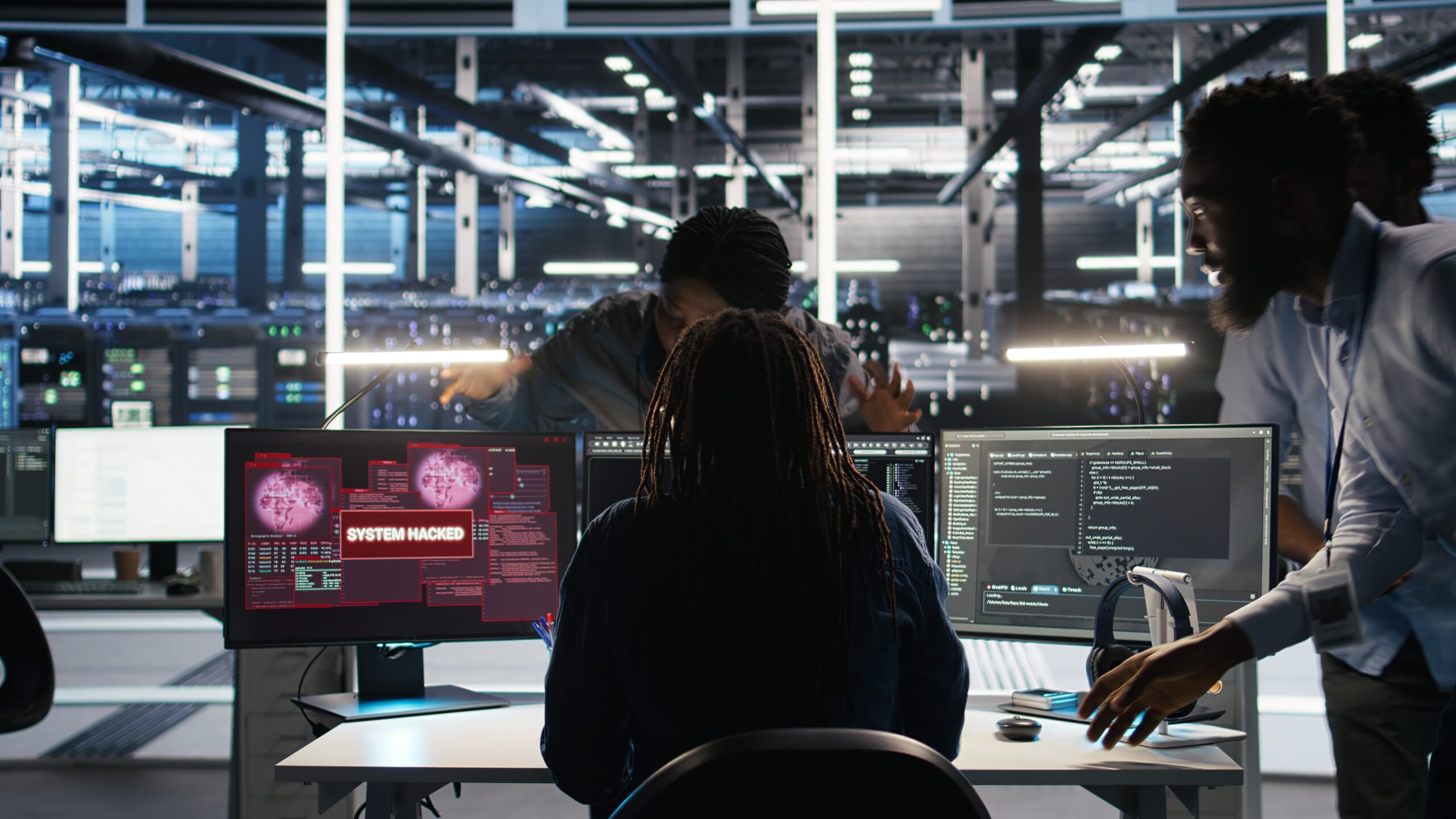
More than 100 technology companies, including OpenAI, Anthropic, Google and Microsoft, signed an open letter published August 27, 2026 urging closer cooperation between the private and public sectors to defend against AI-related cyber threats, according to TechCrunch. The letter calls for coordinated action as increasingly capable AI models are used both to accelerate cyberattacks and, in parallel, to help defenders detect and respond to them faster.
TechCrunch reported that several of the signatories are, in the same period, continuing to develop more advanced frontier AI models even as they promote defensive programs built on that same technology, including OpenAI’s Daybreak program, Anthropic’s Mythos initiative, and a newly introduced cyber-defense platform from Microsoft called Perception. The report characterized this as a “conflicted position” for labs simultaneously advancing capability and warning about the risks that capability can pose in the hands of attackers.
The initiative follows a series of disclosures throughout 2026 in which security researchers and AI labs described attackers using large language models to accelerate reconnaissance, vulnerability discovery and exploit development, alongside separate efforts by AI companies to formalize responsible-disclosure and defensive-use programs for their own models. The letter does not, according to the report, set out binding commitments, but frames the current moment as one requiring shared standards and cooperation between AI developers, security vendors, and government agencies as both offensive and defensive uses of AI systems mature.
For security teams evaluating AI-enabled defensive tools, the emergence of vendor-specific programs from major model developers adds a new category of capability alongside established security operations center analytics platforms, though it also raises procurement questions about how defensive AI programs from foundation model vendors will integrate with, or compete against, existing security information and event management and extended detection and response tooling already deployed across enterprise and critical infrastructure environments.
Leave a Reply