
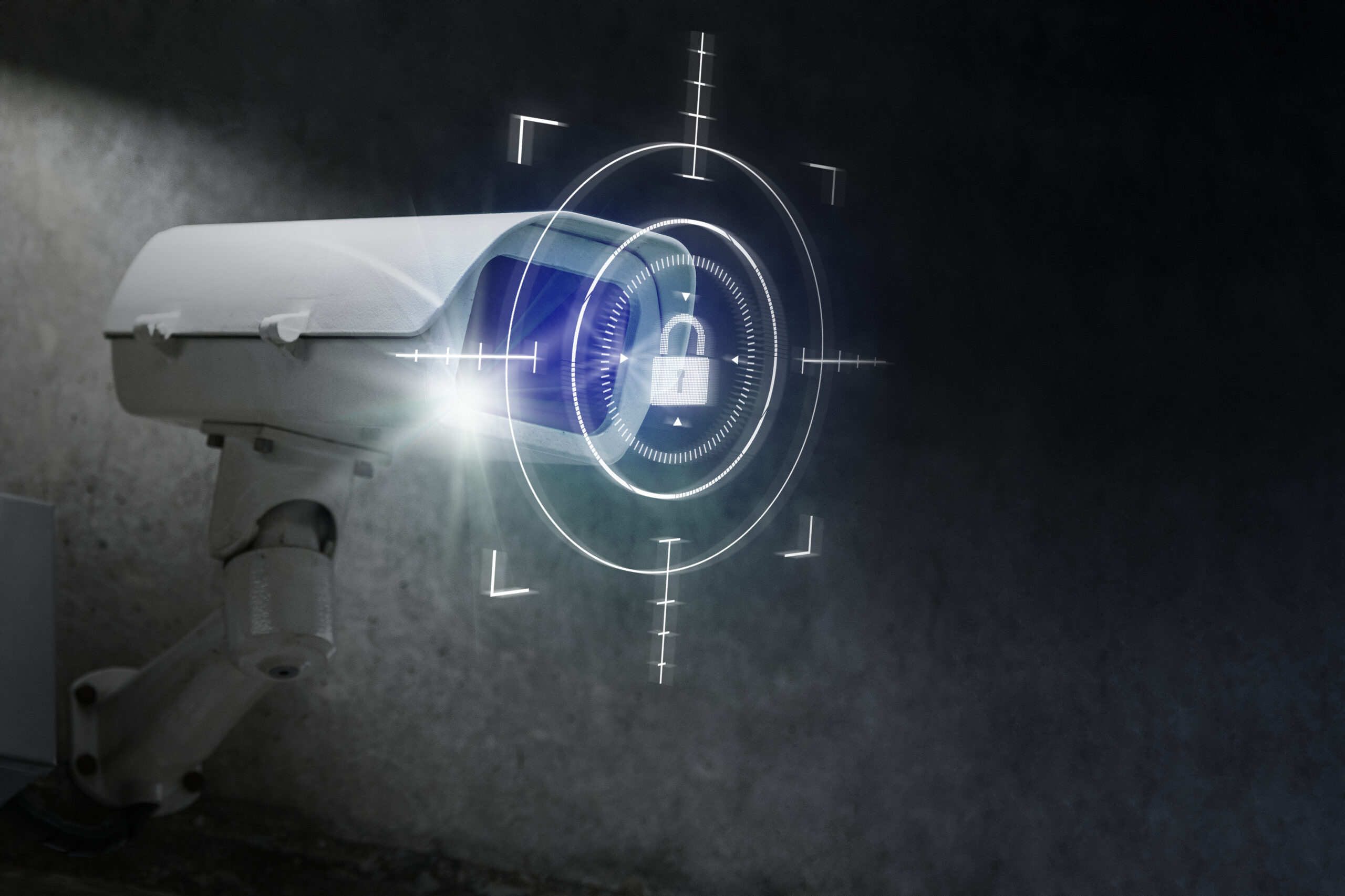
Financial institutions protect a mix of physical assets, sensitive data and public-facing customer environments, which means bank security spans branch design, vault protection, ATM networks and increasingly the cybersecurity of connected physical-security devices themselves.
Branch video surveillance
Branch camera systems cover teller lines, entrances, vaults and parking areas, supporting both robbery response and everyday operational and liability needs. Many institutions pair cameras with silent alarm capability at teller stations so staff can signal a robbery without alerting the person committing it.
Vault and safe-deposit protection
Vaults and safe-deposit areas typically combine reinforced construction with time-delay locks, dual-custody procedures and dedicated alarm and access-control zones. These measures are designed to resist both external attack and unauthorized access by an individual employee acting alone, reflecting the dual-custody principle common in financial-security design.
ATM and self-service security
ATMs and self-service kiosks operate outside normal branch hours and in some cases outside the branch itself, which creates distinct risks including physical attacks on the machine, card-skimming devices and network-based fraud. Financial institutions typically combine physical hardening, camera coverage, skimmer-detection technology and transaction monitoring to address these different attack types.
Access control for staff and cash-handling areas
Access control governs movement between public branch space and restricted areas such as cash rooms, IT closets and back-office operations. Role-based permissions and detailed audit trails support both security and the compliance requirements that apply to financial institutions in most jurisdictions.
Cyber-physical convergence
Modern branch security systems, including cameras, access controllers and alarm panels, are networked devices connected to the same infrastructure as core banking systems. That makes cybersecurity hygiene, including network segmentation, credential management and patching, a core part of physical-security design rather than a separate concern, particularly given how attractive financial institutions are as targets.
Risk varies by institution type and location
A large urban branch, a rural branch and a data center or operations facility carry different risk profiles, and security programs at most institutions are tailored accordingly rather than using a single standard branch design everywhere.
Conclusion
Banking and financial-institution security depends on a combination of branch video and alarm systems, vault and ATM-specific protections, disciplined access control, and cybersecurity practices applied to the physical-security network itself, reflecting the dual role of financial institutions as both cash-handling and data-handling environments.