Category: Fiber Optic Sensing

  • DAS for Earthquake and Natural-Hazard Monitoring

    DAS for Earthquake and Natural-Hazard Monitoring

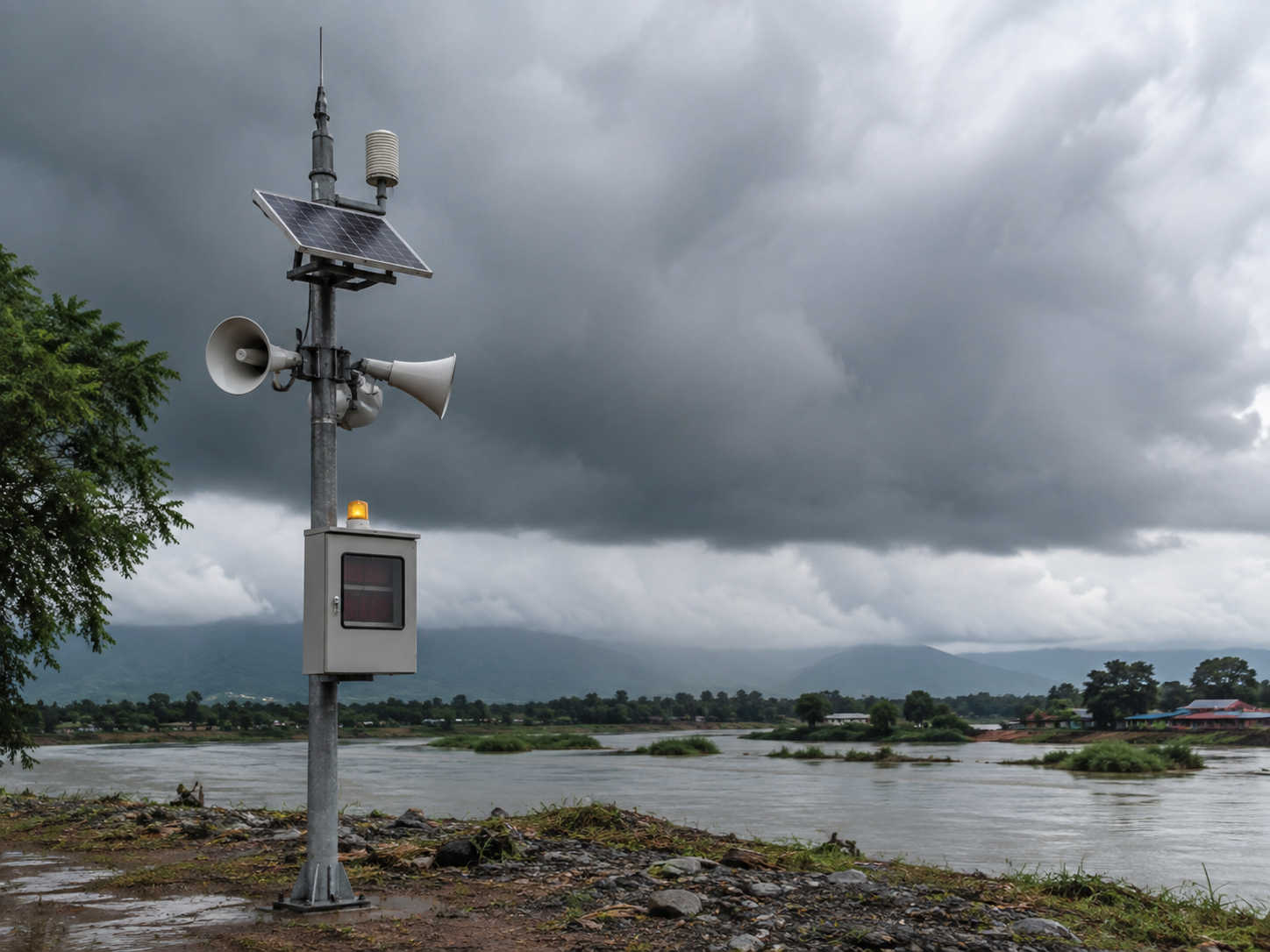
    Distributed Acoustic Sensing is increasingly used beyond security. Because optical fiber can detect tiny strain changes over long distances, DAS can act as a dense array of virtual seismic sensors for earthquakes, landslides and other geophysical events.

    From Fiber Cable to Seismic Array

    Traditional seismic networks use individual instruments installed at selected locations. DAS measures strain changes at many closely spaced points along a fiber route. Existing telecom or infrastructure fiber may therefore provide dense spatial coverage without installing thousands of separate sensors.

    For earthquake monitoring, the system can record seismic waves traveling along and across the fiber route. Researchers can use this information to study wave propagation, local ground response and event location. In some environments, DAS can also support monitoring of landslides, rockfall, volcanic activity and structural response.

    Why Existing Fiber Is Valuable

    Urban and long-distance fiber networks already cross regions where conventional sensor coverage may be limited. Using selected dark fibers or compatible network architectures could expand observational coverage rapidly. The same principle is relevant to tunnels, pipelines, railways and subsea cables located in geologically active regions.

    Limitations

    Fiber was rarely installed with seismic sensing in mind. Cable coupling, route geometry, burial depth and installation method strongly affect sensitivity. DAS measures strain along the direction of the fiber, so orientation matters. Data volumes are also substantial and require efficient processing.

    Security and Resilience Connection

    Natural-hazard sensing matters to critical infrastructure security because earthquakes and ground movement can damage pipelines, power cables, railways and communications routes. Combining DAS hazard detection with asset-monitoring systems can help operators understand both the external event and its possible effect on infrastructure.

    Conclusion

    DAS will not replace every seismometer, but it can add extremely dense spatial information using fiber that may already exist. This makes distributed sensing an important bridge between telecommunications, geophysics and infrastructure resilience.
  • Edge AI in Distributed Fiber Optic Sensing: Faster Decisions at the Sensor

    Edge AI in Distributed Fiber Optic Sensing: Faster Decisions at the Sensor

    Distributed fiber-optic sensing systems can generate very large data streams. Sending every raw waveform to a distant data center is often inefficient, especially when operators need immediate alarms. Edge AI moves part of the analytics close to the interrogator so events can be filtered, classified and prioritized in real time.

    Why Edge Processing Matters

    A long DAS route may contain thousands of virtual sensing channels. Local processing can reduce bandwidth by converting raw data into event metadata such as location, type, confidence and severity. It also improves resilience because basic detection can continue even when a cloud or wide-area connection is unavailable.

    Typical edge functions include noise filtering, feature extraction, event classification, moving-object tracking and alarm correlation. More complex model training and fleet-wide analysis can still be performed centrally.

    The Best Architecture Is Usually Hybrid

    Edge AI should not be treated as a replacement for centralized analytics. Local systems are ideal for low-latency response, while centralized platforms are better for long-term trend analysis, model management and cross-site comparison. A hybrid model allows both.

    Operational Considerations

    Edge devices must be sized for the required channel count and model complexity. Cybersecurity, software updates, model version control and auditability are also important. In critical infrastructure, operators need to know which model generated an alarm and whether its configuration changed.

    Conclusion

    Edge AI makes distributed sensing more operationally practical by reducing data volume and shortening the path from physical event to security decision. As DAS and DTS deployments grow, intelligent processing at the sensing edge will become an increasingly important part of system architecture.

  • AI and Machine Learning for DAS Event Classification

    AI and Machine Learning for DAS Event Classification

    Distributed Acoustic Sensing produces enormous amounts of vibration data. The central operational challenge is not detecting that something happened, but deciding what happened. Was the signal caused by a person, vehicle, excavation machine, train, leak-related noise, environmental activity or harmless background vibration?

    This is where machine learning becomes important. Instead of relying only on fixed amplitude thresholds, modern DAS platforms can analyze temporal patterns, frequency content, event duration, spatial movement and correlations across neighboring sensing channels.

    Training Data Determines Performance

    A classification model is only as useful as the data used to train and validate it. Pipeline, railway, perimeter and subsea environments produce very different signal signatures. Models therefore need representative data from the real installation environment rather than generic laboratory recordings.

    False alarms are a major reason to use AI, but aggressive filtering creates another risk: missing weak or unusual events. Good systems balance sensitivity and confidence rather than treating classification as a simple yes-or-no decision.

    Edge and Centralized Analytics

    Some classification can run close to the interrogator for low-latency alarms, while more computationally intensive analytics can run on centralized servers or cloud infrastructure. Hybrid architectures are increasingly attractive because they combine fast local response with fleet-wide model improvement.

    Human operators remain important. AI should prioritize events, attach confidence scores and provide context, while critical decisions remain auditable.

    Conclusion

    Machine learning is turning DAS from a high-volume signal generator into an operational intelligence platform. The competitive advantage will increasingly come not only from interrogator hardware, but from high-quality training data, reliable classification models and integration with real security and infrastructure workflows.

  • DAS and Passive Optical Networks: Broadband Fiber as Security Infrastructure

    DAS and Passive Optical Networks: Broadband Fiber as Security Infrastructure

    Passive Optical Networks are designed to deliver broadband efficiently to large numbers of users. Distributed Acoustic Sensing introduces another possibility: parts of the same fiber infrastructure may also provide information about vibration and activity along the route.

    Why PON Is Interesting for Sensing

    PON networks already extend deep into cities, campuses and residential areas. If sensing can coexist with communications traffic, broadband infrastructure could potentially support applications such as construction monitoring, intrusion awareness, transport analytics or infrastructure condition monitoring without installing a separate sensor cable everywhere.

    The technical challenge is that PON is not a simple point-to-point fiber. Optical splitters divide signals across branches, and the network is optimized for communications rather than sensing. Interpreting backscatter in this environment requires careful optical design, signal processing and route knowledge.

    Security and Infrastructure Applications

    Potential uses include monitoring access to telecom infrastructure, detecting excavation activity near buried routes, identifying unusual vibration around manholes and supporting broader urban sensing. In controlled industrial or campus environments, PON-based sensing could become one input to a physical-security platform.

    The key word is coexistence. Sensing should not compromise communications performance, service availability or network maintenance. Wavelength planning, optical budgets, splitter architecture and interrogator design all influence feasibility.

    Operational Questions

    Who owns the sensing data? How is privacy handled? How are alarms mapped from optical distance to geographic location? What happens when fiber routes are changed during maintenance? These questions are as important as raw detection performance.

    Conclusion

    PON sensing is an emerging area rather than a universal replacement for dedicated DAS installations. But the strategic idea is important: communications fiber may become dual-purpose infrastructure. If sensing can be added safely and economically, broadband networks could evolve from passive transport systems into distributed sources of infrastructure intelligence.

  • Using Telecom Fiber as a Distributed Sensor Network

    Using Telecom Fiber as a Distributed Sensor Network

    Telecom networks contain enormous lengths of optical fiber. Distributed fiber-optic sensing raises an important possibility: can some of that existing infrastructure become a sensing network as well as a communications network?

    The basic idea is compelling. An interrogator analyzes optical backscatter from fiber and converts tiny changes caused by vibration, strain or temperature into spatially resolved measurements. Depending on the sensing method, a single fiber can provide thousands of virtual measurement points.

    Potential Applications

    Existing telecom routes may support monitoring of roads, railways, urban activity, construction, earthquakes, utility corridors and infrastructure conditions. In some cases, spare or dark fiber can be connected directly to a sensing interrogator. More advanced architectures explore sensing over fibers that are also supporting communications traffic.

    The attraction is scale. Instead of installing a completely new sensor network, operators may be able to use fiber that is already buried across cities and transport corridors.

    But Existing Fiber Was Not Installed as a Sensor

    This is the key limitation. Telecom fiber may run through ducts, loose tubes, aerial routes, manholes and different soil conditions. Mechanical coupling varies along the route, meaning the same event can produce very different signals at different locations.

    Route documentation is also essential. A sensing system reports distance along fiber, not automatically a street address. Accurate mapping between optical distance and physical geography is therefore necessary before alarms become operationally useful.

    Shared Communications and Sensing

    Research and commercial development increasingly focus on coexistence between data transmission and sensing. This could make fiber networks part of a wider infrastructure-intelligence layer, but network design, optical power budgets, wavelength allocation and operational ownership must all be considered.

    Conclusion

    Telecom fiber has the potential to become one of the world’s largest distributed sensing platforms. The opportunity is significant, but successful projects require more than connecting an interrogator to a cable. Fiber routing, coupling, network architecture, data interpretation and operational integration determine whether existing telecom infrastructure can deliver reliable sensing intelligence.

  • Subsea Cable Monitoring with Distributed Acoustic Sensing

    Subsea Cable Monitoring with Distributed Acoustic Sensing

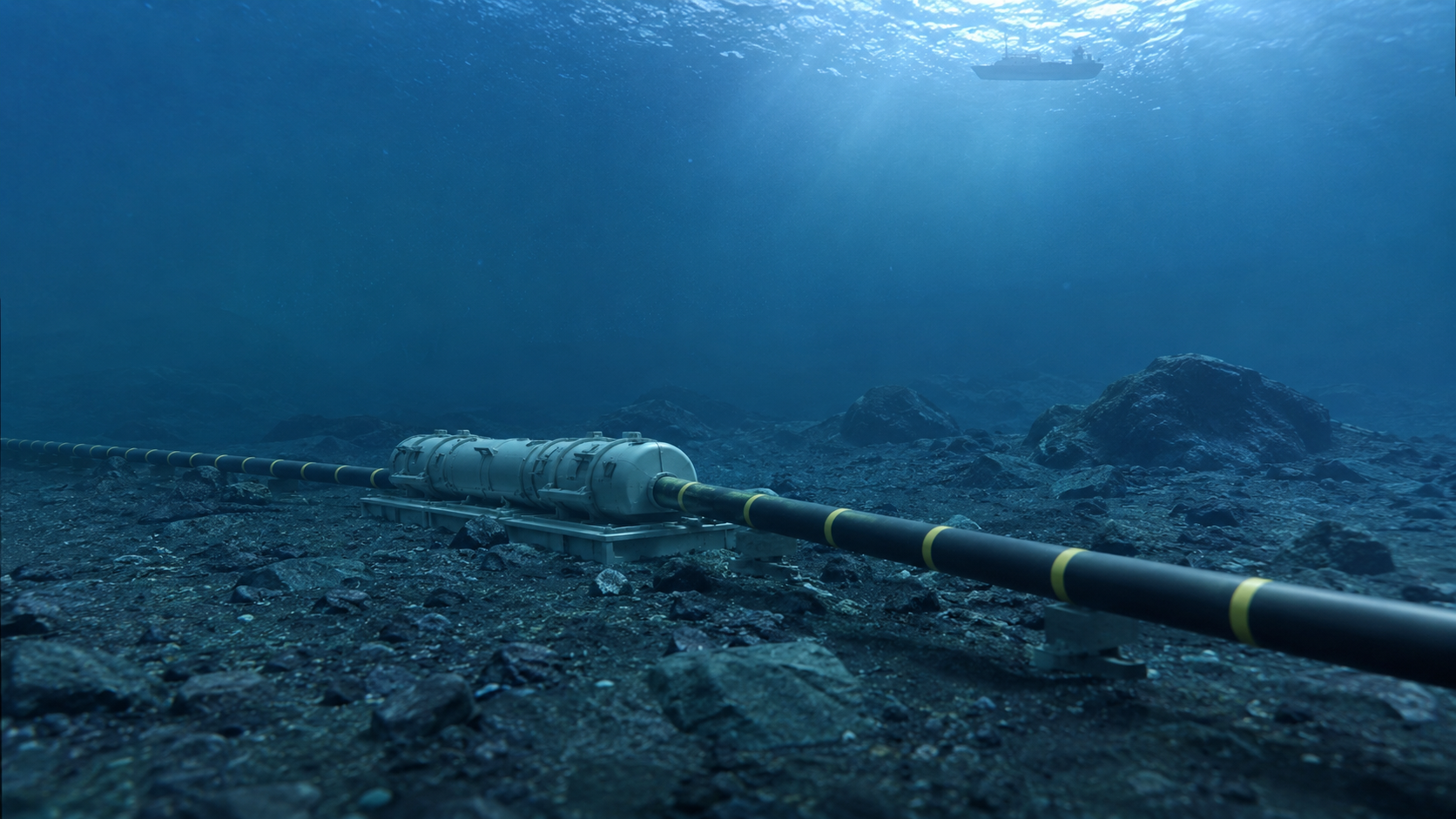
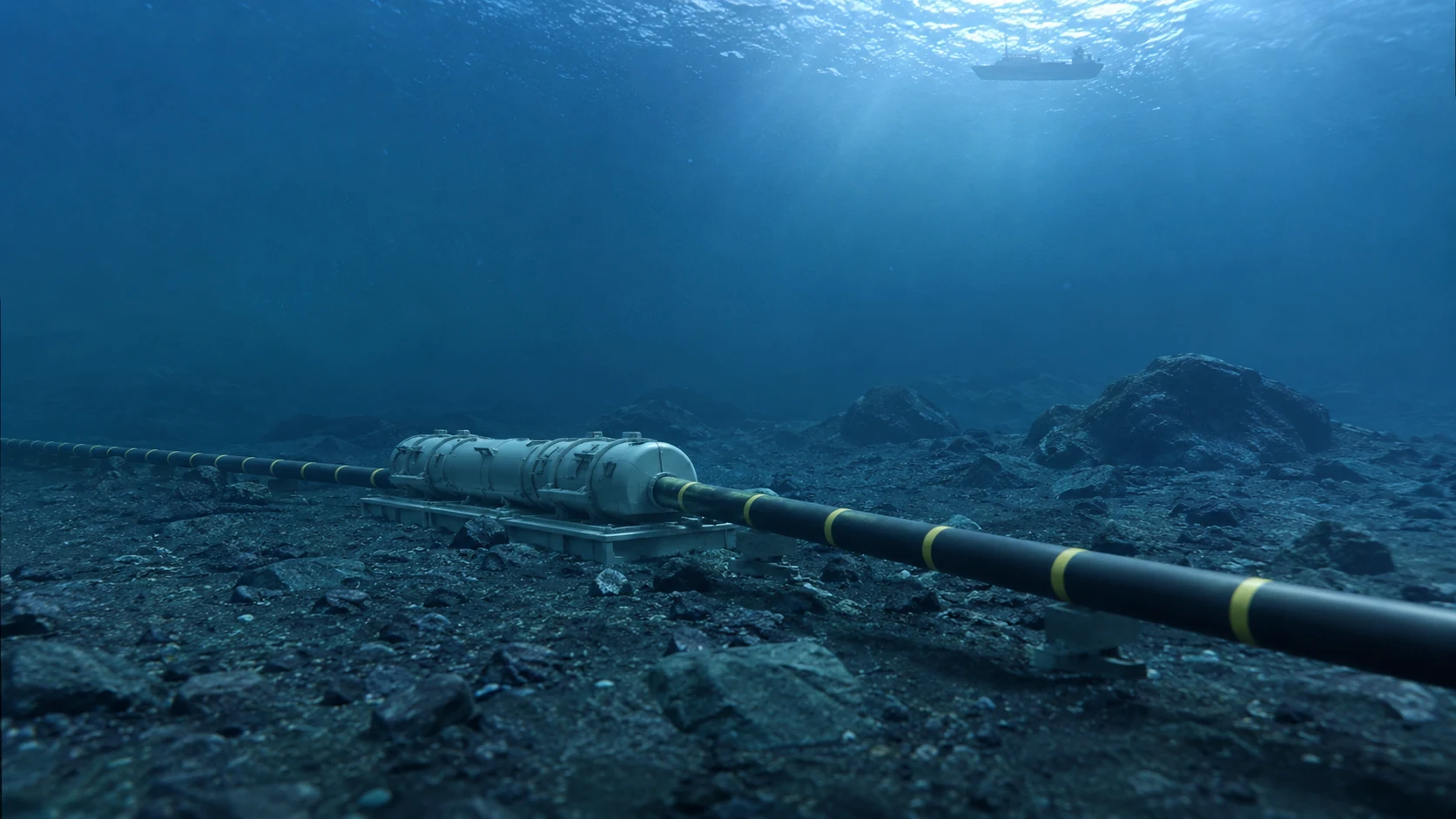
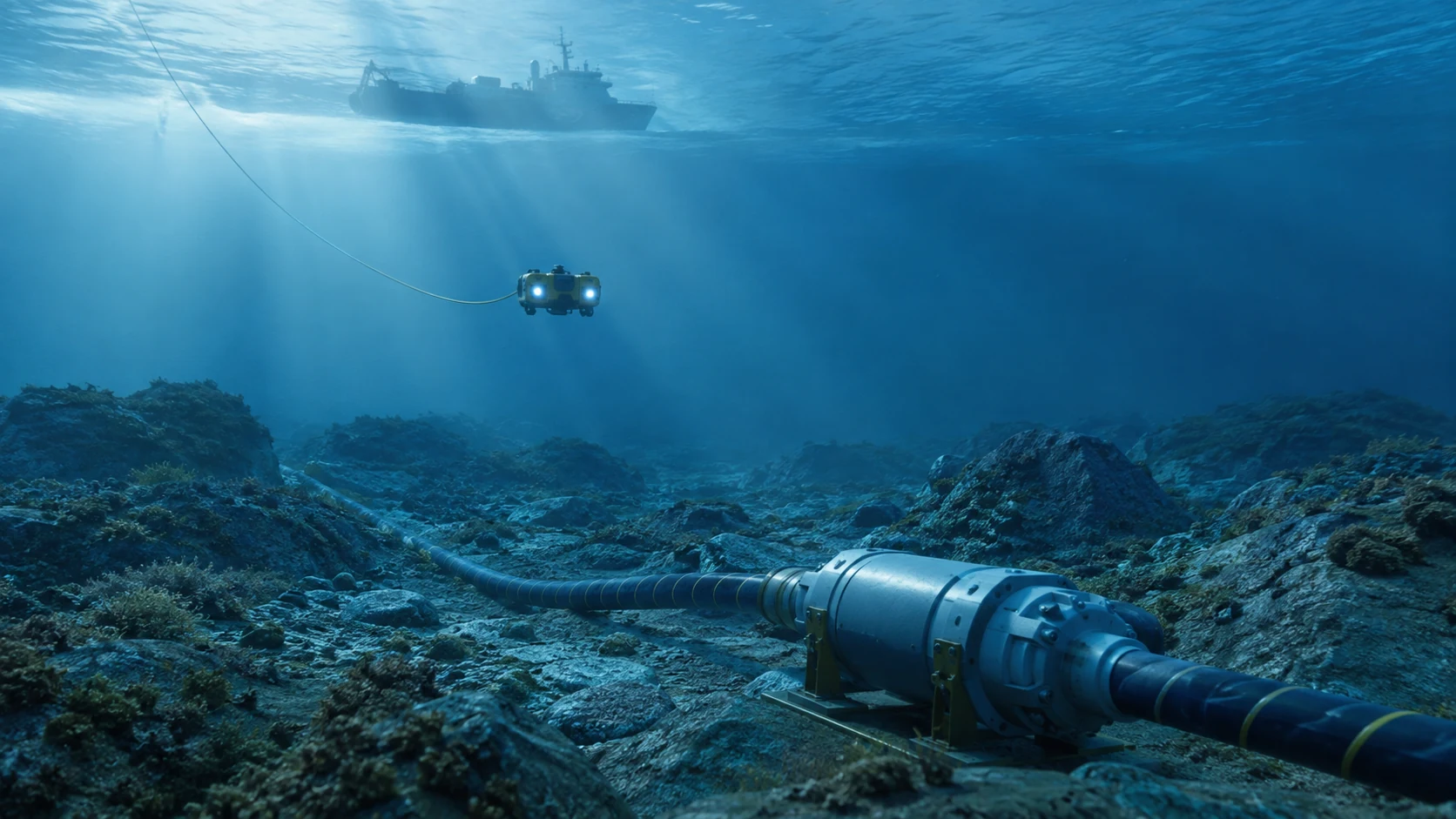
    Subsea power and telecom cables are strategic infrastructure, yet they are difficult and expensive to inspect. Distributed Acoustic Sensing can turn optical fiber inside or alongside a cable into a continuous vibration sensor, helping operators detect activity over long marine routes.

    How DAS Helps

    A DAS interrogator measures tiny changes in backscattered light caused by strain and vibration along fiber. In a marine environment, these signals can reveal vessel-related activity, anchoring, seabed interaction, cable movement, construction work and other disturbances. The system provides both event timing and approximate location along the route.

    The strongest use case is early awareness. DAS does not replace sonar, AIS, ROV inspection or marine surveillance, but it can indicate where unusual activity is occurring so other systems can investigate the right location.

    Sensor Fusion Matters

    Subsea protection becomes much more useful when DAS data is fused with AIS vessel tracks, radar, sonar, weather information and cable route maps. If a strong acoustic event occurs near a cable while a vessel is operating nearby, the combined context is much more actionable than either data source alone.

    DAS can also support condition monitoring. Long-term changes in vibration patterns may indicate altered seabed conditions, cable exposure or mechanical stress. Interpretation is complex, however, because ocean environments generate continuous background noise from waves, currents, shipping and biological sources.

    Deployment Challenges

    Performance depends on fiber construction, coupling, seabed conditions, water depth, interrogator settings and signal-processing models. Not every telecom fiber route is equally suitable, and event classification must be trained against realistic local conditions.

    For critical submarine links, DAS should therefore be viewed as one layer in a broader maritime-domain-awareness architecture.

    Conclusion

    Distributed acoustic sensing gives subsea cable operators something conventional inspection cannot provide: continuous distributed awareness between inspection campaigns. As subsea cables become more important to energy and communications resilience, fiber-optic sensing is likely to play a growing role in their protection and condition monitoring.

  • Fiber Optic Perimeter Intrusion Detection: How It Works

    Fiber Optic Perimeter Intrusion Detection: How It Works

    Perimeter protection traditionally relies on cameras, microwave barriers, buried sensors and fence-mounted detectors. Fiber-optic sensing adds a different capability: a single passive cable can monitor long boundaries continuously and locate disturbances along the route.

    How It Works

    A sensing unit launches optical signals into fiber installed on a fence, buried near a boundary or integrated into other infrastructure. Vibrations created by climbing, cutting, digging, walking or vehicle movement alter the backscattered optical signal. Software analyzes these changes and estimates the event location.

    The fiber itself requires no electrical power along the protected route, which is valuable for remote sites, substations, pipelines, solar farms, airports and critical infrastructure. Long distances can be monitored from a protected interrogation point.

    Detection Is Only Half the Problem

    The central engineering challenge is classification. Wind, rain, animals, maintenance work and nearby traffic can create vibration. Modern systems therefore use signal processing and machine-learning models to distinguish meaningful events from environmental noise.

    Good performance depends heavily on installation. Fence type, cable attachment method, soil conditions, route geometry, calibration and zone configuration all influence detection quality. A high-end interrogator cannot compensate for a poorly designed sensing route.

    Integration with Cameras and Radar

    Fiber sensing is strongest when used as part of a layered system. A detected event can automatically cue a PTZ camera, thermal imager or radar track. The fiber provides the alarm and location; imaging systems provide visual verification.

    For very large sites, this approach can reduce the need for continuously staffed camera monitoring. Operators focus attention on locations where another sensor has already detected activity.

    Where It Fits Best

    Fiber-optic perimeter detection is especially attractive for long linear boundaries, remote facilities and locations where field power is difficult. It can also share infrastructure with communications fiber in some architectures, although dedicated sensing fiber often provides more predictable performance.

    Its limitations should be understood. Classification accuracy varies by environment, and commissioning requires realistic site testing. A system should be evaluated against the actual fence, soil, weather and threat profile rather than laboratory specifications alone.

    Conclusion

    Fiber-optic perimeter sensing transforms a passive cable into a distributed detection line. Its real advantage is not simply long range; it is the ability to combine location, continuous coverage and low field-power requirements. When integrated with cameras, thermal imaging and command-and-control software, it becomes a powerful component of modern perimeter security.

  • DTS for High-Voltage Power Cable Monitoring: Technology and Applications

    DTS for High-Voltage Power Cable Monitoring: Technology and Applications

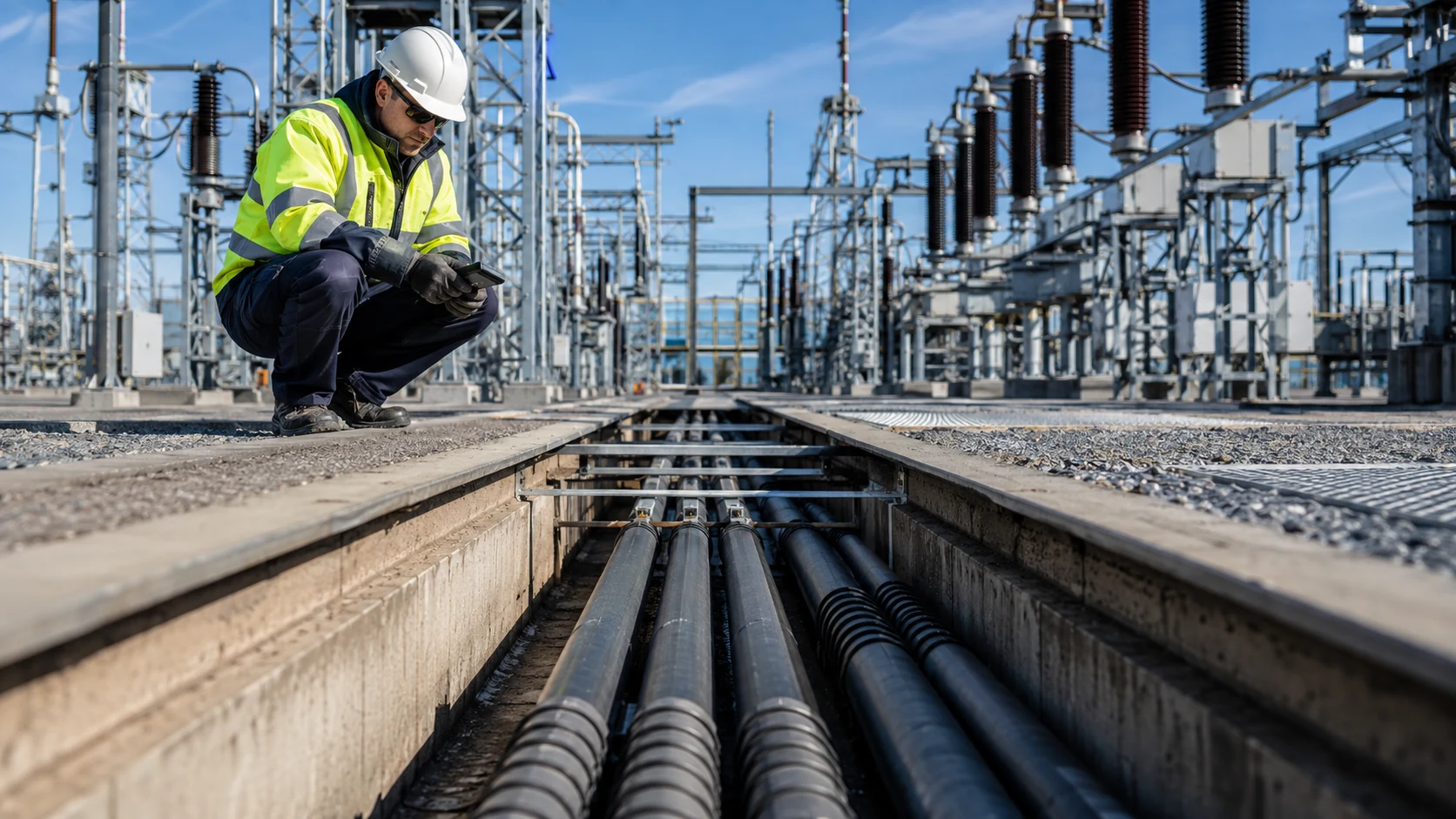
    High-voltage cable systems are increasingly critical to urban grids, renewable-energy connections, offshore wind farms and interconnectors. As power density rises, operators need more than periodic inspections. They need continuous information about where heat is building, whether a cable section is approaching its thermal limit and how loading affects long-term asset health. Distributed Temperature Sensing, or DTS, is one of the most powerful tools for this job.

    How DTS Works Along a Power Cable

    A DTS interrogator launches laser pulses into an optical fiber installed alongside or inside the cable system. Temperature changes affect the characteristics of backscattered light, allowing the system to calculate temperature at thousands of points along many kilometers of fiber. Instead of installing thousands of conventional temperature sensors, the fiber itself becomes a continuous sensing line.

    For power transmission operators, this creates a thermal profile of the complete route. Hot spots can be associated with joints, ducts, crossings, soil conditions, cable trays or other installation features. The key benefit is spatial awareness: the operator does not only know that a circuit is hot, but where the thermal constraint is developing.

    Dynamic Cable Rating

    One of the most valuable uses of DTS is dynamic cable rating. Traditional cable ratings are based on conservative assumptions about ambient conditions and heat dissipation. Real-time thermal data allows operators to estimate how much current can safely be carried under actual conditions.

    This can help utilities increase usable capacity without immediately replacing cables. It can also identify sections where poor thermal conditions are limiting the entire circuit. When combined with load data and thermal models, DTS becomes part of a real-time asset-management system rather than a simple alarm sensor.

    Where DTS Is Used

    Common applications include underground high-voltage cables, subsea export cables, tunnel installations, cable bridges, industrial power networks, data-center feeders and renewable-energy connections. It is especially useful on routes where conventional inspection is difficult or where failure would have severe operational consequences.

    Installation quality matters. The sensing fiber must have a known thermal relationship with the monitored cable. Calibration, route mapping, spatial resolution and integration with SCADA or condition-monitoring platforms all affect the quality of the final system.

    DTS vs Point Temperature Sensors

    Point sensors are valuable where a few specific components need monitoring, but they cannot provide a continuous thermal map. DTS is strongest when the asset is long and distributed. It can reveal unexpected heating between known inspection points and can provide historical temperature data for trend analysis.

    The two approaches are not mutually exclusive. Critical joints may use dedicated sensors while DTS monitors the complete route. A layered design often produces the best result.

    The Future: Combined Fiber-Optic Condition Monitoring

    The next step is combining DTS with other distributed fiber-optic sensing technologies. DAS can detect vibration and acoustic events, while distributed strain sensing can provide information about mechanical stress. Together, these technologies can create a multi-parameter view of cable health.

    For modern power networks, the optical fiber running beside a cable is becoming more than a communications channel. It can act as a continuous digital nervous system for the asset, helping operators improve capacity, detect abnormal conditions earlier and make better maintenance decisions.

    SectechMedia Editorial Note

    DTS should not be treated as a standalone thermometer. Its greatest value appears when thermal data is integrated with electrical load, cable models, alarms and maintenance workflows. In high-value cable systems, that integration can turn raw temperature measurements into actionable infrastructure intelligence.

  • DAS for Railway Monitoring: Train Tracking, Intrusion and Asset Awareness

    DAS for Railway Monitoring: Train Tracking, Intrusion and Asset Awareness

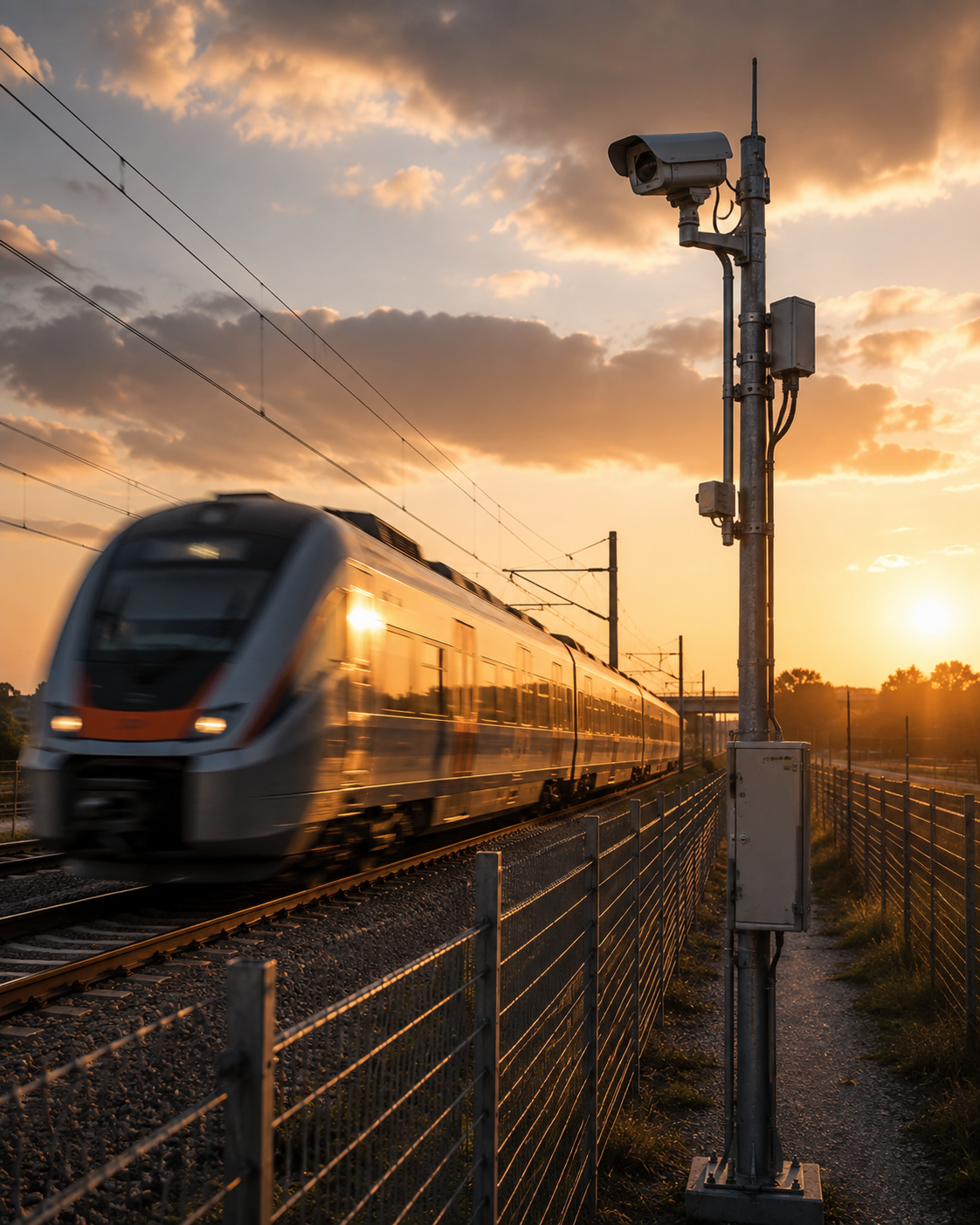
    Rail networks extend across long corridors that are difficult to monitor continuously with cameras and point sensors. Distributed Acoustic Sensing can use a fiber running beside the track to observe vibration along many kilometers from a single interrogator.

    Train detection and tracking A moving train generates a strong and characteristic vibration signature. DAS analytics can estimate its position, direction and speed as the signal moves along the fiber. This creates a distributed view of traffic even where no conventional trackside detector is installed.

    Trackside intrusion Footsteps, vehicles and activity near the railway can produce distinct patterns. A DAS system may help identify trespass, unauthorized maintenance activity or movement in protected areas. The exact detection performance depends on fiber placement, ground coupling and background vibration.

    Infrastructure condition awareness Changes in vibration patterns can also provide clues about track, wheel or infrastructure condition. Repeated measurements can be compared over time to identify unusual behavior. DAS should not be treated as a replacement for certified railway condition-monitoring systems, but it can add a valuable continuous data layer.

    Rockfall and environmental events In suitable installations, distributed sensing can identify ground vibration associated with rockfall, landslides or other events near the track. Combining DAS with weather, geotechnical and camera data can improve situational awareness on vulnerable routes.

    Existing telecom fiber Railways often already have optical fiber installed for signaling and communications. In some cases, spare fibers—or even fibers in existing cable routes—can be used for sensing. This can make large-scale pilots practical without building a new powered sensor network along the entire line.

    Analytics are essential Rail environments contain complex vibration from trains, road crossings, machinery and nearby communities. Event classification must be trained and validated against real local conditions. Alarm thresholds that work on one section of track may not be appropriate elsewhere.

    The broader opportunity is to transform railway fiber from a communications asset into a sensing infrastructure. With the right analytics and integration, the same corridor can support train awareness, intrusion detection, environmental monitoring and condition intelligence over distances that are difficult to cover with conventional sensors alone.

  • DAS for Pipeline Security and Leak Monitoring

    DAS for Pipeline Security and Leak Monitoring

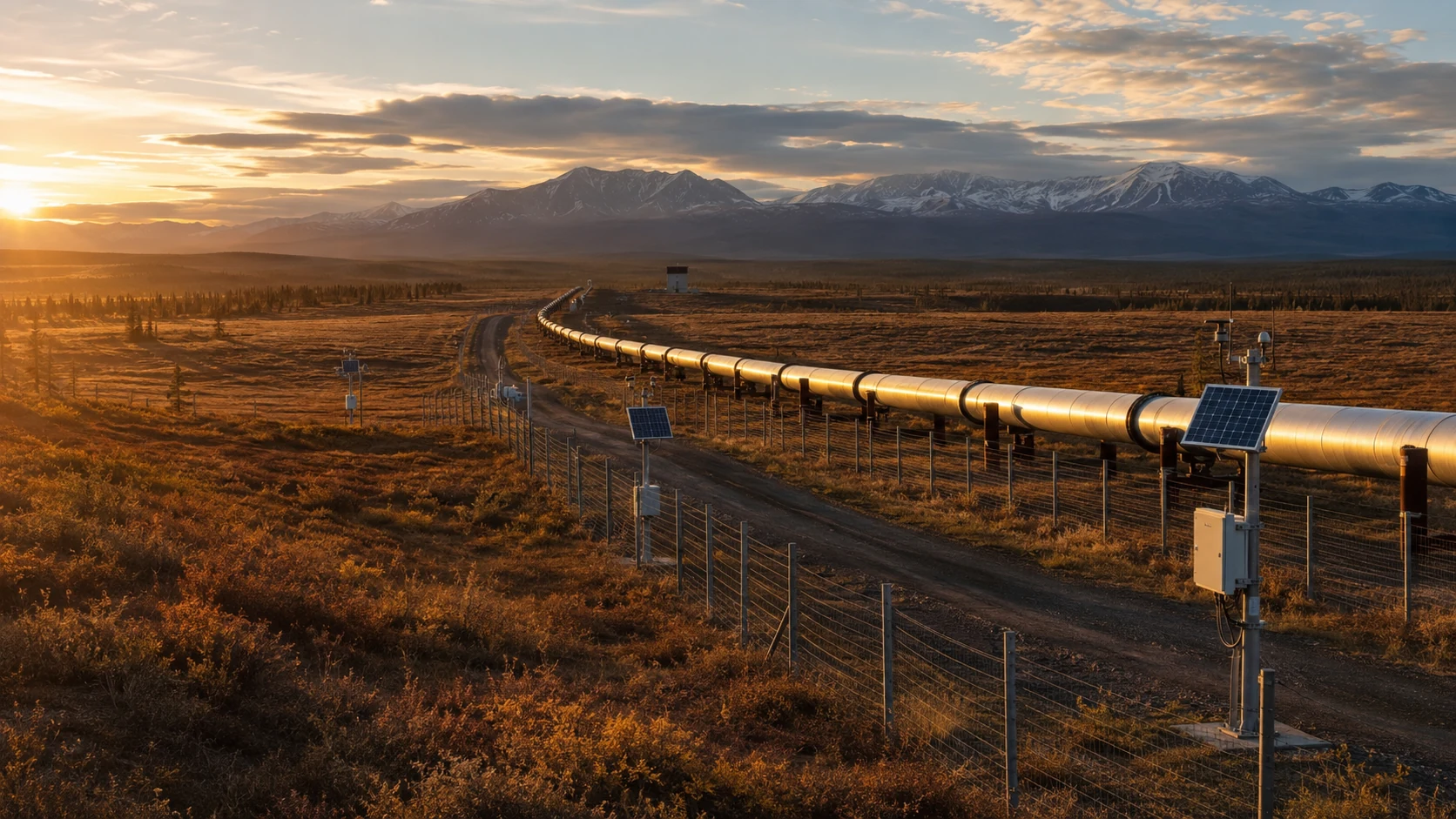
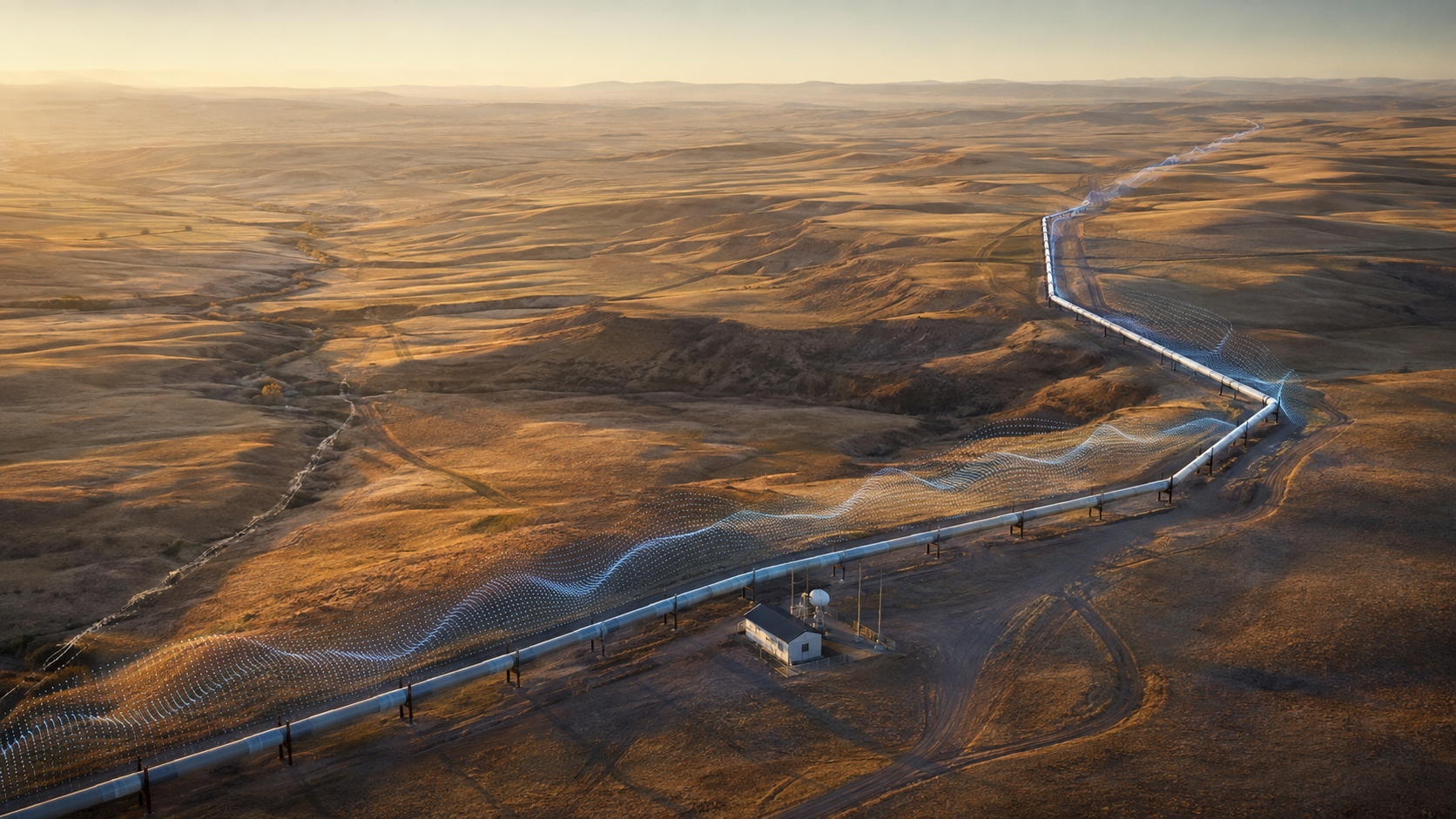
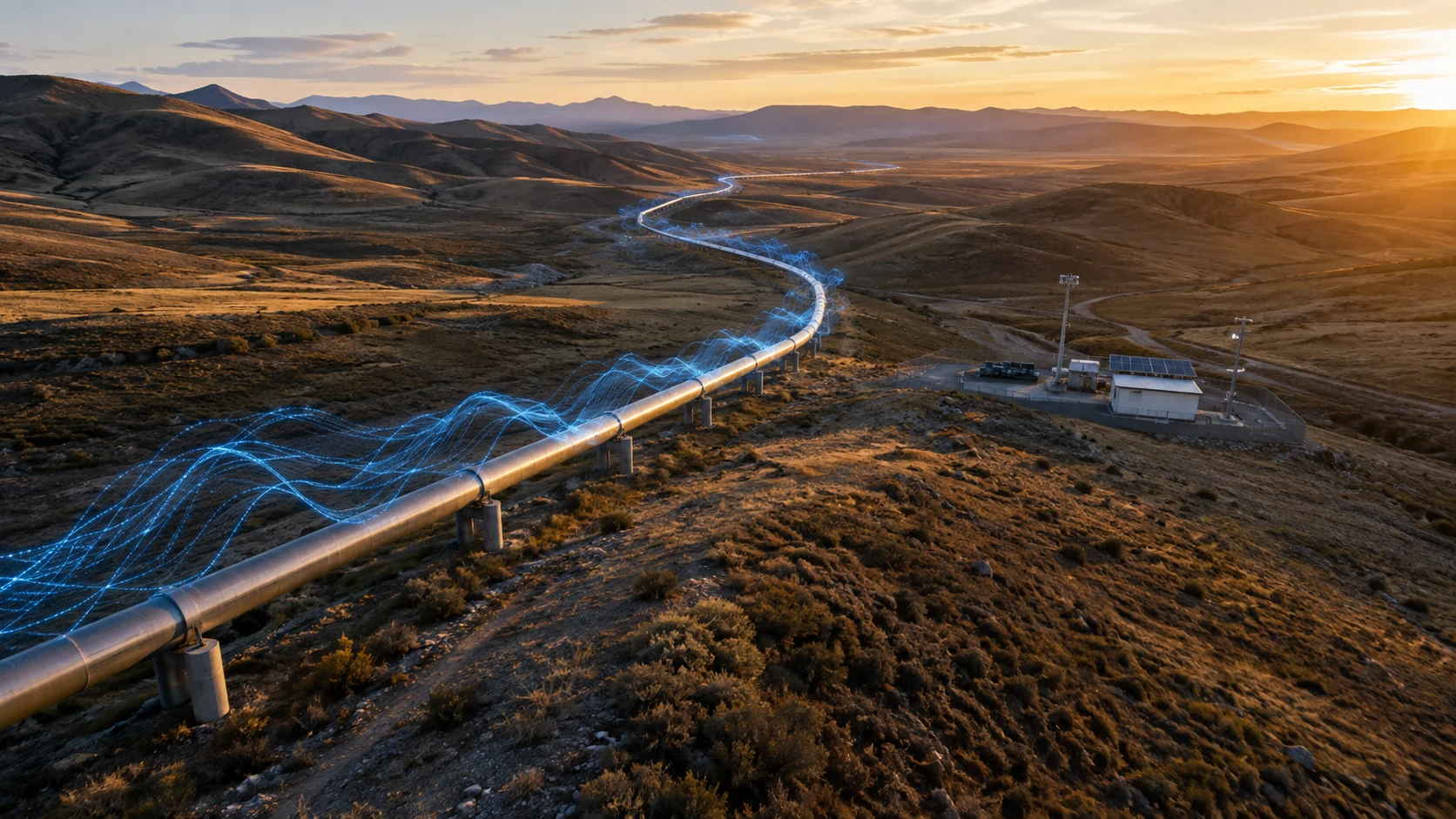
    Pipelines cross long, remote corridors where conventional point sensors and camera systems cannot provide continuous coverage. Distributed Acoustic Sensing offers a different model: a fiber installed along the route becomes a continuous vibration sensor capable of detecting and locating activity over many kilometers.

    Third-party interference Excavation is one of the most important pipeline risks. Digging, drilling, heavy vehicles and machinery create vibration signatures that can be detected before physical contact with the pipe occurs. A DAS system can identify the approximate location and generate an early warning for operators.

    Security applications The same sensing line can detect footsteps, vehicle movement, fence disturbance and other activity near above-ground facilities or rights-of-way. Classification software can distinguish many routine background events from activity that requires attention.

    Leak-related signatures Some leaks create acoustic or mechanical energy that couples into the pipe, surrounding soil or sensing cable. Depending on pipeline type, pressure, product, soil and cable installation, DAS can contribute to leak detection. It should not automatically be assumed to replace pressure, flow, mass-balance or other leak-detection methods; the strongest architecture often combines multiple independent indicators.

    Fiber placement and coupling Performance depends heavily on where and how the fiber is installed. A cable close to the pipeline and well coupled to the surrounding soil will respond differently from a telecom cable located farther away. Existing fibers may still be useful, but site testing is essential.

    Event classification Raw DAS data contains large amounts of vibration information. Analytics convert this data into operational categories such as excavation, vehicle, walking or background noise. Models need representative field data because soil, pipe construction, road traffic and industrial machinery vary from site to site.

    Integration with pipeline operations High-value alerts should be mapped into GIS and SCADA or security platforms so operators can see the event location, nearby assets and other sensor information. Cameras or patrol teams can then verify the alarm.

    DAS is particularly compelling for pipelines because one passive fiber can cover distances that would otherwise require thousands of powered field devices. Its greatest value is early, localized awareness: identifying potentially dangerous activity while there is still time to investigate and intervene safely.

    For further technology context, see FOTAS distributed fiber sensing and SAMM.