

Category: Video Surveillance & Imaging

Cameras, video management software (VMS), AI video analytics and imaging technologies used to monitor and secure physical spaces.

  • Axis Communications Unveils Next-Generation Security Products at Intersec Dubai 2026

    Axis Communications Unveils Next-Generation Security Products at Intersec Dubai 2026

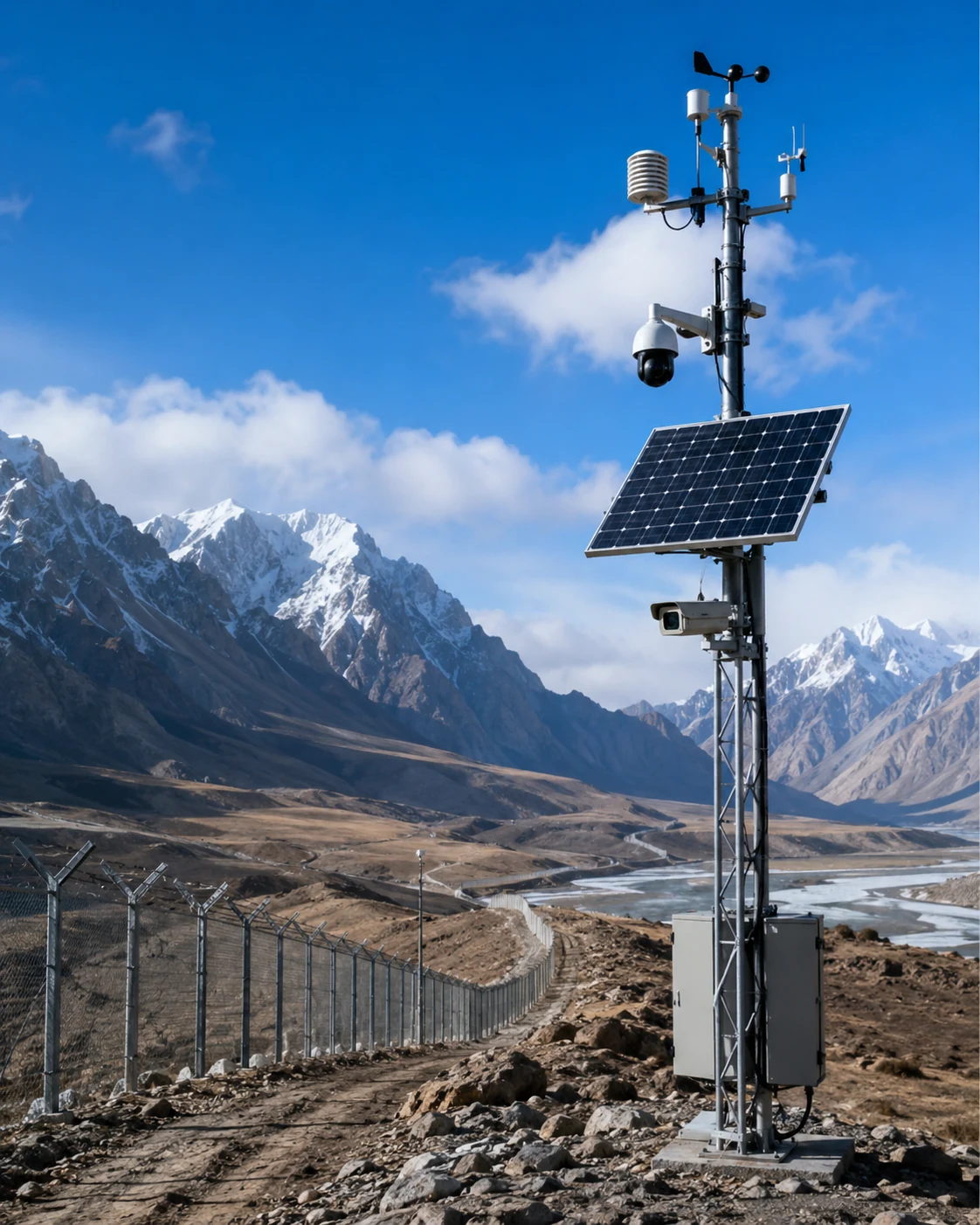
    January 12, 2026 — Axis Communications introduced its next generation of intelligent security products, built around its ARTPEC-9 system-on-chip, at Intersec Dubai 2026.

    What happened

    The ARTPEC-9 chip underpins improved AI-powered analytics, sharper detection of smaller objects, stronger on-device cybersecurity and support for the AV1 video-encoding standard, which reduces bandwidth and storage requirements compared with earlier codecs. Axis said additional ARTPEC-9-based cameras, including bispectral and thermal models, would reach distribution through 2026.

    Why it matters

    Moving more AI analytics processing onto the camera chip itself, rather than a central server, reduces bandwidth needs and can improve response latency for detection-based alerts, a design direction most major video-surveillance manufacturers are now pursuing in parallel.

    Security and infrastructure impact

    As edge-AI camera chips become standard across major manufacturers, buyers evaluating video-surveillance systems should weigh on-device analytics accuracy and cybersecurity hardening as core purchasing criteria rather than treating them as premium add-ons.
    Sources

    ← Back to Technology News

  • CBP’s Nationwide Biometric Entry/Exit Rule Takes Effect

    CBP’s Nationwide Biometric Entry/Exit Rule Takes Effect

    December 26, 2025 — A DHS final rule expanding US Customs and Border Protection’s facial-biometric entry/exit program to all foreign travelers took effect at every US airport, seaport and land crossing.

    What happened

    The rule authorizes CBP to collect facial biometrics from non-citizens on both entry and exit, extending collection to new departure modes including sea exit, private aircraft, vehicle crossings and pedestrian exit. It also removed prior exemptions for children under 14, adults over 79, and most Canadian and diplomatic travelers. CBP said full implementation across all commercial airports and seaports would take an additional three to five years, while separately piloting opt-in biometric e-gates for US citizens.

    Why it matters

    This is one of the largest expansions of mandatory biometric data collection at US borders to date, meaningfully broadening the population and travel scenarios subject to facial-recognition screening compared with the program’s earlier, narrower entry-focused scope.

    Security and infrastructure impact

    Airports, seaports and land-border facilities implementing the expanded program need updated e-gate hardware, network capacity and data-handling procedures, while the removal of prior age-based exemptions raises fresh questions about biometric data collection from populations previously excluded.

    Sources

    ← Back to Technology News

  • CLEAR Launches Biometric eGate Pilot Ahead of the 2026 FIFA World Cup

    CLEAR Launches Biometric eGate Pilot Ahead of the 2026 FIFA World Cup

    August 19, 2025 — CLEAR announced the launch of biometric “eGates” at select US airports, part of a broader push to modernize airport security screening ahead of the 2026 FIFA World Cup.

    What happened

    Hartsfield-Jackson Atlanta, Ronald Reagan Washington National and Seattle-Tacoma were the first airports to deploy CLEAR’s eGates, allowing enrolled members to verify their identity through facial biometrics in under five seconds while TSA retained operational control of the underlying security process.

    Why it matters

    Framing the rollout explicitly around a named global event gave the deployment a hard deadline, illustrating how large sporting events increasingly function as forcing functions for accelerating adoption of biometric security infrastructure at national scale.

    Security and infrastructure impact

    The pilot set the template for a wider wave of biometric eGate rollouts across major US airports over the following year, a trend SectechMedia has tracked as it expanded through early 2026.

    Sources

    ← Back to Technology News