
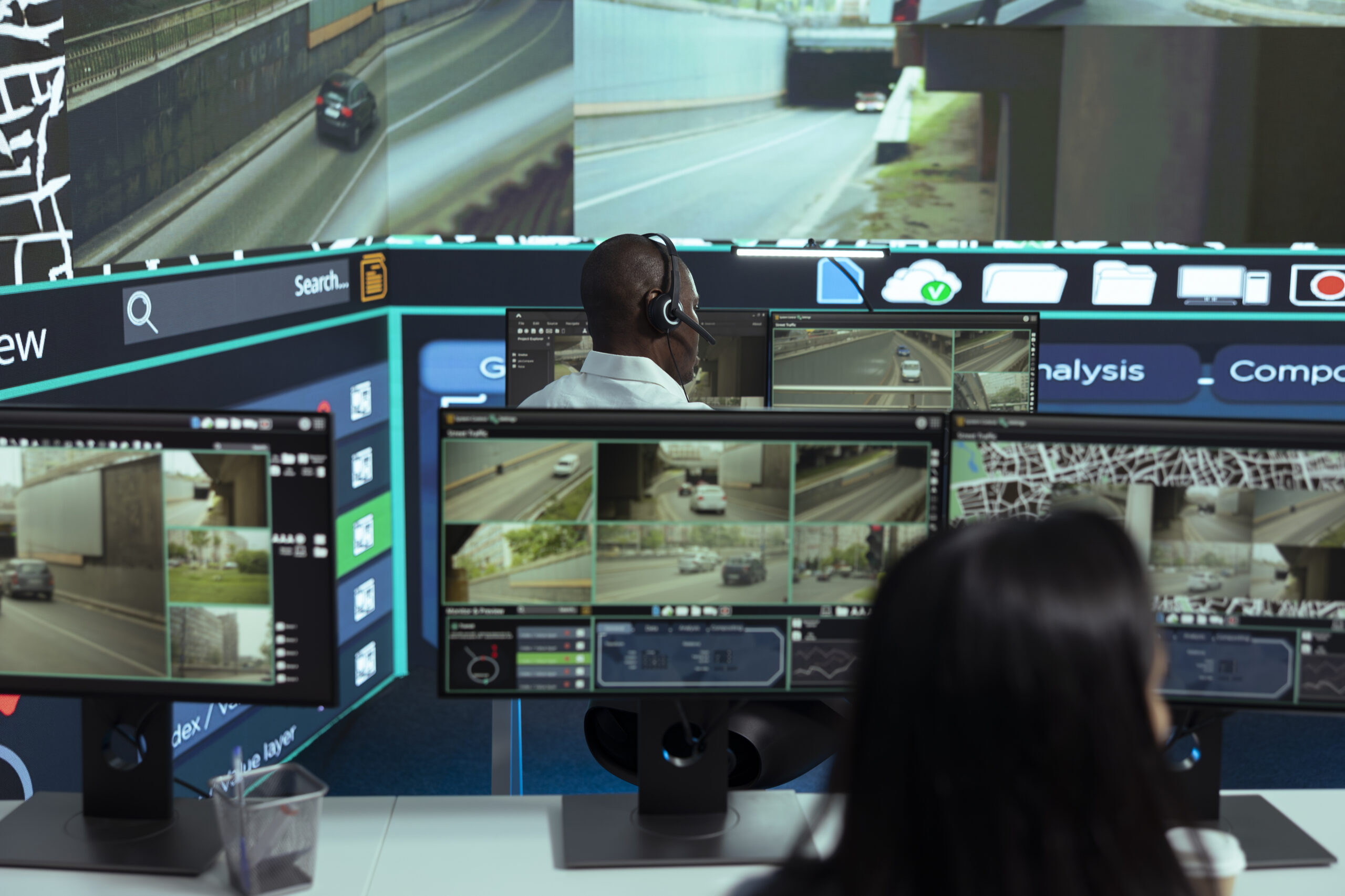
Cold storage warehouses and cold-chain logistics hubs sit at an intersection of two demands that are often in tension: they hold inventory — pharmaceuticals, vaccines, food and other perishables — that is frequently high-value and time- or temperature-sensitive, while the operating environment itself, with sustained sub-zero temperatures, condensation and rapid humidity swings at loading interfaces, is hostile to standard security equipment.
Equipment Built for Sub-Zero and High-Humidity Conditions
Cameras, access-control readers and sensors installed inside freezer and cold-storage zones require cold-rated or explosion-proof-style enclosures depending on the specific hazard profile, along with heater elements in some cases to prevent lens fogging and condensation that would otherwise degrade image quality. Equipment rated only for standard indoor environments tends to fail prematurely in these conditions, which has made environmental equipment rating a first-order procurement criterion in this vertical rather than a secondary consideration.
Temperature Integrity as a Security Concern, Not Just a Quality Concern
Unlike most warehousing, where a security failure primarily threatens theft or damage, a cold-chain breach — a door left open, a deliberate tamper with refrigeration controls, or an unauthorized change to a temperature setpoint — can destroy the value of an entire shipment even without any product being physically removed. This has led many cold-chain operators to integrate temperature-monitoring and door-status sensors directly into the same alarm and access-control platform used for conventional intrusion detection, rather than treating temperature monitoring as a separate facilities function.
Access Control at the Loading Interface
Dock Door Security
Loading docks are the primary point where the temperature-controlled environment interfaces with the outside world, and where theft risk is typically highest given the volume of product movement. Dock-door sensors correlated with access-control and shipment data help identify whether a door opening corresponds to an authorized, scheduled load or an unscheduled event.
Product-Level Traceability
Many cold-chain operations, particularly pharmaceutical distribution, use lot- and pallet-level tracking that intersects with security in that unexplained gaps in the chain of custody — not just physical breach of the facility — can indicate diversion or tampering, making inventory-tracking data a security signal in addition to a logistics one.
Personnel Cold-Exposure Limits Shape Guarding Models
Sustained human presence inside deep-freeze zones is limited by workplace safety rules on cold exposure, which constrains how much continuous physical guarding or foot patrol can realistically occur inside the coldest zones of a facility. This is one of the more distinctive drivers, relative to other warehouse types, of heavier reliance on remote video monitoring and automated sensor coverage rather than human patrol inside the most extreme-temperature areas.
FAQ
Why can’t standard security cameras be used inside a freezer warehouse?
Standard cameras are not designed for sustained sub-zero operation and are prone to lens fogging from condensation when moving between temperature zones. Cold-rated, heated enclosures are generally required to maintain reliable image quality and equipment lifespan.
Is a temperature excursion treated as a security incident?
In many cold-chain operations, yes. Because a temperature excursion can destroy an entire shipment’s value, unauthorized changes to refrigeration settings or unexplained door openings affecting temperature-controlled zones are increasingly treated as security events, not purely as a facilities or quality-control issue.
Conclusion
Cold storage and cold-chain logistics security has to solve two problems at once: protecting valuable, sensitive inventory, and keeping security equipment itself functioning reliably in an environment that actively works against standard hardware. That combination has pushed the sector toward environmentally hardened equipment and tightly integrated temperature-and-security monitoring platforms.
Leave a Reply