
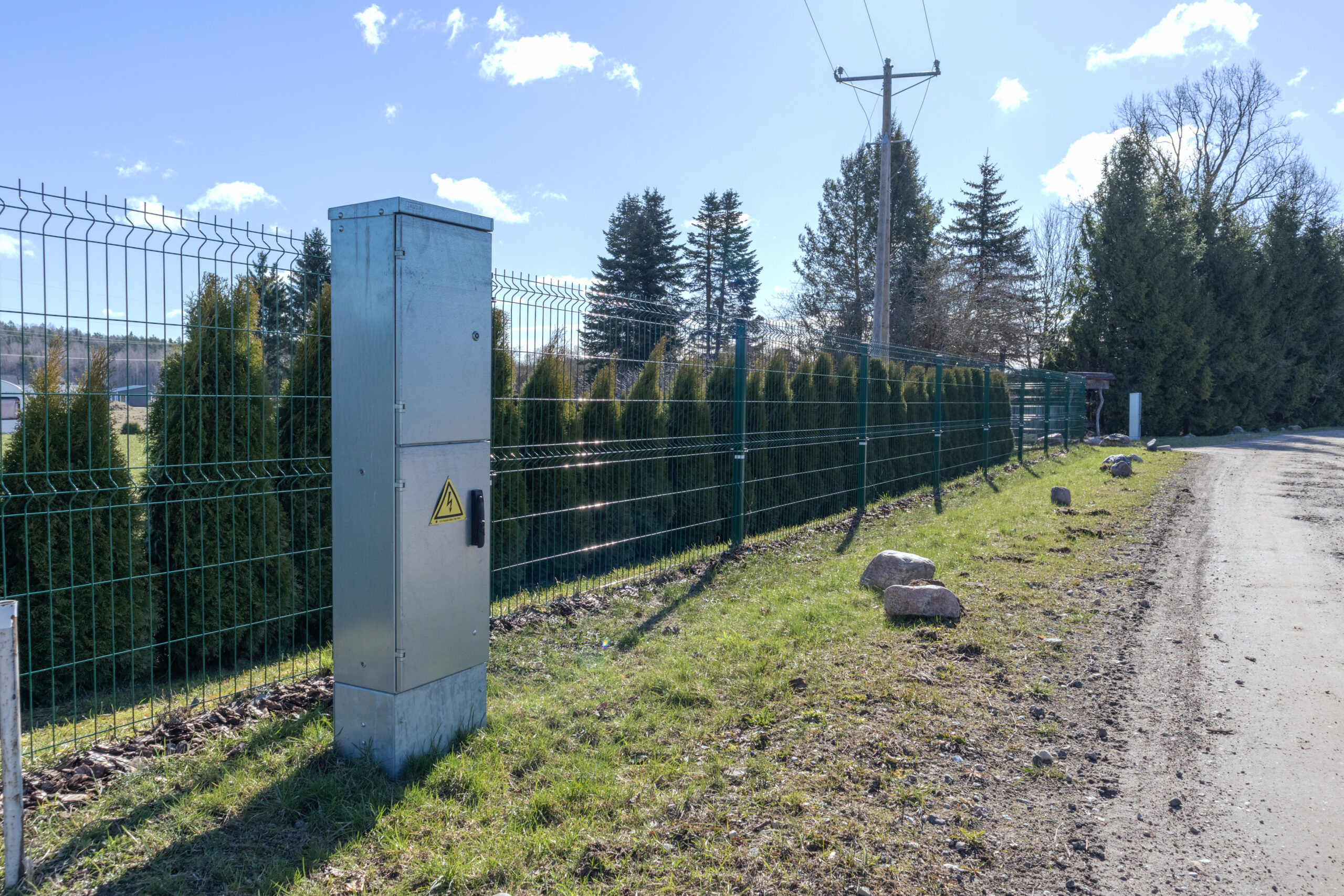
Public electric-vehicle charging infrastructure has expanded rapidly enough that it now represents a meaningful category of unattended, grid-connected, payment-processing equipment sited in open public locations — a combination of characteristics that draws on utility security, payment-card security and public-space asset protection simultaneously, without fitting neatly into any single existing security category.
Physical Protection of Unattended Outdoor Hardware
Charging stations are typically installed in parking lots, along roadsides and in other publicly accessible outdoor locations with no on-site attendant, exposing the equipment to vandalism, cable theft and tampering. Bollards and vehicle barriers to prevent impact damage, tamper-evident enclosures, and cameras covering charging bays are common baseline protections, similar in concept to the equipment-protection measures used for other unattended public-facing utility assets such as ATMs.
Cable Theft and Copper Value
Charging cables contain copper conductors with resale value on the scrap-metal market, which has made cable theft a recurring operational problem for charging-network operators in some regions. Responses include cable-retention hardware, tamper alarms on the charging connector housing, and network-level monitoring that flags when a charger goes offline outside of a scheduled maintenance window, since a sudden fault can indicate cable theft or vandalism rather than an equipment failure.
Payment and Network Cybersecurity
Point-of-Sale and Payment Card Data
Charging stations that accept payment cards directly are subject to the same payment-card data-security obligations as any other point-of-sale device, and card-skimmer tampering — long a concern at fuel pumps and ATMs — has emerged as an analogous risk at charging terminals with card readers.
Grid and Network-Connected Control Systems
Networked chargers communicate with backend management platforms to handle billing, load balancing and remote diagnostics, and in some deployments participate in demand-response programs that adjust charging rates based on grid conditions. This network connectivity extends the security perimeter from the physical charger to the operator’s backend systems and, in aggregate, to the electric grid itself, making network segmentation and secure remote-management protocols a core part of the security architecture rather than an afterthought.
Siting and CPTED Considerations
Because charging sessions can take anywhere from minutes to hours, drivers may be away from their vehicle or waiting in a relatively exposed location for an extended period, which has led site designers to apply Crime Prevention Through Environmental Design (CPTED) principles — adequate lighting, natural surveillance and visibility from adjacent buildings or roadways — when selecting charging-station locations, alongside the electrical and traffic-flow criteria that traditionally drive site selection.
FAQ
Why is cable theft a bigger issue for EV chargers than for most other outdoor equipment?
Charging cables use heavy-gauge copper conductors that have direct resale value as scrap metal, giving them a theft incentive that most other outdoor public infrastructure components do not carry to the same degree.
Are EV charging stations considered part of critical infrastructure?
Individual charging stations are not typically classified as critical infrastructure on their own, but as charging networks scale and participate in grid demand-response programs, their aggregate cybersecurity posture increasingly intersects with broader electric-grid security concerns.
Conclusion
EV charging infrastructure security blends unattended-asset protection, payment security and grid-connected OT concerns into a single, still-maturing category. As charging networks continue to scale, the sector is converging on practices borrowed from ATM security, retail payment-card protection and utility cybersecurity rather than developing an entirely new discipline from scratch.
Leave a Reply