
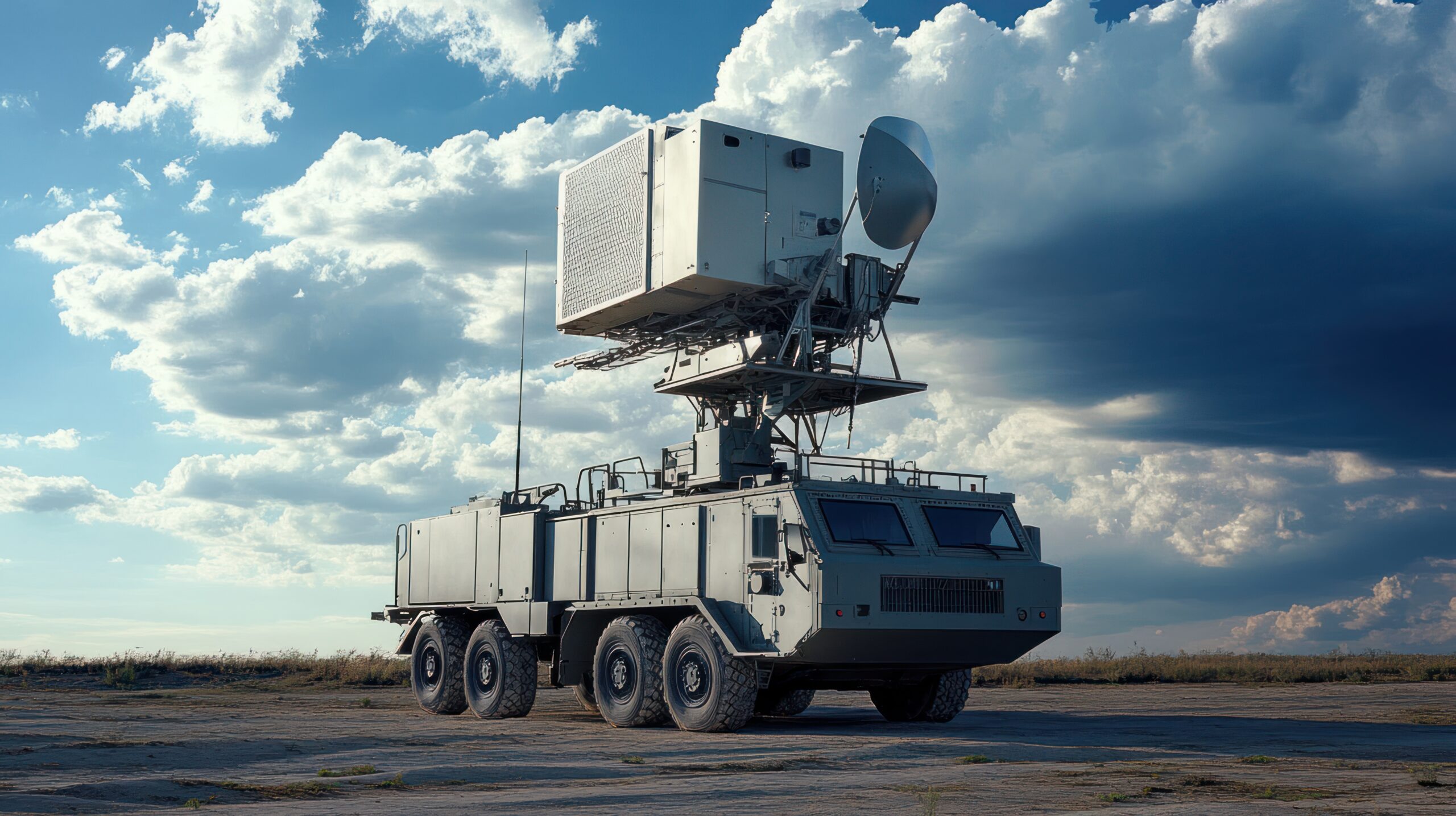
Lockheed Martin demonstrated a prototype AI-driven battle management system for the Guam Defense System (GDS) on August 26, 2026, showing how artificial intelligence analytics can compress the time it takes to detect, evaluate, and respond to air and missile threats in a simulated Guam operational environment.
The prototype, called the GDS Battle Manager Suite, networks data from multiple Integrated Air and Missile Defense (IAMD) systems slated for deployment to Guam, including Aegis Guam and the Integrated Battle Command System (IBCS), into a single tactical picture. Powered by Lockheed Martin’s CommandIQ software, the system applies AI analytics to assess incoming tracks and generate fire-direction recommendations for human operators.
From Request to Demonstration in Under Two Months
The U.S. Army issued a call for a GDS Battle Manager Suite solution in June 2026. Lockheed Martin was invited to a Phase 2 evaluation at the Army Tactical Systems Integration Laboratory at Fort Bliss, Texas, where the company said its prototype was integrated and met demonstration requirements within 24 hours of arrival on site.
Traditional IAMD battle management has relied on operators manually correlating information across documents, voice channels, and text messages — a process that is time-consuming and prone to error under the compressed timelines of a missile engagement. By automating that correlation and applying algorithmic shot selection informed by extensive simulation data, Lockheed Martin says the system is designed to give operators machine-speed decision support while helping preserve high-cost interceptor inventories.
Part of a Broader Command-and-Control Push
The Guam prototype follows related software-based command-and-control integration work Lockheed Martin performed during the Valiant Shield 2026 exercise, which the company has cited as evidence that capabilities developed across different programs and vendors can be connected rapidly to meet emerging operational requirements — a recurring theme as the Pentagon pushes for faster, more interoperable air and missile defense architectures across the Indo-Pacific.
Guam’s defense architecture has been a focus of U.S. missile defense investment for several years given the island’s strategic role as a forward operating location. Layering AI-assisted battle management on top of existing sensor and interceptor networks is intended to help defenders manage a more complex and saturated threat picture without proportionally increasing the number of personnel required to operate it.
Leave a Reply