Physical security is the combination of people, procedures, architecture, and technology used to protect people, facilities, operations, and assets from physical threats. It spans far more than cameras and access cards. A complete strategy can include site planning, fences, gates, lighting, intrusion detection, vehicle barriers, secure doors, glazing, ballistic-resistant assemblies, surveillance, communications, and trained response.
The central design principle is layering. No single fence, sensor, lock, or rated material can address every threat. Effective protection uses complementary measures to deter an adversary, detect activity, delay progress, support assessment, and enable a proportionate response.
Begin with risk, not equipment
The U.S. Interagency Security Committee’s Risk Management Process frames facility protection around determining the facility’s security level, identifying risks, and selecting appropriate countermeasures. The same logic applies outside federal facilities: define what must be protected, identify credible threats and vulnerabilities, assess consequences, and then select measures that reduce risk to an acceptable level.
A warehouse, data center, hospital, school, airport, power substation, and public venue require different designs. The objective is not to maximize visible hardware. It is to create a defensible system whose detection, delay, and response times work together.
Site boundaries, fences, and controlled approaches
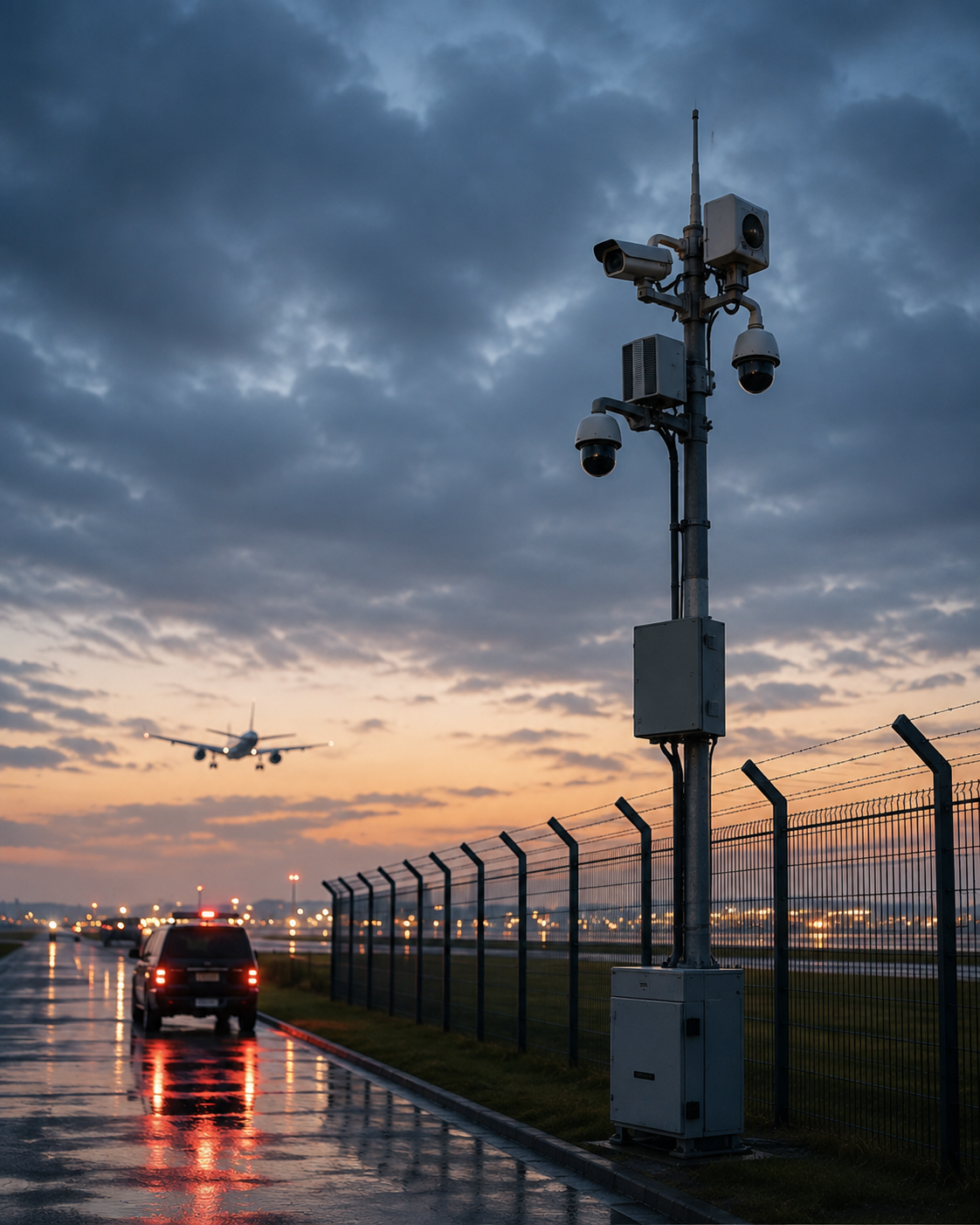
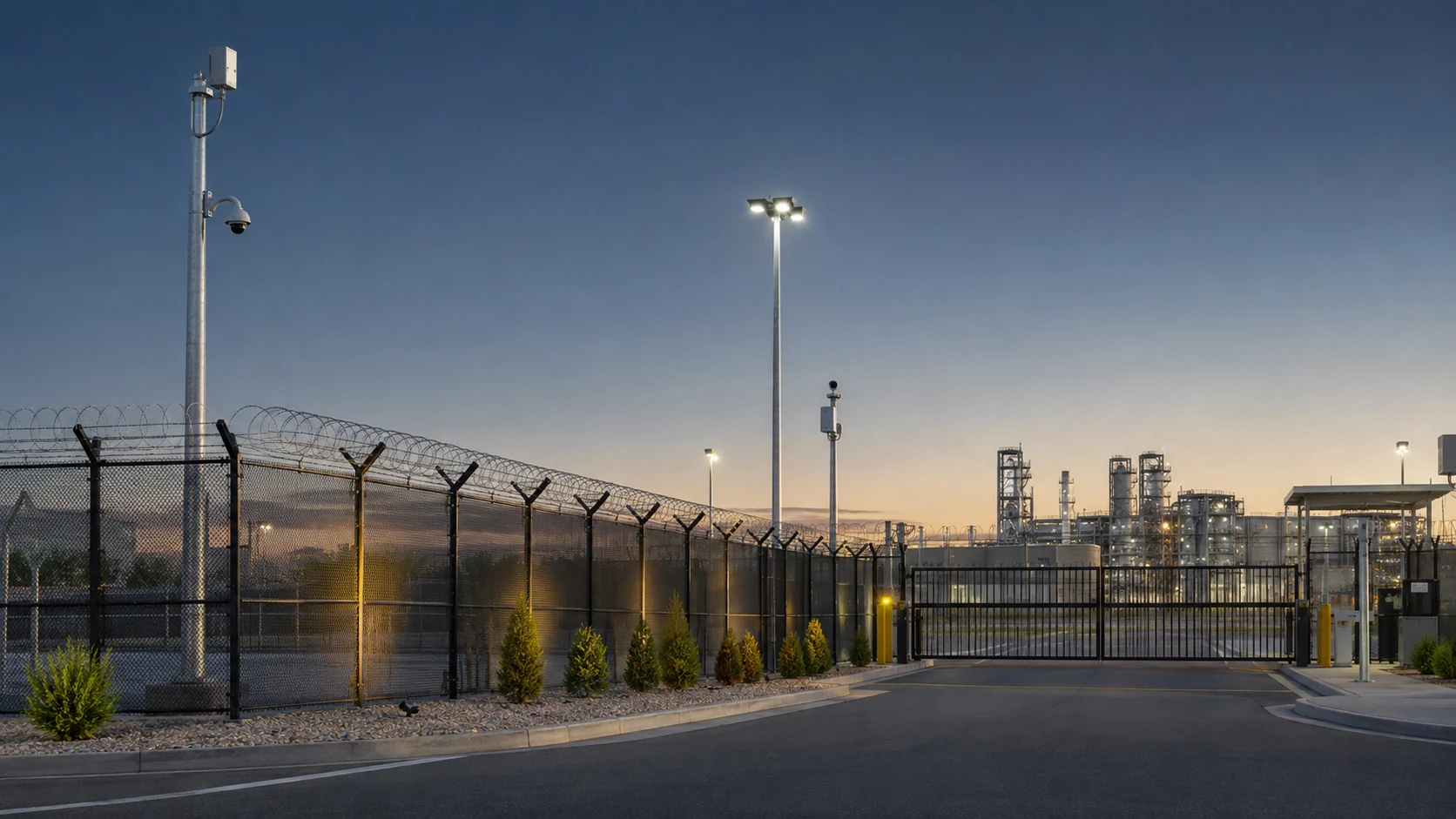
Fences establish a boundary, channel movement, and can provide delay, but their performance depends on height, construction, foundations, gates, nearby climb aids, terrain, and inspection. The design should also preserve sightlines where surveillance and patrols need them. Landscaping, signage, and lighting can reinforce the boundary without creating concealment or unnecessary hazards.
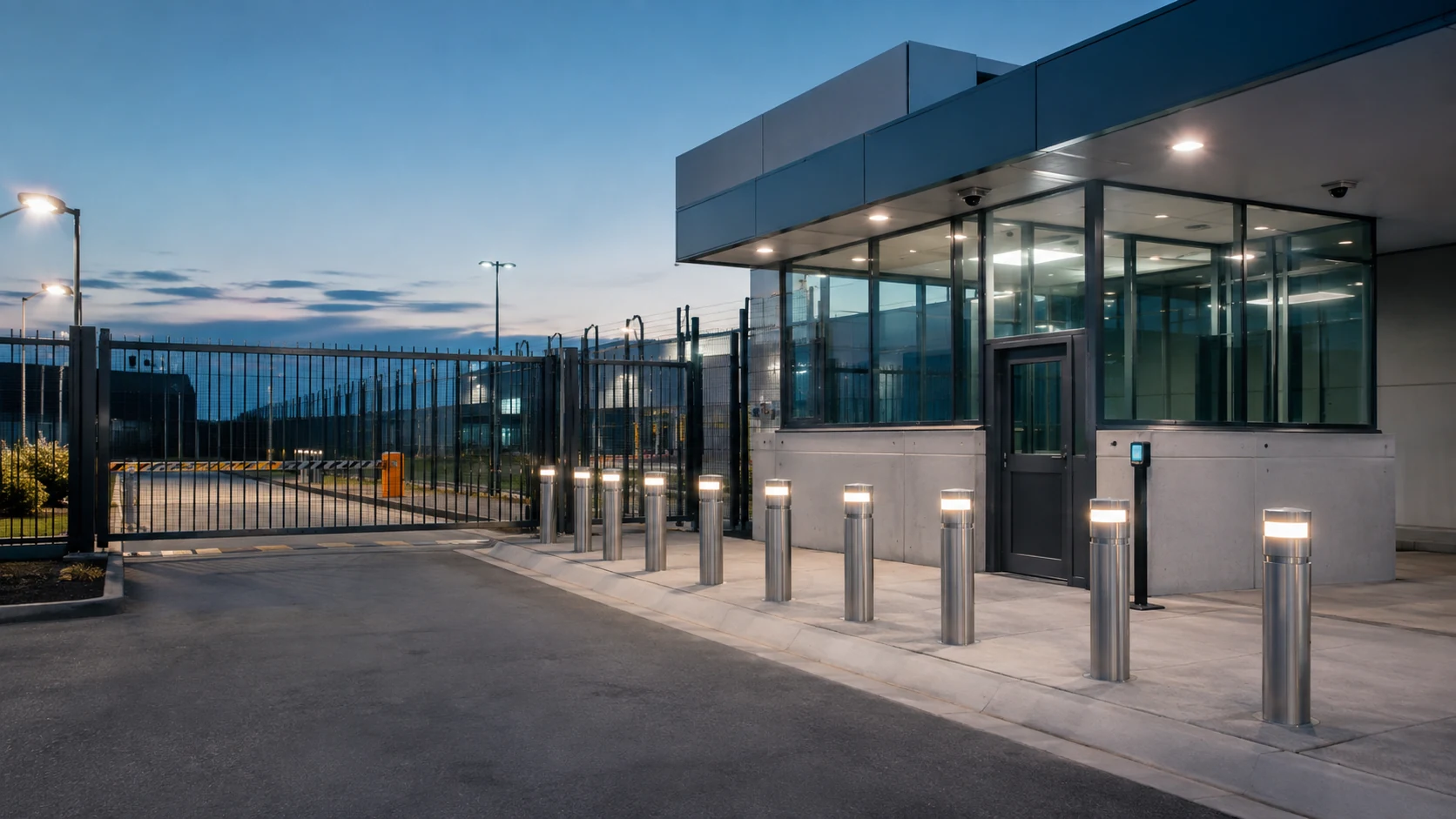
Gates are often more vulnerable than the fence line because they must support routine vehicle and pedestrian flow. Their locking, monitoring, safety controls, credentialing, and emergency operation should be treated as part of the security system rather than as standalone mechanical products.
Vehicle barriers and hostile-vehicle mitigation
Bollards, road blockers, wedges, gates, planters, reinforced street furniture, and landscape features can help keep unauthorized vehicles away from people or critical structures. The appropriate solution depends on the threat vehicle, approach geometry, available stand-off distance, traffic operations, emergency access, accessibility, drainage, utilities, and foundation conditions.
Crash performance must be supported by the relevant test standard and rating for the intended scenario. ASTM F2656 addresses vehicle security barriers for medium-duty and heavy vehicles, while ASTM F3016 covers low-speed vehicle impact testing. A rating is not a universal promise: installation details, foundations, site geometry, and tested configuration matter.
Doors, locks, access control, and compartmentation
The building envelope continues the layered system. Doors, frames, hinges, glazing, locks, and surrounding construction should be considered as an assembly. A high-security lock installed in a weak door or frame does not create a high-security opening. Access control adds identity, authorization, event records, and centralized management, but mechanical egress, fire safety, fail-safe or fail-secure behavior, and emergency procedures remain essential.
Inside a facility, zoning and compartmentation restrict movement after the outer boundary has been crossed. Critical rooms may need stronger construction, two-factor access, anti-tailgating measures, monitored doors, or local response procedures based on risk.
Intrusion detection, surveillance, and assessment
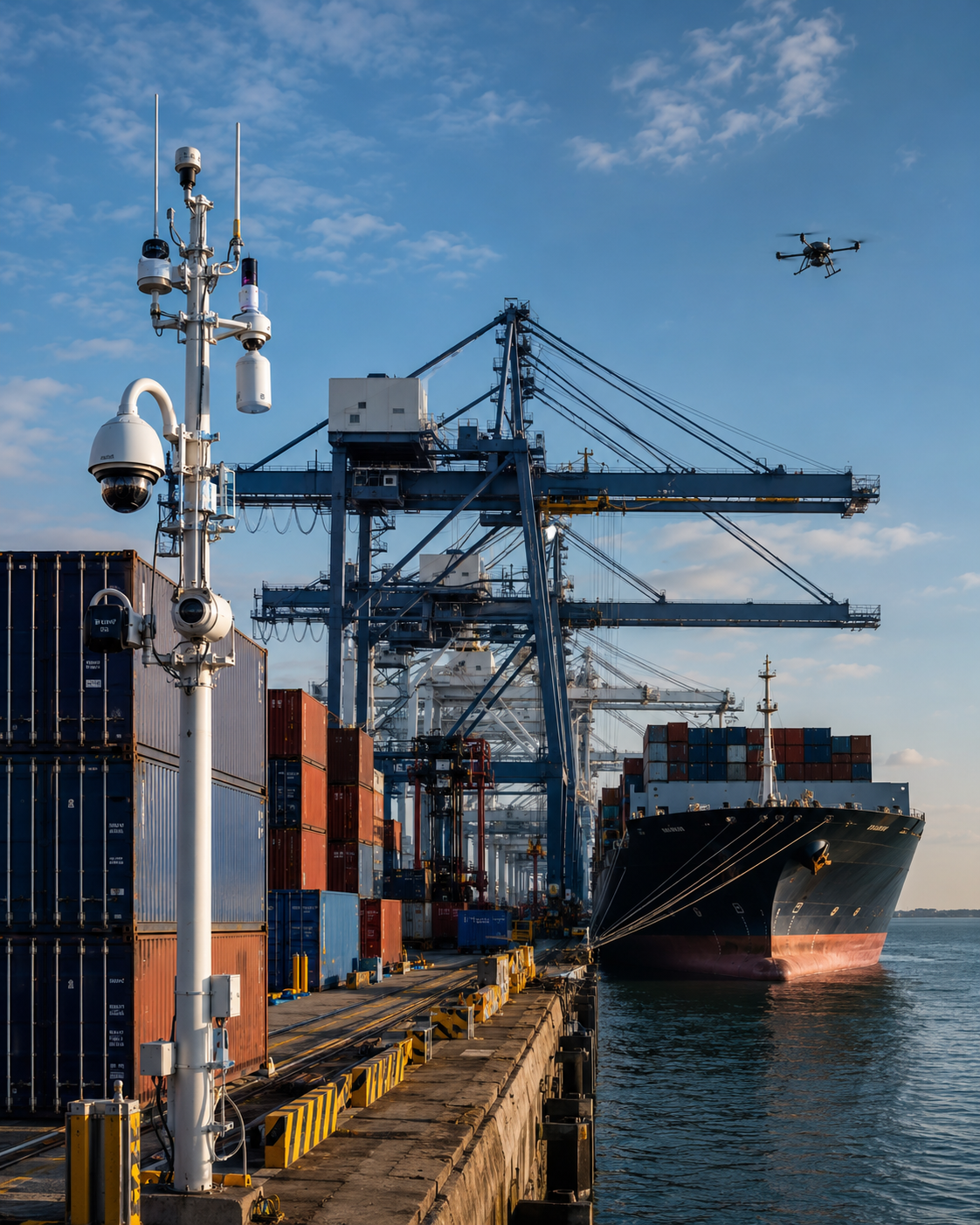
Detection technologies can include fence-mounted sensors, buried sensors, magnetic contacts, motion detectors, radar, thermal cameras, visible-light cameras, and distributed fiber optic sensing. Each responds to different physical phenomena and environmental conditions. Combining independent sensing modes can improve confidence, but only if alarm logic and operator workflow are designed to avoid overload.
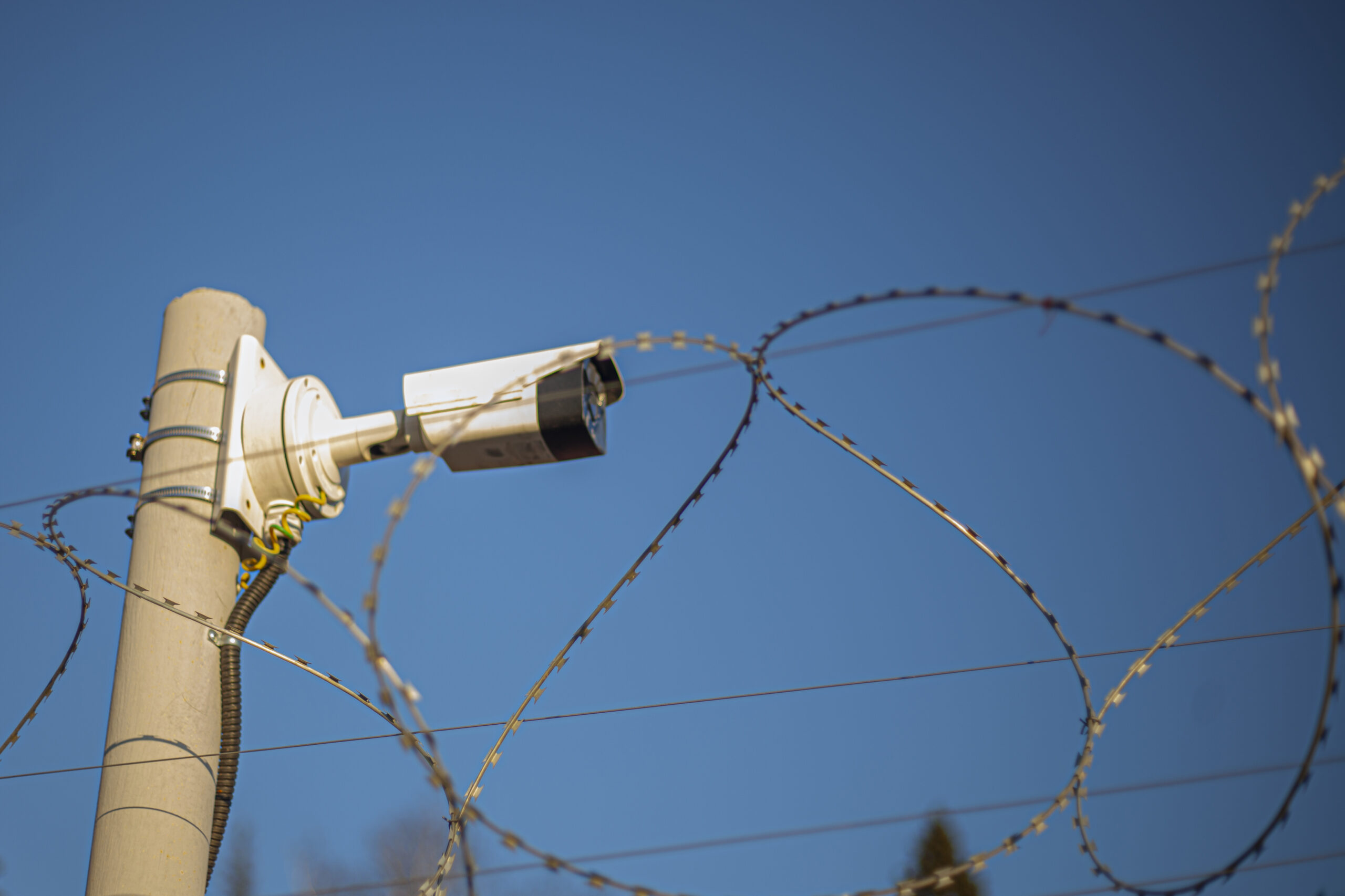
Surveillance supports assessment and investigation. It should be designed around operational tasks: detect a person or vehicle, recognize activity, identify a subject where lawful and necessary, verify an alarm, or reconstruct an event. Camera placement, lighting, field of view, pixel density, retention, cybersecurity, and operator workload are more important than simply maximizing camera count.
Ballistic-resistant protection
Ballistic-resistant glazing, opaque panels, doors, frames, transaction windows, and guard enclosures are used where a threat assessment identifies a firearms risk. The protection must be specified as a tested assembly for the relevant threat, not by vague labels such as “bulletproof.” UL 752 is one established standard for bullet-resisting equipment. NIJ Standard 0108.01 addresses ballistic-resistant protective materials, although project teams should confirm whether a newer or jurisdiction-specific requirement applies.
Material selection alone is insufficient. Joints, frames, penetrations, mounting, supporting construction, spall behavior, visibility, weight, fire performance, and egress can determine whether the installed system performs as intended. Field modifications that differ from a tested construction require careful engineering review.
Blast, forced-entry, and related threats
Ballistic resistance, forced-entry resistance, and blast resistance are different performance requirements. A product tested for one should not be assumed to satisfy the others. Blast design may involve stand-off distance, structural response, façade and glazing behavior, fragment hazards, and progressive-collapse considerations. Forced-entry design focuses on resisting tools, impact, and sustained attack for a defined period. Where these hazards are credible, qualified specialists should translate the risk assessment into tested performance requirements.
People, procedures, and response
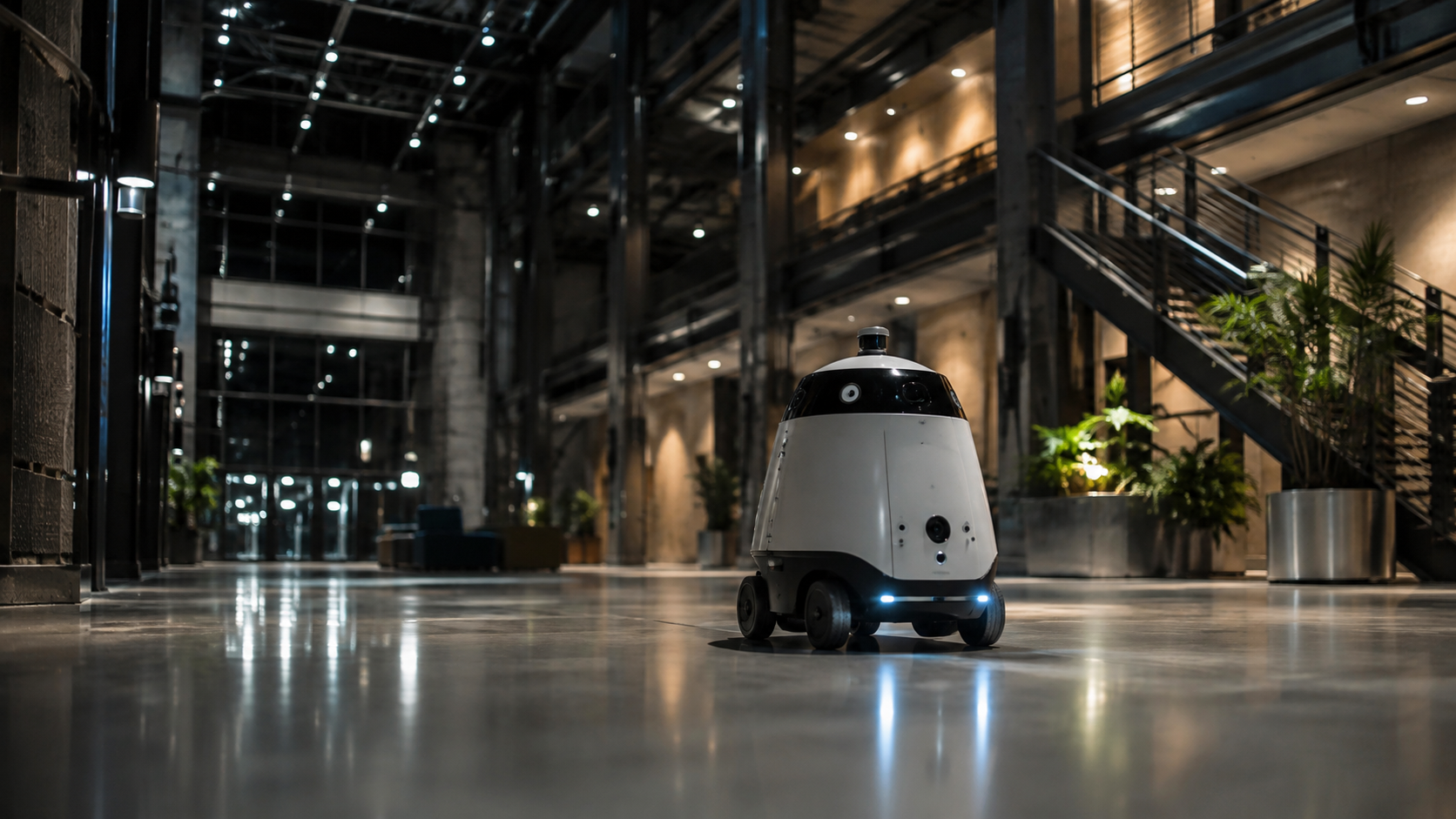
Technology cannot compensate for an undefined response. Alarm ownership, escalation, communications, guard deployment, law-enforcement coordination, visitor management, key and credential control, maintenance, and drills are part of the physical security system. CISA’s physical-security guidance repeatedly emphasizes understanding risk, planning, training, and layered protective measures.
A useful timing model compares adversary progress with detection, assessment, communication, and response. Delay measures are valuable when they create enough time for a reliable response; delay without detection may simply postpone an unnoticed intrusion.
Design and procurement checklist
- Define assets, threats, vulnerabilities, consequences, and operational constraints.
- Map public, controlled, restricted, and critical zones.
- Coordinate architecture, security, fire safety, accessibility, and emergency egress.
- Specify tested performance standards and the exact configurations required.
- Integrate detection, assessment, communications, and response procedures.
- Protect networked security devices and management platforms from cyber compromise.
- Commission the installed system with realistic tests, including degraded and emergency modes.
- Inspect, maintain, audit, and update the design as threats and operations change.
FAQ
Is a tall fence enough to secure a site?
No. A fence can define a boundary and add delay, but gates, terrain, climb aids, surveillance, detection, lighting, inspection, and response determine the effectiveness of the perimeter.
What is the difference between ballistic-resistant and blast-resistant construction?
Ballistic resistance addresses projectile threats; blast resistance addresses pressure, impulse, fragments, and structural response. They require different tests and engineering.
Do crash-rated bollards work in every installation?
No. The tested barrier configuration, foundation, spacing, approach conditions, utilities, and installation quality all matter. The selected rating must match the design threat.
Should security doors fail safe or fail secure?
That decision depends on life-safety codes, occupancy, threat, operational requirements, and emergency procedures. Egress must never be treated as an afterthought.
Conclusion
Physical security works as a system of layers rather than a catalog of products. Fences, barriers, doors, sensors, surveillance, and ballistic-resistant assemblies each have a role, but their value depends on risk-based selection, tested performance, integration, and a credible human response. The strongest design is the one that protects the mission while preserving safety, accessibility, and normal operations.
Sources and verification
Verification note: No barrier, ballistic, forced-entry, blast, or detection rating is claimed for a specific product. Project requirements must reference current standards, the tested configuration, local codes, and qualified engineering.