
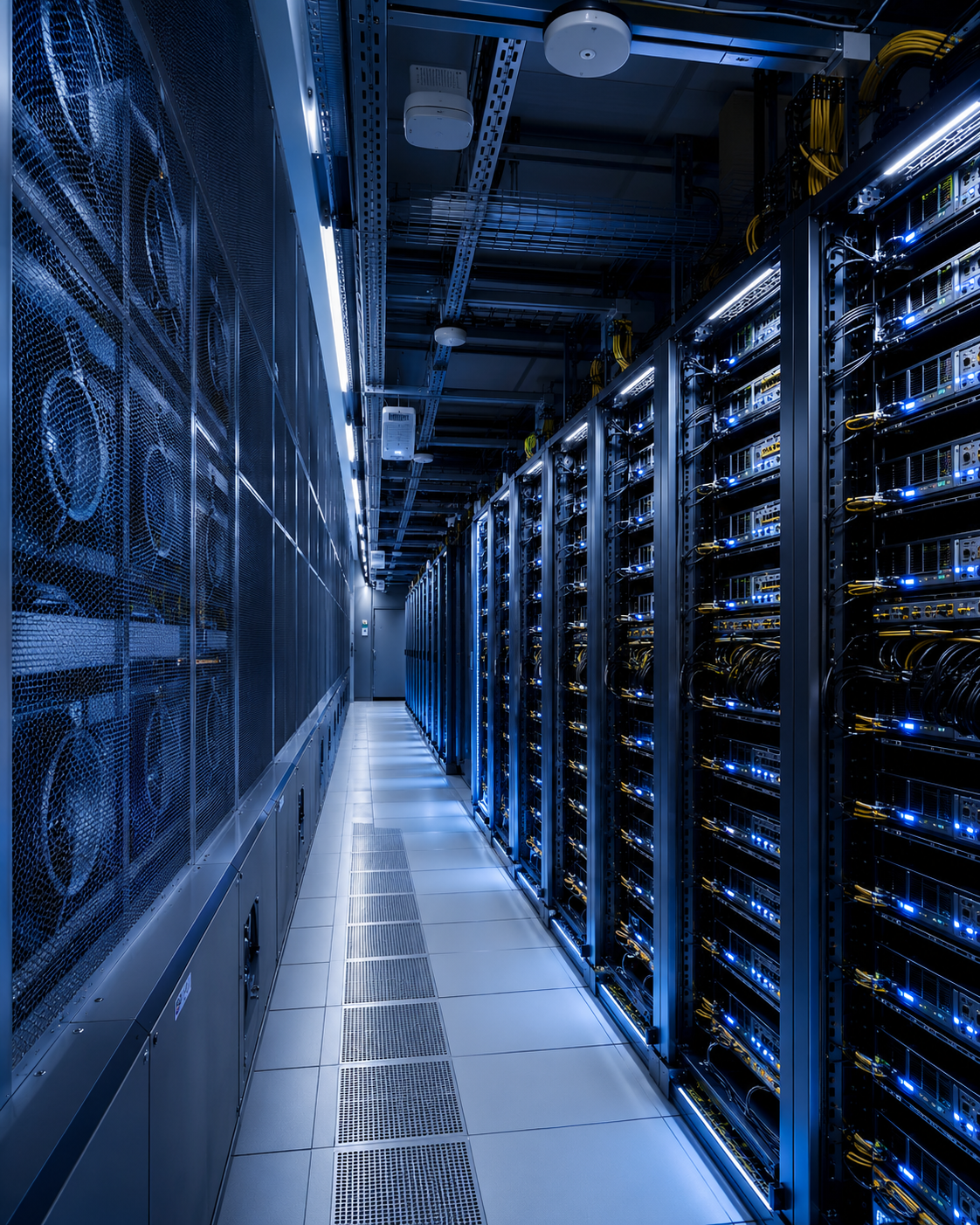
Data center operators and vendors frequently reference “Tier III” or “Tier IV” certification when describing physical security posture, but the Uptime Institute’s Tier Classification System is fundamentally a redundancy and uptime standard for electrical, mechanical and cooling infrastructure — not a prescriptive physical security checklist. Understanding what Tier ratings actually certify, and what they don’t, matters for anyone evaluating a data center’s real security posture.
What Tier Ratings Measure
The four Tier levels (I through IV) describe increasing redundancy in power and cooling infrastructure, from Tier I’s single, non-redundant delivery path to Tier IV’s fully fault-tolerant design with multiple independent, physically isolated distribution paths that can sustain a single equipment failure or planned maintenance event without disrupting operations. Higher Tiers correlate with higher available uptime, but the certification itself is an engineering-infrastructure standard, not a security-controls audit.
Where Physical Security Fits
Physical security controls — perimeter fencing, mantrap entries, biometric access control, video surveillance coverage, security staffing models — are typically evaluated separately, through frameworks like SOC 2 Type II audits, ISO 27001 certification, or customer-specific due diligence questionnaires, rather than through the Tier system itself. A facility can hold a high Tier rating for its infrastructure redundancy while having comparatively modest physical security controls, and vice versa; the two certifications answer different questions.
Layered Physical Security in Practice
In practice, most colocation and hyperscale data centers implement a layered physical security model regardless of Tier rating: perimeter fencing and vehicle barriers, a staffed and monitored entry point, mantrap or interlocking doors preventing tailgating into the data hall, cabinet-level locking for individual customer environments, and comprehensive video coverage of all these layers with defined retention periods. The specific combination and rigor of these layers varies significantly by operator and customer tier of service, independent of the facility’s Uptime Institute rating.
Reading Vendor Claims Correctly
When evaluating a data center provider, treating “Tier III” or “Tier IV” as a proxy for security maturity is a common but mistaken shortcut. The more relevant questions for security due diligence are what specific physical security controls are documented and independently audited, what the incident history looks like, and whether the facility’s actual physical security implementation has been validated by a third party — none of which the Tier rating itself certifies.
Conclusion
Tier ratings remain a useful, standardized way to compare infrastructure redundancy and expected uptime across data center providers, but they should not be treated as a substitute for evaluating physical security controls directly. Organizations selecting a data center for security-sensitive workloads need to request and review security-specific certifications and documentation separately from whatever Tier rating the facility advertises.
Leave a Reply