
Autonomous drones are moving from experimental security projects toward practical perimeter-monitoring tools. Instead of being manually flown for every mission, an autonomous system can launch from a docking station, follow a predefined route, inspect points of interest and return for charging with limited operator involvement.
The value is not that drones replace fixed cameras or guards. Their value is mobility. A drone can investigate an alarm, inspect a remote fence section, view the far side of a building or patrol terrain that would require many fixed camera positions.
Modern systems combine navigation, obstacle avoidance, geofencing, video analytics and fleet-management software. Thermal payloads can improve night operations, while high-resolution visible cameras provide identification and documentation.
Autonomy introduces new design requirements. The drone must operate safely around structures, power lines, people and changing weather. Communications loss, GPS degradation, emergency landing and cyber security must all be addressed. Docking stations also become critical infrastructure because they provide charging, data transfer and environmental protection.
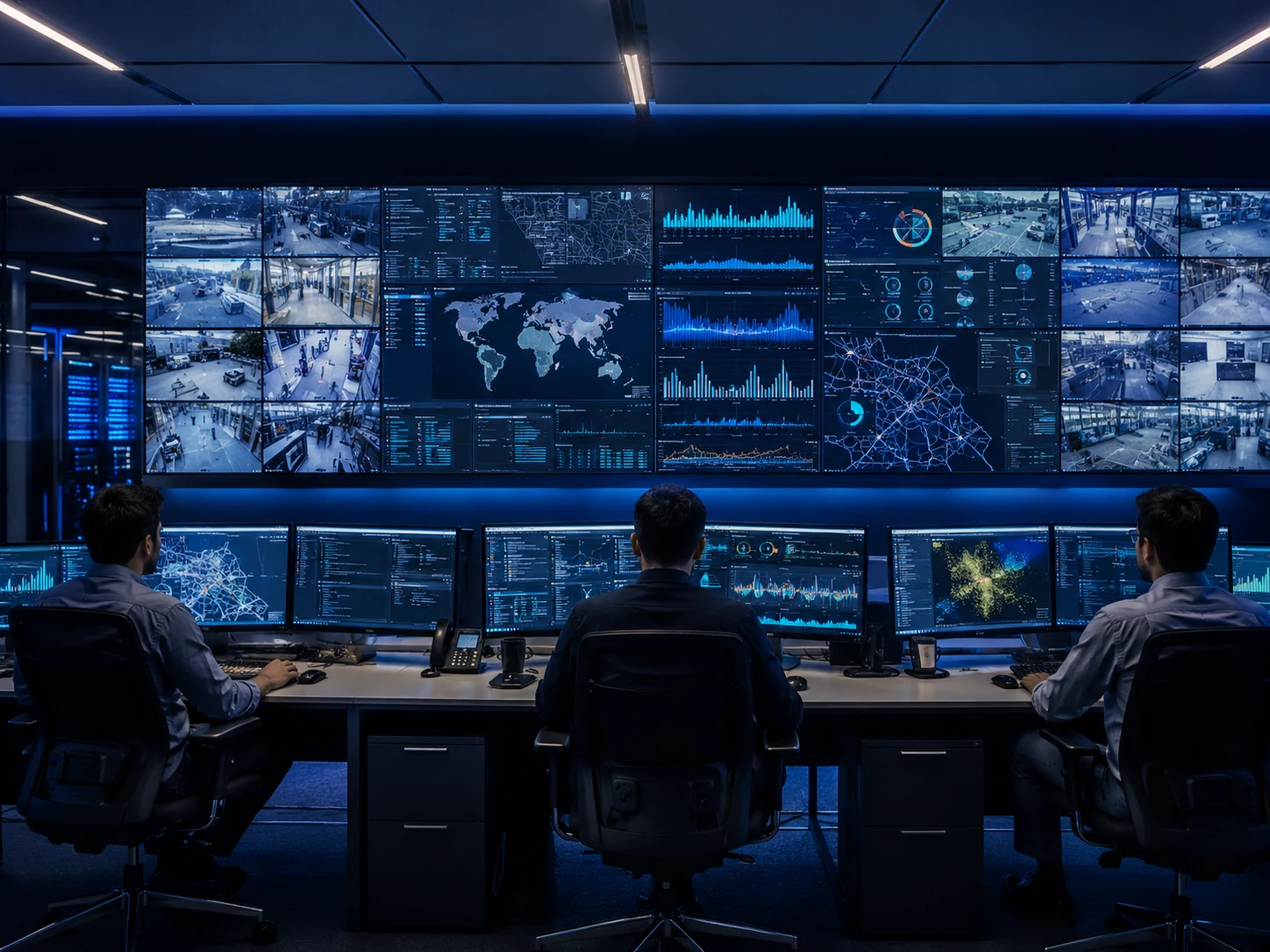
Security workflows are most effective when drone missions are triggered by other sensors. A fence alarm, radar track or fiber-optic detection event can automatically create a task for a drone to inspect the location. The resulting video can then be displayed in the same command platform used for fixed cameras.
Regulation remains a major factor. Beyond-visual-line-of-sight operations, autonomous missions and flights near populated or restricted areas may require specific approvals. Organizations should treat aviation compliance as part of system design from the beginning.
Autonomous drones are best understood as mobile sensors within a layered perimeter system. Their strongest role is verification, inspection and rapid situational awareness across large or difficult sites.