
Tag: condition monitoring

  • Electrical Substation Security and Condition Monitoring

    Electrical Substation Security and Condition Monitoring

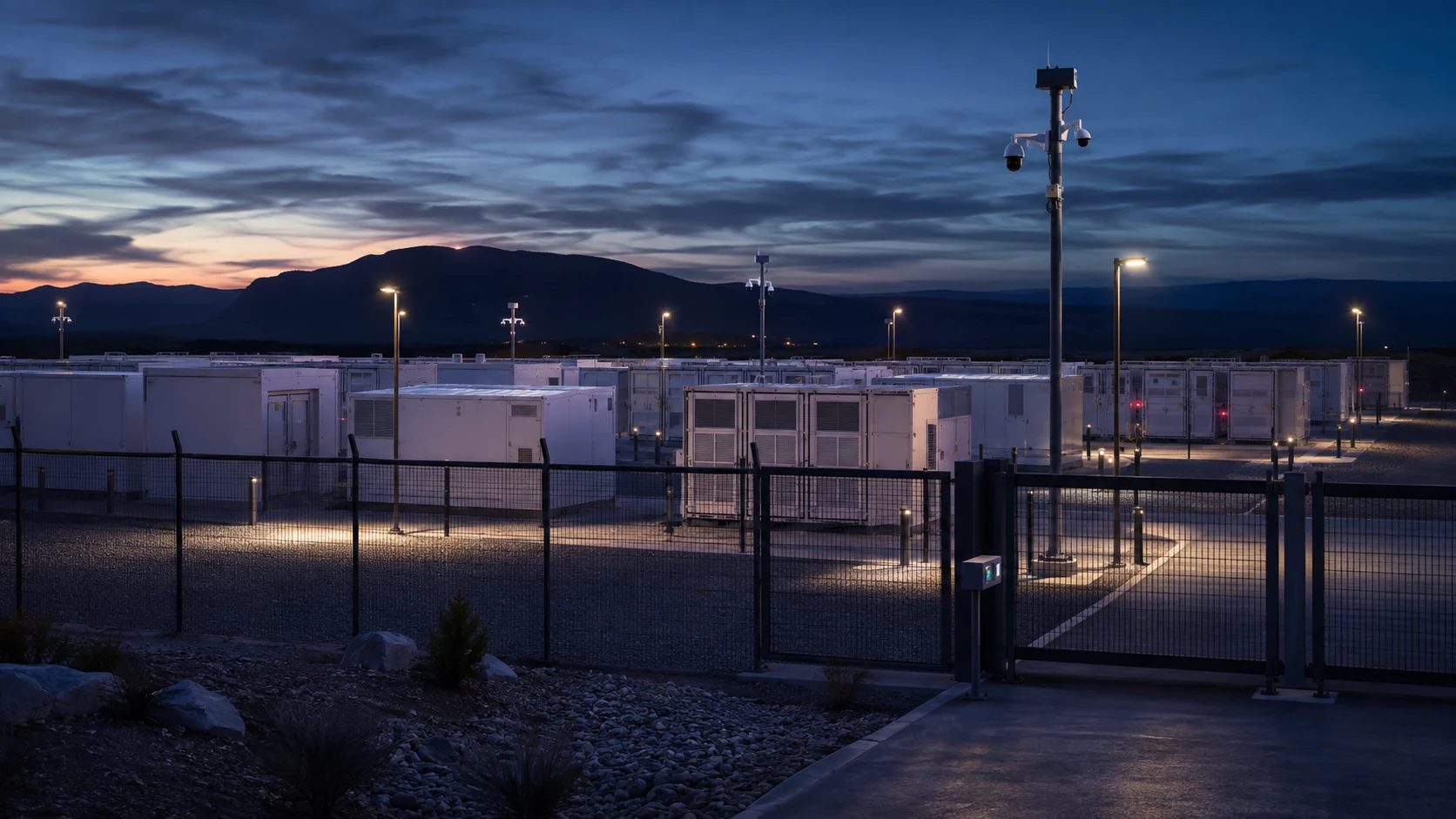
    Substations are compact but high-consequence sites. Physical intrusion, equipment failure, overheating and fire can all disrupt the grid, so security and condition monitoring increasingly converge.

    Layered physical protection

    Fences, gates, access control and intrusion detection form the basic security perimeter. Radar, thermal and video analytics can provide earlier awareness around remote or unmanned substations.

    Thermal condition monitoring

    Transformers, connectors, switchgear and cable terminations can develop abnormal heat before failure. Fixed thermal cameras and temperature-sensing systems help operations teams identify trends before they become outages.

    Fiber sensing opportunities

    DTS can monitor power cables and long routes for thermal anomalies, while DAS can detect vibration, digging or physical disturbance near critical lines. Together they create a continuous sensing layer beyond the fence.

    Cyber-physical integration

    Modern substations contain networked protection and control equipment. Physical security events should therefore be correlated with network and operational alarms rather than handled in a separate silo.

    Resilience as the design goal

    The purpose of substation security is not simply to detect trespass. It is to protect continuity of service. Redundant communications, backup power, secure remote access and tested response procedures are therefore core design requirements.

    Conclusion

    Electrical Substation Security and Condition Monitoring should be evaluated as part of a broader operational architecture. The strongest deployments combine suitable sensing technology, resilient communications, clear procedures and measurable performance rather than relying on a single device or headline specification.
  • Predictive Maintenance for Fire Alarm Systems: From Faults to Early Warning

    Predictive Maintenance for Fire Alarm Systems: From Faults to Early Warning

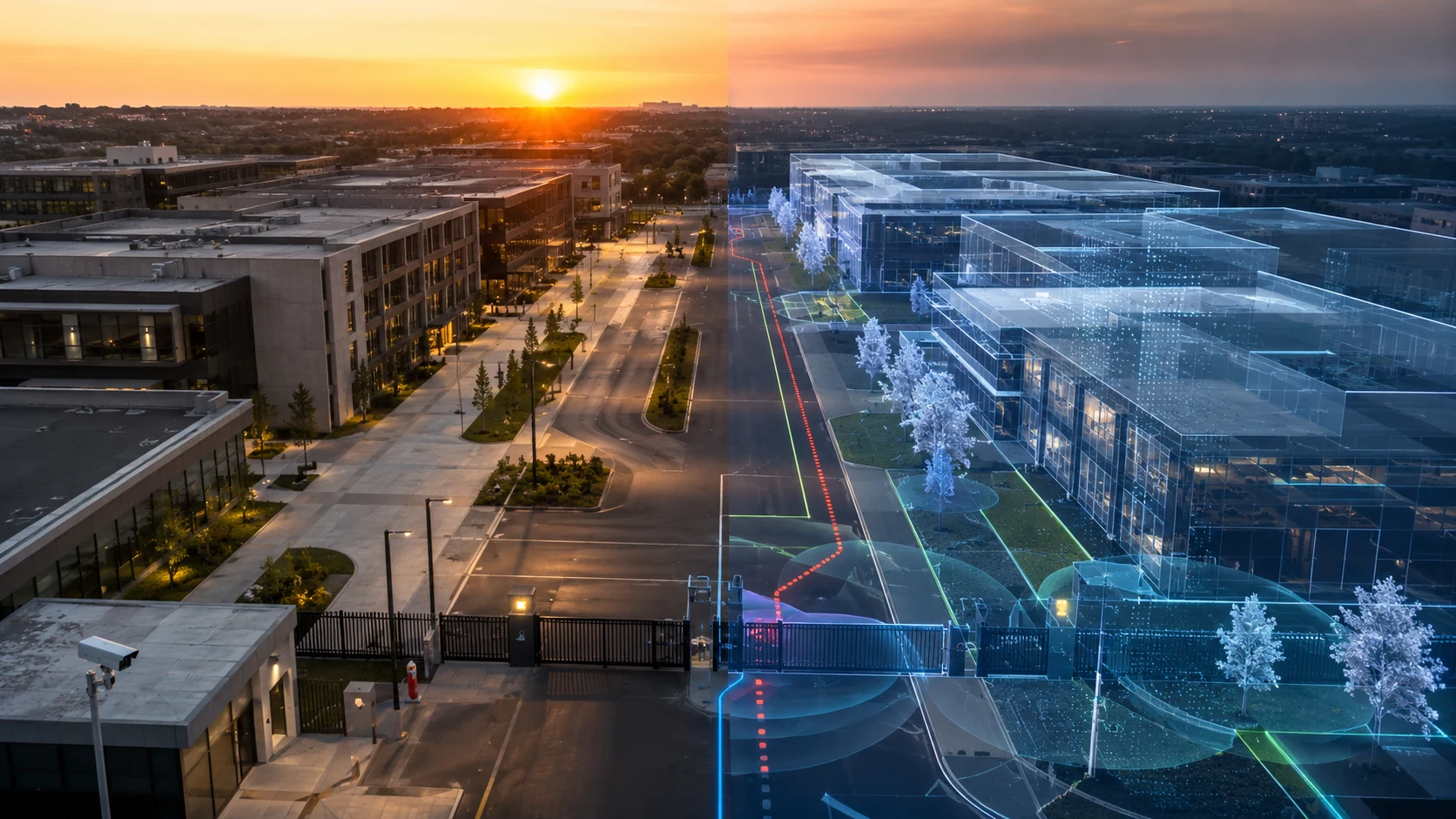
    Fire alarm maintenance has traditionally been calendar-based: inspect devices, test circuits, replace components and respond to faults after they appear. Connected fire systems are changing that model by making condition data available continuously.

    What predictive maintenance means Predictive maintenance uses trends, diagnostics and operating history to estimate when a component may drift out of tolerance or fail. Instead of treating every detector, loop and power supply as identical, the system can highlight devices that show unusual contamination, communication errors, battery degradation or repeated intermittent faults.

    Useful data sources Modern panels and addressable devices can expose sensitivity levels, contamination values, loop quality, voltage conditions, communication statistics and event history. Environmental data can add context. A detector in a dusty production area will age differently from a detector in a clean office.

    AI is not the starting point Good predictive maintenance begins with clean data, accurate asset records and meaningful thresholds. Machine learning may help identify patterns across large estates, but it cannot compensate for poor commissioning or missing maintenance records.

    Benefits for multi-site operators For campuses, hospitals, data centers, retail chains and industrial estates, remote diagnostics can help prioritize technician visits. A maintenance team can arrive with the correct replacement parts and focus on the devices most likely to cause nuisance alarms or service disruption.

    Cybersecurity and governance Connected fire systems should not expose life-safety infrastructure unnecessarily. Remote access, cloud analytics and integration platforms require network segmentation, authentication, logging and clear responsibility between fire, IT and facilities teams.

    Predictive maintenance does not replace statutory inspection and testing. It adds another layer of intelligence. The long-term value is a shift from reacting to faults toward understanding system health continuously, reducing nuisance alarms, improving availability and making maintenance resources more efficient.