
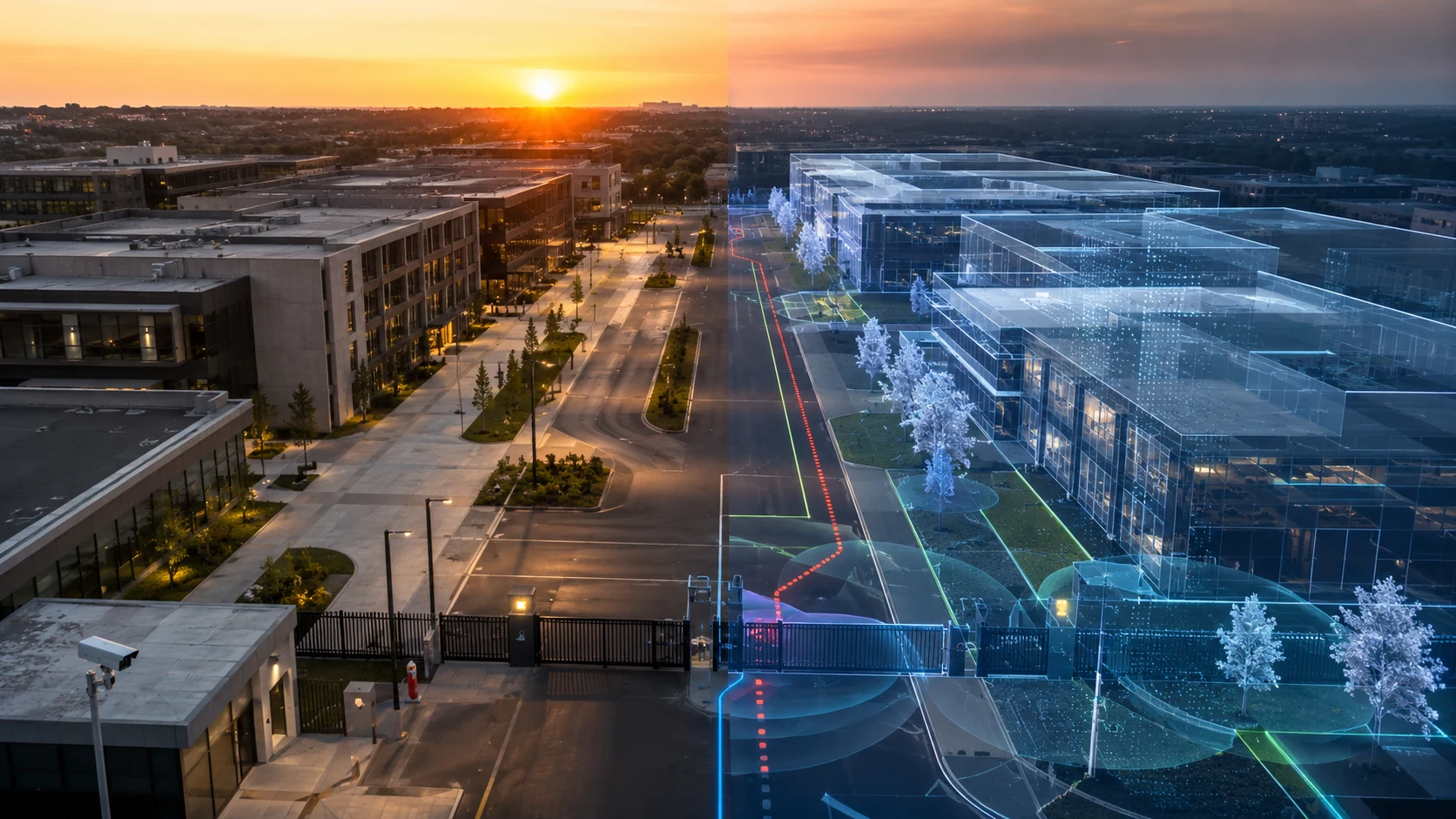
Fire alarm maintenance has traditionally been calendar-based: inspect devices, test circuits, replace components and respond to faults after they appear. Connected fire systems are changing that model by making condition data available continuously.
What predictive maintenance means Predictive maintenance uses trends, diagnostics and operating history to estimate when a component may drift out of tolerance or fail. Instead of treating every detector, loop and power supply as identical, the system can highlight devices that show unusual contamination, communication errors, battery degradation or repeated intermittent faults.
Useful data sources Modern panels and addressable devices can expose sensitivity levels, contamination values, loop quality, voltage conditions, communication statistics and event history. Environmental data can add context. A detector in a dusty production area will age differently from a detector in a clean office.
AI is not the starting point Good predictive maintenance begins with clean data, accurate asset records and meaningful thresholds. Machine learning may help identify patterns across large estates, but it cannot compensate for poor commissioning or missing maintenance records.
Benefits for multi-site operators For campuses, hospitals, data centers, retail chains and industrial estates, remote diagnostics can help prioritize technician visits. A maintenance team can arrive with the correct replacement parts and focus on the devices most likely to cause nuisance alarms or service disruption.
Cybersecurity and governance Connected fire systems should not expose life-safety infrastructure unnecessarily. Remote access, cloud analytics and integration platforms require network segmentation, authentication, logging and clear responsibility between fire, IT and facilities teams.
Predictive maintenance does not replace statutory inspection and testing. It adds another layer of intelligence. The long-term value is a shift from reacting to faults toward understanding system health continuously, reducing nuisance alarms, improving availability and making maintenance resources more efficient.