
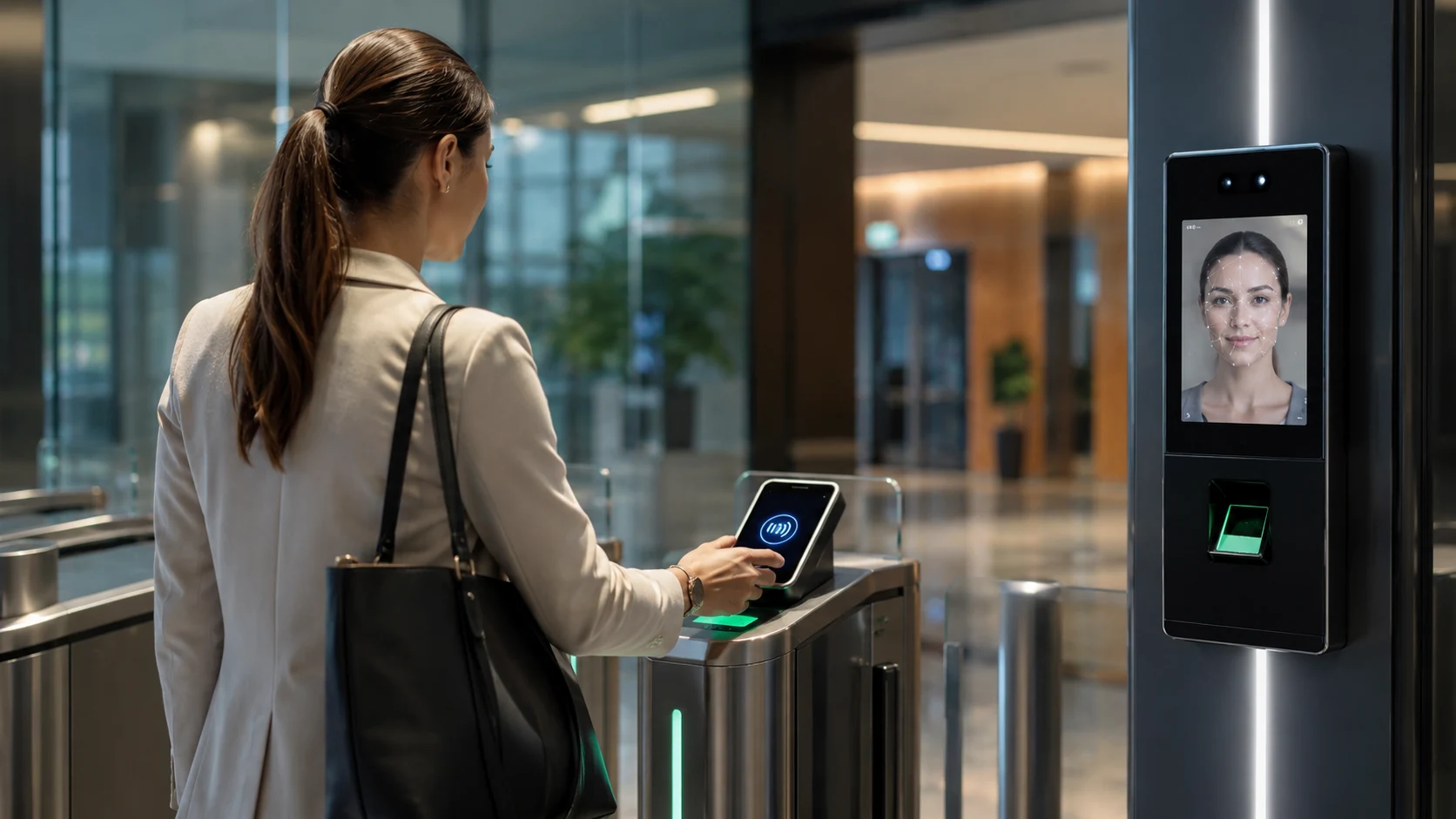
Tag: Facial Authentication

  • Google Pay and Mastercard Plan Device-Biometric Card Payments in India

    Google Pay and Mastercard Plan Device-Biometric Card Payments in India

    Mastercard and Google Pay plan to introduce optional device-biometric approval for eligible card payments in India. Participating customers would use the fingerprint, face recognition or passcode already configured on their phone to approve supported transactions.

    The companies previewed the capability at Global Fintech Fest and expect rollout to begin by the end of 2026. Participating issuers and eligible card products have not yet been publicly specified, so availability should not be described as nationwide or universal.

    The design uses a consumer-device cardholder verification method and is separate from payment tokenization. Tokenization protects card details used in a transaction; local biometric or passcode verification confirms that the person operating the device is authorized to approve it.

    Why it matters

    India’s updated payment-authentication directions allow alternatives to SMS one-time passwords while retaining multi-factor requirements. Device-based verification can improve usability, but secure enrollment, fallback and issuer risk controls remain essential.

    For wider context, see SectechMedia’s related technical coverage.
    Sources

  • Biometric Access Control: Fingerprint, Face, Iris and Palm

    Biometric Access Control: Fingerprint, Face, Iris and Palm

    Fingerprint

    Fingerprint readers are mature and compact, but dirty, wet or damaged fingers and hygiene concerns can affect performance and acceptance.

    Face recognition

    Contactless facial authentication can be fast, but depends on camera position, lighting, image quality and presentation-attack defenses.

    Iris recognition

    Iris patterns can support high-assurance matching, while specialized hardware and user positioning may increase complexity and cost.

    Palm and palm-vein systems

    Palm systems may use surface geometry or subsurface vein patterns. Contactless options can balance strong authentication with high-throughput operation.

    Use more than one factor

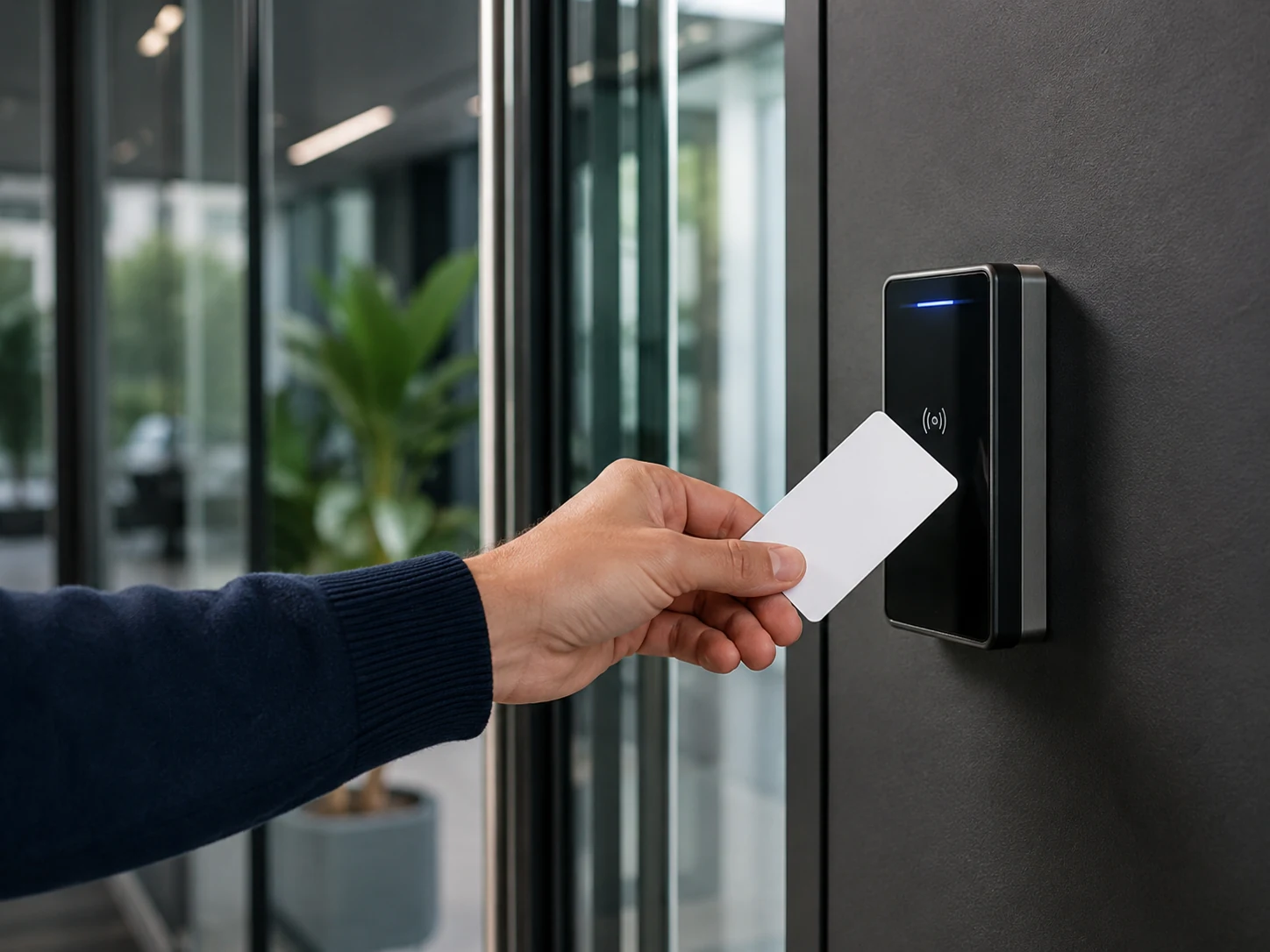
    Combining a biometric with a secure card or mobile credential reduces reliance on a single modality and provides a recovery path when authentication fails.

    Privacy and governance

    Biometric templates require encryption, retention limits, access controls, a lawful processing basis and reliable deletion procedures. Unlike a password, a biometric characteristic cannot simply be replaced.

    Conclusion

    There is no universally best modality. Selection should reflect risk, environment, throughput, privacy obligations and user experience.