
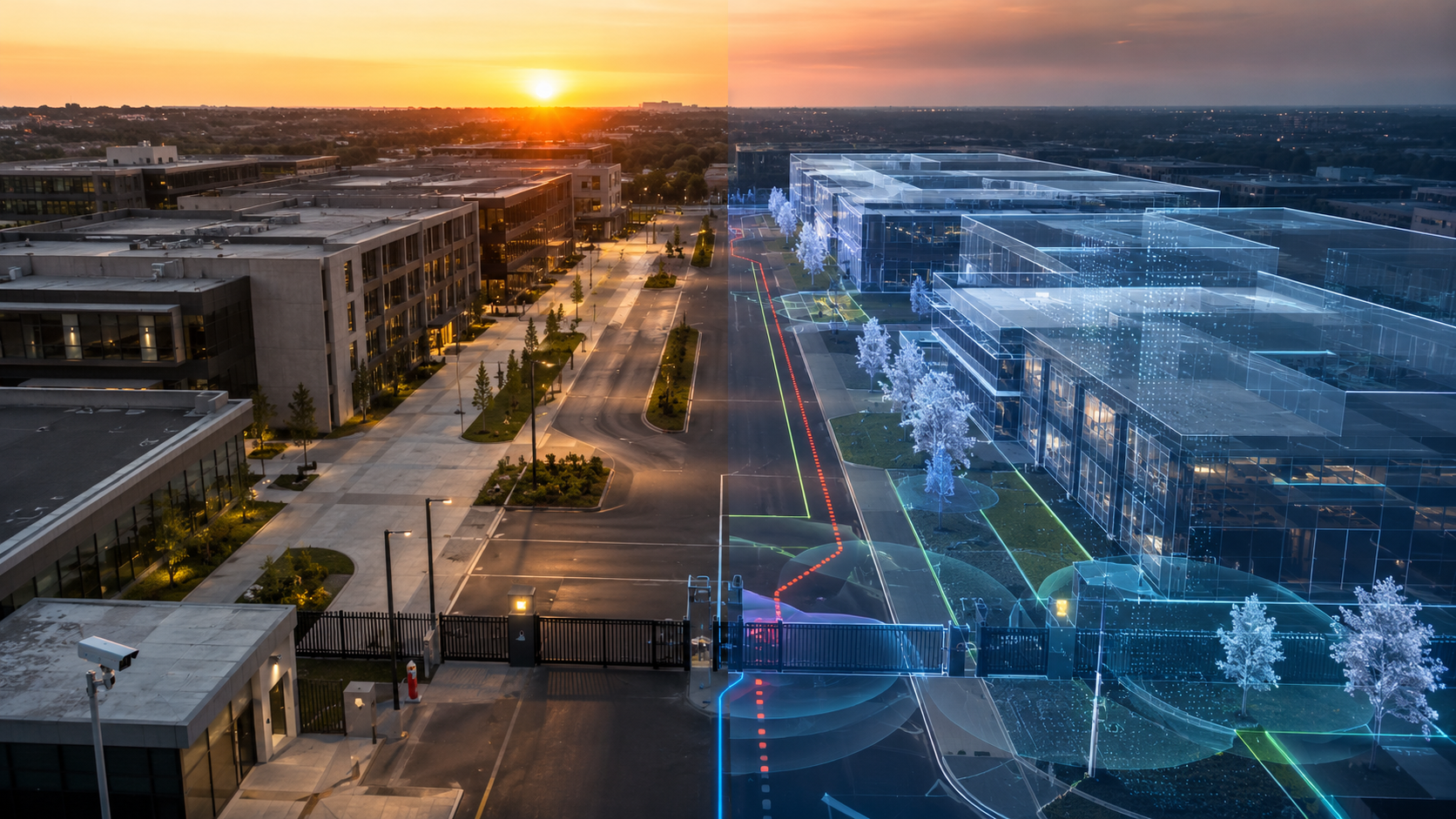
Physical security systems increasingly run on IP networks, cloud services and software platforms, while cyber incidents can create physical consequences. This is pushing IT, cybersecurity and physical-security teams toward closer operational convergence.
Physical devices are cyber assets
Cameras, door controllers, intercoms, alarm panels and sensors contain processors, firmware and network interfaces. Weak credentials, vulnerable software or unnecessary services can turn protective equipment into a cyber entry point.
Identity and incident convergence
Joiner, mover and leaver processes should update both digital and physical permissions. Badge activity, login records, forced doors and camera status can also provide stronger incident context when correlated.
Architecture and governance
Security devices should not sit on unmanaged flat networks. Segmentation, secure remote access, logging and vulnerability management require shared ownership across IT, cyber and physical-security functions.
Cloud and operational technology
Vendor security posture becomes part of procurement as video and access platforms move to cloud services. Critical infrastructure must also consider OT systems that control physical processes.
Benefits and limitations
Convergence can improve asset visibility, investigation and policy consistency, but it does not require every department to merge. Clear responsibilities and escalation paths remain essential.
Conclusion
Unified identity, shared data and careful correlation will continue to drive cyber-physical convergence. Isolated facilities systems are increasingly difficult to govern securely.