

Tag: predictive maintenance

  • The Future of Distributed Fiber Optic Sensing

    The Future of Distributed Fiber Optic Sensing

    Distributed fiber-optic sensing is moving beyond isolated alarm applications. DAS, DTS and distributed strain technologies are increasingly being combined with AI, edge computing, digital twins and operational platforms to create continuous infrastructure intelligence.

    From Single-Purpose Sensors to Multi-Parameter Monitoring

    Early deployments often focused on one problem: intrusion detection, temperature monitoring or leak awareness. The emerging model combines multiple sensing modes with asset data. A power cable can be monitored for temperature, vibration and strain; a pipeline corridor can combine DAS events with pressure, flow and video; a railway can integrate fiber sensing with signaling and maintenance data.

    AI Changes the Value of the Data

    The volume of distributed sensing data is too large for manual interpretation. Machine learning is therefore becoming central to event classification, anomaly detection and long-term trend analysis. Edge processing can make immediate decisions near the interrogator, while central systems compare patterns across sites.

    Existing Fiber Becomes Strategic

    Another major trend is the use of telecom and utility fiber already installed in the ground. If compatible fiber can support both communications and sensing, the economics of large-scale monitoring change dramatically. Cities, utilities and transport operators may gain sensing coverage without building a completely separate physical network.

    Integration Will Define the Winners

    Hardware performance remains important, but future value will increasingly depend on software, APIs, visualization, model management and integration with SCADA, VMS, GIS, digital twins and maintenance systems. Operators do not need more isolated alarms; they need prioritized, contextual information.

    Conclusion

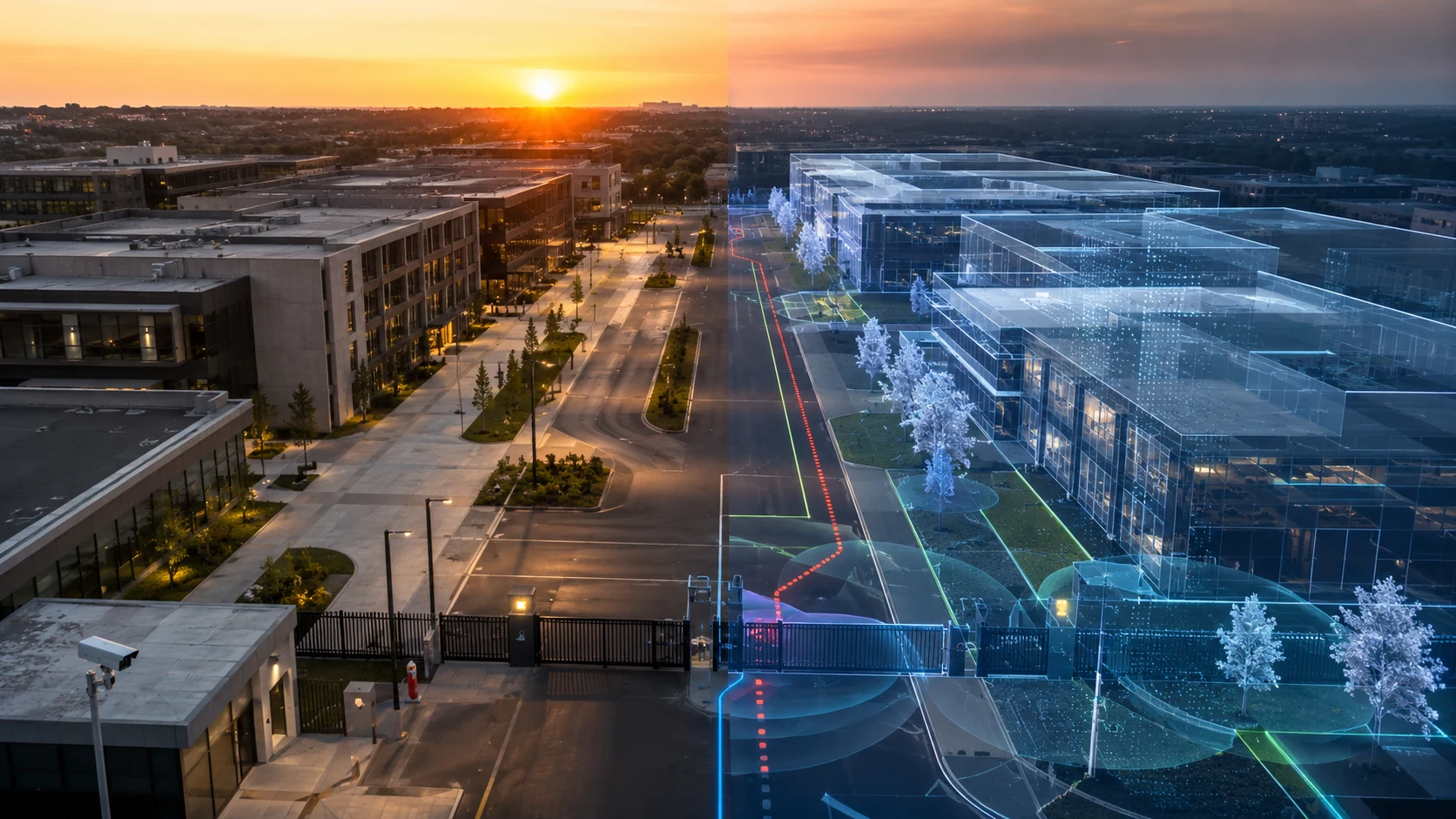
    The long-term future of distributed fiber-optic sensing is not simply better interrogators. It is the transformation of optical fiber into a continuous data layer for critical infrastructure. When sensing, AI and operational systems are combined, fiber can evolve from a passive communications medium into a distributed nervous system for the physical world.
  • Predictive Maintenance for Fire Alarm Systems: From Faults to Early Warning

    Predictive Maintenance for Fire Alarm Systems: From Faults to Early Warning

    Fire alarm maintenance has traditionally been calendar-based: inspect devices, test circuits, replace components and respond to faults after they appear. Connected fire systems are changing that model by making condition data available continuously.

    What predictive maintenance means Predictive maintenance uses trends, diagnostics and operating history to estimate when a component may drift out of tolerance or fail. Instead of treating every detector, loop and power supply as identical, the system can highlight devices that show unusual contamination, communication errors, battery degradation or repeated intermittent faults.

    Useful data sources Modern panels and addressable devices can expose sensitivity levels, contamination values, loop quality, voltage conditions, communication statistics and event history. Environmental data can add context. A detector in a dusty production area will age differently from a detector in a clean office.

    AI is not the starting point Good predictive maintenance begins with clean data, accurate asset records and meaningful thresholds. Machine learning may help identify patterns across large estates, but it cannot compensate for poor commissioning or missing maintenance records.

    Benefits for multi-site operators For campuses, hospitals, data centers, retail chains and industrial estates, remote diagnostics can help prioritize technician visits. A maintenance team can arrive with the correct replacement parts and focus on the devices most likely to cause nuisance alarms or service disruption.

    Cybersecurity and governance Connected fire systems should not expose life-safety infrastructure unnecessarily. Remote access, cloud analytics and integration platforms require network segmentation, authentication, logging and clear responsibility between fire, IT and facilities teams.

    Predictive maintenance does not replace statutory inspection and testing. It adds another layer of intelligence. The long-term value is a shift from reacting to faults toward understanding system health continuously, reducing nuisance alarms, improving availability and making maintenance resources more efficient.