
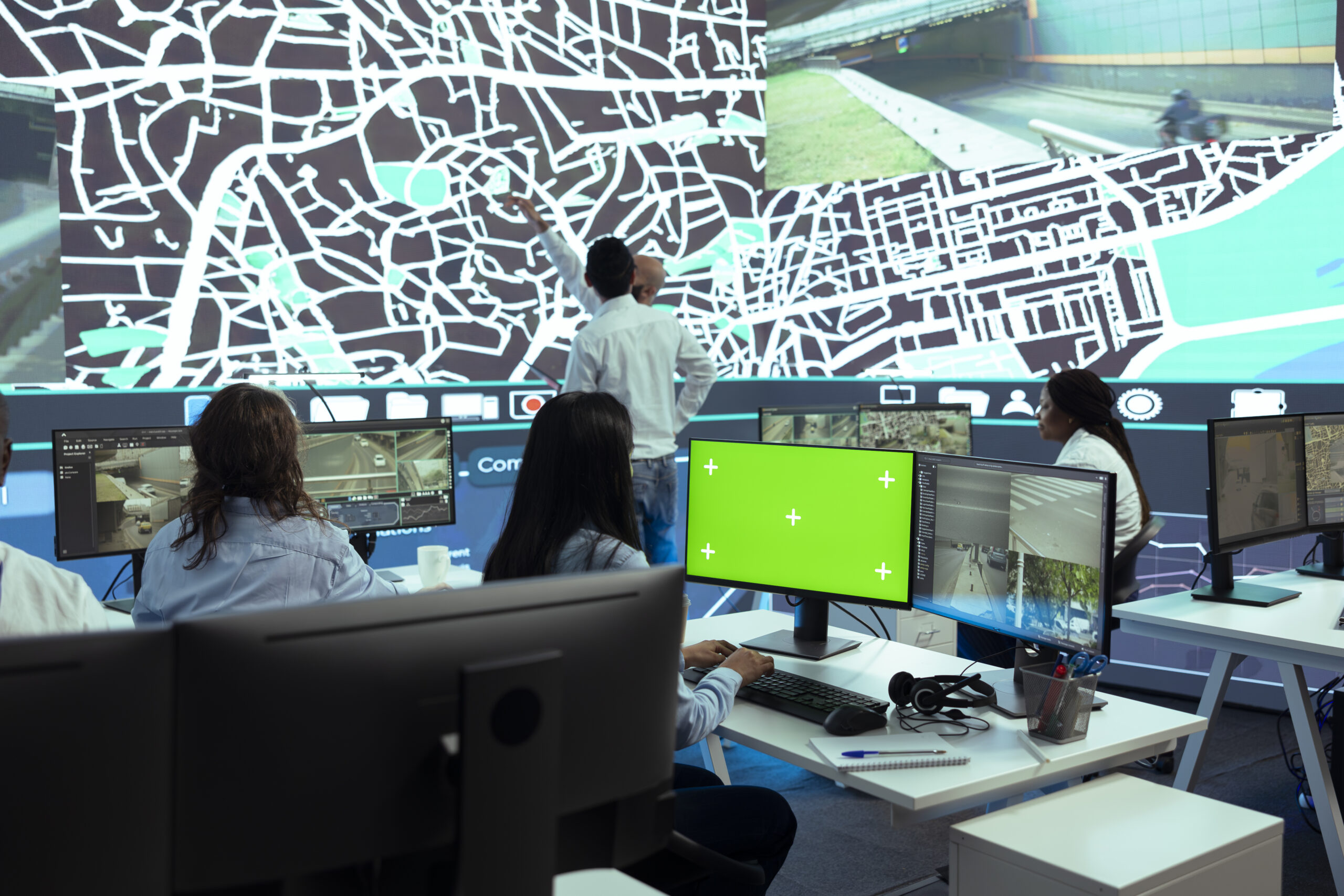
Security operations centers receive events from cameras, access control, intrusion, fire, cyber, intercom and building systems. AI agents are emerging as a software layer for gathering and presenting that context.
What an AI agent does
An agent can receive an event, gather context, summarize what happened, suggest a response and, within defined permissions, execute an approved workflow.
Useful early applications
Drafting reports, classifying alarms, generating shift summaries, searching procedures and locating related video or access events can reduce repetitive work without automating high-consequence decisions.
Permissions and human supervision
Automatically unlocking doors, disabling alarms or changing surveillance configurations creates risk. Sensitive actions should require operator confirmation and clear authorization boundaries.
Data quality and auditability
Incorrect names, outdated maps or unsynchronized timestamps can mislead an agent. Recommendations and actions should preserve evidence, uncertainty, user approval and system state.
The changing SOC interface
Conversational tools may allow operators to query multiple systems through one layer, but the underlying integrations and source data must remain visible and verifiable.
Conclusion
The realistic direction is human-supervised autonomy: agents handle routine correlation and documentation while operators retain judgment and accountability.