
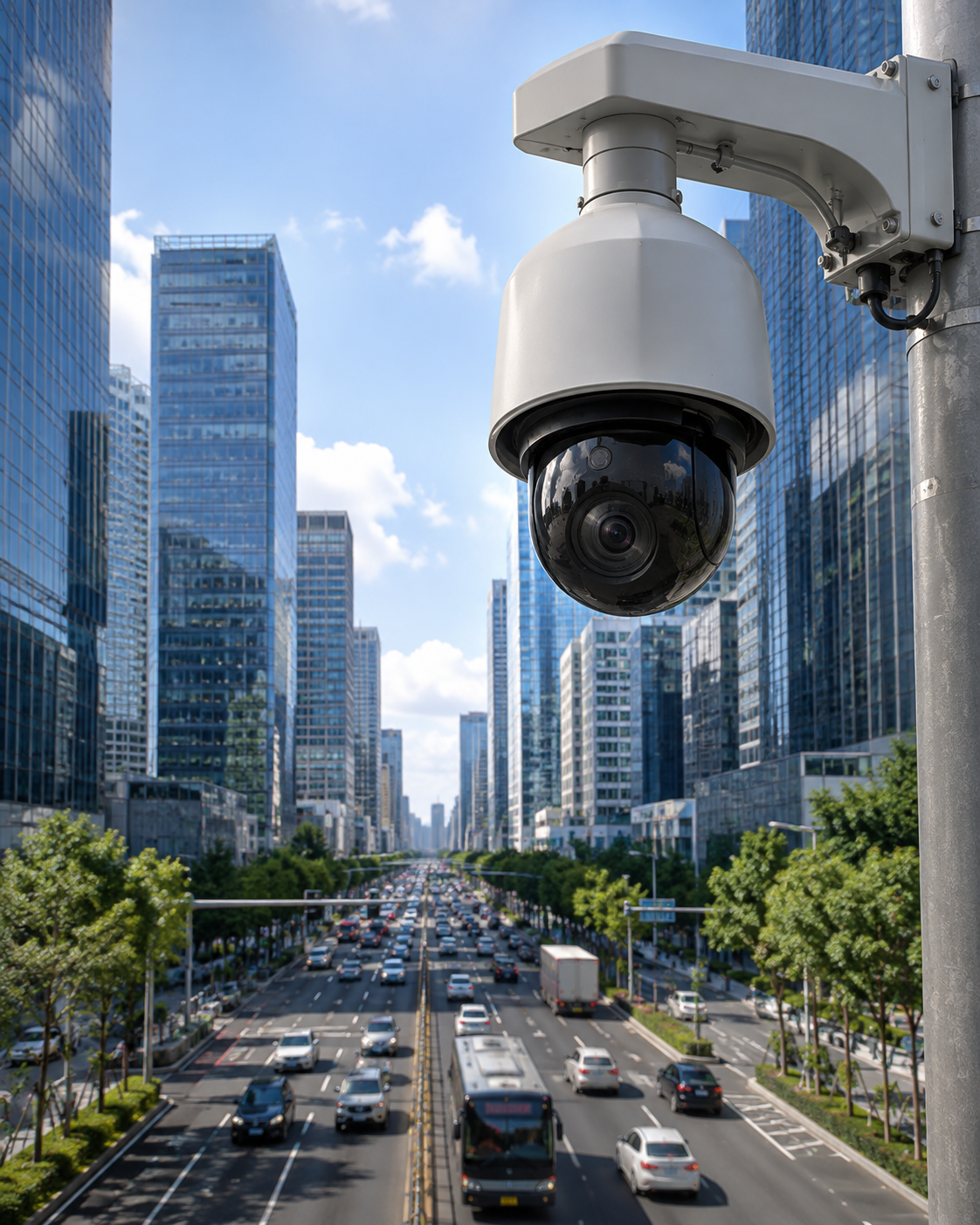
AI video analytics has moved from a specialist add-on to a core layer of modern physical security. The useful question is where it performs reliably enough to improve operations and reduce investigation time.
Mature use cases
Person and vehicle detection, line crossing, loitering, occupancy, queue analysis and basic object classification can be effective when scenes and objectives are clearly defined.
Claims that require caution
Vague predictions of suspicious intent or complex behavior are context dependent. These systems should support operators rather than act as unquestionable decision makers.
Architecture choices
Edge analytics can reduce bandwidth, server analytics can use larger models, and cloud analytics can simplify scaling. Enterprises often combine all three.
How to evaluate performance
Accuracy is not one universal number. Testing should examine precision, recall, nuisance alarms and performance across day, night, rain, glare, occlusion and seasonal change.
Workflow, privacy and governance
Detection is most useful when connected to maps, cameras, access status and response procedures. Organizations should also document data processing, retention and whether biometric identification is involved.
Conclusion
AI delivers the most value when it solves a narrow, measurable operational problem and is verified under representative site conditions.
Leave a Reply