
Vehicle entrances are among the most complex points in physical security because they combine identity, traffic flow, safety and perimeter control. A modern smart gate must determine who or what is approaching, whether access is authorized and how to move vehicles through the site without creating congestion or unsafe conditions.
Common technologies include license-plate recognition, RFID tags, mobile credentials, intercoms, loop detectors, radar, barriers, bollards and video analytics. High-security sites may also add under-vehicle inspection or guard verification.
The most effective systems link the vehicle to an access policy. A recognized plate alone should not automatically be treated as proof of identity in every environment. The system may also verify a driver credential, delivery schedule, visitor record or vehicle classification.
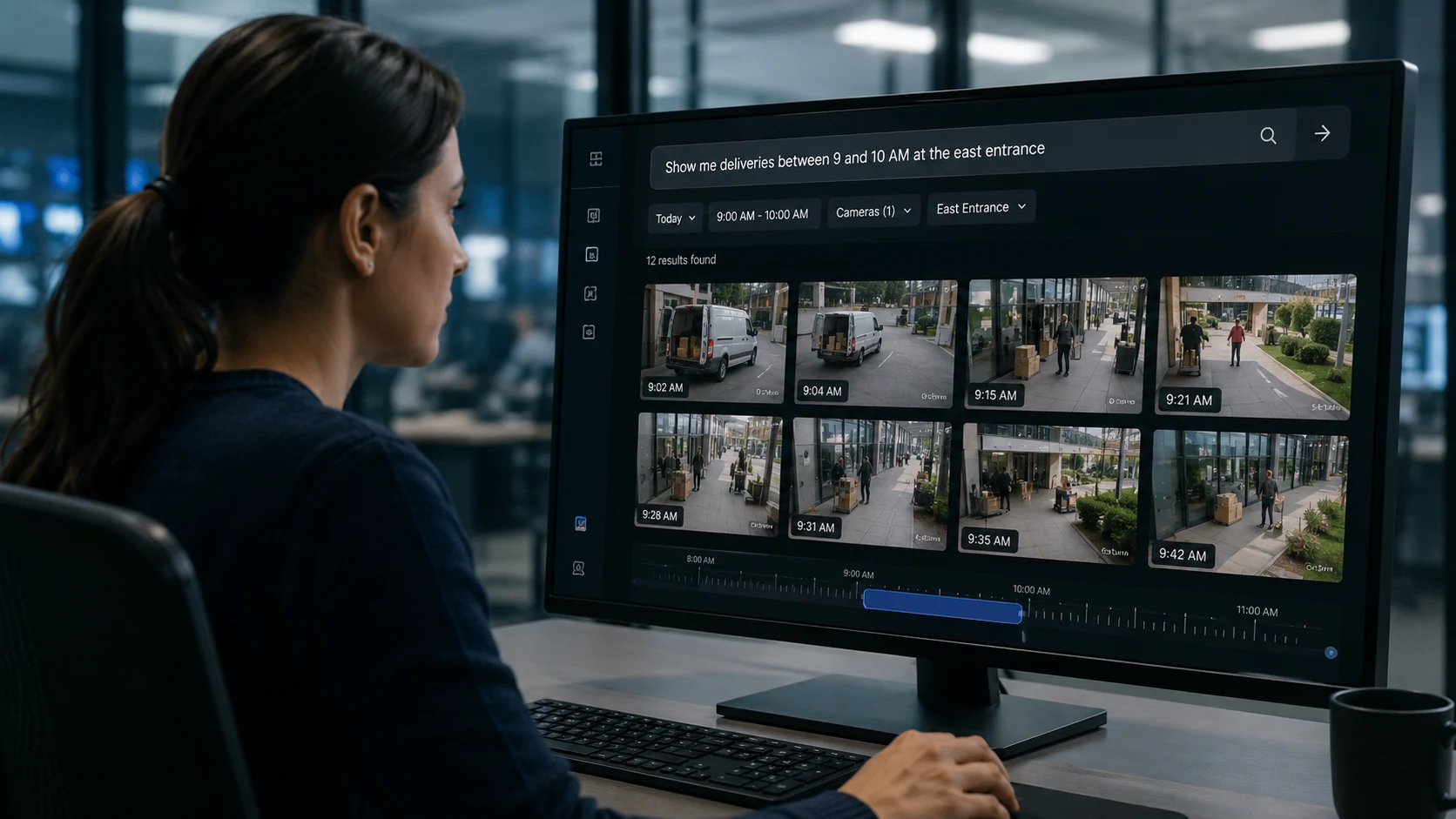
Video plays a major role in evidence and exception handling. Cameras can document the vehicle, driver lane and surrounding context, while analytics can detect tailgating, wrong-way movement or a vehicle entering a restricted lane.
Safety must be engineered alongside security. Barrier arms, gates and bollards require presence detection and safe operating logic to avoid collisions. Emergency egress and fire-service access also need dedicated procedures.
For multi-site organizations, cloud-connected gate management can centralize credentials and audit logs. At critical infrastructure sites, local operation should remain available if connectivity fails.
Smart vehicle access is therefore not one product but a coordinated system. The strongest designs combine identification, physical barriers, sensors, video and workflow software into one controlled entry process.
Leave a Reply