
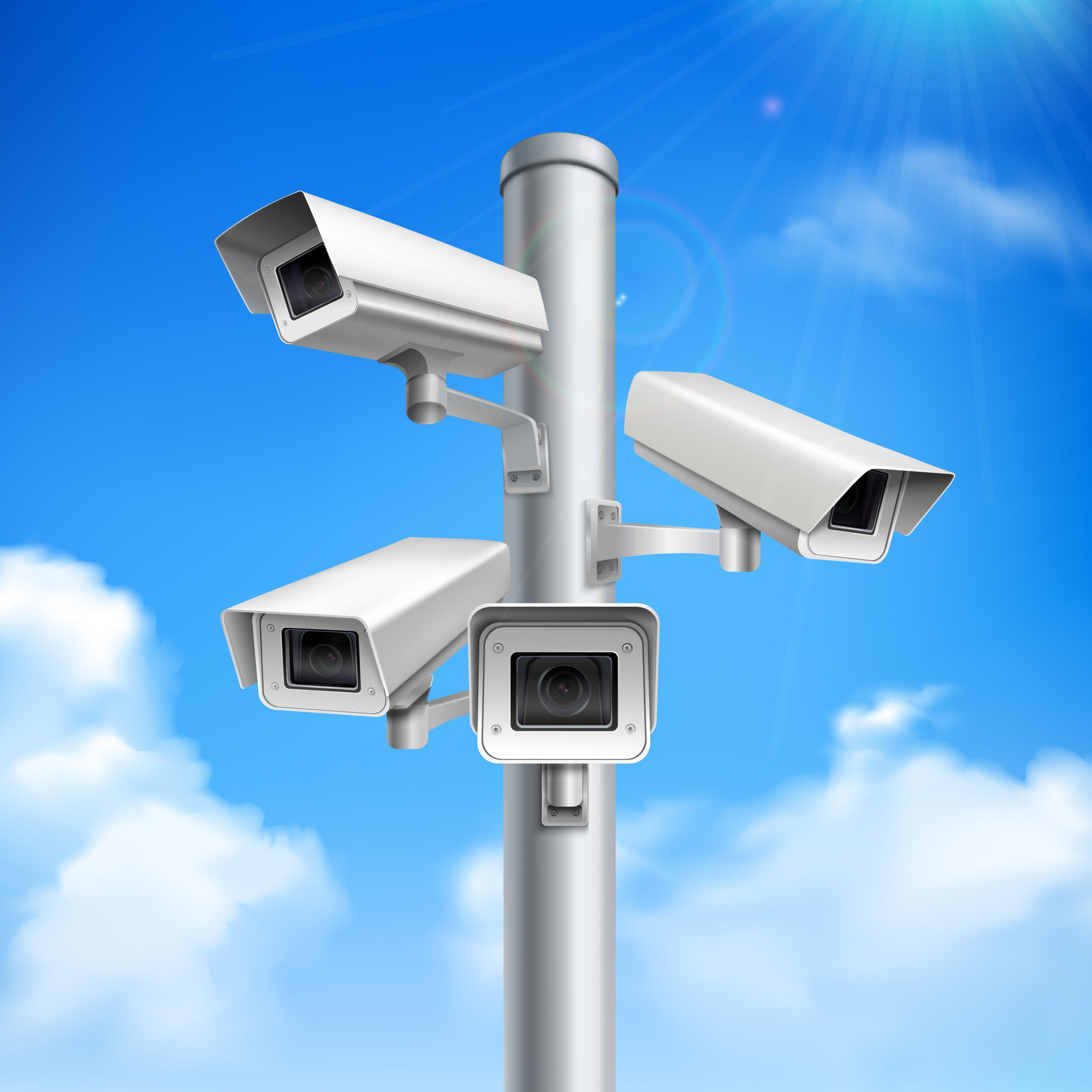
Retail security has to solve two problems at once: reduce theft and operational loss, and keep stores welcoming to paying customers. That balance shapes almost every technology decision in the sector.
Shrink is more than shoplifting
Retailers typically group loss into external theft, internal theft, process failures such as pricing or receiving errors, and vendor fraud. Because the causes differ, effective loss-prevention programs combine several tools rather than relying on a single system, and they measure results against the specific type of loss they are meant to address.
Video analytics and exception-based reporting
Modern video management systems can flag specific patterns for review, such as high-value transactions without a matching item scan, repeated returns, or unusual dwell time near high-shrink categories. Exception-based reporting narrows a large volume of camera footage down to the clips most likely to matter, which is essential in stores with dozens of cameras and limited loss-prevention staff.
Electronic article surveillance and RFID
Electronic article surveillance (EAS) tags and gates remain a baseline deterrent at store exits. Item-level RFID adds a further layer by giving retailers near real-time visibility into inventory location, which supports both loss prevention and out-of-stock reduction. The two technologies are increasingly deployed together rather than as alternatives.
Point-of-sale integration
Connecting video to point-of-sale and self-checkout transaction data lets a system correlate what a camera captured with what was actually rung up. This is particularly relevant for self-checkout, where scan-avoidance and mis-scanning account for a meaningful share of shrink at many retailers, and where store layout and camera placement affect how well a system can verify a transaction.
Access control and back-of-house protection
Loss prevention extends beyond the sales floor. Receiving docks, stockrooms and cash offices benefit from access control, audit trails and camera coverage focused on internal theft and vendor-fraud risks, which studies consistently identify as a significant share of total retail shrink.
Balancing security with customer experience
Overly visible or intrusive security measures can affect how customers perceive a store. Retailers increasingly favor systems that operate quietly in the background, use data to focus staff attention where it is most useful, and avoid treating every shopper as a suspect.
Conclusion
Retail loss-prevention technology works best as a layered, data-driven program rather than a single device. The strongest deployments combine video analytics, EAS or RFID, point-of-sale integration and access control, and they measure outcomes against the specific categories of loss each layer is designed to reduce.
Leave a Reply