
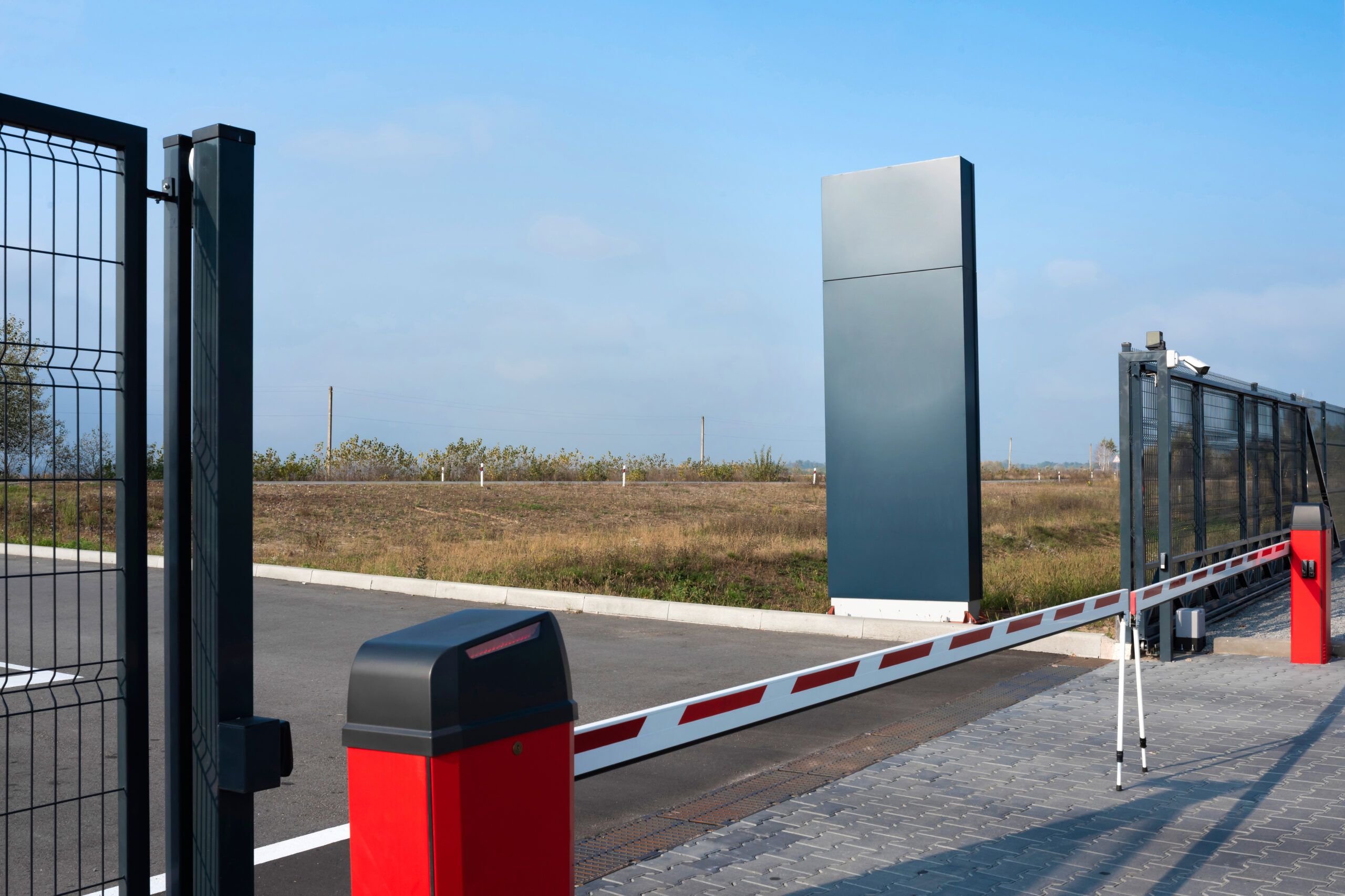
Tailgating, sometimes called piggybacking, happens when an unauthorized person follows an authorized person through a secured door before it closes and locks, quietly defeating an access control system without ever presenting a credential. It remains one of the most common real-world ways access control gets bypassed, largely because it exploits ordinary politeness rather than a technical flaw.
Detection Versus Prevention
Anti-tailgating technology falls into two broad categories: detection systems that sense a violation and alert security staff after the fact, and prevention systems that physically stop the second person from entering at all. Detection approaches include infrared or thermal sensors mounted above a doorway that count how many people pass through per credential swipe, and video analytics that visually track individuals entering a controlled space. These systems are lower cost and easier to retrofit into existing doorways, but they rely on a human response to an alarm rather than stopping the intrusion outright.
How Mantraps Physically Prevent Piggybacking
A mantrap, also called an interlocking vestibule, is a small enclosed space with two doors that are never both unlocked at the same time: a person must pass through the first door, have it lock behind them, and only then can the second door open, typically after a sensor confirms only one person is present in the vestibule. This makes it physically impossible for a second, uncredentialed person to slip through alongside an authorized individual, which is why mantraps are standard in the highest-security environments, including data centers, pharmaceutical facilities, and secure government spaces.
Sensor Technology Inside the Vestibule
Modern mantraps typically use overhead infrared beams, weight-sensing floor plates, or 3D depth sensors to verify occupancy before releasing the second door, since simple beam sensors alone can sometimes be fooled by unusual body positions or objects carried through the space. Some higher-security installations also require a second credential check or biometric verification at the interior door, adding an additional layer beyond simple occupancy counting.
FAQ
What is the difference between a mantrap and an airlock-style vestibule? The terms are often used interchangeably in security contexts; both describe a two-door interlocking space where only one door can be open or unlocked at a time.
Can mantraps handle wheelchairs or large deliveries? Many facilities install a separate, staff-monitored accessible or delivery entrance alongside a mantrap, since the enclosed vestibule space can be too small for wheelchairs, carts or bulky equipment.
Are camera-based tailgating detection systems as effective as mantraps? Detection-based systems are useful for lower-risk areas and can flag violations for review, but they do not physically prevent an intrusion the way a mantrap does, which is why the highest-security spaces typically use mantraps rather than detection alone.
Leave a Reply