
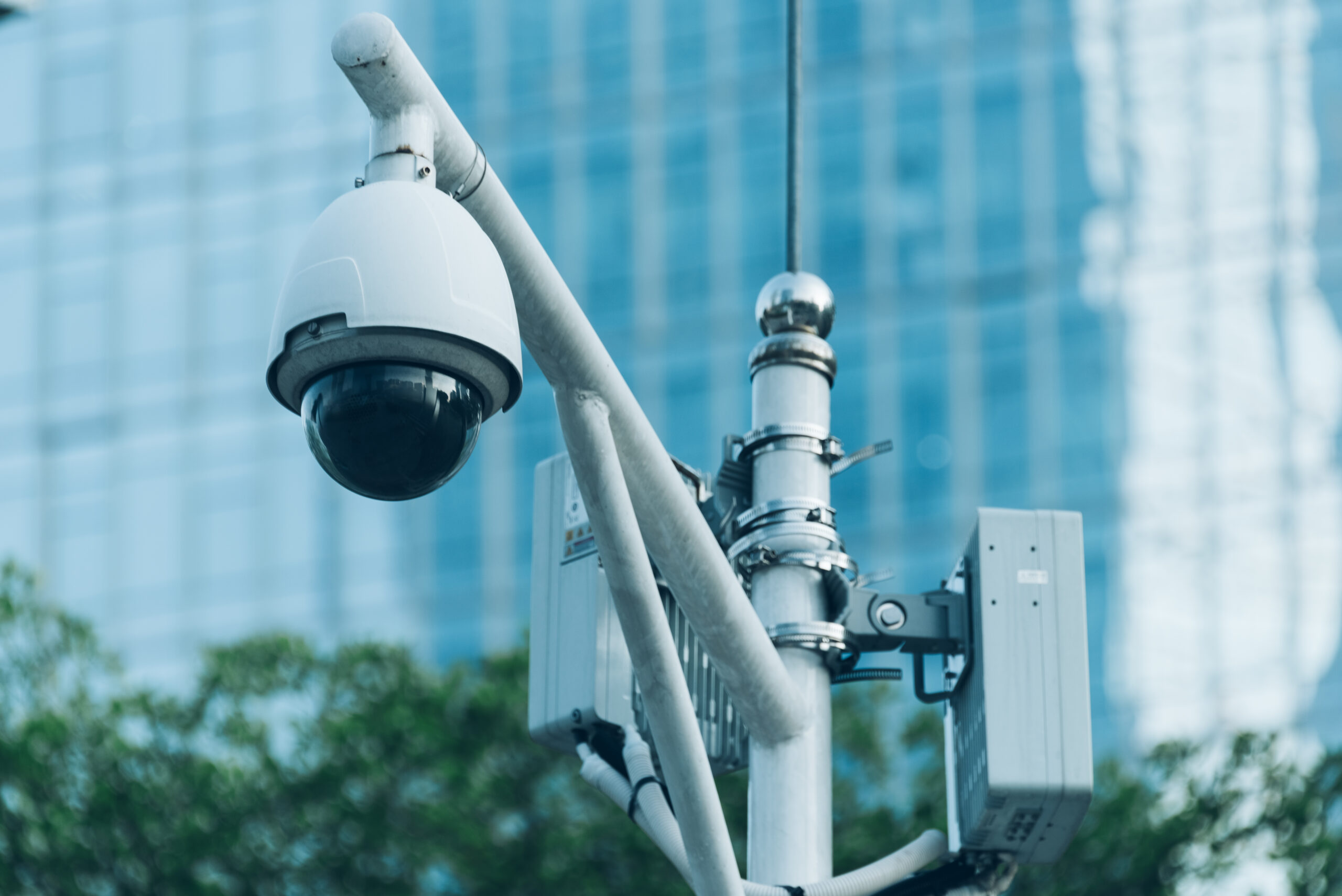
A surveillance camera can be online, recording and technically healthy while failing its operational purpose. A changed shelf, new sign, seasonal vegetation or altered lighting may block the critical part of a scene. Field-of-view verification is the process of proving that each camera still observes the people, objects and routes identified in the security design.
Start with the security objective
Every audit should begin with a plain-language statement of purpose. A camera may be intended to detect movement at a boundary, observe activity in a lobby, identify a person at a controlled door or document a vehicle at an entry lane. Those are different tasks. A wide image that looks impressive on a monitor may not contain enough useful detail at the point where an incident must be understood.
The audit record should identify the camera, location, intended scene, critical zones, retention path and responsible owner. A current site plan or annotated reference image helps the reviewer compare the design assumption with the live view. Avoid judging coverage only from a thumbnail in a video wall.
Verify the scene under real conditions
Reviewers should test representative daytime and nighttime conditions, including direct sunlight, reflections, backlighting, rain where relevant and changes caused by automatic exposure or infrared illumination. A person should walk the expected route while the team confirms whether operators can follow the movement across cameras. For vehicle applications, test the lane positions and speeds that occur in practice.
Privacy masks, analytic regions, focus, zoom and image orientation should be checked together. A firmware or VMS update can preserve the video stream while resetting analytics or changing behavior. ONVIF interoperability can support device communication, but it does not prove that the resulting image meets the security objective.
Look for operational blind spots
A blind spot is not limited to an area outside the lens. It can also be a zone hidden by foreground objects, an overexposed doorway, an angle where faces are consistently turned away or a handover gap between adjacent cameras. Operators should report recurring ambiguities because these observations often reveal problems that a one-time installer test misses.
The audit should include the live view, recorded playback and export path. Time accuracy, image quality during motion and retrieval from the correct archive all matter. Where analytics generate alarms, confirm that the detection zone corresponds with the verified scene.
Document, prioritize and retest
Findings should be ranked by operational effect. A blocked decorative overview is not equivalent to a blind spot at a high-risk access point. Corrective actions may include cleaning, refocusing, changing the mount, adjusting lighting, trimming vegetation or adding coverage. Keep before-and-after images and record who accepted the result.
Field-of-view audits should be repeated after construction, layout changes, camera replacement and significant software updates. They also belong in periodic assurance for a video surveillance program. The goal is not to prove that cameras exist; it is to prove that usable evidence and situational awareness remain available where the risk assessment requires them.
Leave a Reply