
Category: Borders

  • Army Laser Weapon Downs Cartel-Linked Drones on Texas Border in System’s First Confirmed Use

    Army Laser Weapon Downs Cartel-Linked Drones on Texas Border in System’s First Confirmed Use

    The US Army’s Multipurpose High Energy Laser destroyed three cartel-linked drones along the Texas border over two nights, August 25 and 26, 2026, in what officials describe as the system’s first confirmed operational engagement, according to reporting from DroneXL, Unmanned Airspace, and NORTHCOM’s own statement, corroborated by AeroVironment, which confirmed one of its AMP-HEL units was involved.

    The engagements took place in airspace over or near the Rio Grande Valley in southern Texas and were carried out by Joint Task Force-Southern Border, a roughly 8,000-strong US Northern Command unit. The drones were assessed as hostile because they were operating in direct support of activity posing a physical threat to US military personnel and Customs and Border Protection partners working the area.

    Vehicle-Mounted System Produces 20 Kilowatts of Laser Power

    AMP-HEL is a vehicle-mounted directed-energy weapon capable of producing 20 kilowatts of laser power, designed for precision engagement of small unmanned aerial threats at a fraction of the cost of a traditional interceptor missile. The military did not specify the exact model variant used in the border engagements.

    The successful engagement marks a turnaround for the program, which drew criticism in February after an AMP-HEL unit mistakenly targeted the wrong drone and briefly froze operations at a commercial airport. Border-area counter-drone activity has intensified this year as cartel organizations increasingly use small unmanned aircraft for smuggling and surveillance, prompting expanded federal investment in counter-UAS testing and detection infrastructure.
  • DAS for Border and Long-Perimeter Monitoring

    DAS for Border and Long-Perimeter Monitoring

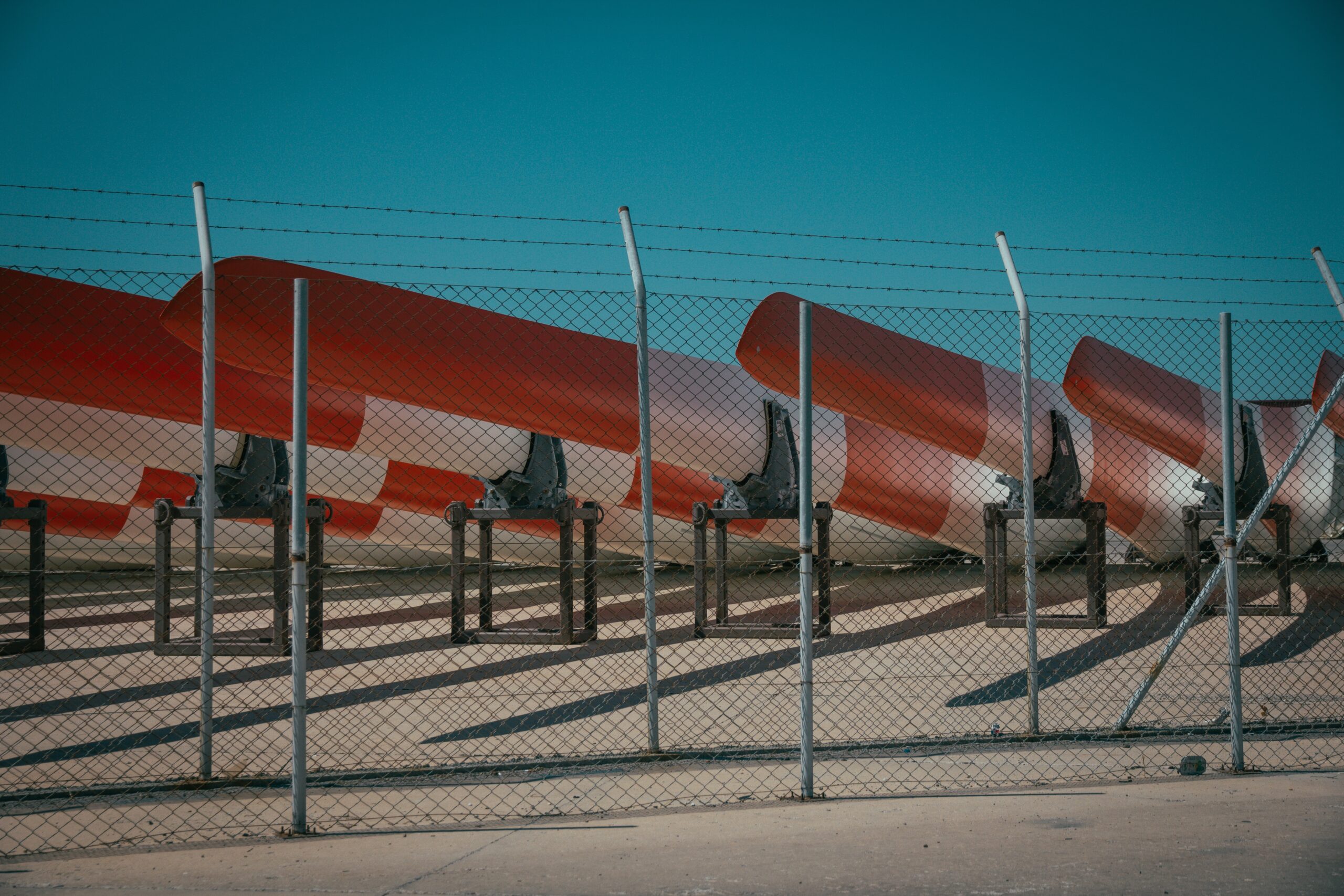
    Long boundaries are difficult to secure with point sensors alone. Distributed Acoustic Sensing can turn fiber installed along a route into a continuous detection layer, providing location-aware vibration and acoustic information over many kilometres.

    Why DAS fits long perimeters

    A single interrogator can monitor a long fiber path, reducing the need for powered electronics at every detection point. This is attractive for remote fences, pipelines, rail corridors and large critical-infrastructure boundaries.

    Event classification

    The main challenge is not detecting vibration but identifying what created it. Machine-learning models can help distinguish footsteps, vehicles, digging, fence interaction, weather and background activity.

    Sensor fusion

    DAS becomes far more useful when alarms cue cameras, thermal imagers or radar. Fiber provides location; optical sensors provide visual confirmation.

    Deployment factors

    Cable installation method, soil type, fence coupling, fiber route and local noise strongly affect performance. Calibration must therefore be site-specific.

    Operational value

    The strongest use case is persistent awareness over distance. DAS should be treated as part of a layered system rather than a standalone answer to every perimeter-security problem.

    Conclusion

    DAS for Border and Long-Perimeter Monitoring should be evaluated as part of a broader operational architecture. The strongest deployments combine suitable sensing technology, resilient communications, clear procedures and measurable performance rather than relying on a single device or headline specification.