Category: Fire Detection & Automatic Fire Protection

Fire detection, alarm and automatic suppression systems for buildings, industrial sites and critical infrastructure.

  • Fire Detection Systems: Smoke, Heat, Flame and Gas Detection Explained

    Fire Detection Systems: Smoke, Heat, Flame and Gas Detection Explained

    Fire detection is a layered engineering discipline. No single detector is ideal for every environment because fires develop differently depending on fuel, ventilation, ceiling height, temperature and process conditions. Modern systems therefore use combinations of smoke, heat, flame and gas detection selected around the risk.

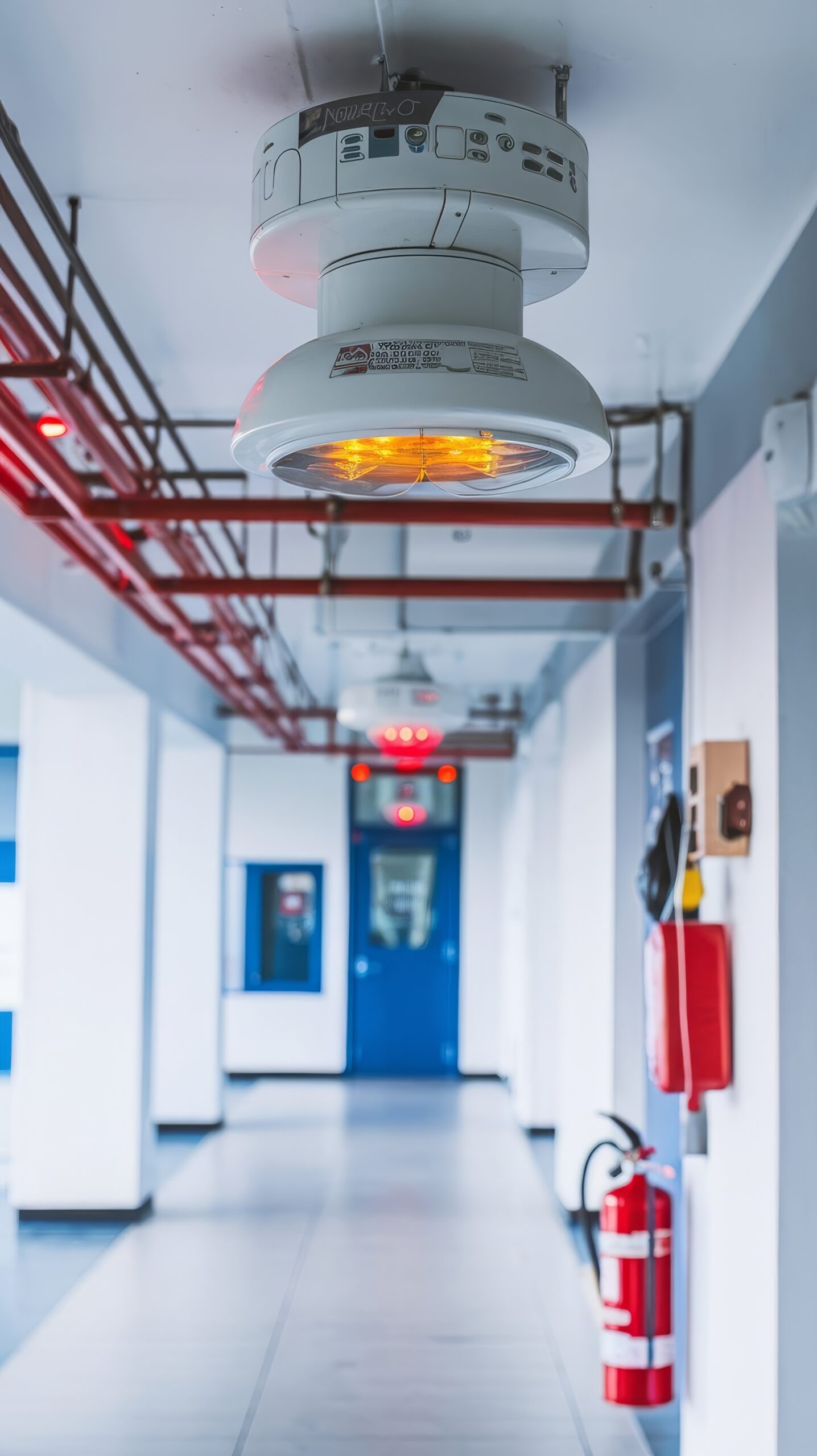
    Smoke detectors are common in buildings because many fires produce aerosols before dangerous heat develops. Optical detectors are widely used, while aspirating smoke detection can provide very early warning in data centers, clean rooms and high-value facilities.

    Heat detectors respond to fixed temperature thresholds or rapid temperature rise. They are useful where smoke detection would create nuisance alarms, such as dusty or steamy environments, but generally respond later than sensitive smoke systems.

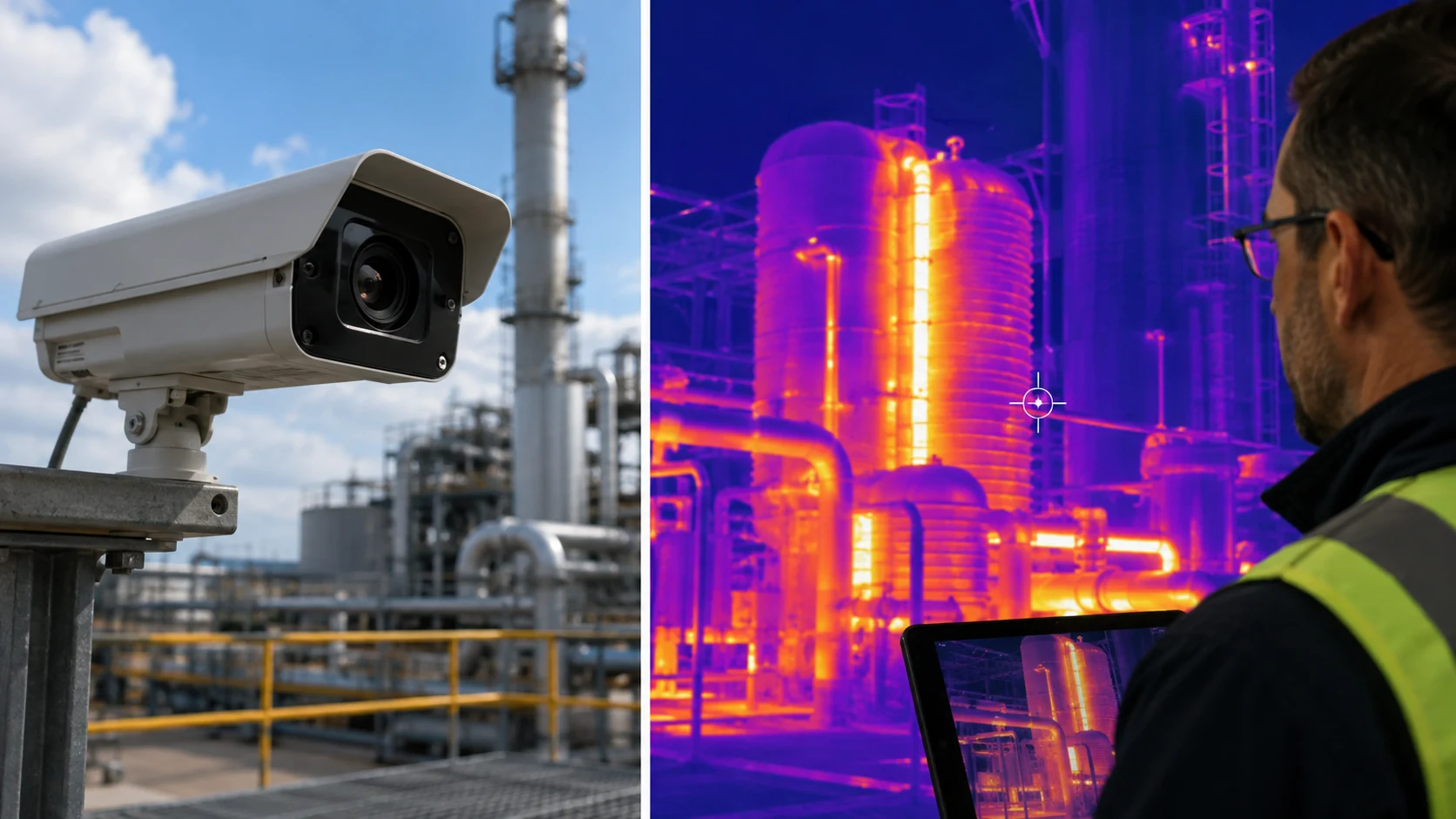
    Flame detectors identify optical signatures from combustion. Ultraviolet, infrared and multispectrum designs can react rapidly to open flames and are common in refineries, fuel storage, aircraft hangars and process facilities.

    Gas detection addresses combustible, toxic or fire-related gases. In some industrial risks, gas monitoring can identify a dangerous release before ignition occurs. Carbon monoxide sensing may also provide useful fire information in selected applications.

    Detector selection must consider false-alarm sources, coverage geometry, maintenance and the consequences of delayed detection. Integration with alarms, suppression, smoke control, shutdown systems and emergency communications is equally important.

    The best fire-detection design is therefore hazard-based. Engineers should ask what is likely to happen first in a credible fire scenario—smoke, heat, flame or gas—and choose technologies that detect that stage reliably while remaining practical to maintain.

  • Fire Detection and Automatic Fire Suppression Systems: A Complete Guide

    Fire Detection and Automatic Fire Suppression Systems: A Complete Guide

    Understand fire detection, alarm and automatic suppression systems, from smoke and heat detection to sprinklers, water mist, foam and clean-agent systems.

    How fire detection works

    Different detectors respond to different products of combustion. Smoke detectors respond to airborne particles or changes caused by smoke. Heat detectors react when temperature reaches a threshold or rises rapidly. Flame detectors identify characteristic radiation from flames. Gas detection can identify combustible or toxic gases associated with an industrial process or battery event.

    Aspirating smoke detection actively draws air through sampling pipework to a sensitive detector and can provide early warning in environments such as data centers, high-bay facilities and clean spaces. Linear heat detection monitors temperature along a cable or sensing path and is useful for long assets such as tunnels, conveyors and cable trays.

    Automatic sprinklers

    Automatic sprinklers remain one of the most widely used forms of fixed fire protection. Individual sprinkler heads generally operate when local heat causes the thermal element to activate, meaning a typical system does not release water from every head at once. OSHA’s fire-protection rules distinguish automatic sprinkler systems from other fixed extinguishing systems and require fixed-system components and agents to be designed and approved for the specific hazards they are intended to control.

    Water mist, water spray and deluge

    Water-mist systems use very fine droplets to influence heat and radiant heat transfer, depending on the application and design. Water-spray and deluge systems can protect industrial hazards, transformers or process equipment where rapid, broad application is required. These are engineered solutions where nozzle position and hydraulic calculations matter.

    Foam and clean-agent systems

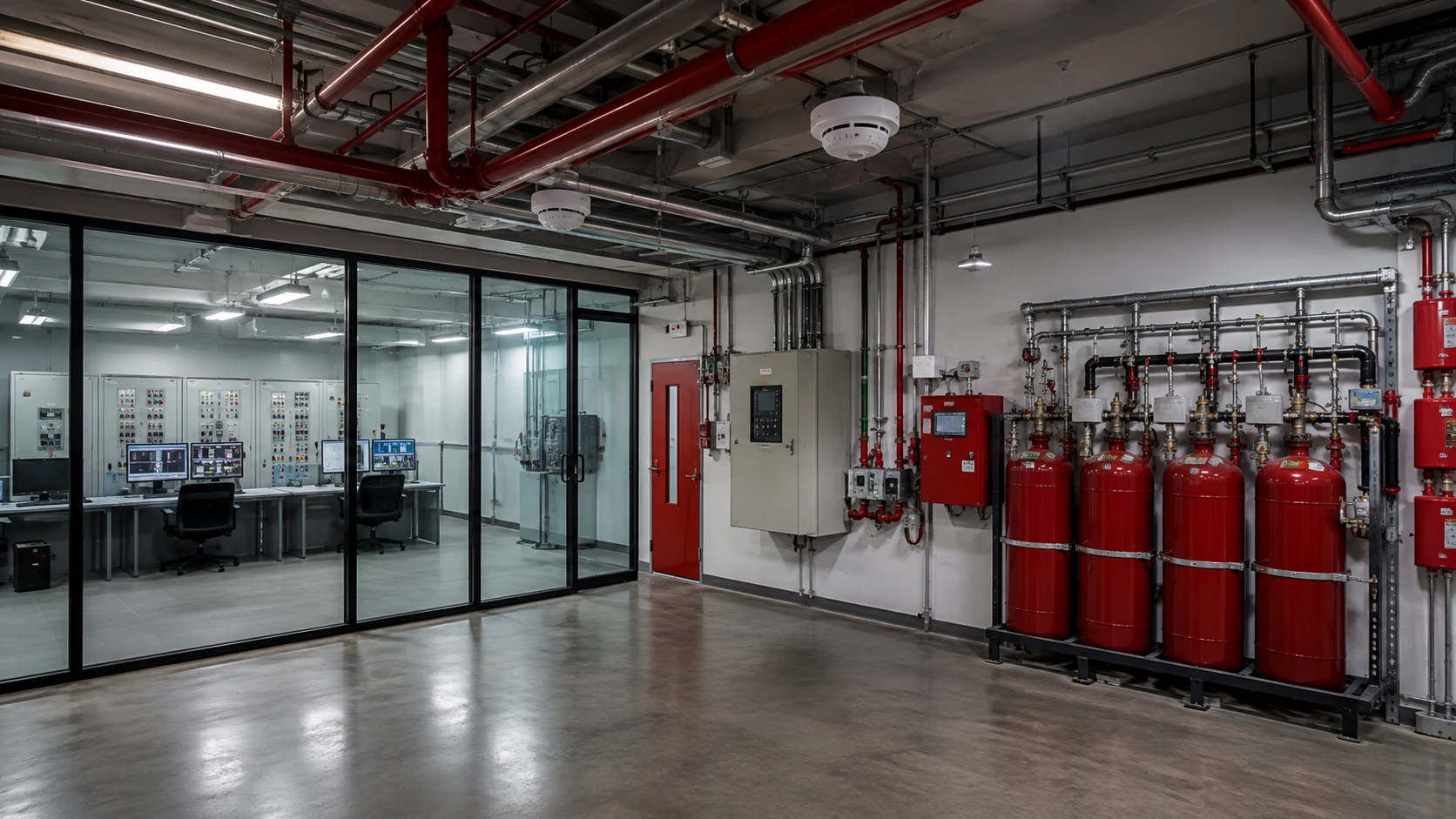
    Foam is primarily associated with flammable-liquid hazards because it can form a blanket over a fuel surface and reduce vapor release. Fixed gaseous systems are commonly used where water damage is a major concern or where three-dimensional hazards require agent distribution throughout an enclosure. OSHA requires safeguards for hazardous discharge areas and, for certain total-flooding systems, a pre-discharge alarm that gives employees time to exit.

    Detection-to-release logic

    Automatic release should be designed to avoid both delayed suppression and unwanted discharge. Engineered systems may use cross-zoned detection, confirmation logic, manual release stations, abort controls, pre-discharge alarms and equipment shutdowns, verified during commissioning.

    How to choose the right technology

    Start with the fire hazard, not the preferred product. Ask what can burn, how quickly the fire can develop, whether people occupy the space, whether water is acceptable, and what business interruption would result from a discharge. Design, installation, inspection and maintenance should be handled by qualified professionals under the applicable local standards.

    FAQ

    Does every automatic suppression system need smoke detectors? No. The detection and activation method depends on the system and hazard; some systems have independent thermal activation.

    Are clean agents safe for occupied rooms? Suitability depends on agent concentration, exposure conditions, system design and applicable standards. Occupancy safety must be engineered, not assumed.

    Is water mist the same as a sprinkler system? No. Both use water, but droplet characteristics, operating pressures, design methods and applications differ.

    Verification note: Fire codes and accepted extinguishing agents vary by jurisdiction. Final published versions should identify relevant NFPA, EN, UL/FM or local standards for the target geography.

  • Alarm.com Expands Into Commercial Fire With New Fire Communicator

    Alarm.com Expands Into Commercial Fire With New Fire Communicator

    Alarm.com has launched the Fire Communicator (ADC-FC100), extending its commercial security platform into fire alarm monitoring for the first time, the company announced.

    What’s New

    The UL-listed, NFPA 72-compliant communicator lets service providers add fire monitoring alongside the intrusion, access control and video categories already available through Alarm.com for Business, standardizing commercial customers on a single platform across all four major categories of commercial security. “The Fire Communicator has the same Alarm.com benefits that helped us grow in other categories like intrusion and access control,” said Scott Davis of DDA Systems, an Alarm.com dealer. “What makes it so valuable is how simple it is to use.”

    Why It Matters

    Fire alarm monitoring has traditionally required a separate communicator and, often, a separate service relationship from intrusion and access control systems. By folding fire into its existing commercial platform, Alarm.com is betting that dealers who already sell and service its intrusion, access and video products will find it easier to add fire monitoring than to manage a fourth, disconnected system — a consolidation trend also visible in other access-control and video vendors’ recent moves to unify previously separate security categories.