
Category: Industrial Safety & Monitoring

  • Siemens Showcases ASD+ Aspirating Smoke Detection at NFPA Conference & Expo 2026

    Siemens Showcases ASD+ Aspirating Smoke Detection at NFPA Conference & Expo 2026

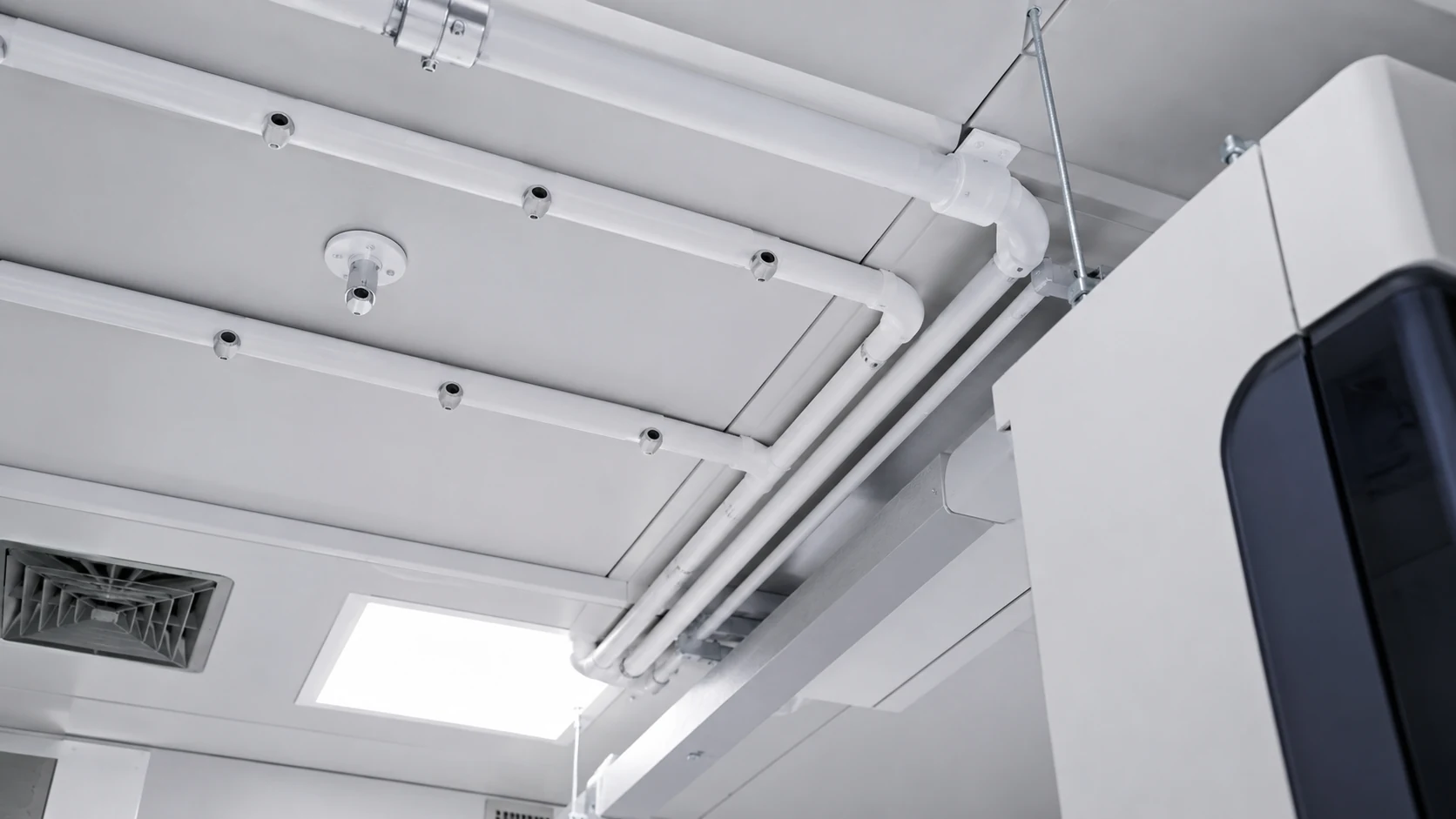
    June 22, 2026 — Siemens presented its ASD+ aspirating smoke detection system, alongside its Acend Intelligent, Fire Install Suite and Fire Digital Twin offerings, at the NFPA Conference & Expo 2026 in Las Vegas.

    What happened

    Aspirating smoke detection actively draws air samples to a detector rather than waiting for smoke to reach a ceiling-mounted sensor, a very-early-warning approach recognized in NFPA 72 for environments with airflow challenges. Siemens positioned ASD+ alongside its broader fire-safety software suite at the industry’s largest annual fire-protection conference.

    Why it matters

    Very-early-warning detection technologies are gaining renewed attention as data centers, industrial facilities and other airflow-challenged environments seek faster fire detection than conventional ceiling-mounted smoke alarms can provide, directly relevant to the fire-safety demands of the current AI data-center construction boom.

    Security and infrastructure impact

    Facility designers specifying fire-detection systems for high-value or airflow-complex environments — including data centers — increasingly need to evaluate aspirating and video-based detection alongside traditional point detectors rather than defaulting to legacy designs.
    Sources

    ← Back to Technology News

  • NVIDIA Expands AI-Powered Cybersecurity Partnerships for OT and ICS

    NVIDIA Expands AI-Powered Cybersecurity Partnerships for OT and ICS

    February 23, 2026 — NVIDIA detailed integrations with Akamai, Forescout, Palo Alto Networks, Siemens and Xage Security for operational technology and industrial control security.

    What happened

    NVIDIA announced that several security and industrial vendors were integrating its accelerated computing, AI and BlueField technology into OT and ICS security offerings. The company described architectures for visibility, policy enforcement and threat response at the infrastructure edge. Capabilities will vary by partner product and deployment, so the announcement should not be read as a single universally available solution.

    Why it matters

    OT environments often combine long-lived equipment, availability constraints and limited maintenance windows. Moving selected security functions closer to industrial workloads may improve visibility and response, but it also adds components that must be engineered and governed correctly.

    Security and infrastructure impact

    Operators should validate passive discovery, segmentation, fail-safe behavior, update procedures and the effect of automated containment on production. AI-generated detections must feed accountable incident workflows rather than making uncontrolled process decisions.

    Sources

    ← Back to Technology News