Category: Physical Security

  • GSX 2026 Preview: Security Leaders Head to Atlanta in September

    GSX 2026 Preview: Security Leaders Head to Atlanta in September

    Global Security Exchange returns to Atlanta in September with an agenda built around the operational and management challenges facing security leaders. The ASIS International event combines a technology exhibition with education on physical protection, information security and organizational resilience.

    Event details

    • Dates: 14–16 September 2026
    • Venue: Georgia World Congress Center
    • Location: Atlanta, Georgia, USA

    Published themes and technology areas

    • Intelligence and organizational resilience
    • Information security and site security
    • Supply-chain and personnel security
    • Investigations, executive protection and governance

    Who should follow the event

    Security directors, enterprise risk leaders, consultants, integrators and practitioners responsible for protecting people, facilities, information and supply chains.

    Why it matters

    GSX is useful for teams comparing technology with policy and operating practice. Its published education tracks span both physical and information-security responsibilities, making it relevant to organizations managing converged risk.

    Registration and visit planning

    Registration is open through the official GSX website. ASIS also lists pre-conference programs for 12–13 September; visitors should check the current registration and program pages before booking.

    Sources

    Security & Fire Exhibitions

  • Security Essen 2026 Preview: Integrated Security and Fire Protection

    Security Essen 2026 Preview: Integrated Security and Fire Protection

    Security Essen returns as a broad technology exhibition spanning electronic, physical and digital security. Messe Essen’s published scope includes access control, video surveillance, perimeter protection, fire protection, cybersecurity and civil protection.

    Event details

    • Dates: 22–25 September 2026
    • Venue: Messe Essen
    • Location: Essen, Germany

    Published themes and technology areas

    • Access control and video surveillance
    • Perimeter and site protection
    • Fire protection and warning systems
    • Cybersecurity, civil protection and civil defence

    Who should follow the event

    Security managers, fire-safety professionals, system integrators, installers, consultants, public authorities and buyers evaluating cross-domain protection systems.

    Why it matters

    The exhibition is positioned around systems that increasingly share networks, identity data and operating workflows. That makes it a practical place to compare how suppliers approach integration, resilience and lifecycle support.

    Registration and visit planning

    The organizer’s ticket shop is open. Visitors should use the official site for current opening times, the exhibitor list, program and travel information.

    Sources

    Security & Fire Exhibitions

  • Smart City Security: Cameras, Sensors and Public-Safety Platforms

    Smart City Security: Cameras, Sensors and Public-Safety Platforms

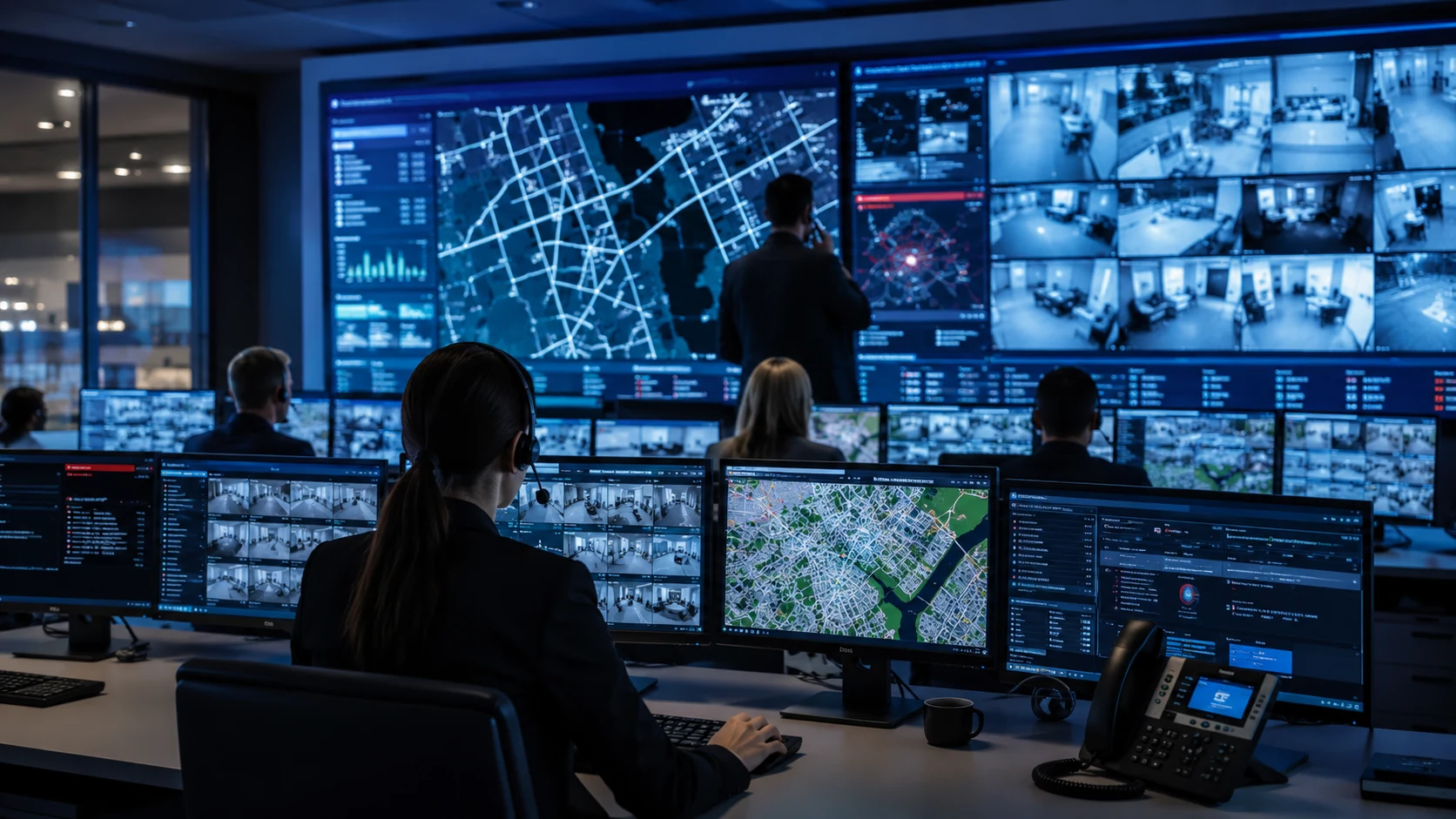
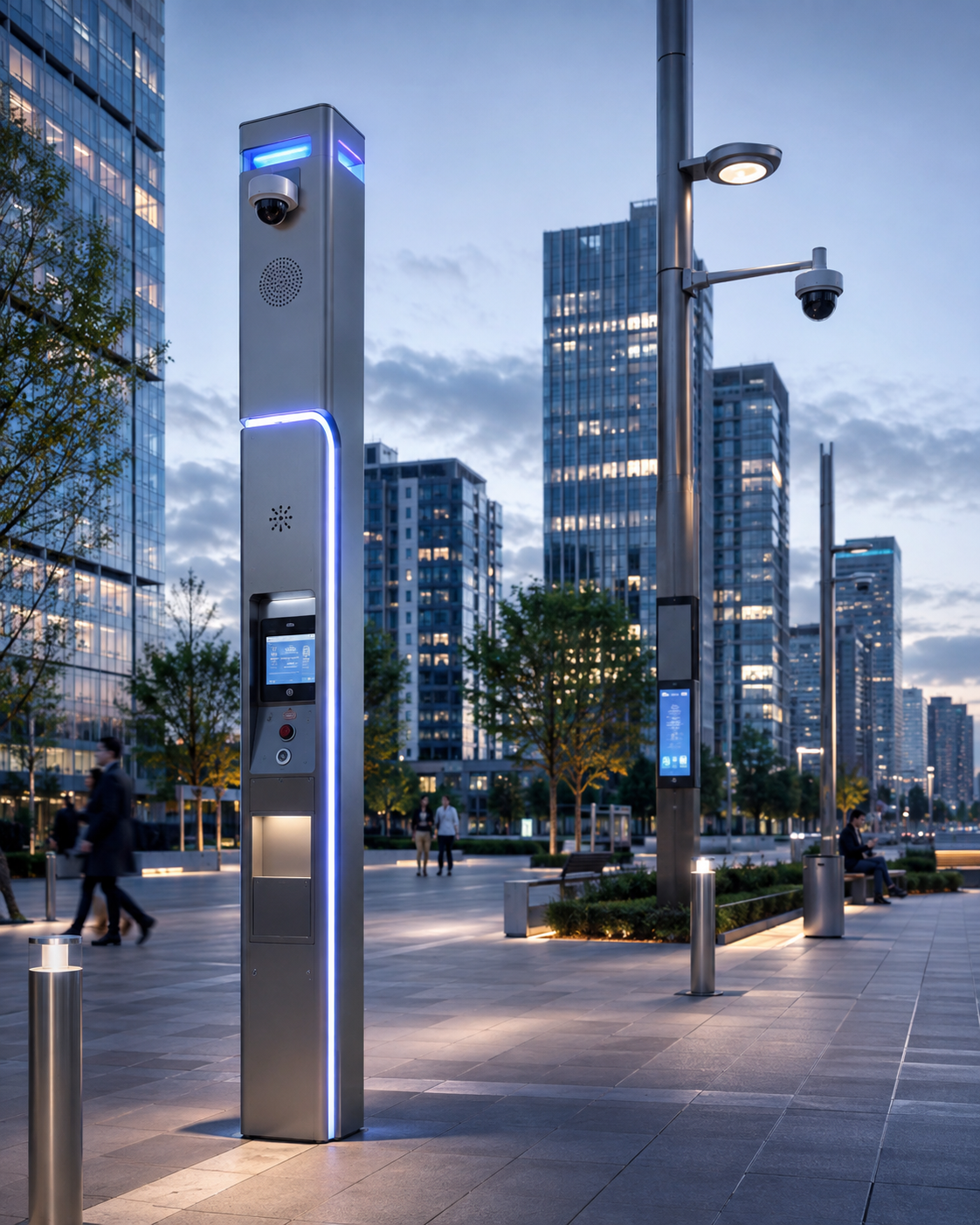
    Smart-city security is moving beyond large camera networks toward integrated situational awareness that combines video, environmental sensors, transport data, emergency communications and analytics.

    From surveillance to situational awareness

    A camera-only model produces large volumes of video but limited context. Modern platforms correlate video with traffic, access, environmental, acoustic and emergency-service information.

    Edge intelligence

    Running analytics at the edge can reduce bandwidth and provide faster alerts. Typical functions include object detection, crowd density, traffic incidents and unusual behavior, but deployment must be guided by clear public policy.

    Privacy and governance

    Smart-city security can affect millions of people. Data minimization, retention limits, auditability, transparency and role-based access are essential for maintaining public trust.

    Resilient communications

    City platforms depend on fiber, wireless and cloud connectivity. Architecture should assume outages and include local recording, redundant paths and graceful degradation.

    A platform, not a single product

    Successful smart-city deployments are built around interoperability. Open interfaces allow agencies to combine sensors from different vendors while preserving cybersecurity and operational control.

    Conclusion

    Smart City Security: Cameras, Sensors and Public-Safety Platforms should be evaluated as part of a broader operational architecture. The strongest deployments combine suitable sensing technology, resilient communications, clear procedures and measurable performance rather than relying on a single device or headline specification.

  • Hospital Security Technology: Protecting Patients, Staff and Clinical Operations

    Hospital Security Technology: Protecting Patients, Staff and Clinical Operations

    Hospitals are open environments with a difficult security balance: they must remain accessible to patients and visitors while protecting people, medicine, data, critical equipment and restricted clinical areas.

    A uniquely open security environment

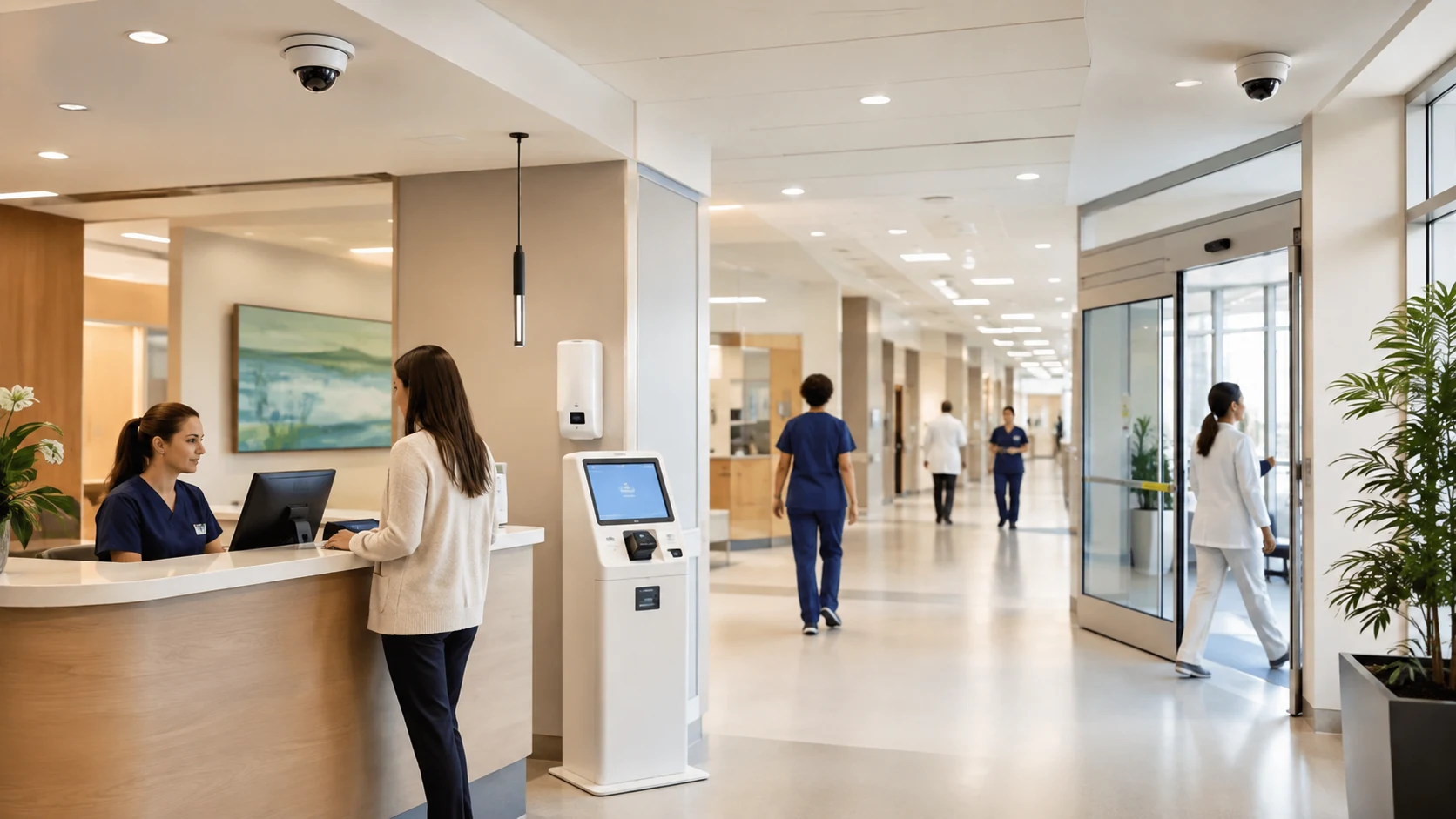
    Unlike many critical facilities, hospitals cannot operate as closed campuses. Emergency departments, outpatient clinics and public entrances create continuous flows of people, making identity, visitor management and staff workflows central to the security design.

    Access and identity

    Modern hospitals commonly combine staff credentials, mobile access, role-based permissions and visitor registration. Sensitive zones such as pharmacies, laboratories, operating rooms, neonatal areas and data rooms require stronger controls and detailed audit trails.

    Video and analytics

    Video systems support investigation, crowd awareness and protection of entrances, parking areas and high-risk corridors. Analytics can help detect unusual movement or congestion, but privacy rules and clinical context require careful policy design.

    Duress and emergency communication

    Staff duress devices, fixed panic buttons and location-aware alerts can shorten response time. Mass notification must reach clinical staff without creating alarm fatigue or interfering with critical care.

    Integration matters

    The most effective hospital security platform connects access events, alarms, video, visitor data and emergency communications. Cybersecurity and privacy governance must be built in because physical-security systems increasingly share the hospital network.

    Conclusion

    Hospital Security Technology should be evaluated as part of a broader operational architecture. The strongest deployments combine suitable sensing technology, resilient communications, clear procedures and measurable performance rather than relying on a single device or headline specification.

  • Port and Maritime Security Systems: Technologies and Architecture

    Port and Maritime Security Systems: Technologies and Architecture

    Ports are complex security environments where ships, cargo, trucks, workers, visitors and critical infrastructure interact continuously. Effective protection therefore requires coordinated monitoring across land, waterside areas and access points.

    Perimeter and Waterside Detection

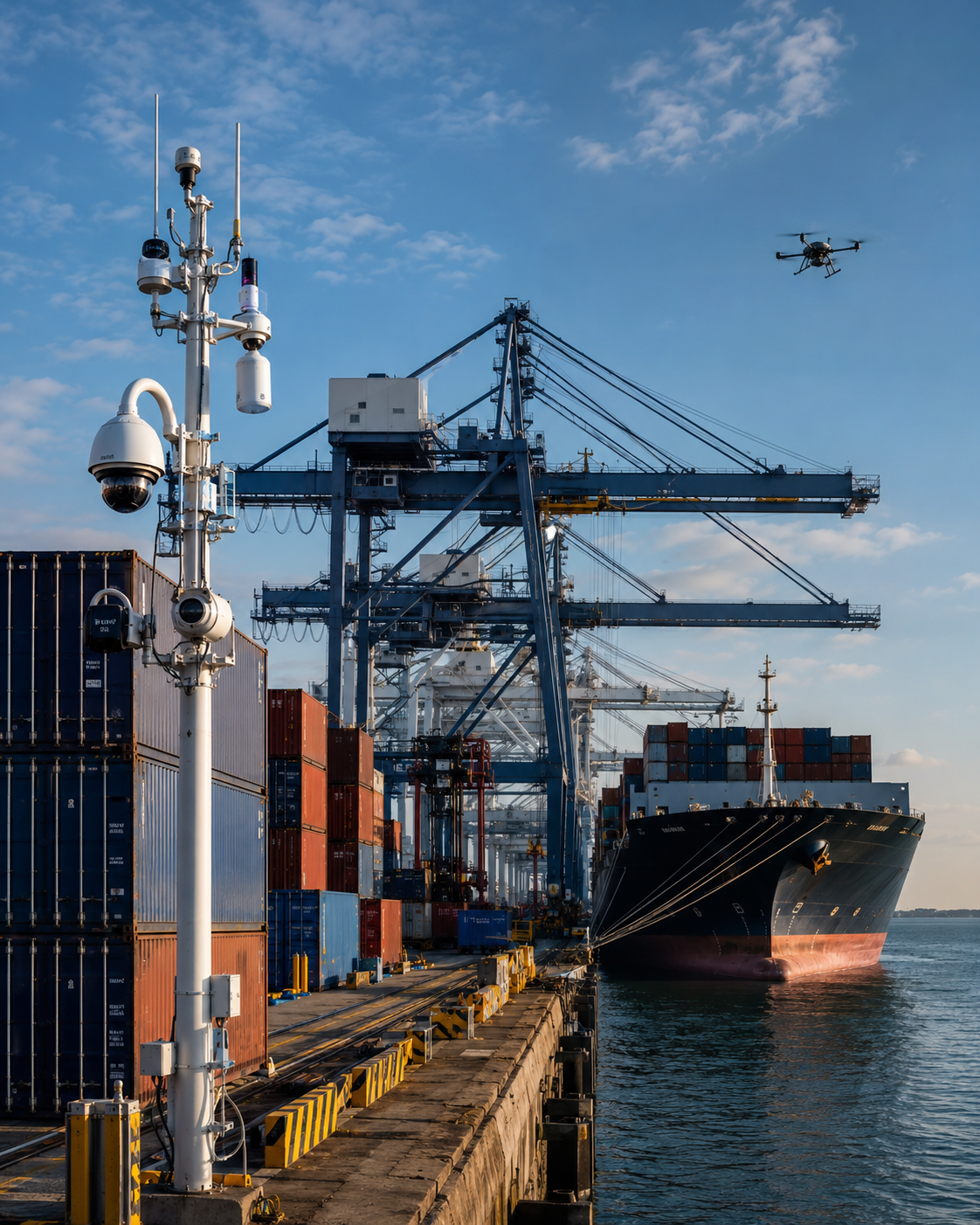
    Land boundaries may use fencing, fiber-optic intrusion detection, radar, thermal cameras and fixed video surveillance. Waterside protection requires a different sensor mix. Marine radar, thermal imaging, electro-optical cameras and vessel-tracking data can help operators understand activity approaching restricted areas.

    Access and Identity

    Ports contain numerous restricted zones. Staff, contractors, drivers and visitors require different access permissions. Smart credentials, biometric verification, vehicle identification and gate automation can reduce manual processing while improving auditability.

    Cargo and Vehicle Security

    Container yards and logistics gates need clear chain-of-custody controls. License-plate recognition, container identification, video evidence and screening technologies can be integrated with terminal operating systems so security events are linked to operational records.

    Maritime Domain Awareness

    AIS vessel data provides useful context but should not be treated as a complete detection system. Radar, optical sensors and other independent sources are necessary because not every object will transmit reliable identity information. Sensor fusion helps create a more complete picture of the waterside environment.

    Command and Control

    Large ports may operate thousands of cameras and many independent security systems. A unified command center should correlate video, access-control alarms, radar tracks, intrusion events, vessel information and emergency communications. Map-based visualization is especially valuable in large terminals.

    Critical Infrastructure Protection

    Ports also contain fuel systems, power distribution, communications, cranes and industrial control equipment. Cybersecurity and physical security must be coordinated because disruption to connected operational systems can create physical consequences.

    Conclusion

    Modern port security depends on layered detection and strong operational integration. The objective is not simply to watch more cameras, but to combine identity, cargo, perimeter and maritime data into a coherent picture that allows operators to identify unusual activity early and respond efficiently.

  • Pipeline Security Architecture: Sensors, Fiber, Cameras and Control Centers

    Pipeline Security Architecture: Sensors, Fiber, Cameras and Control Centers

    Pipelines cross long distances, remote terrain and multiple jurisdictions. Protecting them requires more than cameras at a few stations. Modern pipeline security combines distributed sensing, process data, imaging and centralized command-and-control.

    The Linear Challenge

    A pipeline can extend hundreds or thousands of kilometers. Conventional point sensors leave large gaps, while continuous patrol is expensive. Distributed Acoustic Sensing can use fiber installed along the route to identify excavation, digging, vehicle movement and other vibration events. In some applications, acoustic signatures may also contribute to leak-related monitoring.

    Process Monitoring

    Security data should be combined with pressure, flow and valve information. A suspicious vibration event near the route becomes more important if process data simultaneously shows an abnormal change. This correlation reduces the time required to understand what is happening.

    Video Verification

    Cameras and thermal imagers are most useful at high-risk locations such as block-valve stations, terminals, crossings and urban interfaces. On long remote routes, mobile cameras, drones or PTZ systems can be tasked after another sensor identifies a specific location.

    Perimeter Protection at Facilities

    Compressor stations, pump stations and terminals require conventional layered security: fencing, access control, radar, thermal imaging, intrusion detection and vehicle management. These fixed sites should feed the same operational picture as the linear pipeline sensors.

    Command and Control

    A central platform should correlate fiber alarms, SCADA events, video, GIS coordinates and maintenance information. Operators need a map-based view showing where an event occurred, what nearby assets are present and which verification resources are available.

    Cyber-Physical Risk

    Pipelines are cyber-physical systems. Security architecture must protect both field assets and the networks connecting sensors, cameras and control systems. Segmentation, authentication and secure remote access are essential.

    Conclusion

    The most effective pipeline-security model is layered and data-driven. Distributed fiber sensing provides continuous awareness along the route, while cameras, process systems and control centers add verification and context. The objective is not more alarms; it is faster, more reliable understanding of events affecting the pipeline.

  • Data Center Physical Security: A Layered Design Guide

    Data Center Physical Security: A Layered Design Guide

    Data centers are among the most security-sensitive facilities in modern infrastructure. They contain high-value equipment, critical data services and dependencies that support banking, telecom, cloud platforms, government systems and enterprise operations. Physical security must therefore be designed as a layered system.

    Layer 1: Site Boundary

    The outer boundary should discourage casual access and provide early detection. Depending on the site, this may include fencing, vehicle barriers, perimeter cameras, thermal imaging, radar or fiber-optic intrusion detection. The goal is to create enough distance and warning time before a person reaches the building.

    Layer 2: Vehicle and Visitor Control

    Vehicle gates, intercoms, license-plate recognition and visitor-management systems establish accountability before entry. Delivery vehicles and contractors should follow workflows different from permanent staff.

    Layer 3: Building Access

    Access control should use strong credentials, anti-passback logic and role-based permissions. High-security sites may add biometrics, mantraps or multi-factor physical authentication. Credentials should be linked to HR and identity-management processes so access changes when employment status changes.

    Layer 4: White Space and Critical Rooms

    Server halls, network rooms, power systems and storage areas require additional zoning. Not every employee who can enter the building should be able to enter every technical space. Door events should be correlated with video so investigations can reconstruct who entered, when and under which authorization.

    Video and Analytics

    Cameras support verification, investigation and compliance. Coverage should focus on entrances, corridors, cages, loading areas and critical equipment zones. Analytics can help identify tailgating, unusual movement or occupancy patterns, but should supplement rather than replace access-control logic.

    Environmental and Fire Protection

    Physical security also includes resilience. Aspirating smoke detection, thermal monitoring, leak detection, clean-agent suppression and power-system monitoring protect availability from non-criminal threats.

    Cyber-Physical Security

    Security devices themselves are networked computers. Cameras and controllers need firmware management, segmentation, strong credentials and logging. Compromised physical-security devices can create both cyber and physical risk.

    Conclusion

    The strongest data-center design uses multiple independent layers so failure of one control does not expose the asset. Perimeter security, identity, video, environmental monitoring and cybersecurity should all contribute to a single risk-based architecture.

  • Airport Security Architecture: From Perimeter to Terminal

    Airport Security Architecture: From Perimeter to Terminal

    Airports combine public spaces, restricted operational zones, aircraft movement areas, baggage systems, cargo facilities and critical communications infrastructure. Effective airport security therefore depends on layered architecture rather than a single technology.

    The Outer Perimeter

    The first layer protects the airfield boundary. Typical technologies include intelligent fencing, fiber-optic intrusion detection, radar, thermal cameras, fixed video surveillance and controlled vehicle gates. The objective is early detection and rapid verification, not simply creating a physical barrier.

    Airside Access

    Access points between landside and airside areas require strong identity controls. Staff credentials, biometric verification, vehicle authorization and anti-passback rules can reduce unauthorized movement. Temporary contractors and service vehicles deserve particular attention because their access requirements change frequently.

    Terminal Security

    Inside terminals, video surveillance, analytics, access control, screening systems and public-address platforms operate together. The challenge is scale: thousands of cameras and alarms can overwhelm operators unless information is prioritized through a unified command-and-control platform.

    Baggage and Cargo

    Baggage handling and cargo areas have different risk profiles from passenger spaces. Screening equipment, restricted access, chain-of-custody controls and video evidence must be integrated with operational workflows.

    Airspace Awareness

    Small unmanned aircraft have added another security layer. Airports increasingly evaluate radar, RF, optical and acoustic technologies for drone detection. Detection architecture must minimize interference with aviation systems and comply with national regulations.

    Cyber-Physical Integration

    Modern airport security is deeply networked. Cameras, access controllers, screening devices and building systems must therefore be treated as cyber-physical assets. Network segmentation, device hardening, credential management and monitoring are part of physical-security design.

    Conclusion

    A secure airport is not built by purchasing isolated systems. The strongest architecture connects perimeter detection, identity, screening, video, airspace awareness and command-and-control into a layered operational model. The design goal is to detect early, verify quickly and give operators enough context to respond appropriately.

  • Security Robots: Where Autonomous Patrol Actually Makes Sense

    Security Robots: Where Autonomous Patrol Actually Makes Sense

    Autonomous security robots attract attention because they make physical security visible, but their real value depends on operational fit. A robot is not automatically useful simply because it can patrol. The strongest deployments are those in which mobility solves a specific coverage, inspection or staffing problem.

    Robots can carry visible-light cameras, thermal imaging, microphones, environmental sensors, LiDAR and two-way communications. They can follow scheduled patrol routes, stop at checkpoints, record evidence and alert operators when analytics detect an anomaly.

    Large warehouses, data-center campuses, parking facilities, industrial plants and logistics yards are among the environments where robotic patrol can make sense. These sites often have long repetitive routes, predictable surfaces and many assets that benefit from frequent inspection.

    The technology is less convincing in cluttered public environments, complex stairways, heavy pedestrian traffic or areas with constantly changing obstacles. Weather, ramps, curbs, doors and elevators can also limit mobility.

    Robots should not be evaluated primarily by appearance. Buyers should examine uptime, docking reliability, navigation accuracy, battery endurance, sensor quality, cyber security, remote takeover, API integration and how frequently a human must intervene.

    The best architecture connects robotic patrol with existing security systems. A robot can be dispatched to a door alarm, thermal anomaly or perimeter event, then stream video into the command center. This turns the robot into a mobile verification platform rather than a standalone novelty.

    Autonomous robots are unlikely to replace security personnel broadly. They can, however, take over repetitive observation tasks, extend sensor coverage and give operators a mobile viewpoint when deployed in environments that match their capabilities.

  • Critical Infrastructure Airspace Monitoring

    Critical Infrastructure Airspace Monitoring

    Critical infrastructure security traditionally focused on fences, gates, cameras and ground-based intrusion detection. Drones have added a new dimension: the low-altitude airspace above a facility can now be used for observation, inspection, accidental overflight or unauthorized activity. Power plants, refineries, substations, ports, data centers and water facilities increasingly treat airspace awareness as part of physical security.

    A typical architecture combines radar, RF sensing, optical or thermal cameras and a command platform. Radar supplies range, direction and track history. RF monitoring can provide protocol-level clues when a drone is actively communicating. Cameras verify the target and create evidence. Sensor fusion then combines these data points into a single operational track.

    Risk is highly site-specific. A drone above a large solar farm presents a different concern from one approaching a high-voltage substation, LNG terminal or nuclear facility. Security teams should therefore define protected zones, alert thresholds and escalation rules around critical assets rather than using one uniform alarm policy.

    Integration with existing systems is essential. When an airspace event is detected, nearby perimeter cameras can be cued automatically, incident-management software can create a case and operators can correlate the drone’s route with ground activity. This is especially valuable when the airspace event is part of a broader security incident.

    Environmental design is also important. Industrial facilities contain steel structures, pipes, cranes, electromagnetic noise and moving machinery. These conditions affect radar, RF and camera performance. Site surveys and real-world testing should therefore be part of procurement.

    The most useful outcome is not a separate drone console, but a unified picture that shows what is happening on the ground and in the air. As critical infrastructure becomes more instrumented, low-altitude airspace monitoring is likely to become another standard layer of integrated physical security.