Category: Physical Security

  • Physical Security Technologies: From Fences to Ballistic Protection

    Physical Security Technologies: From Fences to Ballistic Protection

    Physical security is the combination of people, procedures, architecture, and technology used to protect people, facilities, operations, and assets from physical threats. It spans far more than cameras and access cards. A complete strategy can include site planning, fences, gates, lighting, intrusion detection, vehicle barriers, secure doors, glazing, ballistic-resistant assemblies, surveillance, communications, and trained response.

    The central design principle is layering. No single fence, sensor, lock, or rated material can address every threat. Effective protection uses complementary measures to deter an adversary, detect activity, delay progress, support assessment, and enable a proportionate response.

    Begin with risk, not equipment

    The U.S. Interagency Security Committee’s Risk Management Process frames facility protection around determining the facility’s security level, identifying risks, and selecting appropriate countermeasures. The same logic applies outside federal facilities: define what must be protected, identify credible threats and vulnerabilities, assess consequences, and then select measures that reduce risk to an acceptable level.

    A warehouse, data center, hospital, school, airport, power substation, and public venue require different designs. The objective is not to maximize visible hardware. It is to create a defensible system whose detection, delay, and response times work together.

    Site boundaries, fences, and controlled approaches

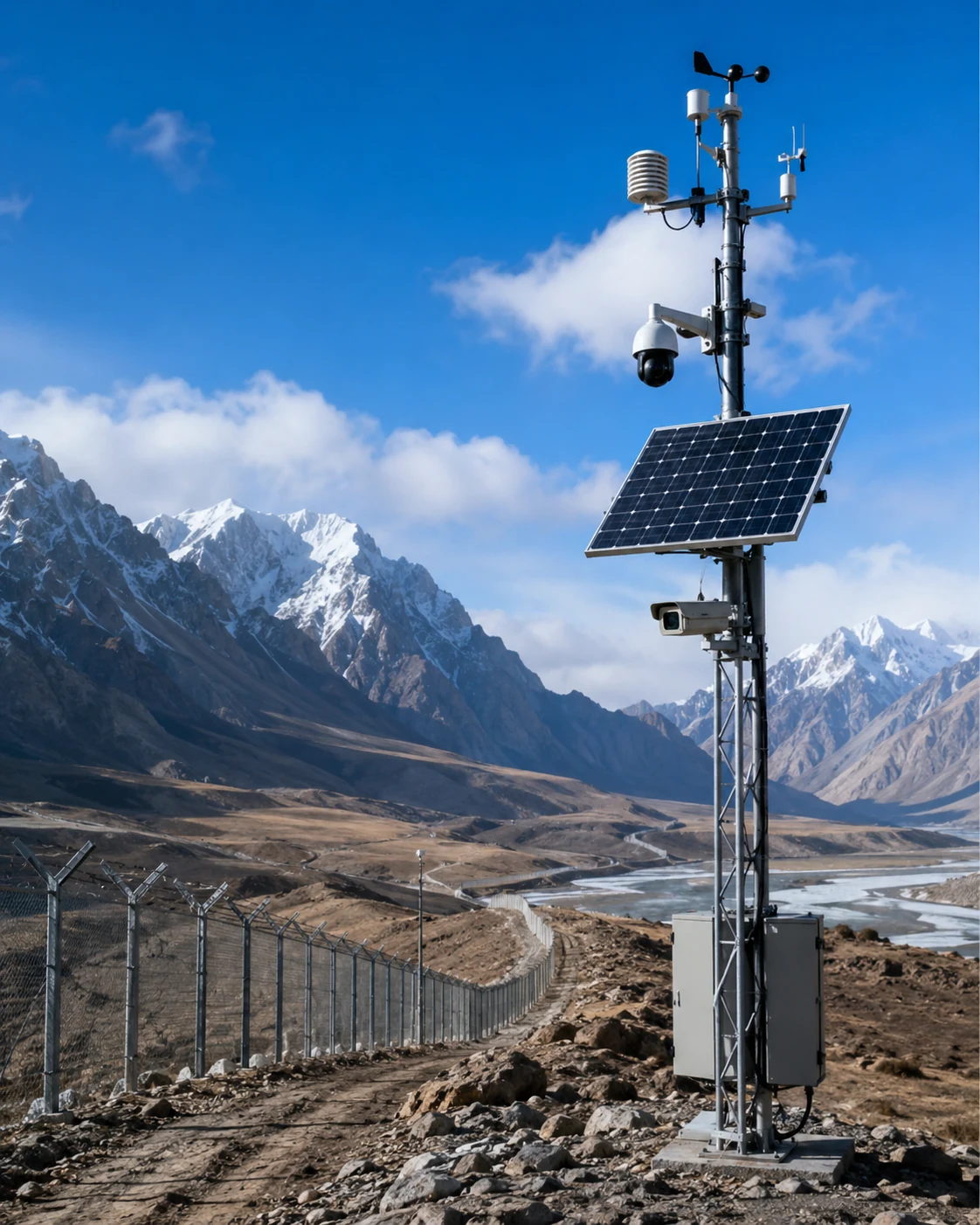
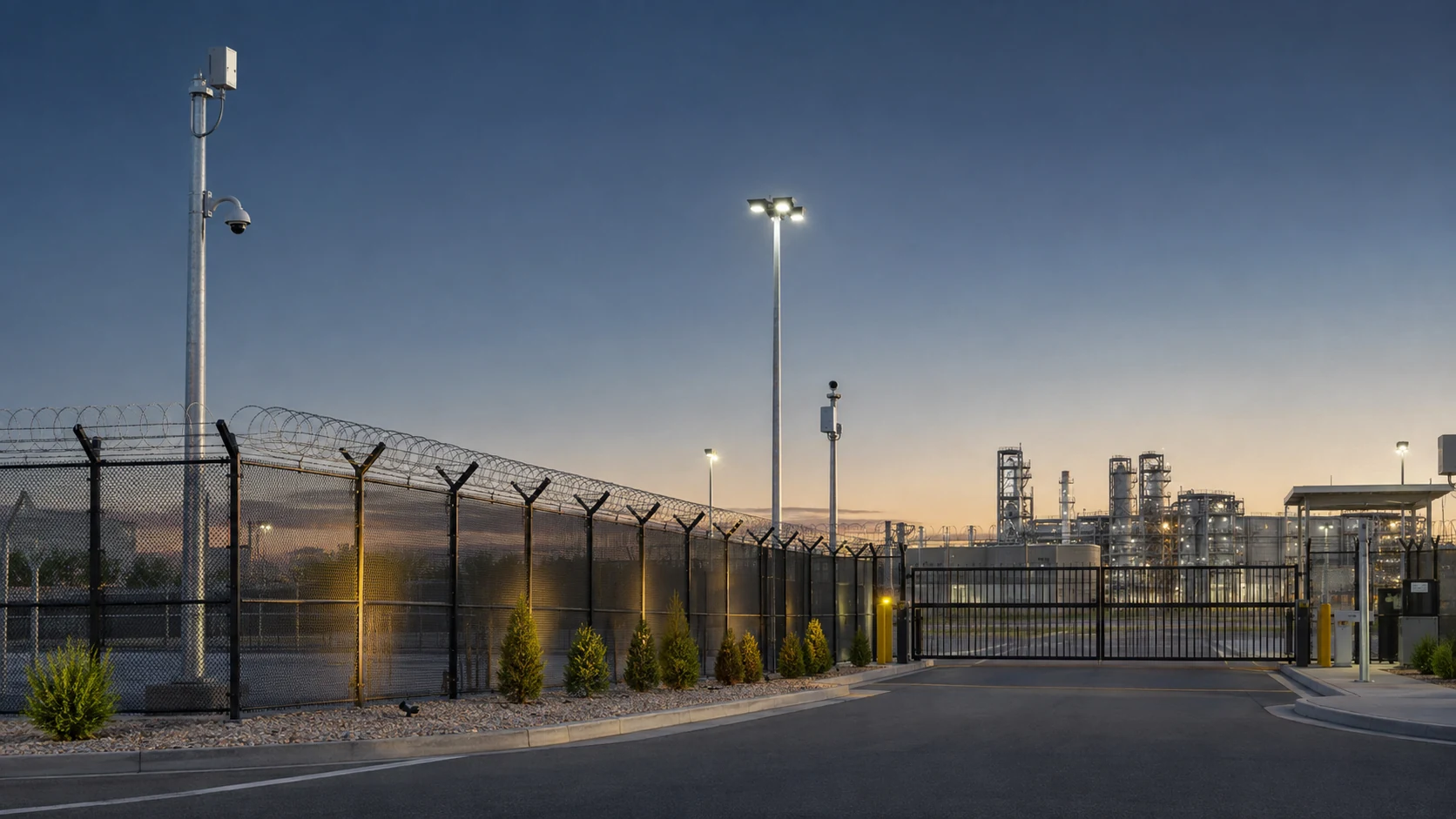
    Fences establish a boundary, channel movement, and can provide delay, but their performance depends on height, construction, foundations, gates, nearby climb aids, terrain, and inspection. The design should also preserve sightlines where surveillance and patrols need them. Landscaping, signage, and lighting can reinforce the boundary without creating concealment or unnecessary hazards.

    Gates are often more vulnerable than the fence line because they must support routine vehicle and pedestrian flow. Their locking, monitoring, safety controls, credentialing, and emergency operation should be treated as part of the security system rather than as standalone mechanical products.

    Vehicle barriers and hostile-vehicle mitigation

    Bollards, road blockers, wedges, gates, planters, reinforced street furniture, and landscape features can help keep unauthorized vehicles away from people or critical structures. The appropriate solution depends on the threat vehicle, approach geometry, available stand-off distance, traffic operations, emergency access, accessibility, drainage, utilities, and foundation conditions.

    Crash performance must be supported by the relevant test standard and rating for the intended scenario. ASTM F2656 addresses vehicle security barriers for medium-duty and heavy vehicles, while ASTM F3016 covers low-speed vehicle impact testing. A rating is not a universal promise: installation details, foundations, site geometry, and tested configuration matter.

    Doors, locks, access control, and compartmentation

    The building envelope continues the layered system. Doors, frames, hinges, glazing, locks, and surrounding construction should be considered as an assembly. A high-security lock installed in a weak door or frame does not create a high-security opening. Access control adds identity, authorization, event records, and centralized management, but mechanical egress, fire safety, fail-safe or fail-secure behavior, and emergency procedures remain essential.

    Inside a facility, zoning and compartmentation restrict movement after the outer boundary has been crossed. Critical rooms may need stronger construction, two-factor access, anti-tailgating measures, monitored doors, or local response procedures based on risk.

    Intrusion detection, surveillance, and assessment

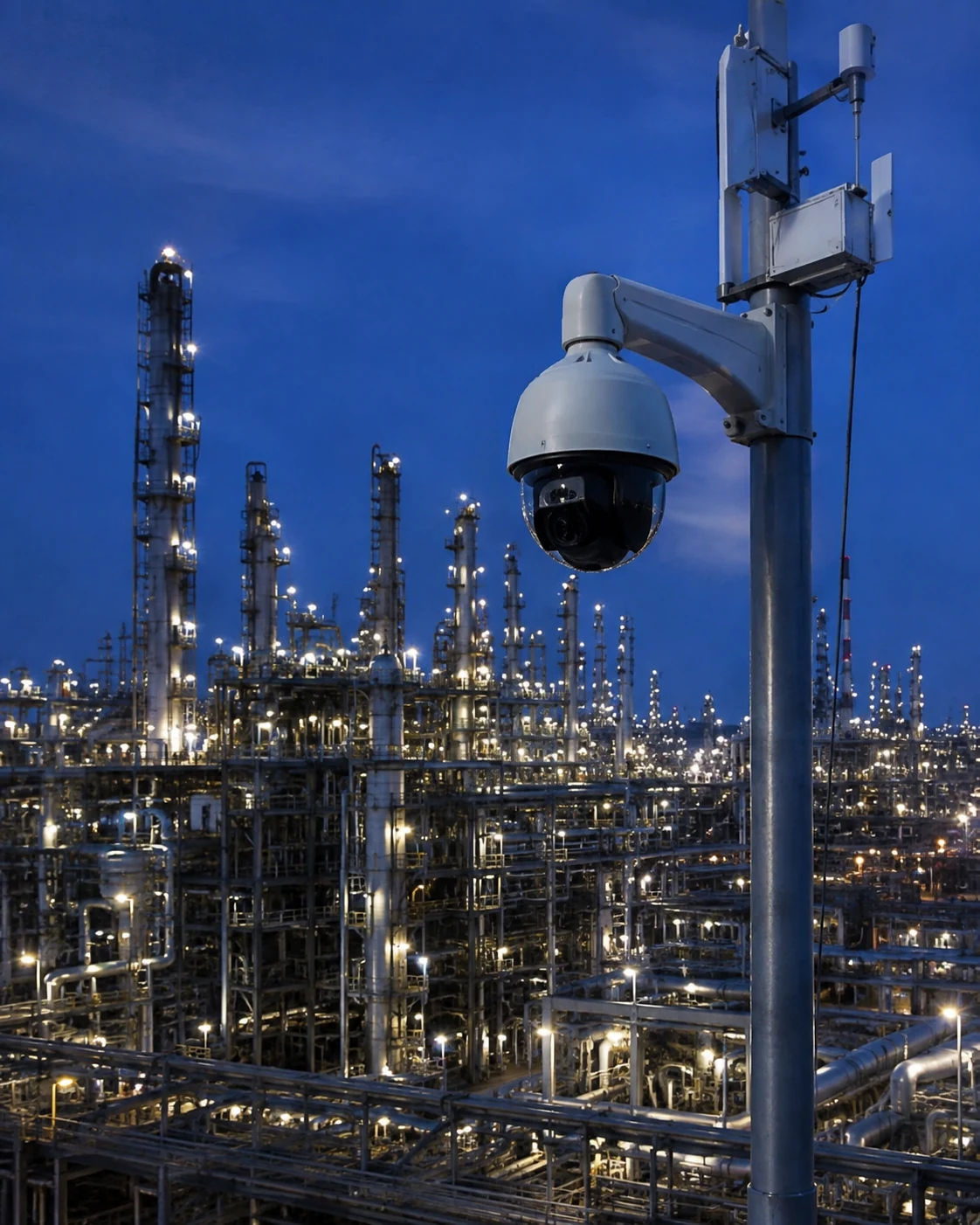
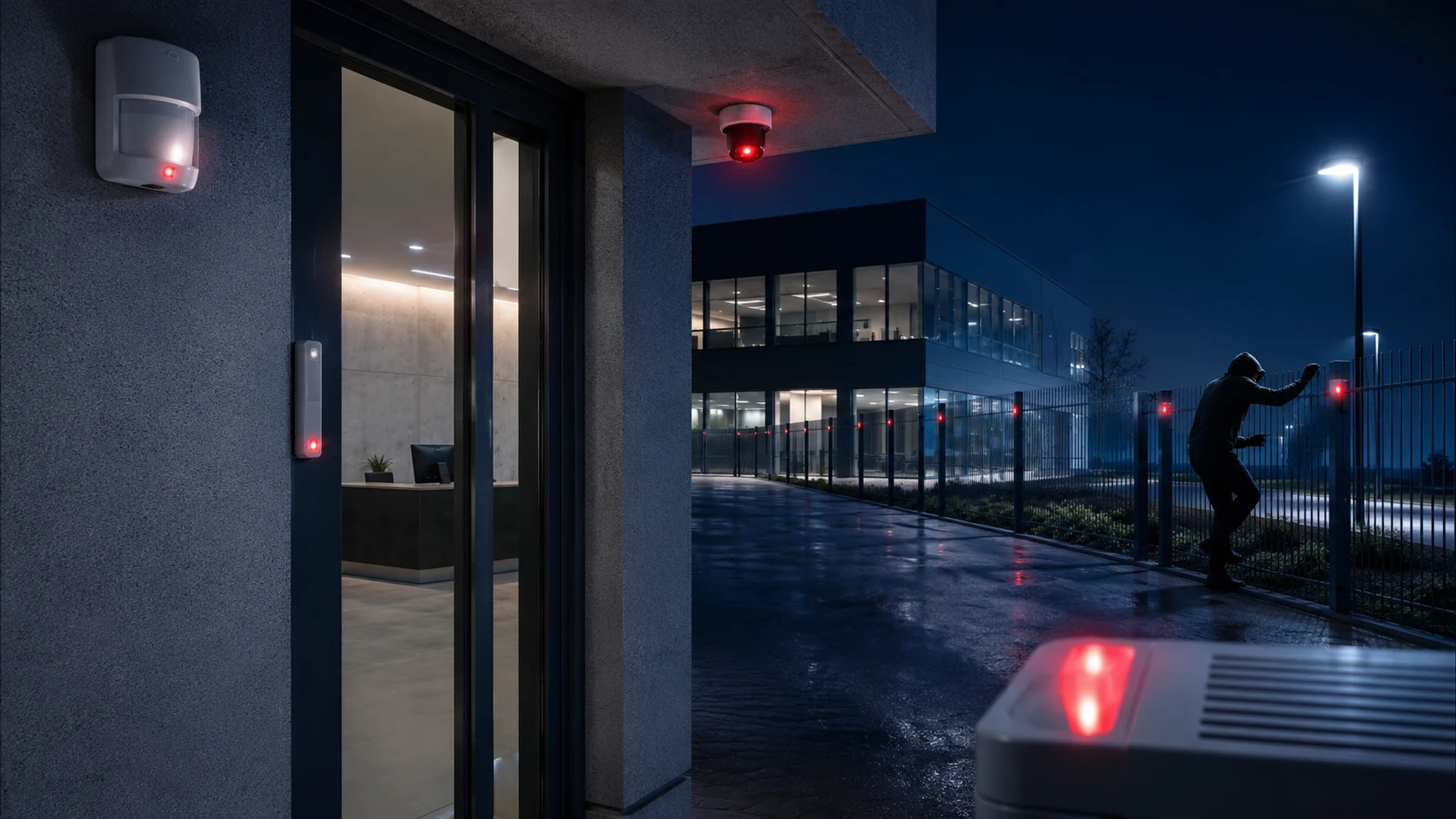
    Detection technologies can include fence-mounted sensors, buried sensors, magnetic contacts, motion detectors, radar, thermal cameras, visible-light cameras, and distributed fiber optic sensing. Each responds to different physical phenomena and environmental conditions. Combining independent sensing modes can improve confidence, but only if alarm logic and operator workflow are designed to avoid overload.

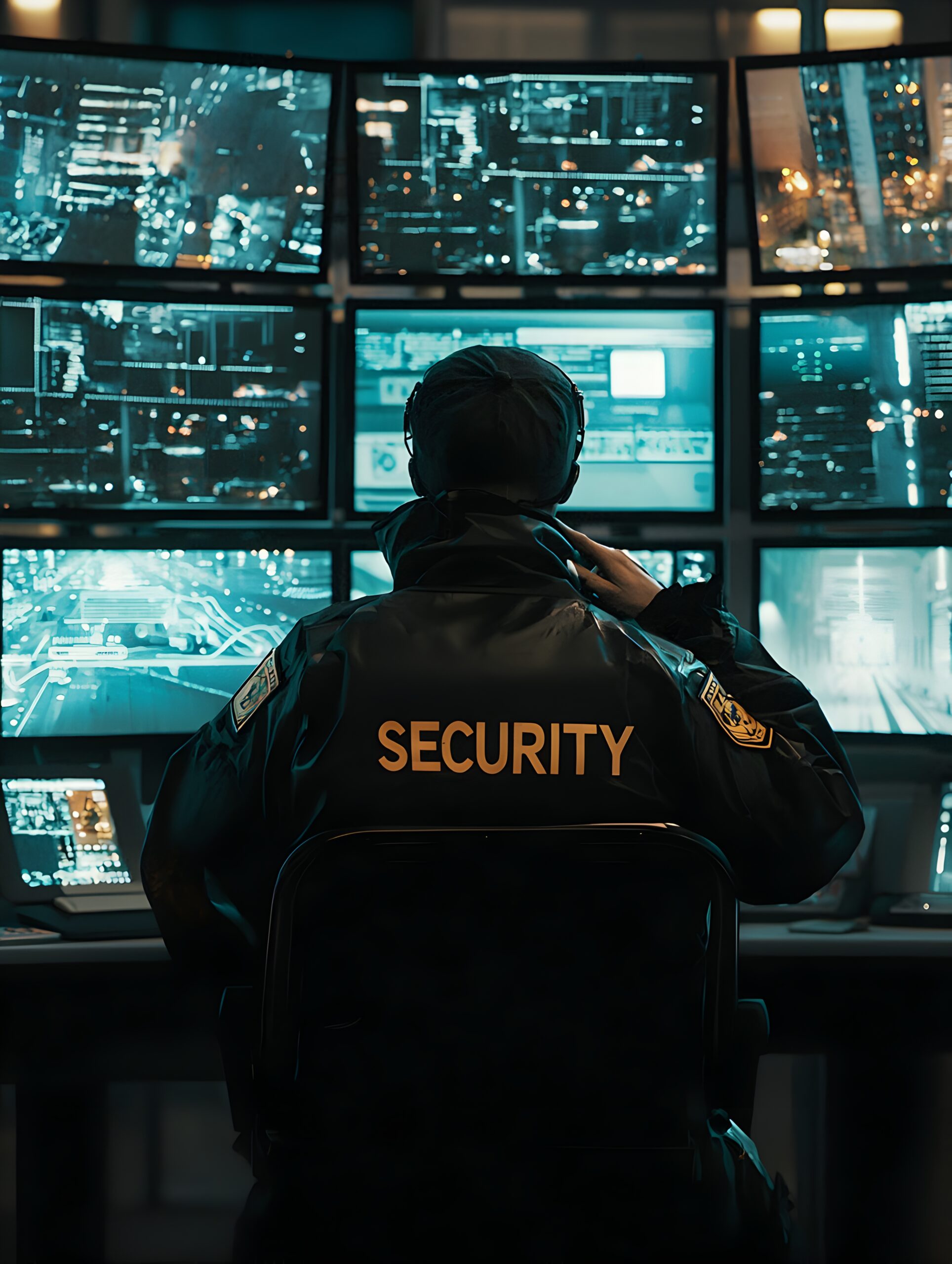
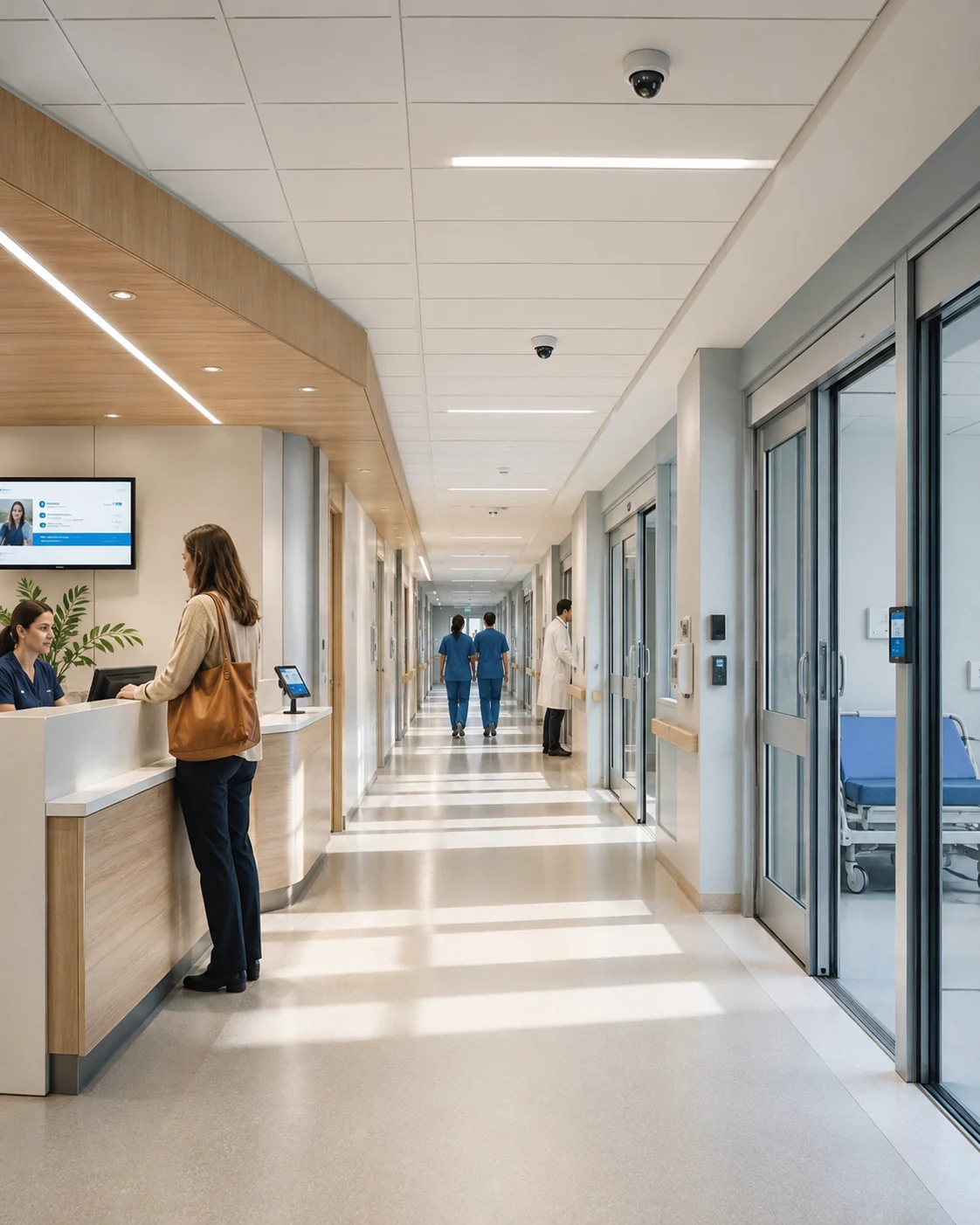
    Surveillance supports assessment and investigation. It should be designed around operational tasks: detect a person or vehicle, recognize activity, identify a subject where lawful and necessary, verify an alarm, or reconstruct an event. Camera placement, lighting, field of view, pixel density, retention, cybersecurity, and operator workload are more important than simply maximizing camera count.

    Ballistic-resistant protection

    Ballistic-resistant glazing, opaque panels, doors, frames, transaction windows, and guard enclosures are used where a threat assessment identifies a firearms risk. The protection must be specified as a tested assembly for the relevant threat, not by vague labels such as “bulletproof.” UL 752 is one established standard for bullet-resisting equipment. NIJ Standard 0108.01 addresses ballistic-resistant protective materials, although project teams should confirm whether a newer or jurisdiction-specific requirement applies.

    Material selection alone is insufficient. Joints, frames, penetrations, mounting, supporting construction, spall behavior, visibility, weight, fire performance, and egress can determine whether the installed system performs as intended. Field modifications that differ from a tested construction require careful engineering review.

    Blast, forced-entry, and related threats

    Ballistic resistance, forced-entry resistance, and blast resistance are different performance requirements. A product tested for one should not be assumed to satisfy the others. Blast design may involve stand-off distance, structural response, façade and glazing behavior, fragment hazards, and progressive-collapse considerations. Forced-entry design focuses on resisting tools, impact, and sustained attack for a defined period. Where these hazards are credible, qualified specialists should translate the risk assessment into tested performance requirements.

    People, procedures, and response

    Technology cannot compensate for an undefined response. Alarm ownership, escalation, communications, guard deployment, law-enforcement coordination, visitor management, key and credential control, maintenance, and drills are part of the physical security system. CISA’s physical-security guidance repeatedly emphasizes understanding risk, planning, training, and layered protective measures.

    A useful timing model compares adversary progress with detection, assessment, communication, and response. Delay measures are valuable when they create enough time for a reliable response; delay without detection may simply postpone an unnoticed intrusion.

    Design and procurement checklist

    1. Define assets, threats, vulnerabilities, consequences, and operational constraints.
    2. Map public, controlled, restricted, and critical zones.
    3. Coordinate architecture, security, fire safety, accessibility, and emergency egress.
    4. Specify tested performance standards and the exact configurations required.
    5. Integrate detection, assessment, communications, and response procedures.
    6. Protect networked security devices and management platforms from cyber compromise.
    7. Commission the installed system with realistic tests, including degraded and emergency modes.
    8. Inspect, maintain, audit, and update the design as threats and operations change.

    FAQ

    Is a tall fence enough to secure a site?
    No. A fence can define a boundary and add delay, but gates, terrain, climb aids, surveillance, detection, lighting, inspection, and response determine the effectiveness of the perimeter.

    What is the difference between ballistic-resistant and blast-resistant construction?
    Ballistic resistance addresses projectile threats; blast resistance addresses pressure, impulse, fragments, and structural response. They require different tests and engineering.

    Do crash-rated bollards work in every installation?
    No. The tested barrier configuration, foundation, spacing, approach conditions, utilities, and installation quality all matter. The selected rating must match the design threat.

    Should security doors fail safe or fail secure?
    That decision depends on life-safety codes, occupancy, threat, operational requirements, and emergency procedures. Egress must never be treated as an afterthought.

    Conclusion

    Physical security works as a system of layers rather than a catalog of products. Fences, barriers, doors, sensors, surveillance, and ballistic-resistant assemblies each have a role, but their value depends on risk-based selection, tested performance, integration, and a credible human response. The strongest design is the one that protects the mission while preserving safety, accessibility, and normal operations.

    Sources and verification

    Verification note: No barrier, ballistic, forced-entry, blast, or detection rating is claimed for a specific product. Project requirements must reference current standards, the tested configuration, local codes, and qualified engineering.

  • Motorola Solutions Completes $1.5 Billion Acquisition of Counter-Drone Firm D-Fend

    Motorola Solutions Completes $1.5 Billion Acquisition of Counter-Drone Firm D-Fend

    August 20, 2026 — Motorola Solutions completed its acquisition of D-Fend Solutions, a counter-drone technology company, for $1.5 billion, adding radio-frequency-based drone detection and mitigation to its public-safety portfolio.

    What happened

    D-Fend’s technology is designed to safely identify and neutralize unauthorized drones without kinetic interception, giving public-safety and enterprise customers air-to-ground situational awareness. Motorola Solutions said the acquisition would integrate into its broader ecosystem alongside its earlier Silvus Technologies deal.

    Why it matters

    The deal is Motorola Solutions’ second major counter-drone-adjacent acquisition within roughly a year, reflecting how central drone detection and mitigation has become to physical-security portfolios as unauthorized drone incursions increase at airports, stadiums, prisons and critical-infrastructure sites.

    Security and infrastructure impact

    Facility security managers evaluating counter-UAS options now have a wider range of integrated, single-vendor options from established public-safety technology suppliers rather than needing to combine point solutions from multiple smaller specialists.

    Sources

    ← Back to Technology News

  • Goessel USD 411 Deploys ZeroEyes AI Gun Detection Across Kansas School District

    Goessel USD 411 Deploys ZeroEyes AI Gun Detection Across Kansas School District

    Goessel USD 411, a two-campus school district in Kansas, has deployed ZeroEyes’ AI gun detection and intelligent situational awareness platform, funded through the Kansas Safe and Secure Firearm Detection Grant Program administered by the Office of the Kansas Attorney General, the company announced.

    What’s New

    ZeroEyes’ software layers onto the district’s existing digital security cameras, using computer vision to identify visible firearms in real time. Detections are verified by trained analysts in the company’s Operations Center before alerts are dispatched to designated school personnel and law enforcement. The district secured grant funding following coordination with local law enforcement and community leaders who identified AI gun detection as a safety priority.

    Why It Matters

    “The ability to accurately detect and identify a handgun from a distance exceeded our expectations and gave us added confidence in the technology’s role in helping keep our schools safe,” said Scott Boden, Superintendent of Goessel USD 411. The deployment adds to a growing list of Kansas and Midwest school districts using state firearm-detection grant programs to fund AI-based weapon detection as part of a broader national expansion of K-12 gun-detection deployments.

  • Verizon Offers $25,000 Reward After Fiber Vandalism Disrupts Southern California

    Verizon Offers $25,000 Reward After Fiber Vandalism Disrupts Southern California

    Verizon is offering a $25,000 reward for information leading to the arrest and conviction of those responsible for a series of intentional fiber-optic cable cuts that disrupted wireless and wireline service for thousands of customers in Los Angeles and other parts of Southern California, the company announced.

    What’s New

    Verizon said vandals cut multiple fiber cables over several days, interrupting service before crews restored connectivity. Citing National Cable & Telecommunications Association data, Verizon said California recorded 6,297 attacks on communications networks in 2025 — the most of any state — resulting in an estimated $252.6 million in economic losses, with Los Angeles accounting for 1,131 of those incidents. The company said nearly 600 vandalism incidents affecting its network occurred nationwide in the past month alone.

    Why It Matters

    “Acts of network theft and vandalism represent a direct threat to the safety and security of our communities, emergency services, healthcare and all who rely on critical communications,” Verizon said in announcing the reward. Joe Russo, executive vice president and president of Global Networks and Technology at Verizon, said the company’s network and security teams are working with law enforcement at all levels to identify those responsible. The incidents underscore how physical attacks on telecommunications infrastructure increasingly target fiber-optic lines that also carry 911 and emergency-response traffic.

  • EU Delays High-Risk AI Act Obligations While Biometric Surveillance Limits Stay in Force

    EU Delays High-Risk AI Act Obligations While Biometric Surveillance Limits Stay in Force

    July 27, 2026 — The EU’s Digital Omnibus on AI took effect, postponing the AI Act’s high-risk system compliance deadlines while transparency obligations and the ban on real-time public facial recognition by police remained in force.

    What happened

    High-risk requirements for standalone systems listed in Annex III were pushed to December 2, 2027, and requirements for most product-related high-risk AI systems were pushed to August 2, 2028. Real-time facial recognition by police in public spaces remains banned, with narrow exceptions for finding missing persons, preventing terrorist attacks or pursuing serious crimes, and deployers of emotion-recognition or biometric-categorization systems must inform people exposed to them.

    Why it matters

    Delaying high-risk obligations by roughly two years gives vendors and deployers of AI-based access control, video analytics and biometric systems significantly more runway to prepare compliance programs, while the narrower core prohibitions on real-time public facial recognition remain a hard line regulators are not relaxing.

    Security and infrastructure impact

    Security-technology vendors selling AI-based video analytics or biometric systems into the EU should track the distinction between the delayed high-risk obligations and the still-active transparency and facial-recognition-ban provisions, since compliance timelines now differ significantly by system category.

    Sources

    ← Back to Technology News

  • AI Data Center Growth Expands Power, Safety and Security Risk Planning

    AI Data Center Growth Expands Power, Safety and Security Risk Planning

    2025–2026 — Rapid AI data-center construction is forcing operators to treat power availability, fire safety, physical protection and cyber resilience as one connected risk program.

    What happened

    AI workloads are accelerating demand for high-density computing facilities and the energy systems that support them. The International Energy Agency’s Energy and AI work describes the growing relationship between data centers and electricity systems, while large infrastructure announcements show that the buildout is already moving into physical delivery.

    Why it matters

    The risk is not simply higher electricity consumption. Dense compute changes cooling, backup power, battery, fire-detection and business-continuity requirements. New sites also add construction-stage access, supplier and commissioning risks before normal operations begin.

    Security and infrastructure impact

    A defensible design connects cyber and physical controls: segmented building and OT networks, managed contractor identities, layered perimeter detection, validated fire scenarios and a command process that can correlate facility, security and IT alarms.

    Sources

    ← Back to Technology News

  • 2026 FIFA World Cup Becomes Largest Civilian AI Surveillance Deployment on Record

    2026 FIFA World Cup Becomes Largest Civilian AI Surveillance Deployment on Record

    June 11, 2026 — As the 2026 FIFA World Cup opened across the United States, Mexico and Canada, coverage of the tournament’s security operation described it as the largest civilian AI surveillance deployment in sporting history.

    What happened

    US host venues including Gillette Stadium in Boston, Hard Rock Stadium in Miami and Mercedes-Benz Stadium in Atlanta deployed AI-powered facial recognition for entry and payments, autonomous robotic patrol units in restricted areas and perimeters, counter-drone systems, and real-time AI video analytics feeding stadium security operations centers. US federal agencies reported committing $365 million specifically to security technology for the event.

    Why it matters

    A tournament spanning 16 stadiums and more than 6 million attendees provided one of the largest real-world stress tests yet for integrated AI video analytics, biometric access control and counter-drone systems operating together at scale under sustained public scrutiny.

    Security and infrastructure impact

    How these systems perform — and how incidents, false positives or privacy complaints are handled — will likely shape procurement and regulatory debates around AI-based stadium and major-event security well beyond the tournament itself.

    Sources

    ← Back to Technology News

  • CBP’s Nationwide Biometric Entry/Exit Rule Takes Effect

    CBP’s Nationwide Biometric Entry/Exit Rule Takes Effect

    December 26, 2025 — A DHS final rule expanding US Customs and Border Protection’s facial-biometric entry/exit program to all foreign travelers took effect at every US airport, seaport and land crossing.

    What happened

    The rule authorizes CBP to collect facial biometrics from non-citizens on both entry and exit, extending collection to new departure modes including sea exit, private aircraft, vehicle crossings and pedestrian exit. It also removed prior exemptions for children under 14, adults over 79, and most Canadian and diplomatic travelers. CBP said full implementation across all commercial airports and seaports would take an additional three to five years, while separately piloting opt-in biometric e-gates for US citizens.

    Why it matters

    This is one of the largest expansions of mandatory biometric data collection at US borders to date, meaningfully broadening the population and travel scenarios subject to facial-recognition screening compared with the program’s earlier, narrower entry-focused scope.

    Security and infrastructure impact

    Airports, seaports and land-border facilities implementing the expanded program need updated e-gate hardware, network capacity and data-handling procedures, while the removal of prior age-based exemptions raises fresh questions about biometric data collection from populations previously excluded.

    Sources

    ← Back to Technology News

  • Leon County Schools Renews AI Gun-Detection Contract With ZeroEyes

    Leon County Schools Renews AI Gun-Detection Contract With ZeroEyes

    November 5, 2025 — Leon County Public Schools in Florida renewed its contract with ZeroEyes, whose AI software scans existing security camera feeds for visible firearms and alerts human reviewers and law enforcement.

    What happened

    The renewal continued a district-wide deployment that runs ZeroEyes’ detection software over the schools’ existing camera infrastructure rather than requiring new hardware, with human operators verifying AI-flagged detections before alerting authorities. ZeroEyes reported surpassing 1,000 confirmed real-world firearm detections since 2023 and expanding into new US states and international markets during 2025.

    Why it matters

    School-safety technology procurement increasingly favors software that layers onto existing camera investments over new dedicated hardware, lowering the cost and disruption of adoption for budget-constrained districts.

    Security and infrastructure impact

    As AI weapons-detection vendors compete for state and district contracts, the regulatory and marketing scrutiny applied to overlapping technologies such as body-scanner-based systems is likely to extend to camera-based detection tools as well, making accuracy claims and independent testing increasingly important to procurement decisions.

    Sources

    ← Back to Technology News

  • FCC Escalates Enforcement Against Hikvision and Dahua Equipment

    FCC Escalates Enforcement Against Hikvision and Dahua Equipment

    October 2025 — The FCC moved to close loopholes in its Covered List rules and launched “Operation Clean Carts” against the illegal online sale of banned Hikvision and Dahua equipment.

    What happened

    On October 7, 2025, FCC Chairman Brendan Carr announced the agency would vote to extend Covered List restrictions to previously authorized equipment models and covered component parts, closing a gap that had applied only to new Huawei, Hikvision and similar gear. Days later, the FCC reported that its Operation Clean Carts effort had prompted major online retailers to remove several million listings for prohibited equipment, including Hikvision and Dahua security cameras.

    Why it matters

    Extending restrictions to previously authorized equipment and component-level parts closes a significant compliance gap that had allowed legacy-authorized Hikvision and Dahua products to remain in the US market despite the broader ban.

    Security and infrastructure impact

    Integrators and end users still operating legacy Hikvision or Dahua video systems in the US — including in schools and commercial facilities with federal funding ties — should reassess compliance exposure, since enforcement has moved from new-model bans toward broader supply-chain and resale restrictions.

    Sources

    ← Back to Technology News