
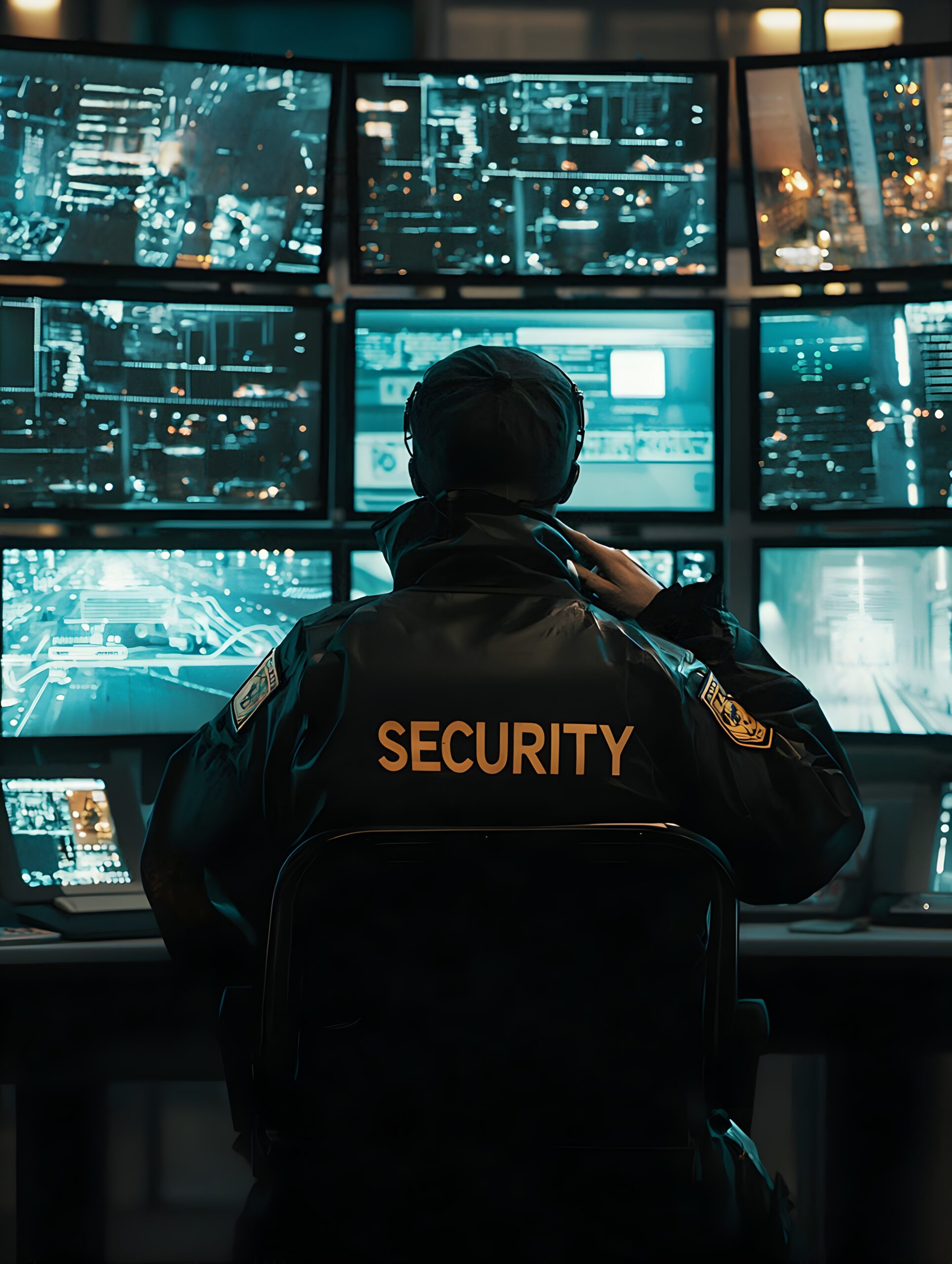
Museums, galleries and cultural heritage sites present a security challenge that is structurally different from most commercial or industrial facilities: the assets being protected are frequently irreplaceable, the buildings themselves may be historically protected structures that limit invasive installation work, and the security program must operate without disrupting public access, which is the institution’s core purpose.
Protecting Objects Without Damaging Them
Environmental and case-level sensors — vibration, tilt, proximity and glass-break detection built into display cases — are used to protect individual high-value objects without requiring visible barriers that would interfere with viewing. These sensors are typically integrated with the same climate-control monitoring already required to protect sensitive materials from humidity and temperature fluctuation, since many heritage objects are as vulnerable to environmental damage as to theft.
Working Within Historic Buildings
Many museums and heritage sites occupy protected or landmark buildings where drilling, wiring runs and structural modification are restricted or require heritage-authority approval. This has made wireless and battery-powered sensor technology, along with discreetly mounted cameras that can be sited without altering historic fabric, a more common design choice in this vertical than in typical commercial retrofits.
Balancing Public Access With Perimeter Control
Daytime Public Operation
During opening hours, security technology in museums functions primarily as a deterrent and detection layer around specific objects and restricted areas, since the space is deliberately open to a large volume of unscreened visitors. Video analytics tuned to detect loitering near specific display cases or unusual approach behavior are used to support human security staff rather than replace them.
After-Hours Perimeter Security
Outside public hours, the security posture shifts to a conventional layered perimeter model — intrusion detection, access control on staff and loading-dock entrances, and comprehensive camera coverage — closer in design to a high-value commercial facility than to the open, visitor-facing posture used during the day.
Provenance, Handling and Insider Controls
Because a meaningful share of heritage-object loss has historically involved insiders or handling errors rather than external break-ins, many institutions pair physical security technology with strict object-handling logs, two-person handling rules for the most significant items, and access-tiering for storage and conservation areas that is independent of general staff building access.
FAQ
Why do museums rely on case-level sensors instead of only room-level alarms?
A single gallery room may contain dozens of objects of widely varying value and fragility. Case-level sensors let a museum apply the highest level of protection to its most significant or vulnerable pieces without over-securing lower-risk objects in the same space.
Do heritage-building restrictions really limit security technology choices?
Yes. Landmark and heritage-protected buildings often require approval for any physical alteration, which is why wireless sensors, battery-powered devices and non-invasive mounting methods are used more heavily in this vertical than in typical commercial security installations.
Conclusion
Museum and cultural heritage security depends on technology that can protect irreplaceable, fragile assets inside buildings that often cannot be altered, while remaining unobtrusive enough not to interfere with public access. That combination of constraints makes this one of the more specialized applications of security technology found anywhere in the built environment.
Leave a Reply