
Tag: Digital Identity

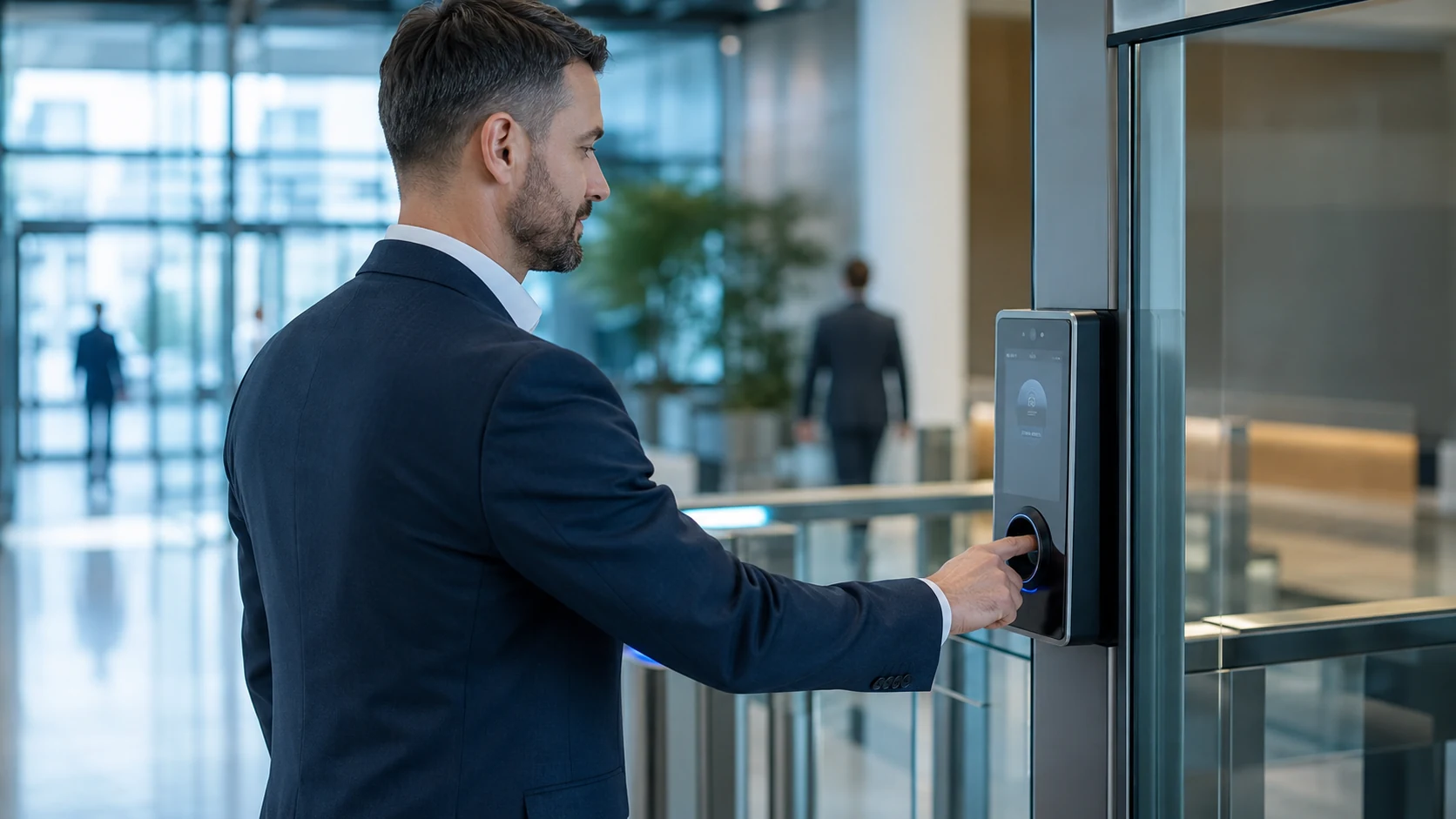
  • Passwordless Physical Access: Wallet Credentials and Digital Identity

    Passwordless Physical Access: Wallet Credentials and Digital Identity

    What passwordless means

    Users prove identity without entering a reusable secret. A device-bound credential protected by secure hardware and local authentication can provide stronger assurance than a badge alone.

    Wallet credentials

    Digital wallets support remote provisioning and central revocation tied to HR or identity lifecycle systems.

    Identity convergence

    A shared authoritative identity can govern application sign-in and physical entry, reducing duplicate records and improving auditability.

    Security and resilience

    Phone possession can be combined with biometric verification, while fallback processes remain necessary for dead batteries, lost devices and visitors.

    Conclusion

    Passwordless physical access is part of a broader shift toward unified cyber-physical identity governance.

  • Is Traditional Access Control Becoming Obsolete?

    Is Traditional Access Control Becoming Obsolete?

    Why the old model is under pressure

    Legacy systems built around isolated doors, trusted networks and proprietary controllers are increasingly difficult to integrate with identity platforms, mobile credentials and modern cybersecurity controls. The shift is from door-centric security to policies that consider identity, role, device and context.

    Mobile credentials and digital identity

    NFC, Bluetooth Low Energy and wallet credentials can reduce physical card issuance and simplify remote provisioning and revocation. Device authentication can add protection beyond a passive badge.

    OSDP and secure reader communication

    Secure bidirectional reader protocols such as OSDP add encryption, supervision and remote configuration. New projects should treat secure reader-to-controller communication as a baseline requirement.

    Cloud, hybrid and integration

    Cloud management can simplify multi-site administration while resilient controllers continue making local decisions during outages. Access systems increasingly connect with video, visitor management, HR and security operations workflows.

    A practical modernization path

    Organizations should inventory readers, controllers, credentials, software and network dependencies, then address unsupported software, insecure communications and shared credentials before cosmetic upgrades.

    Conclusion

    Traditional access control is not obsolete, but isolated and weakly protected assumptions are. Gradual modernization can improve security and usability without replacing every door at once.