

Tag: Edge Computing

  • Edge AI in Distributed Fiber Optic Sensing: Faster Decisions at the Sensor

    Edge AI in Distributed Fiber Optic Sensing: Faster Decisions at the Sensor

    Distributed fiber-optic sensing systems can generate very large data streams. Sending every raw waveform to a distant data center is often inefficient, especially when operators need immediate alarms. Edge AI moves part of the analytics close to the interrogator so events can be filtered, classified and prioritized in real time.

    Why Edge Processing Matters

    A long DAS route may contain thousands of virtual sensing channels. Local processing can reduce bandwidth by converting raw data into event metadata such as location, type, confidence and severity. It also improves resilience because basic detection can continue even when a cloud or wide-area connection is unavailable.

    Typical edge functions include noise filtering, feature extraction, event classification, moving-object tracking and alarm correlation. More complex model training and fleet-wide analysis can still be performed centrally.

    The Best Architecture Is Usually Hybrid

    Edge AI should not be treated as a replacement for centralized analytics. Local systems are ideal for low-latency response, while centralized platforms are better for long-term trend analysis, model management and cross-site comparison. A hybrid model allows both.

    Operational Considerations

    Edge devices must be sized for the required channel count and model complexity. Cybersecurity, software updates, model version control and auditability are also important. In critical infrastructure, operators need to know which model generated an alarm and whether its configuration changed.

    Conclusion

    Edge AI makes distributed sensing more operationally practical by reducing data volume and shortening the path from physical event to security decision. As DAS and DTS deployments grow, intelligent processing at the sensing edge will become an increasingly important part of system architecture.
  • Edge vs Cloud in Physical Security

    Edge vs Cloud in Physical Security

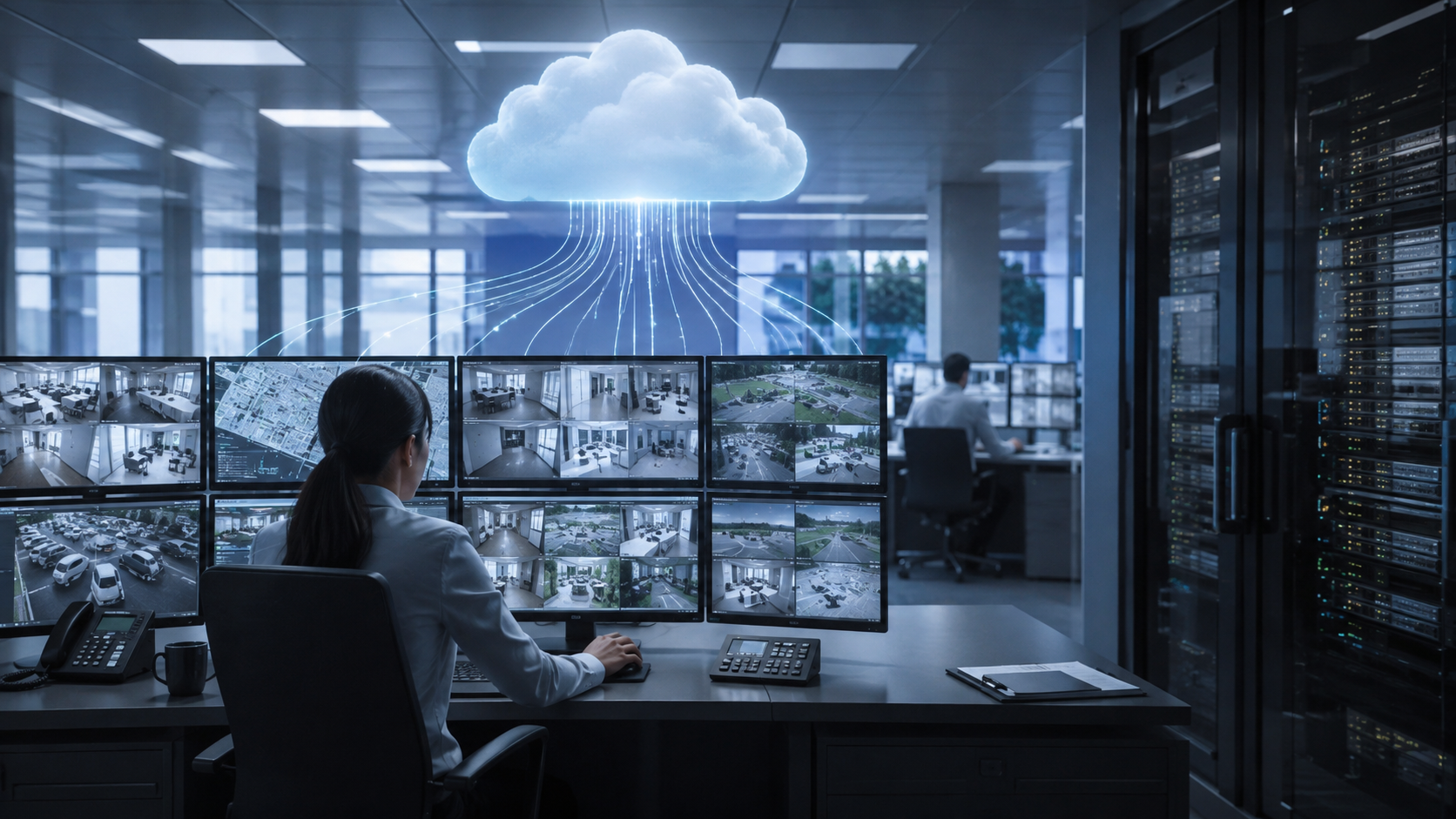
    Physical security now depends on where data is processed. Cameras can analyze video at the edge, on-site servers can run analytics, and cloud platforms can centralize management across many locations.

    What edge means

    Edge processing happens close to the sensor. A camera may classify people and vehicles locally, record to onboard storage and send only metadata or alarms, reducing bandwidth and preserving local operation.

    What cloud means

    Cloud platforms provide centralized management, remote access, scalable computing and software updates, particularly for distributed organizations that do not maintain servers at every site.

    Latency, bandwidth and resilience

    Local decisions can reduce latency for immediate actions. Systems must also define what happens during WAN failure: critical cameras should keep recording and doors should continue enforcing access rules.

    Cybersecurity and cost

    Cloud services centralize identity and updates but introduce vendor and account risks. Edge fleets require local patching. Cost comparisons should include servers, subscriptions, bandwidth, maintenance, replacement and staffing.

    Hybrid architecture

    Many organizations record locally while using cloud management and health monitoring. Basic analytics may run at the edge while cross-site search uses centralized services.

    Conclusion

    Edge is strong for autonomy and low latency; cloud is strong for scale and management. A deliberate hybrid design often provides the best balance.