

Tag: Image Quality

  • Face Recognition Research Exposes Limits of Image Quality Scores

    Face Recognition Research Exposes Limits of Image Quality Scores

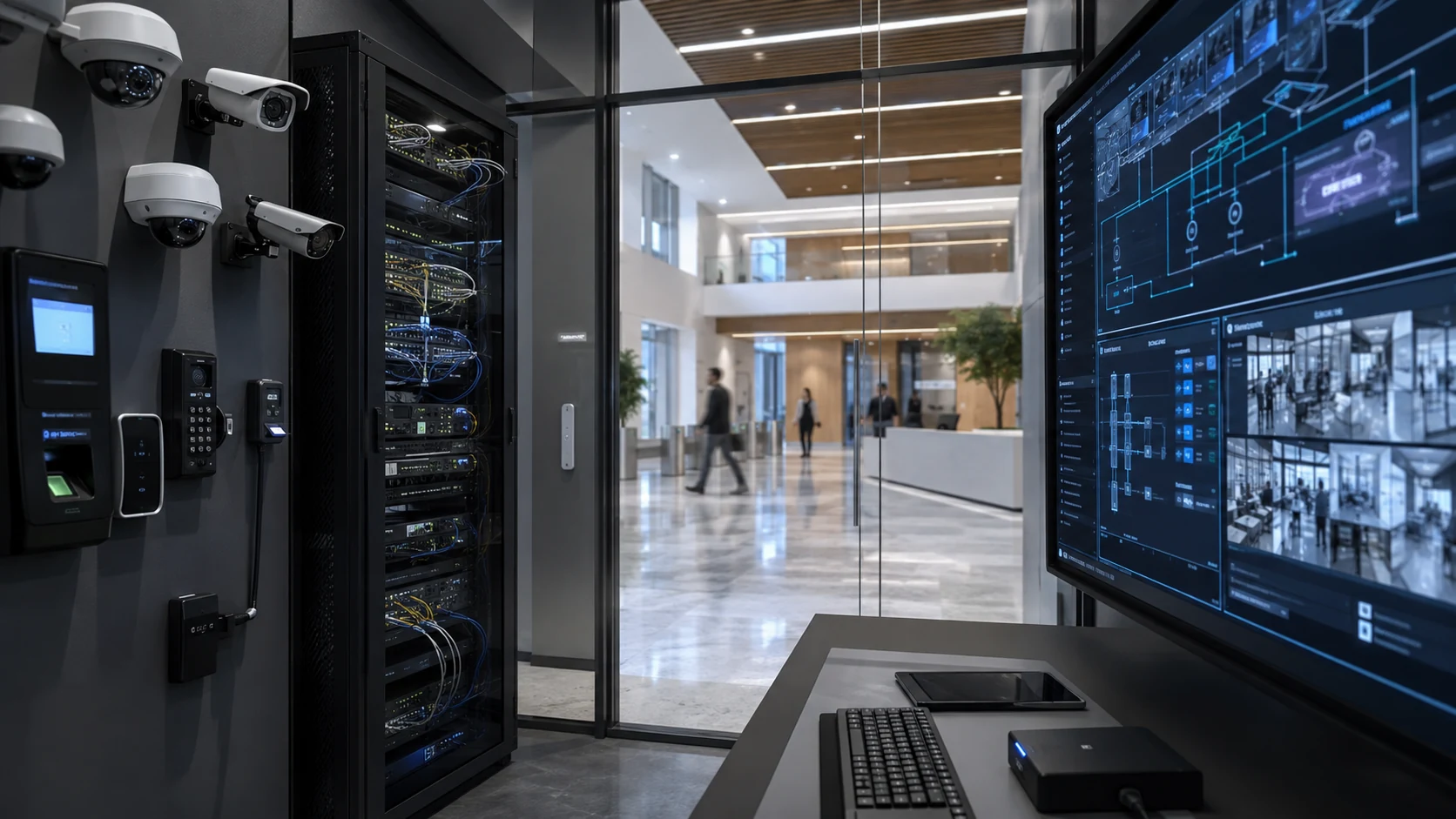
    Recent research is challenging the assumption that a single image-quality score can reliably predict face-recognition performance. A Johns Hopkins University study examined low-resolution and degraded imagery, while current NIST evaluations compare quality estimators against the utility of images for automated matching.

    Quality and recognition utility are different

    Blur, occlusion, compression and low resolution can remove information from a face image. Newer recognition algorithms may still recover useful identity cues from some degraded samples, but a visually poor image is not automatically unusable and a visually clean image is not automatically useful for every matcher. The distinction matters when operators use quality thresholds to accept, reject or recapture images.

    NIST’s Face Recognition Technology Evaluation publishes results for face-image quality algorithms and links those scores to recognition error. The Johns Hopkins work focuses on recognition under severe degradation. Together, the findings support testing quality measures against the actual cameras, capture conditions and matching systems used in an operational deployment.

    Operational implications

    Security teams should avoid treating a vendor-neutral quality number as a universal pass-or-fail decision. Acceptance testing should include representative lighting, distance, pose and compression conditions, followed by matcher-specific performance checks. Human review and alternative identity evidence remain important where poor imagery or high-consequence decisions are involved. SectechMedia covers related system design in its access control and identity channel.
    Sources

  • Video Evidence Chain of Custody: Export, Hashing and Audit Trails

    Video Evidence Chain of Custody: Export, Hashing and Audit Trails

    Surveillance footage becomes evidence only when an organization can explain where it came from, how it was exported, who handled it and whether it changed. Image quality matters, but a clear chain of custody is what allows another person to evaluate the recording’s integrity and context.

    Preserve the Original Context

    Record the camera identifier, system name, location, requested time window and timezone. Note any known clock offset. Export enough time before and after the incident to show context, while preserving the original recording in the VMS according to retention policy and legal instructions.

    Use a Controlled Export Process

    Limit export privileges to authorized users and make the VMS audit their actions. Where possible, create both a native export with metadata and a standard playable copy for review. Native formats may preserve signatures, timestamps and camera information that a transcoded clip loses.

    Hashing and Integrity

    A cryptographic hash provides a repeatable fingerprint of a file. Calculate it when the export is created, record the algorithm and value, and verify it after copying or transfer. A matching hash supports file integrity; it does not by itself prove that the original camera view or system clock was accurate.

    Handling Log

    Maintain a log of every transfer, including date, person, purpose, source and destination. Use controlled storage with access records. Avoid passing the sole copy through consumer messaging services that may recompress video or remove metadata.

    Playback and Disclosure

    Include required player software or documented instructions for native files, and test the package on a separate workstation. Redact faces or private areas only in a derivative copy, preserving the unredacted original under appropriate controls. Document every transformation.

    Practical Checklist

    • Confirm camera, time window, timezone and clock offset.
    • Export native and review formats where appropriate.
    • Hash files at acquisition and after transfer.
    • Log custody, access and each derivative.
    • Test playback before releasing the package.

    Conclusion

    A chain of custody is a process, not a watermark. Consistent export records, integrity verification, controlled storage and documented derivatives make video easier to investigate and more defensible when decisions depend on it.

    Reference sources

  • Low-Light Cameras: Sensor Size, Aperture and AI Enhancement

    Low-Light Cameras: Sensor Size, Aperture and AI Enhancement

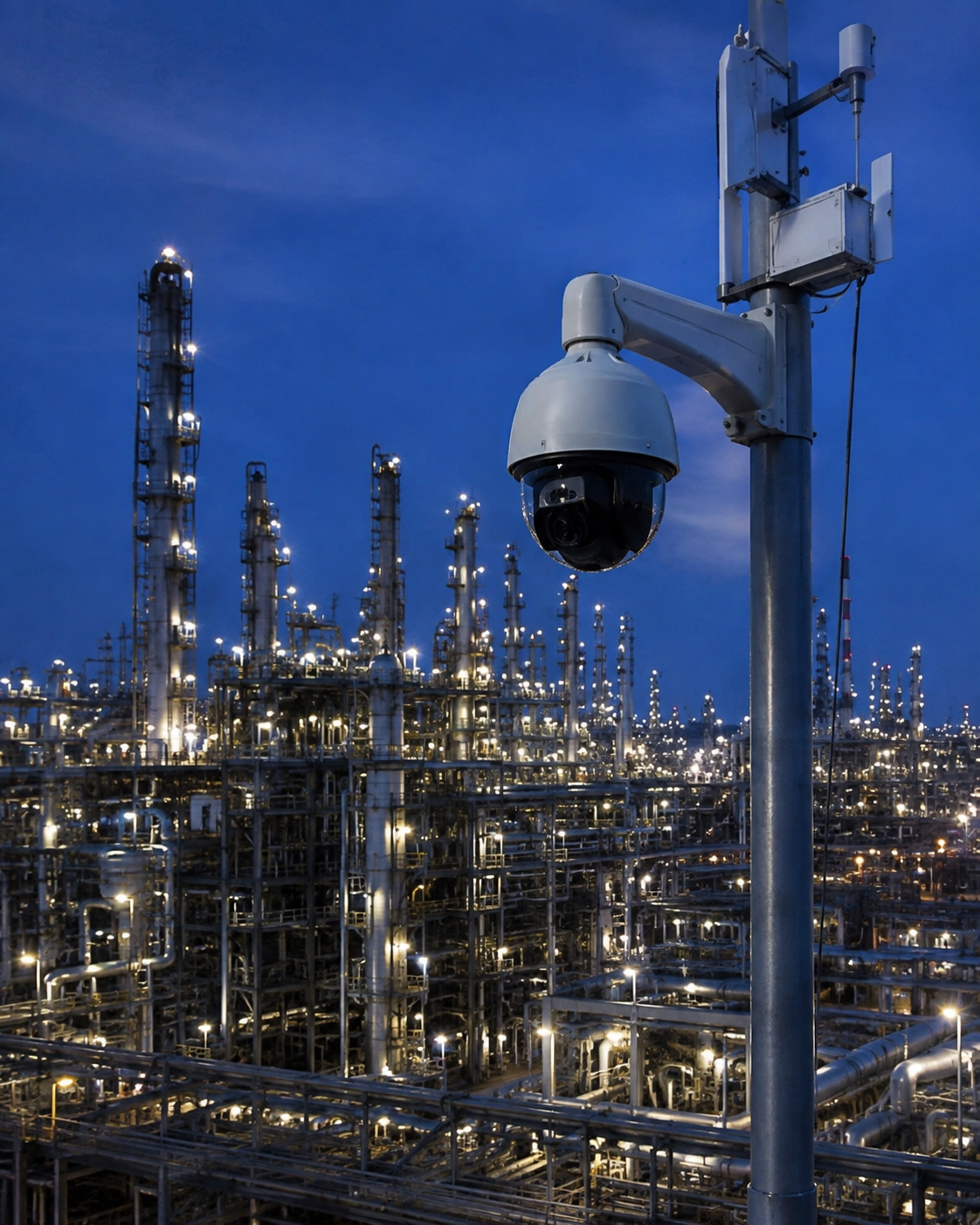
    Low-light surveillance is often marketed with impressive nighttime images, but camera performance is governed by basic optics and sensor physics. Understanding sensor size, aperture, shutter speed, noise and illumination helps buyers distinguish real performance from aggressive image processing.

    How the Technology Works

    A larger image sensor can collect more light, especially when resolution is not increased excessively. Pixel size also matters. Two cameras with the same megapixel count may perform very differently if one uses a substantially larger sensor.

    Lens aperture controls how much light reaches the sensor. A lower f-number generally allows more light, but aperture, depth of field and lens quality must be balanced. A bright lens cannot compensate for poor focus or incorrect field of view.

    Operational Considerations

    Shutter speed is another trade-off. Slower exposure can make a static scene appear bright but creates motion blur. A camera that produces a beautiful nighttime still image may fail to capture a recognizable moving person or vehicle. Security testing should therefore include moving targets.

    Noise reduction can improve appearance but may remove detail. Heavy temporal noise reduction can produce ghosting around moving objects. AI enhancement can reconstruct edges and suppress noise more intelligently, but it still cannot recover information that the sensor never captured.

    Infrared illumination remains a practical solution. Integrated IR LEDs or separate illuminators can provide consistent nighttime performance without visible light. However, reflective surfaces, insects, fog and nearby objects can cause overexposure or backscatter.

    Deployment and Risk

    Visible white light can provide color information that infrared cannot. Some modern cameras combine large sensors, bright lenses and controlled supplemental lighting to maintain color at very low illumination. This can be useful when clothing or vehicle color is important to an investigation.

    Low-light specifications should be treated cautiously because manufacturers may measure minimum illumination under different conditions. The best comparison is a controlled field test using the intended lens, scene and target speed.

    Conclusion

    For security designers, the lesson is simple: lighting is part of the surveillance system. Camera selection, scene illumination, target movement and analytics requirements should be engineered together. AI can improve a good image, but it does not eliminate the need for enough photons at the sensor.