Tag: Security Radar

  • Drone Detection Technologies: Radar, RF, Optical & Acoustic Explained

    Drone Detection Technologies: Radar, RF, Optical & Acoustic Explained

    Small unmanned aircraft have changed the way organizations think about perimeter security. A fence can define a property boundary, but it does not protect the airspace above it. Airports, power plants, ports, data centers, prisons, logistics hubs and other sensitive sites increasingly need systems that can discover, classify and track low-flying drones before an operator can make a decision.

    There is no single universal drone detector. Modern counter-UAS awareness systems normally combine several sensing methods because each technology sees a different part of the problem.

    Radar

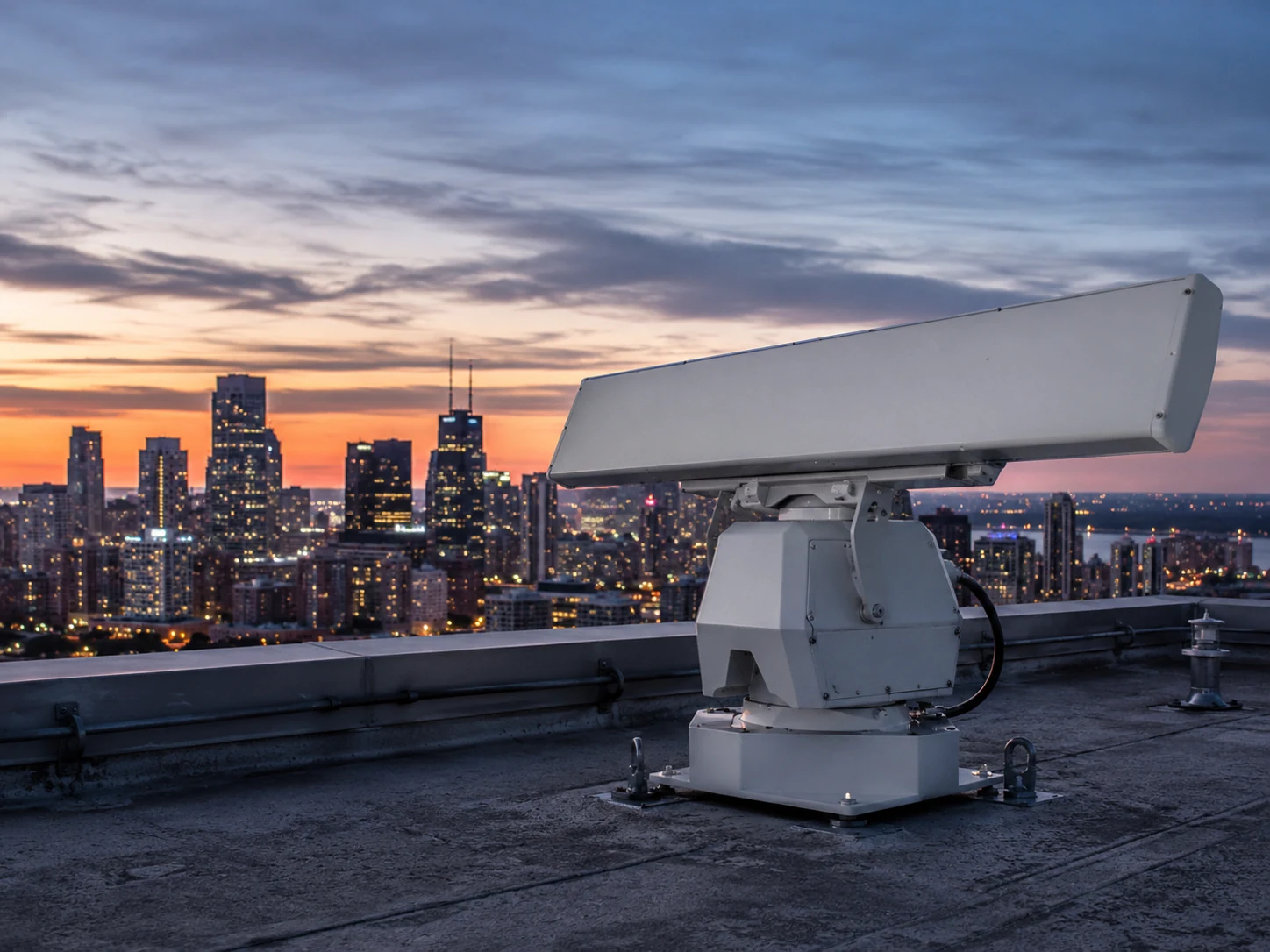
    Radar is one of the most important tools for persistent airspace surveillance. It transmits radio energy and analyzes reflections from objects in the monitored area. Security radars designed for small targets can detect and track drones at distances where conventional cameras may not yet provide useful imagery.

    Radar works day and night and does not depend on visible light. It can also provide range, direction, speed and track history. Its weakness is classification. Birds, clutter and moving machinery can create difficult signatures, so modern systems use micro-Doppler processing and machine-learning models to improve discrimination.

    RF Detection

    Radio-frequency detection looks for communication signals between a drone and its controller or for telemetry emitted by the aircraft. When a known protocol is detected, an RF system may identify the drone family, approximate its direction and sometimes locate both aircraft and controller.

    RF sensing can be highly effective because it may recognize a drone before the aircraft enters visual range. However, autonomous drones, unusual frequencies, encrypted links or pre-programmed flights may reduce detection opportunities. RF monitoring is therefore strongest when used as one layer rather than the only sensor.

    Optical and Thermal Cameras

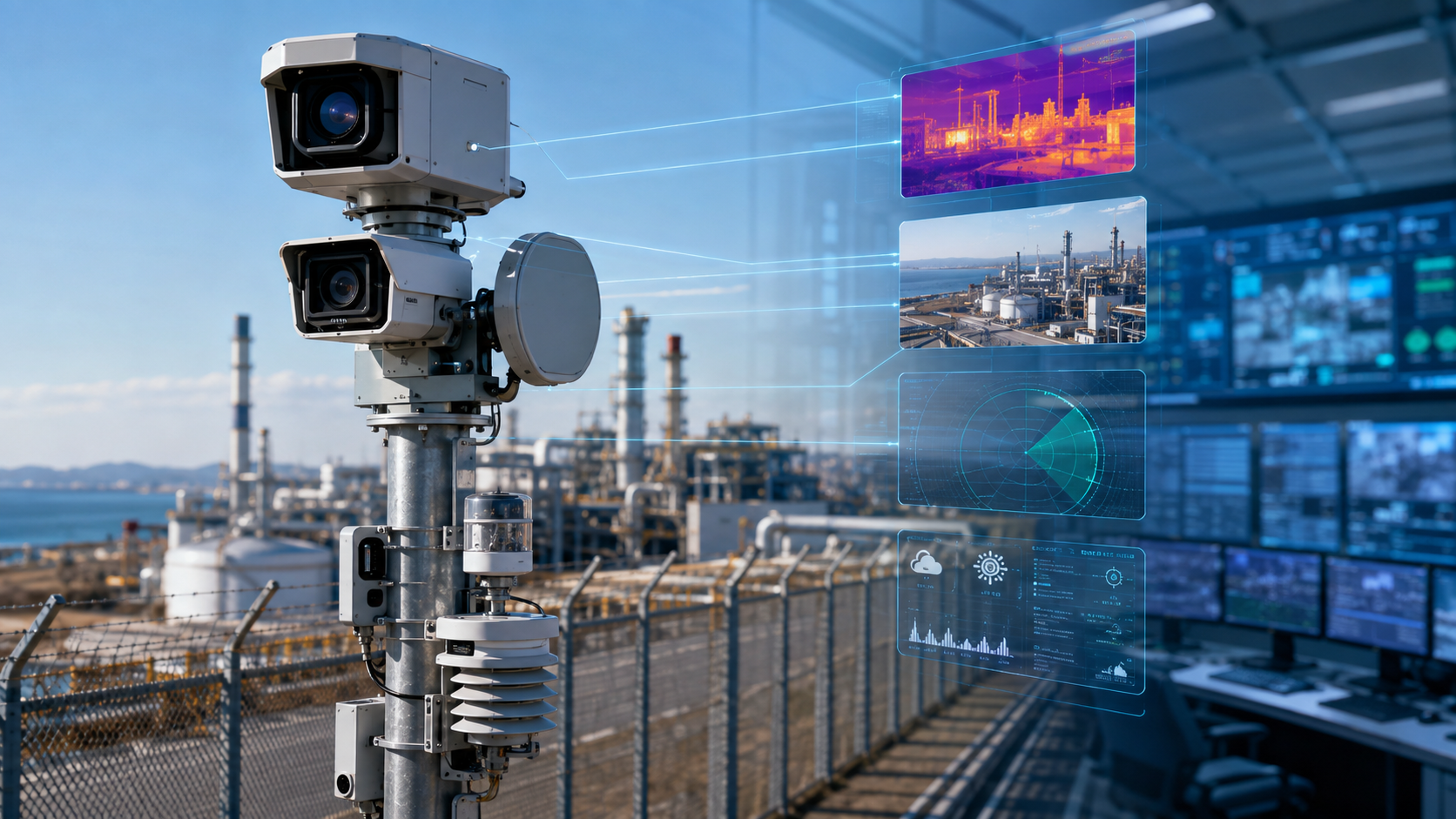
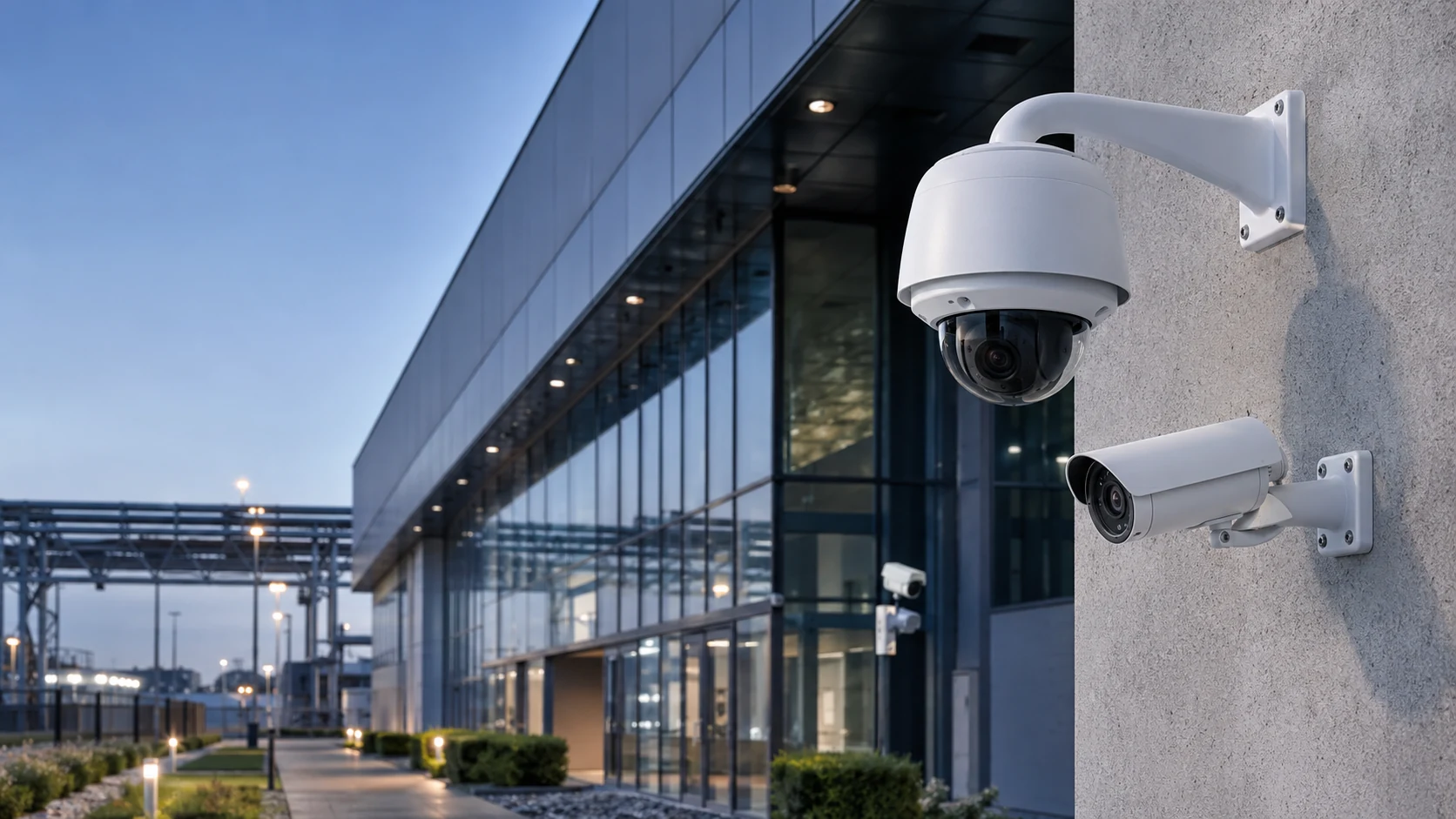
    Visible-light and thermal cameras provide something radar and RF sensors cannot: visual confirmation. A tracking camera can automatically point toward a radar or RF cue and give the operator an image of the object.

    Day cameras can provide detailed evidence in good conditions. Thermal cameras remain useful at night and in many low-contrast situations because they detect heat rather than reflected visible light. Long-range optical systems often use motorized pan-tilt units and high-magnification lenses to maintain the target after detection.

    Their limitations are familiar: fog, heavy rain, obstacles, glare and extreme distance can reduce usable detail. A camera is usually most effective after another sensor has already told it where to look.

    Acoustic Detection

    Acoustic arrays listen for characteristic propeller and motor signatures. They are passive and do not emit radio energy, which can be useful in sensitive environments. Acoustic sensors can also help detect drones that do not transmit recognizable RF signals.

    The challenge is environmental noise. Wind, vehicles, machinery, aircraft and urban activity can mask or imitate signatures. Detection range is generally shorter than radar, so acoustic sensing is usually a supplementary layer.

    Why Sensor Fusion Matters

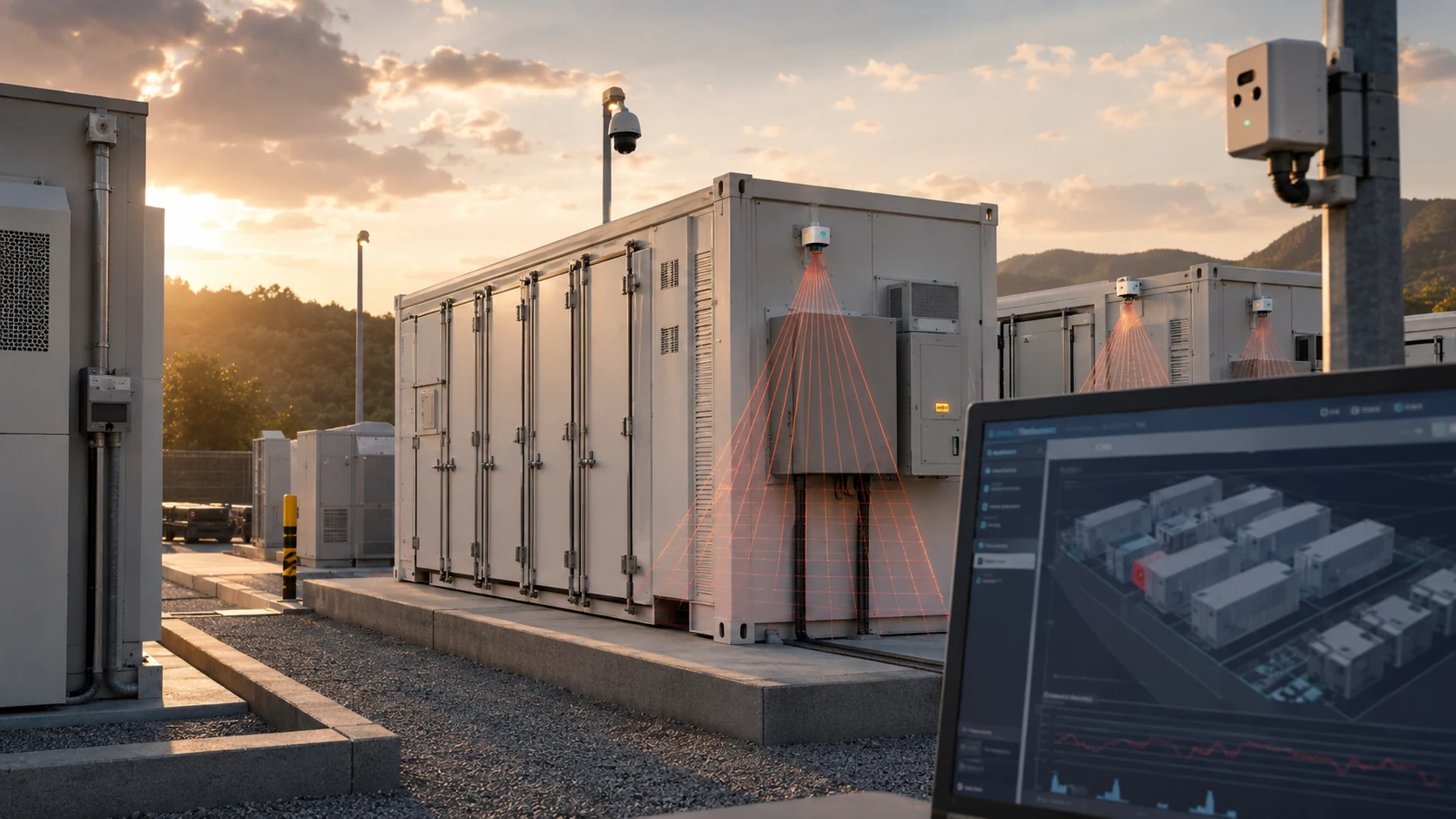
    The strongest architecture combines these technologies. Radar may discover an unknown target. RF analytics may identify the protocol. A camera may provide visual verification. Acoustic sensing may add confidence when the RF link is absent. The command platform then correlates the tracks into one operational picture.

    This approach reduces false alarms because the system is not asking a single sensor to make every decision. It also improves resilience: if one technology performs poorly because of weather, terrain or interference, another layer may still provide useful information.

    What Buyers Should Evaluate

    Detection range alone should never determine a procurement decision. Organizations should examine minimum target size, altitude coverage, update rate, clutter performance, false-alarm behavior, weather tolerance, cyber security, integration with VMS and command platforms, data retention, operator workload and legal constraints.

    The site survey is equally important. A sensor that performs well on a flat test field may behave differently beside buildings, cranes, hills, transmission lines or heavy RF activity.

    The Direction of the Market

    Drone detection is moving from isolated specialty equipment toward integrated airspace-awareness platforms. AI classification, edge processing, automated sensor cueing and unified command software are making it possible to treat the low-altitude air domain as another layer of physical security.

    For most critical sites, the practical lesson is simple: reliable drone awareness comes from layered sensing, not from a single detector. Radar, RF, optical, thermal and acoustic technologies are most powerful when they complement one another and present operators with one clear, verified track.
  • Radar and Thermal Camera Integration for Perimeter Security

    Radar and Thermal Camera Integration for Perimeter Security

    Radar and thermal cameras are complementary technologies. Radar is strong at detecting and tracking movement over large areas, while thermal cameras provide visual confirmation in darkness and difficult lighting. When integrated correctly, the combination can reduce blind spots and help operators understand alarms faster.

    What radar contributes

    Security radar measures the position and movement of targets. Unlike a visible-light camera, it does not depend on scene illumination and can continue tracking in darkness, glare or low-contrast conditions. A radar can also monitor a wide area and maintain multiple tracks at the same time.

    What thermal imaging contributes

    Thermal cameras detect differences in emitted heat. They can reveal people and vehicles at night and often provide better target contrast than visible cameras in low-light scenes. Thermal imagery also gives the operator a visual object to assess, which radar alone cannot provide.

    Automatic camera cueing

    One of the most valuable integrations is automatic PTZ cueing. When radar detects a moving target, the system calculates its coordinates and points a thermal or dual-sensor camera toward it. This can reduce the time an operator spends searching manually.

    Classification and analytics

    Radar may classify a track based on movement characteristics, while video analytics can add visual classification. Combining these sources increases confidence. A system might require agreement between radar movement and camera classification before escalating an alarm.

    Site-design challenges

    Radar requires a clear understanding of terrain, buildings, vegetation and reflective structures. Thermal cameras need appropriate lens selection and mounting height. Poor calibration between the radar coordinate system and camera field of view can undermine the entire integration.

    Where the combination works well

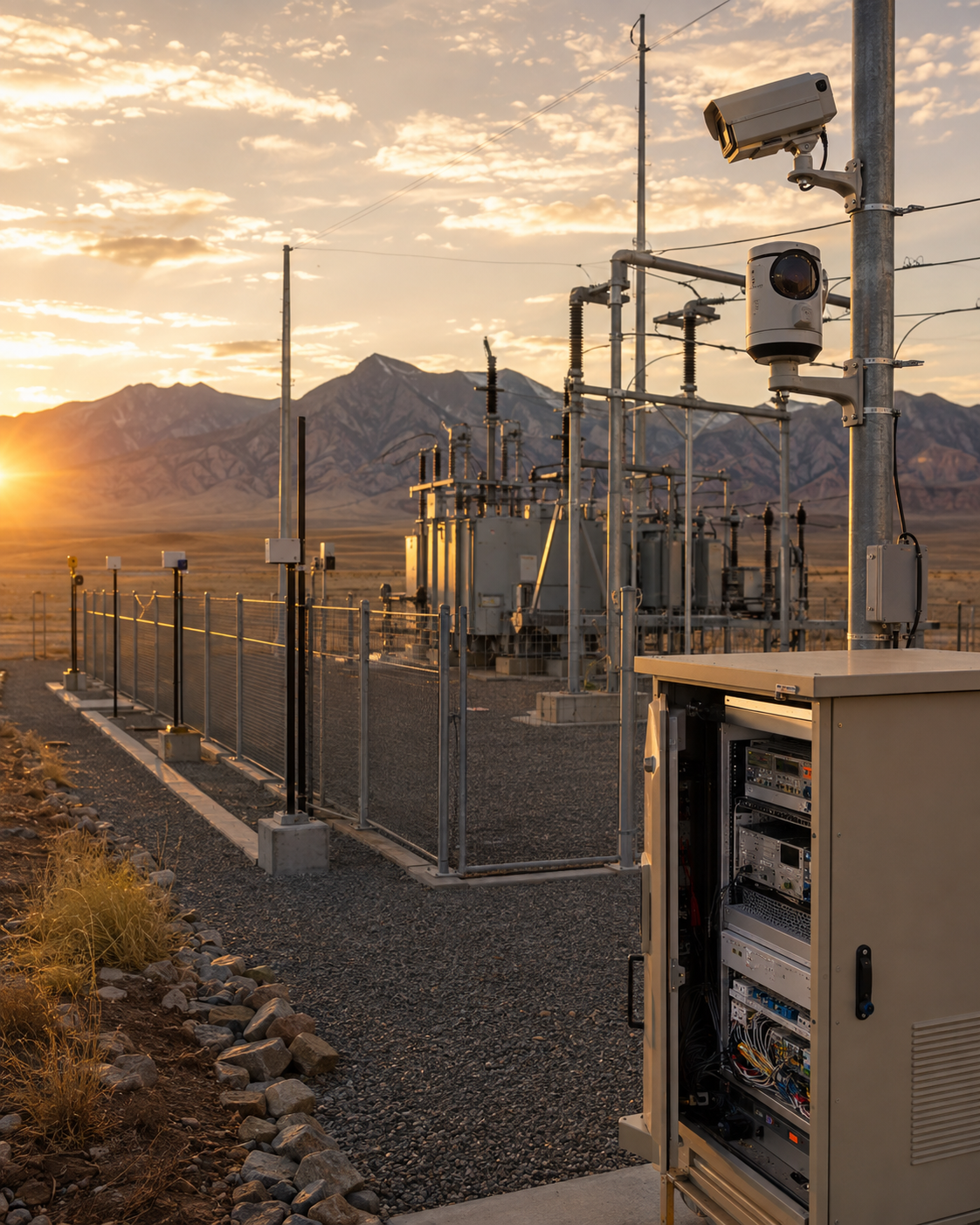
    Airports, power plants, ports, data centers, borders, solar farms, substations and large industrial sites can benefit from radar-thermal integration, particularly where long-range nighttime detection is important.

    Conclusion

    Radar provides wide-area awareness and precise tracking; thermal imaging provides visual confirmation. Together they create a stronger perimeter layer than either technology can usually deliver alone, especially when the system is calibrated, integrated with analytics and connected to a clear operator workflow.

  • Perimeter Intrusion Detection Systems: Complete Technology Comparison

    Perimeter Intrusion Detection Systems: Complete Technology Comparison

    Perimeter intrusion detection systems are designed to identify activity before an intruder reaches a protected building or critical asset. The technology landscape includes fence-mounted sensors, buried sensors, radar, thermal cameras, video analytics, fiber-optic sensing and combinations of several sensor types.

    Fence-mounted sensors

    Accelerometer, vibration and fiber-based fence sensors detect cutting, climbing or disturbance. They can protect long fence lines at relatively low cost per meter, but performance depends on fence quality, installation and environmental tuning.

    Buried sensors

    Seismic, pressure and magnetic technologies can create an invisible detection zone. They are useful where visible infrastructure is undesirable, but soil conditions, drainage, nearby traffic and maintenance access can affect performance.

    Radar

    Security radar continuously measures movement over open ground. It can detect and track people or vehicles in darkness, fog or poor contrast and can direct cameras toward targets. Radar is particularly effective for large open sites, but terrain and obstructions must be considered.

    Thermal and visible video analytics

    Thermal cameras can detect heat contrast at night and in difficult lighting, while visible cameras provide richer identification detail. Analytics can classify people and vehicles, but image quality, weather and scene design influence accuracy.

    Fiber-optic sensing

    Distributed or zone-based fiber sensing can monitor long boundaries without powered electronics along the entire protected line. It is attractive for critical infrastructure, pipelines, borders and large industrial sites. Event classification and installation design are essential for controlling nuisance alarms.

    Layered systems perform best

    No sensor is perfect in every environment. A strong perimeter design may use one technology for early detection, another for classification and a camera for visual verification. Sensor fusion can combine confidence levels and reduce unnecessary operator workload.

    How to choose

    Selection should consider terrain, fence condition, climate, detection distance, target type, acceptable false-alarm rate, maintenance resources, communications and integration with the command center.

    Conclusion

    Perimeter security is not a competition to find one universal sensor. The best system is the one whose detection physics match the site. Layered designs combining complementary technologies usually provide the strongest balance of coverage, verification and resilience.

  • Sensor Fusion: Why Cameras Alone Are No Longer Enough

    Sensor Fusion: Why Cameras Alone Are No Longer Enough

    No single sensor sees everything. Cameras provide rich visual information, radar tracks movement, thermal cameras detect heat and fiber-optic sensing covers long distances. Sensor fusion combines these complementary strengths.

    Detection, tracking and verification

    A useful layered model separates three functions. One sensor detects an event, another tracks the target, and a third verifies what it is. Access-control data can add authorization context.

    Reducing nuisance alarms

    Requiring agreement between independent sensors can improve confidence. A fence vibration event, for example, can be checked against thermal or video analytics before escalation.

    Data correlation

    Fusion is more than displaying systems on one screen. A platform must correlate time, location and identity so operators receive a coherent incident rather than unrelated alarms.

    Perimeter and critical infrastructure

    Radar, thermal, visible cameras and fiber sensors can provide overlapping coverage. Pipelines, railways and power networks may also combine sensing with weather, drone or operational data.

    Engineering challenges

    Different clocks, coordinate systems and event formats complicate integration. Time synchronization, data normalization and complementary failure modes are essential.

    Conclusion

    Security is moving from device-centric systems toward context-centric operations. Sensor fusion is the architecture that enables that transition.

  • Radar in Commercial Security: Where It Works Better Than Cameras

    Radar in Commercial Security: Where It Works Better Than Cameras

    Compact radar has become increasingly practical for commercial security. Modern sensors can detect, locate and track people or vehicles across wide outdoor areas, often in conditions where cameras struggle.

    How security radar works

    Radar transmits radio-frequency energy and analyzes reflections from objects. By measuring distance, angle and Doppler movement, a system can estimate a target’s position, speed and direction.

    Where radar outperforms cameras

    Radar does not depend on visible light and can operate in darkness. It can detect movement over wide open areas without requiring a detailed visual image, making it useful for large yards, airports, solar farms, ports, logistics areas and critical infrastructure.

    Tracking, verification and camera cueing

    Radar excels at tracking but does not provide identity. A visible or thermal PTZ camera can be cued automatically to verify a target and provide richer visual context.

    Coverage and nuisance alarms

    Vegetation, water, machinery, terrain, buildings and metal structures can affect performance or create shadow zones and reflections. Placement requires a site survey and realistic acceptance testing.

    Privacy, cybersecurity and integration

    Radar can support detection where continuous video raises privacy concerns, with video activated for verification. Networked radar also requires secure configuration, firmware management, segmentation and reliable VMS integration.

    Conclusion

    Radar is not a camera replacement. It is a complementary sensor that is often better at answering where a moving target is, how fast it is moving and where it is going.