
Tag: smoke detection

  • Comelit-PAC Launches Linear Beam Smoke Detector Range for Warehouses and Large Open Spaces

    Comelit-PAC Launches Linear Beam Smoke Detector Range for Warehouses and Large Open Spaces

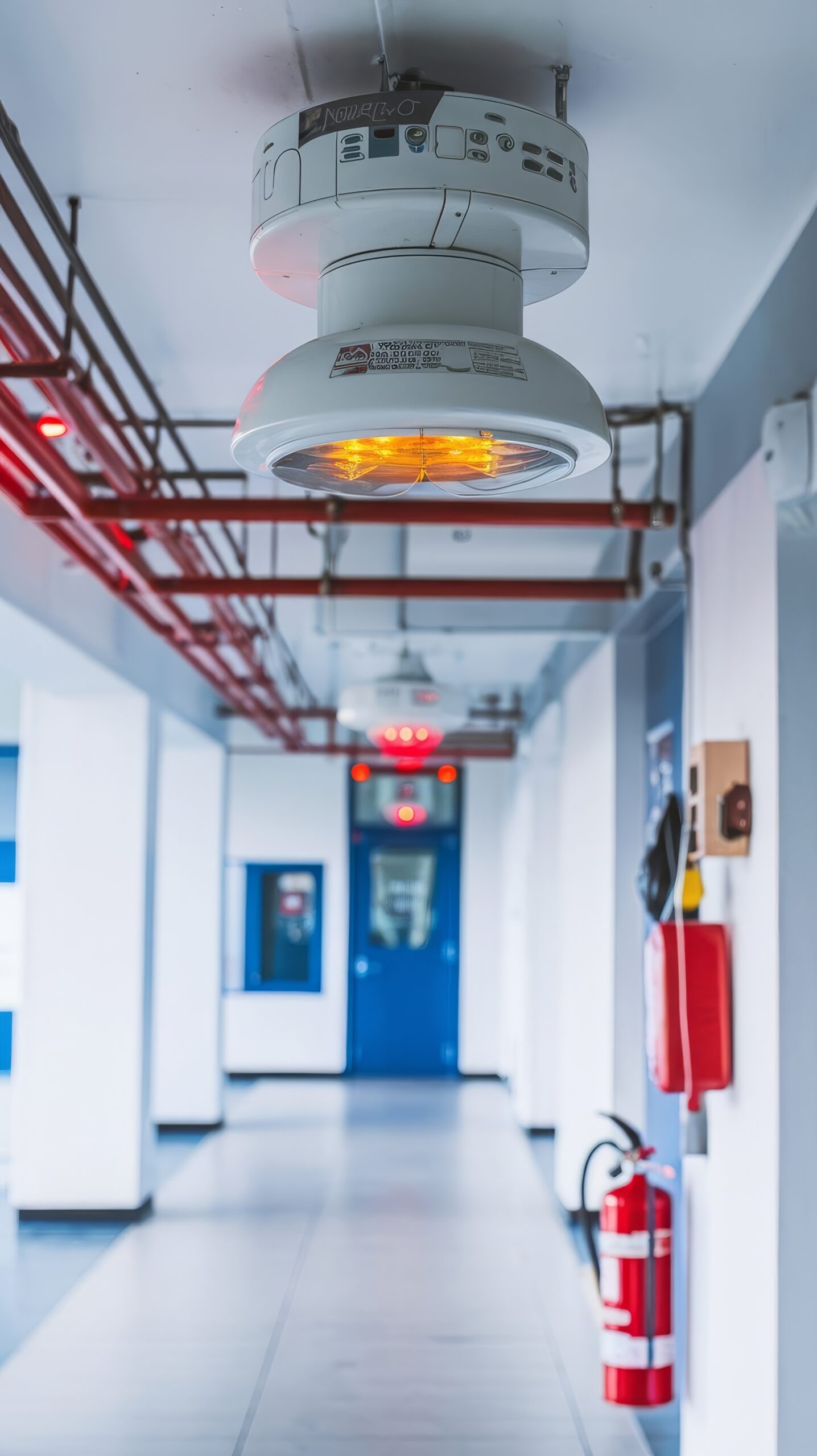
    Comelit-PAC has launched a new range of linear beam smoke detectors designed for warehouses, atriums, industrial facilities, sports halls and other high-ceiling environments, the company said on August 26, 2026. The detectors use reflective infrared beam technology to monitor for smoke over distances of up to 120 meters, and the range comprises four models split between addressable and conventional variants covering 5 to 60 meters and 50 to 120 meters respectively.

    The addressable models are compatible with Comelit-PAC’s Logifire panels, while conventional variants work with standard fire alarm control panels; all models are certified to EN54-12, and the addressable versions add EN54-17 certified short-circuit isolation. The detectors include smart alignment technology that automatically optimizes signal strength during commissioning, an integrated laser pointer to assist installation, and automatic compensation for environmental drift such as dust buildup, minor structural movement and temperature fluctuation, with maintenance alerts generated when servicing is needed. “As warehouses become larger, industrial facilities more complex and public spaces increasingly multi-purpose, there’s growing demand for technologies to deliver reliable coverage without adding unnecessary complexity,” said Mandy Bowden, Fire Systems Business Manager UK & ROI at Comelit-PAC.

    Beam smoke detection is a standard approach for protecting large-volume spaces where point smoke detectors would be impractical to install and maintain in sufficient density, and reducing false alarms from environmental drift has been a persistent integrator complaint with older beam detector generations. The addressable range’s real-time alignment display and dual day/night sensitivity settings target that maintenance burden directly, a common driver of beam detector replacement cycles in large commercial and industrial buildings.
  • Video Fire Detection: AI Cameras as Early-Warning Systems

    Video Fire Detection: AI Cameras as Early-Warning Systems

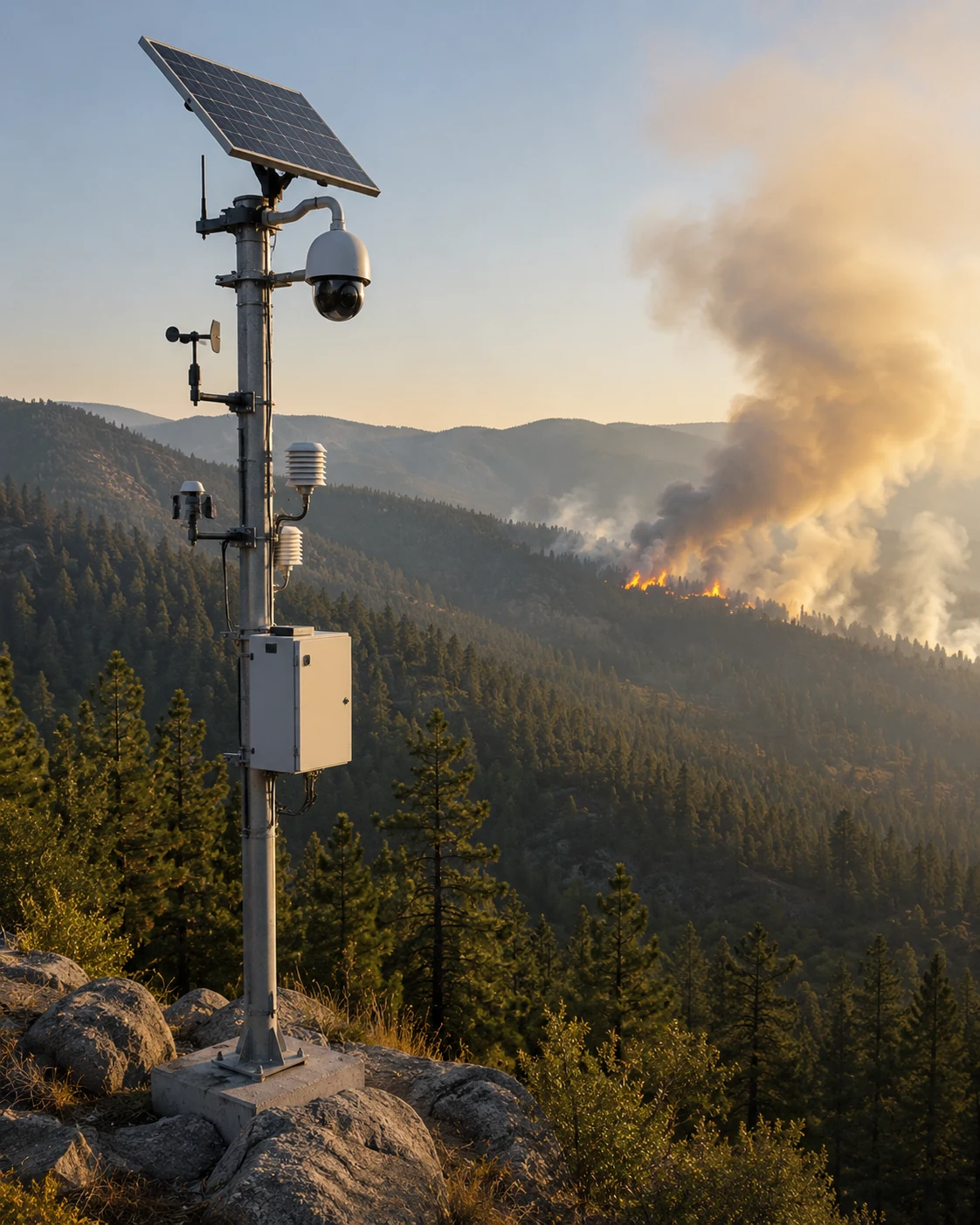
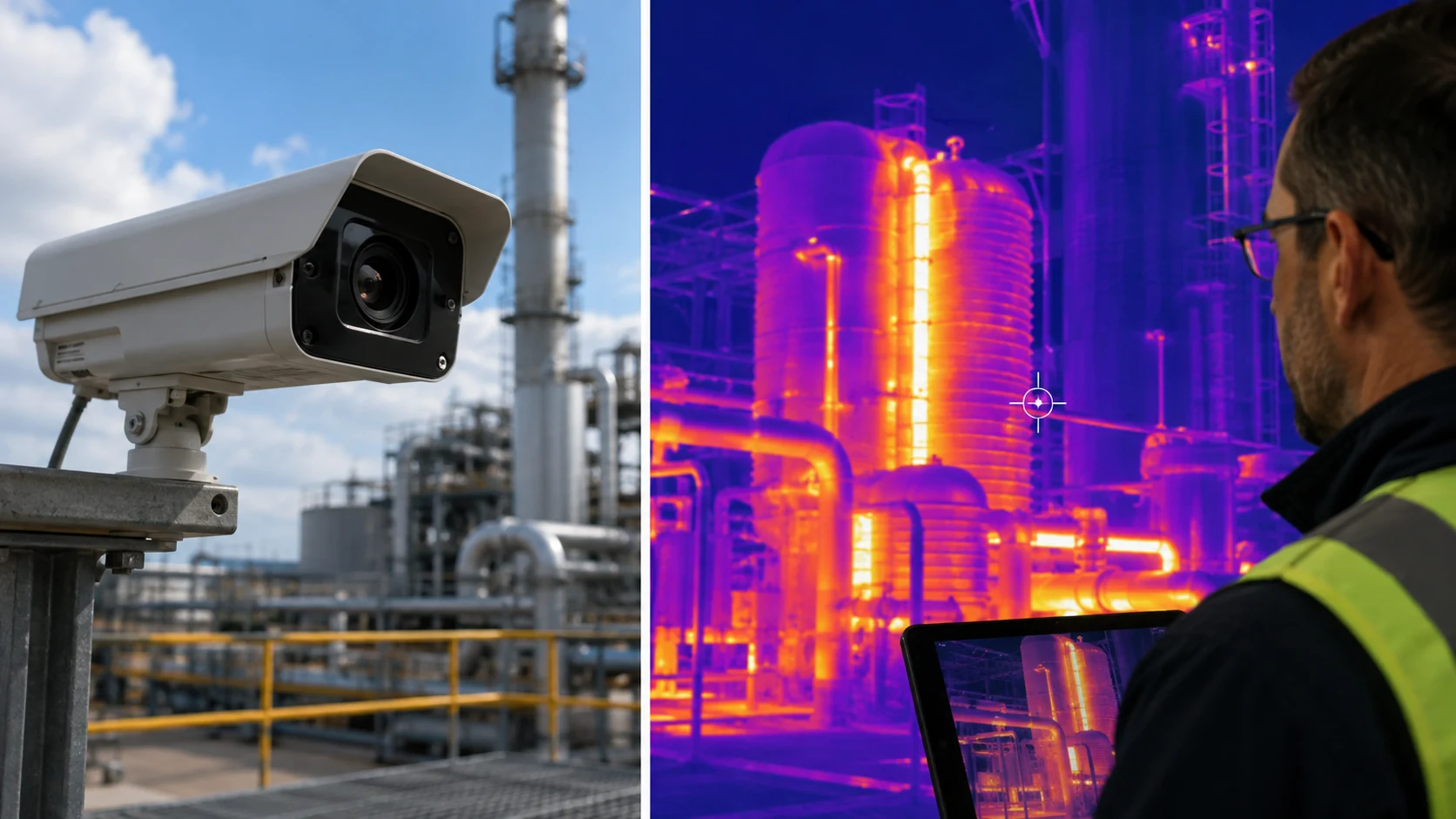
    Video fire detection uses cameras and analytics to identify visual patterns associated with smoke or flame. The technology is especially attractive in large or open spaces where traditional ceiling-mounted detectors may be slow or difficult to install.

    Algorithms analyze movement, texture, color, growth patterns and other features that distinguish smoke or flame from normal scene activity. Modern AI models can improve classification and reduce nuisance alarms caused by fog, steam, reflections or moving objects.

    Typical applications include warehouses, waste facilities, tunnels, industrial yards, aircraft hangars, battery storage areas and outdoor process sites. In these environments, a camera may see developing smoke at a distance before heat or smoke reaches a conventional detector.

    Video detection also provides immediate context. Operators can verify the scene visually and understand the location and scale of an event. Recorded video can support investigation after the incident.

    The technology still has limitations. Camera placement, lighting, obstructions, weather and lens contamination affect performance. Video analytics should not be assumed to replace code-required detection systems unless the design and approvals explicitly support that use.

    The strongest approach is usually integration. Video fire detection can add early-warning capability to conventional smoke, heat, flame or gas detection, creating a richer and faster picture of developing fire conditions.

  • Fire Detection Systems: Smoke, Heat, Flame and Gas Detection Explained

    Fire Detection Systems: Smoke, Heat, Flame and Gas Detection Explained

    Fire detection is a layered engineering discipline. No single detector is ideal for every environment because fires develop differently depending on fuel, ventilation, ceiling height, temperature and process conditions. Modern systems therefore use combinations of smoke, heat, flame and gas detection selected around the risk.

    Smoke detectors are common in buildings because many fires produce aerosols before dangerous heat develops. Optical detectors are widely used, while aspirating smoke detection can provide very early warning in data centers, clean rooms and high-value facilities.

    Heat detectors respond to fixed temperature thresholds or rapid temperature rise. They are useful where smoke detection would create nuisance alarms, such as dusty or steamy environments, but generally respond later than sensitive smoke systems.

    Flame detectors identify optical signatures from combustion. Ultraviolet, infrared and multispectrum designs can react rapidly to open flames and are common in refineries, fuel storage, aircraft hangars and process facilities.

    Gas detection addresses combustible, toxic or fire-related gases. In some industrial risks, gas monitoring can identify a dangerous release before ignition occurs. Carbon monoxide sensing may also provide useful fire information in selected applications.

    Detector selection must consider false-alarm sources, coverage geometry, maintenance and the consequences of delayed detection. Integration with alarms, suppression, smoke control, shutdown systems and emergency communications is equally important.

    The best fire-detection design is therefore hazard-based. Engineers should ask what is likely to happen first in a credible fire scenario—smoke, heat, flame or gas—and choose technologies that detect that stage reliably while remaining practical to maintain.