
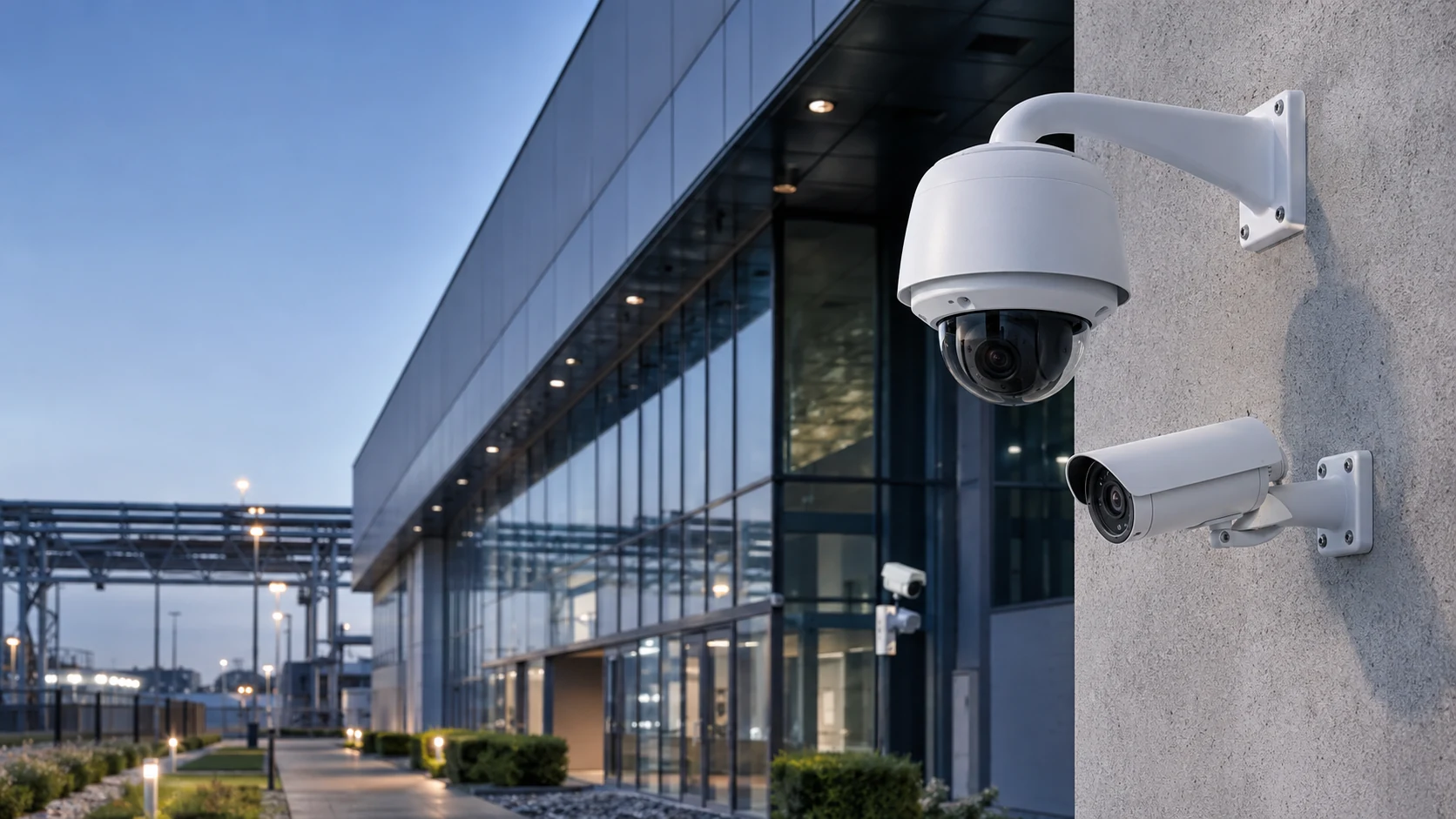
Video analytics can continue reporting a healthy service after a camera has moved enough to invalidate its detection zones. Recommissioning should verify scene geometry, target size, occlusion and event routing whenever the view or environment changes.
Preserve the accepted view
Keep a reference image showing the approved field of view, horizon, landmarks and zone boundaries. Record lens settings, mounting height, camera angle, resolution, frame rate and analytics version. These values allow a technician to distinguish a scene change from an algorithm change.
Use tamper detection as an alert, not as the only control. Small shifts, zoom changes or focus adjustments may remain below a tamper threshold while materially changing target pixels.
Rebuild geometry from the scene
Confirm that calibration lines, perspective maps and exclusion zones align with current physical features. Walk the near, middle and far parts of each zone using representative target paths. Verify that the analytics maintains the required object size and classification confidence.
Check entrances, corners and zone boundaries where a track may appear late or disappear early. Vegetation, parked vehicles and new structures can create occlusion that was absent during acceptance.
Test operational scenarios
Run approved intrusion, loitering, direction and line-crossing tests at different speeds and angles. Include more than one person or vehicle where the system is expected to separate targets. Test daylight, low light and scene illumination transitions.
Record both missed events and nuisance alarms. A tuning change that suppresses shadows but also misses a slow approach is not an acceptable improvement.
Verify the event chain
Confirm that every accepted detection reaches the video management system and control-room workflow with the correct camera, zone, timestamp and clip. Measure cue and display latency. If the camera triggers lighting, audio or another sensor, verify those actions without assuming that a local analytics alarm proves integration success.
Recommissioning should remain part of the wider Video Surveillance & Imaging maintenance plan, with clear ownership for scene changes.
Control and review changes
Store before-and-after screenshots, settings exports, test routes and results. Require approval for large sensitivity or zone reductions and keep a rollback copy. Repeat a representative test after firmware, model, VMS or network updates, and schedule periodic checks for cameras exposed to vibration, construction or seasonal vegetation.
Measure post-change stability
Observe the camera through representative operating periods after recommissioning. Compare alarm volume, classification mix and operator dispositions with the accepted baseline. A short walk test cannot reveal every moving shadow, headlight reflection or recurring obstruction.
Assign unresolved blind areas and nuisance sources to named owners. Where geometry cannot be corrected, document compensating coverage and its limitations. Close the recommissioning record only after both controlled detection tests and a defined observation period have passed.
Document the final field of view and approved test date.
Leave a Reply