Tag: Video Analytics

  • Smart City Security: Cameras, Sensors and Public-Safety Platforms

    Smart City Security: Cameras, Sensors and Public-Safety Platforms

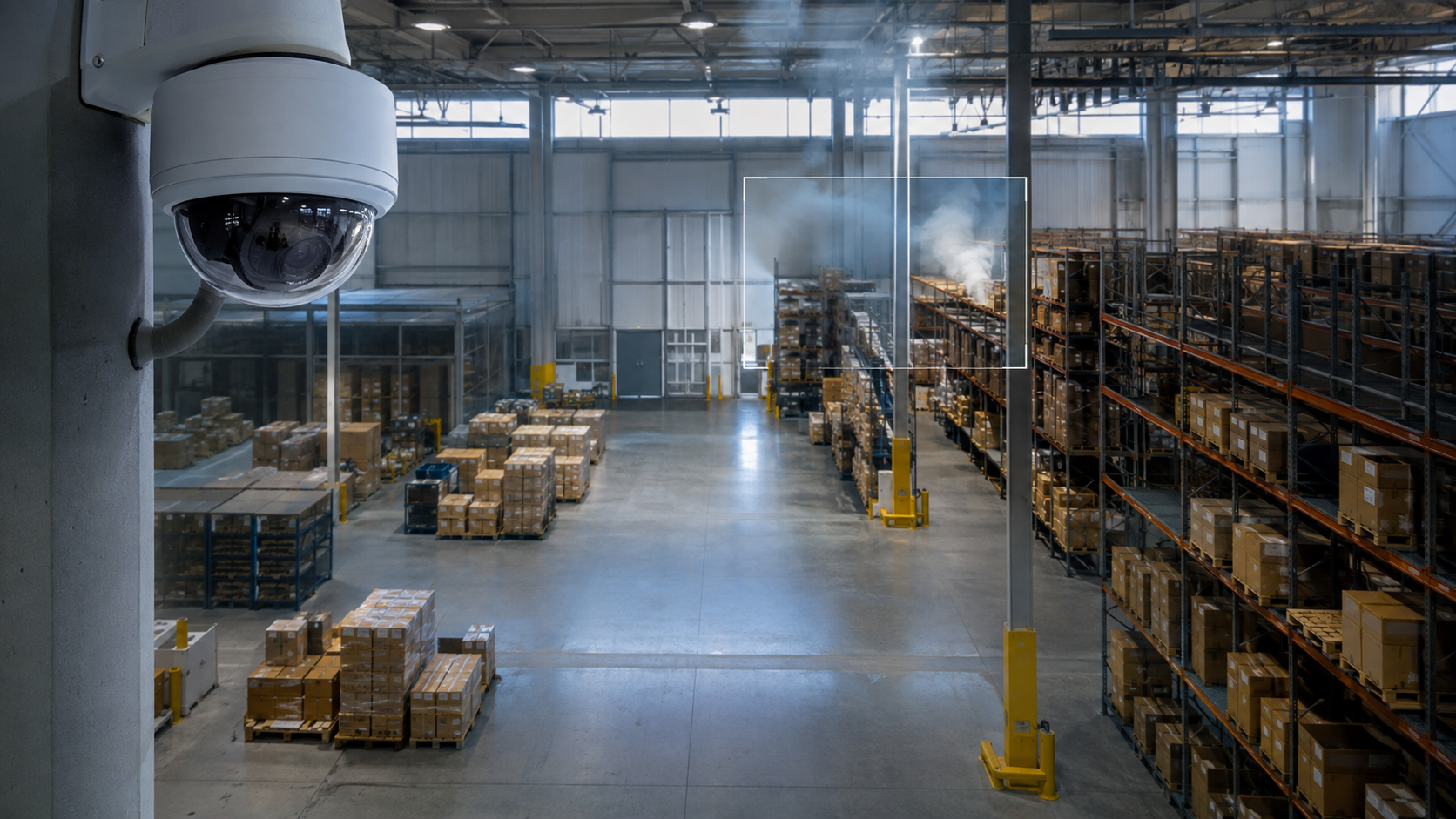
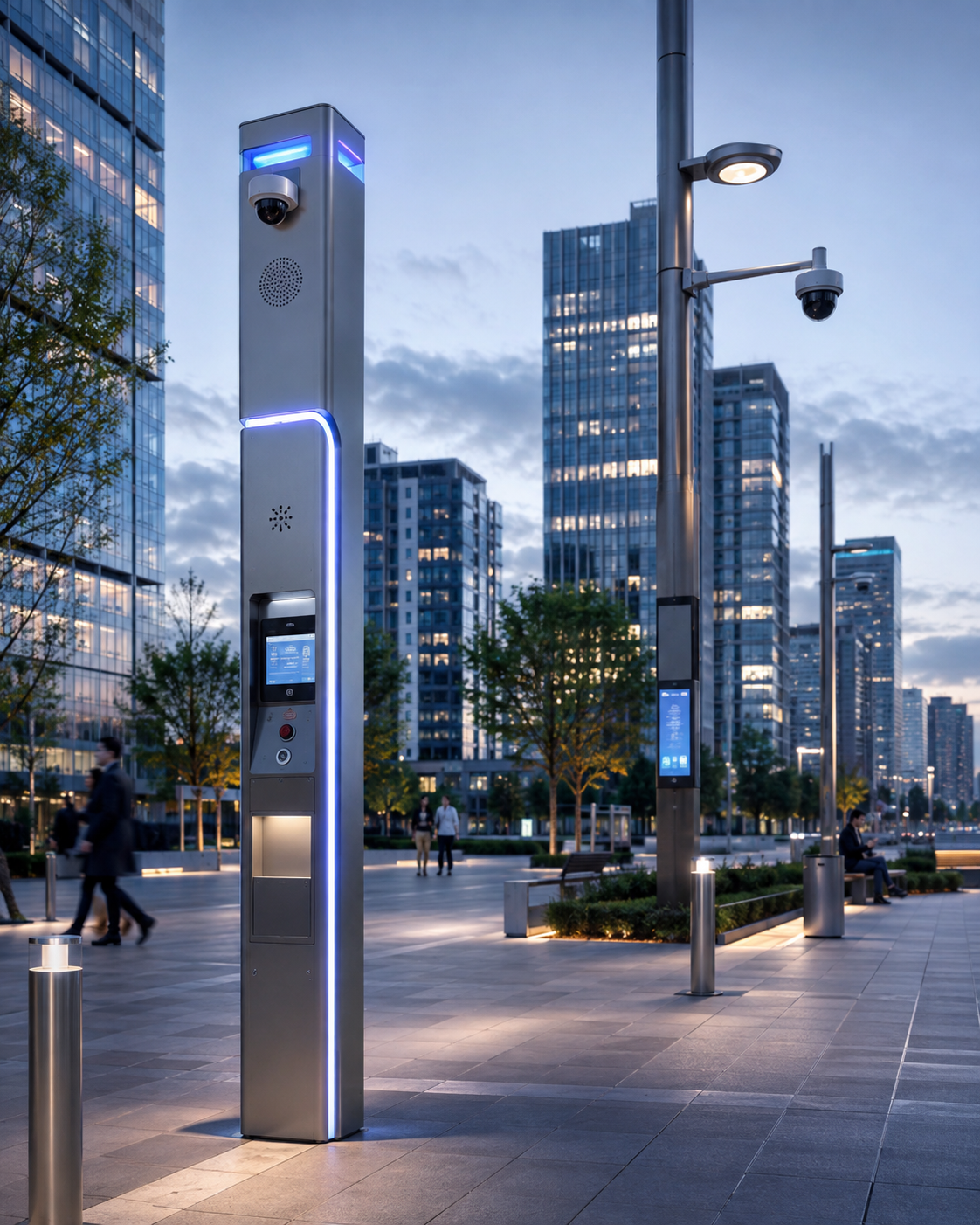
    Smart-city security is moving beyond large camera networks toward integrated situational awareness that combines video, environmental sensors, transport data, emergency communications and analytics.

    From surveillance to situational awareness

    A camera-only model produces large volumes of video but limited context. Modern platforms correlate video with traffic, access, environmental, acoustic and emergency-service information.

    Edge intelligence

    Running analytics at the edge can reduce bandwidth and provide faster alerts. Typical functions include object detection, crowd density, traffic incidents and unusual behavior, but deployment must be guided by clear public policy.

    Privacy and governance

    Smart-city security can affect millions of people. Data minimization, retention limits, auditability, transparency and role-based access are essential for maintaining public trust.

    Resilient communications

    City platforms depend on fiber, wireless and cloud connectivity. Architecture should assume outages and include local recording, redundant paths and graceful degradation.

    A platform, not a single product

    Successful smart-city deployments are built around interoperability. Open interfaces allow agencies to combine sensors from different vendors while preserving cybersecurity and operational control.

    Conclusion

    Smart City Security: Cameras, Sensors and Public-Safety Platforms should be evaluated as part of a broader operational architecture. The strongest deployments combine suitable sensing technology, resilient communications, clear procedures and measurable performance rather than relying on a single device or headline specification.
  • Tunnel Safety and Security Technology: Detection, Evacuation and Integrated Control

    Tunnel Safety and Security Technology: Detection, Evacuation and Integrated Control

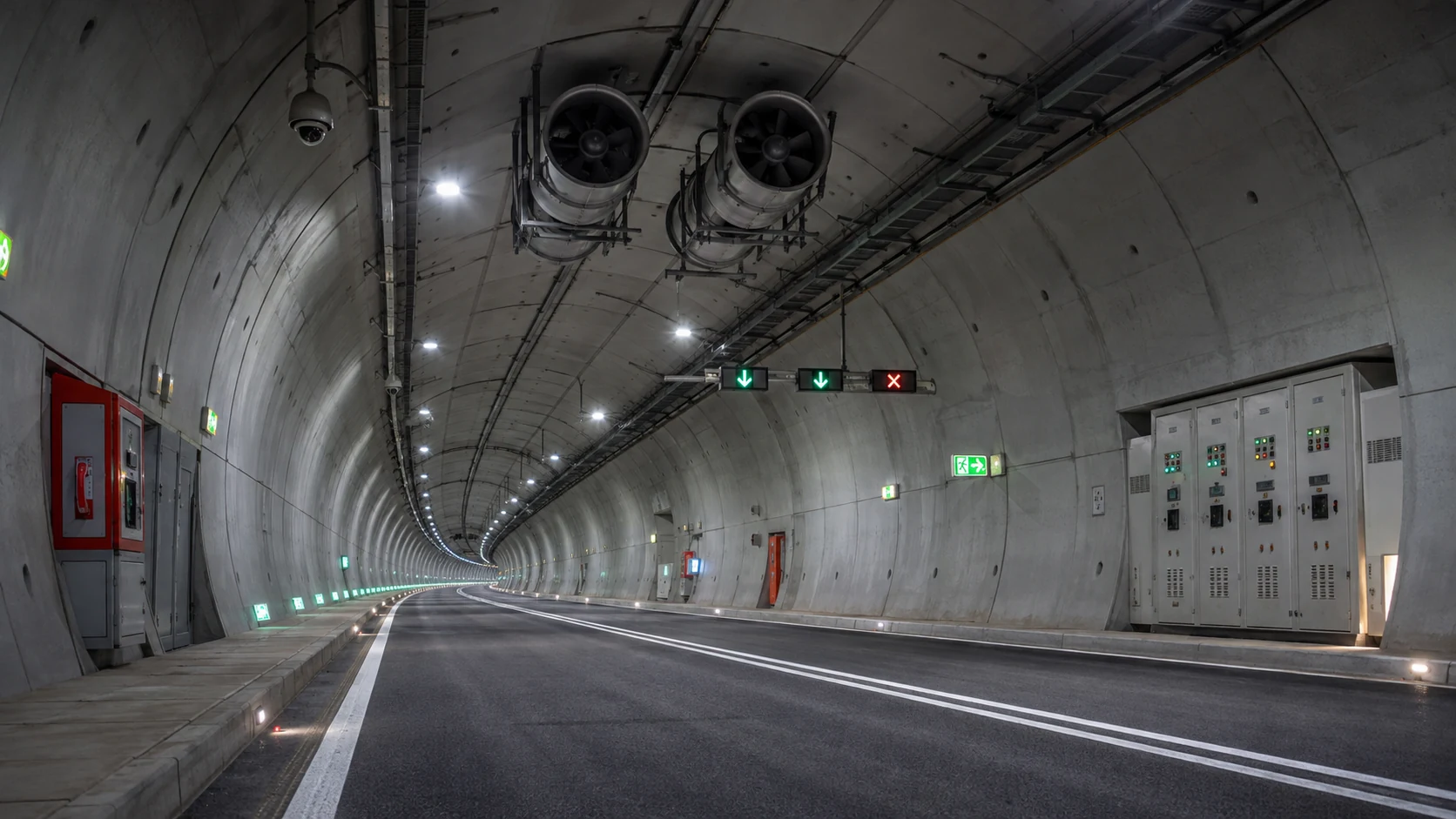
    Modern tunnels combine fire detection, video analytics, access control, ventilation, emergency communications and increasingly distributed fiber sensing. Because incidents develop quickly and escape routes are constrained, tunnel protection depends on coordinated systems rather than isolated devices.

    Why tunnels require a different security model

    Road and rail tunnels create long enclosed spaces with limited visibility, difficult radio propagation and restricted evacuation options. A useful design therefore starts with incident detection, localization and coordinated response rather than simply adding more cameras.

    Core detection layers

    Video surveillance provides situational awareness while thermal cameras can identify overheated equipment or abnormal temperature patterns. Linear heat detection, point detectors, flame detection and air-quality sensors add dedicated life-safety coverage. In long tunnels, DAS can provide continuous acoustic and vibration awareness along many kilometres of fiber.

    Ventilation and evacuation

    Smoke control is often as important as the initial alarm. Variable-message signs, public-address systems, emergency telephones, lighting and cross-passage control must work with ventilation logic so operators can direct people away from the hazard.

    The role of the control room

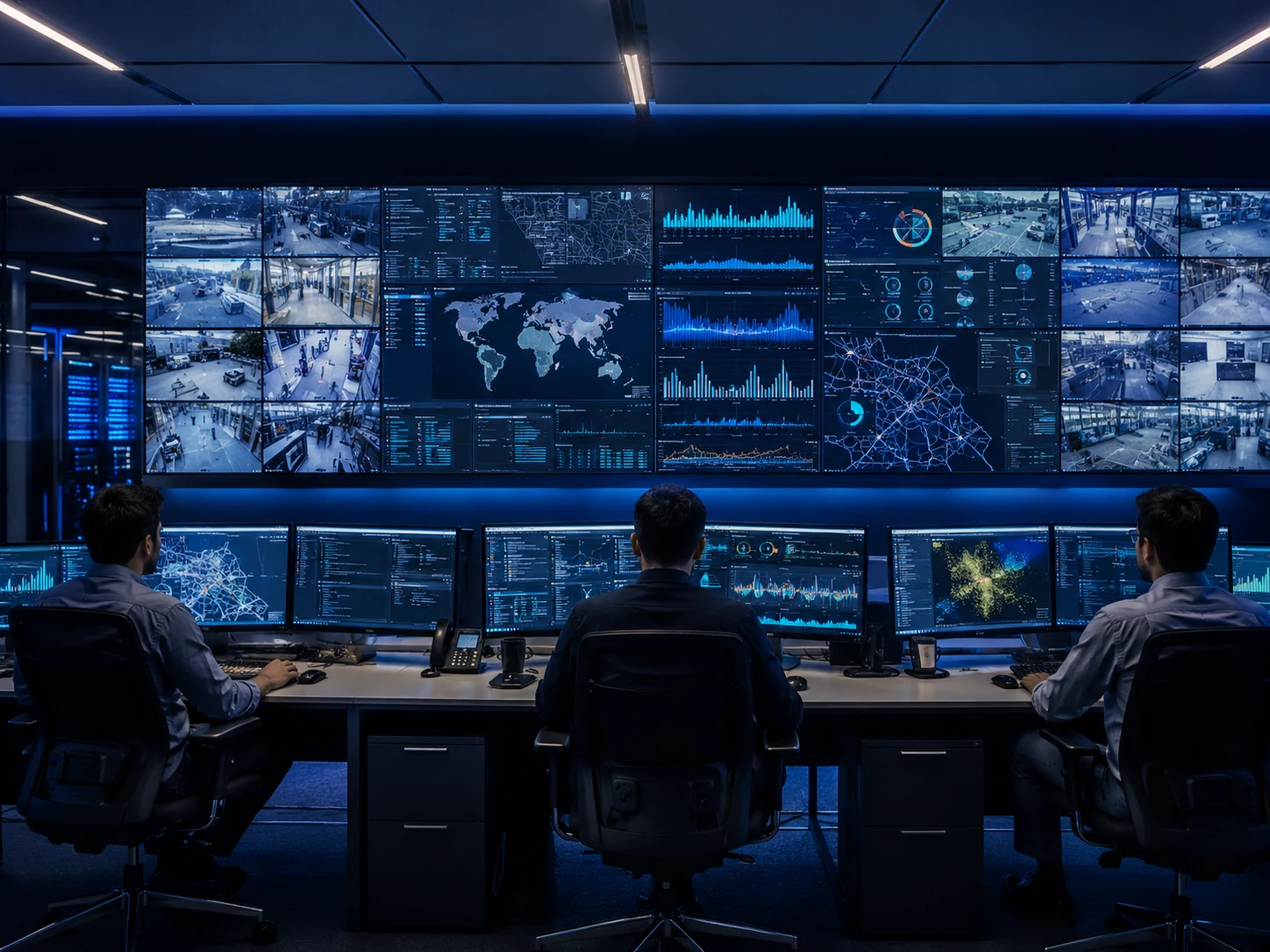
    A tunnel operations center should correlate alarms, location, video and infrastructure status on one interface. Automation can suggest response actions, but operators still need clear authority and verified procedures.

    Design priorities

    Resilience, redundant communications, maintainability, false-alarm control and realistic drills matter as much as sensor selection. The strongest architecture is layered, testable and designed around credible incident scenarios.

    Conclusion

    Tunnel Safety and Security Technology should be evaluated as part of a broader operational architecture. The strongest deployments combine suitable sensing technology, resilient communications, clear procedures and measurable performance rather than relying on a single device or headline specification.
  • Autonomous Drones for Perimeter Patrol

    Autonomous Drones for Perimeter Patrol

    Autonomous drones are moving from experimental security projects toward practical perimeter-monitoring tools. Instead of being manually flown for every mission, an autonomous system can launch from a docking station, follow a predefined route, inspect points of interest and return for charging with limited operator involvement.

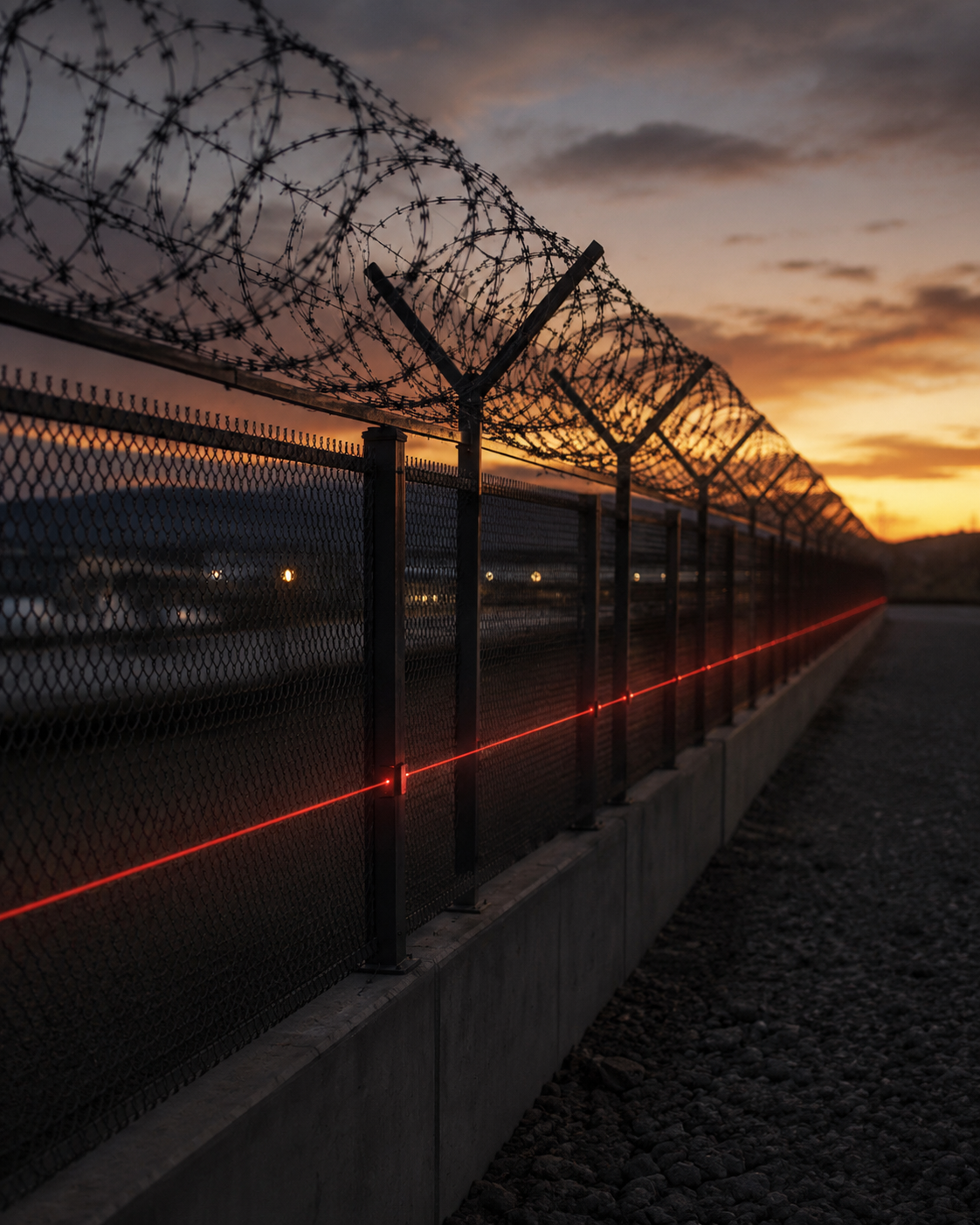
    The value is not that drones replace fixed cameras or guards. Their value is mobility. A drone can investigate an alarm, inspect a remote fence section, view the far side of a building or patrol terrain that would require many fixed camera positions.

    Modern systems combine navigation, obstacle avoidance, geofencing, video analytics and fleet-management software. Thermal payloads can improve night operations, while high-resolution visible cameras provide identification and documentation.

    Autonomy introduces new design requirements. The drone must operate safely around structures, power lines, people and changing weather. Communications loss, GPS degradation, emergency landing and cyber security must all be addressed. Docking stations also become critical infrastructure because they provide charging, data transfer and environmental protection.

    Security workflows are most effective when drone missions are triggered by other sensors. A fence alarm, radar track or fiber-optic detection event can automatically create a task for a drone to inspect the location. The resulting video can then be displayed in the same command platform used for fixed cameras.

    Regulation remains a major factor. Beyond-visual-line-of-sight operations, autonomous missions and flights near populated or restricted areas may require specific approvals. Organizations should treat aviation compliance as part of system design from the beginning.

    Autonomous drones are best understood as mobile sensors within a layered perimeter system. Their strongest role is verification, inspection and rapid situational awareness across large or difficult sites.

  • License Plate Recognition: How Modern ALPR Systems Work

    License Plate Recognition: How Modern ALPR Systems Work

    Automatic license plate recognition, often called ALPR or ANPR, converts vehicle images into searchable plate data. It is widely used for gated facilities, parking, logistics, campuses, ports and investigations because vehicle identifiers can be processed much faster than manual video review.

    How the Technology Works

    A modern ALPR pipeline begins with image capture. The camera must freeze a moving vehicle clearly enough for the plate characters to be visible. Shutter speed, lens selection, infrared illumination and camera angle are therefore more important than raw megapixel count.

    The software then detects the plate region, corrects perspective where possible and uses optical character recognition to convert the image into text. Advanced models may also estimate plate country or region, vehicle type, color, make and direction of travel.

    Operational Considerations

    Environmental conditions create challenges. Headlights can overwhelm a poorly configured camera at night. Dirty or damaged plates reduce recognition quality. Motorcycles, stacked plates, unusual fonts and high vehicle speeds may require specialized configurations.

    ALPR systems should store confidence values and the original evidence image alongside recognized text. Operators need to see the plate that produced a match rather than trust the OCR string alone. A single misread character can create a false alert.

    For access control, ALPR can operate as a credential. A vehicle on an approved list can trigger a gate workflow, while an unknown plate can be routed to an intercom or guard station. Higher-security sites should combine the plate with another factor because plates can be copied or obscured.

    Deployment and Risk

    For investigations, the real value is search. Security teams can query when a vehicle entered, which gate it used and where else it appeared. Integration with VMS and access-control data creates a more complete timeline.

    Privacy and retention policies are important because plate data can reveal travel patterns. Organizations should define who can search the database, how long records are retained and whether data is shared outside the organization.

    Conclusion

    A successful ALPR deployment is a camera-engineering project as much as an AI project. Correct geometry, illumination and lane design determine recognition quality. When those fundamentals are right, ALPR becomes one of the most reliable and operationally useful forms of video analytics.

  • Edge AI Cameras vs Server-Based Video Analytics

    Edge AI Cameras vs Server-Based Video Analytics

    Modern video systems can run analytics inside cameras, on local servers, in data centers or in the cloud. Processing location affects bandwidth, latency, scalability, maintenance and model lifecycle.

    Edge AI cameras

    Inference near the sensor can classify objects before video reaches the VMS, reduce central processing and allow immediate local actions or event transmission.

    Server-based analytics

    Central GPU resources can run more demanding models, share compute across cameras and support upgrades without replacing the camera fleet.

    Operational trade-offs

    Edge processing suits distributed sites with limited connectivity. Central systems simplify model deployment and support correlation across cameras or enterprise data.

    Cybersecurity and resilience

    Intelligent endpoints increase patching and monitoring requirements. Central servers reduce endpoint complexity but become high-value infrastructure requiring segmentation and redundancy.

    Lifecycle cost and hybrid systems

    Buyers should compare cameras, GPUs, rack space, power, licensing and support over the system life. Hybrid designs commonly combine edge detection with centralized search and correlation.

    Conclusion

    The correct architecture matches the operational problem. Most enterprises will use a mixture of edge and central analytics.