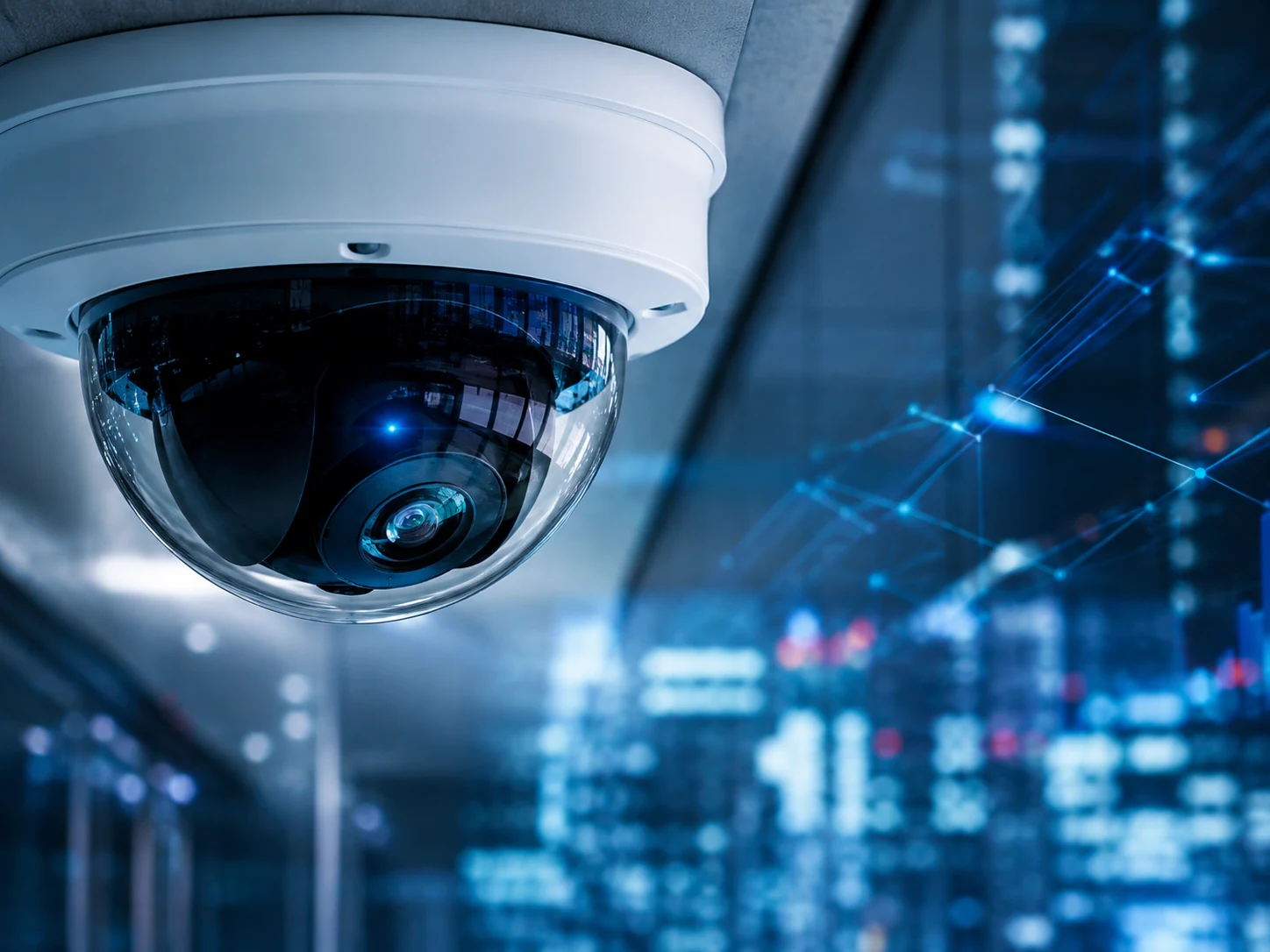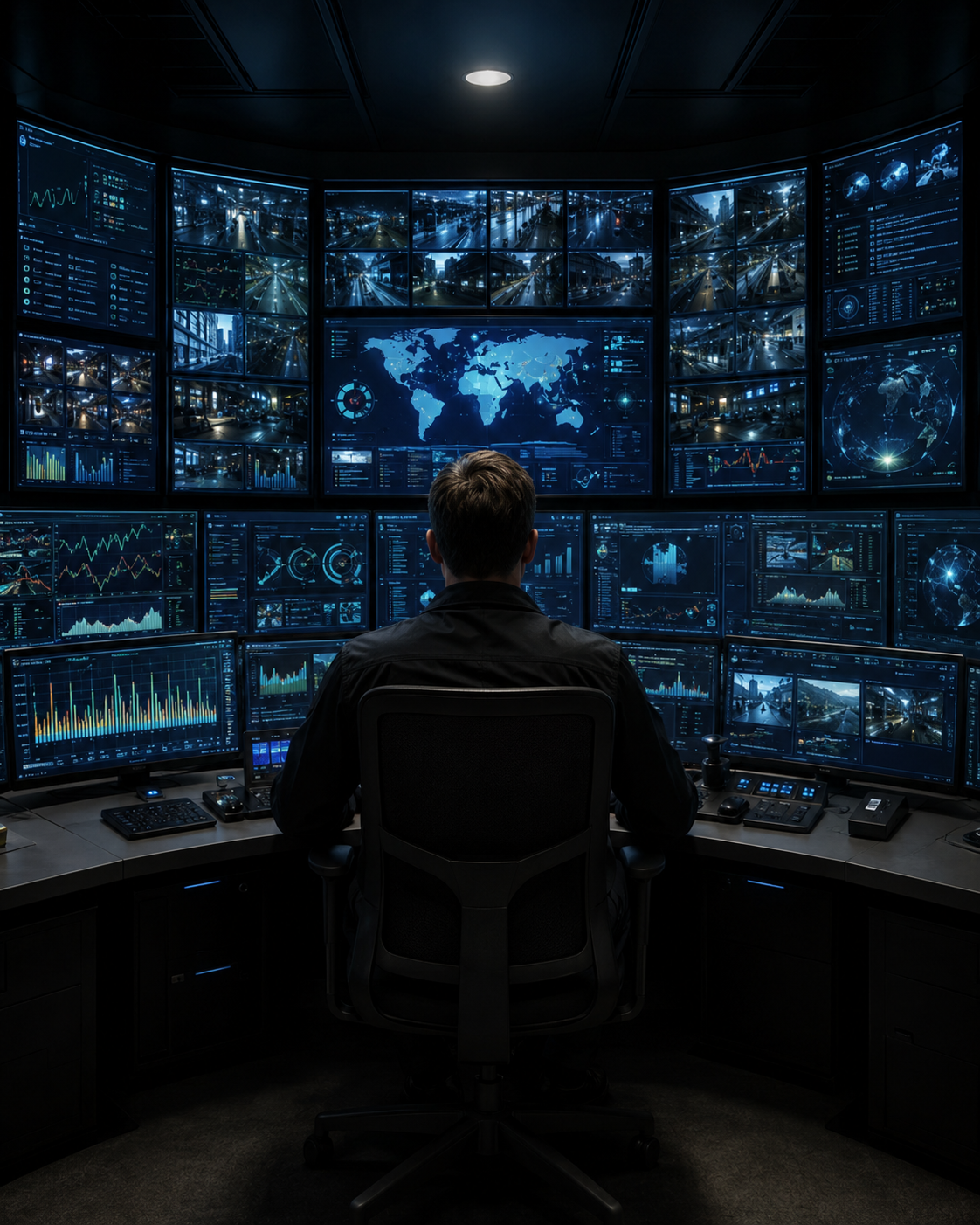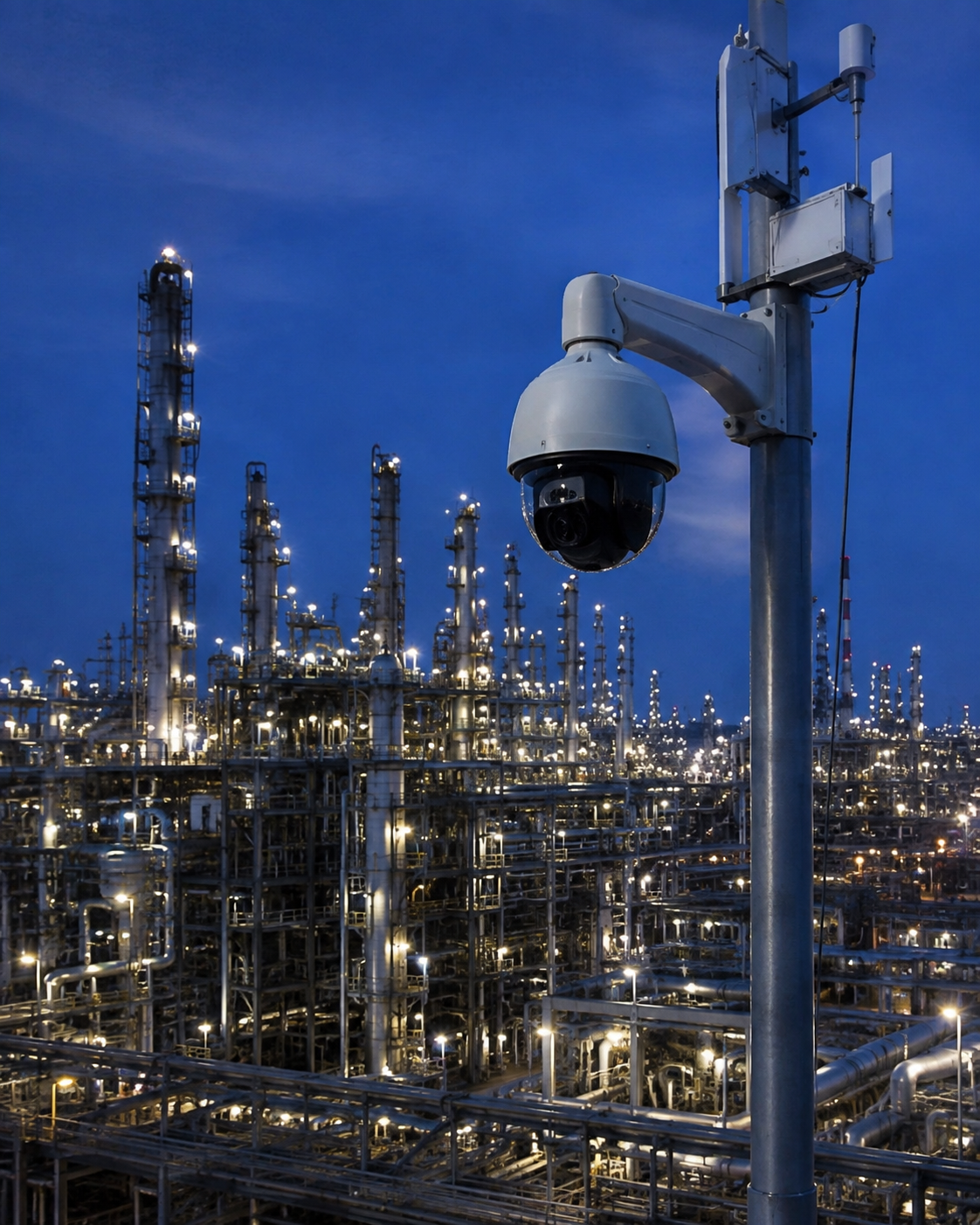
Low-light surveillance is often marketed with impressive nighttime images, but camera performance is governed by basic optics and sensor physics. Understanding sensor size, aperture, shutter speed, noise and illumination helps buyers distinguish real performance from aggressive image processing.
How the Technology Works
A larger image sensor can collect more light, especially when resolution is not increased excessively. Pixel size also matters. Two cameras with the same megapixel count may perform very differently if one uses a substantially larger sensor.
Lens aperture controls how much light reaches the sensor. A lower f-number generally allows more light, but aperture, depth of field and lens quality must be balanced. A bright lens cannot compensate for poor focus or incorrect field of view.
Operational Considerations
Shutter speed is another trade-off. Slower exposure can make a static scene appear bright but creates motion blur. A camera that produces a beautiful nighttime still image may fail to capture a recognizable moving person or vehicle. Security testing should therefore include moving targets.
Noise reduction can improve appearance but may remove detail. Heavy temporal noise reduction can produce ghosting around moving objects. AI enhancement can reconstruct edges and suppress noise more intelligently, but it still cannot recover information that the sensor never captured.
Infrared illumination remains a practical solution. Integrated IR LEDs or separate illuminators can provide consistent nighttime performance without visible light. However, reflective surfaces, insects, fog and nearby objects can cause overexposure or backscatter.
Deployment and Risk
Visible white light can provide color information that infrared cannot. Some modern cameras combine large sensors, bright lenses and controlled supplemental lighting to maintain color at very low illumination. This can be useful when clothing or vehicle color is important to an investigation.
Low-light specifications should be treated cautiously because manufacturers may measure minimum illumination under different conditions. The best comparison is a controlled field test using the intended lens, scene and target speed.
Conclusion
For security designers, the lesson is simple: lighting is part of the surveillance system. Camera selection, scene illumination, target movement and analytics requirements should be engineered together. AI can improve a good image, but it does not eliminate the need for enough photons at the sensor.