
Category: Intercom & Communication

  • Video Intercom and Communication Systems: The Missing Link in Modern Access Control

    Video Intercom and Communication Systems: The Missing Link in Modern Access Control

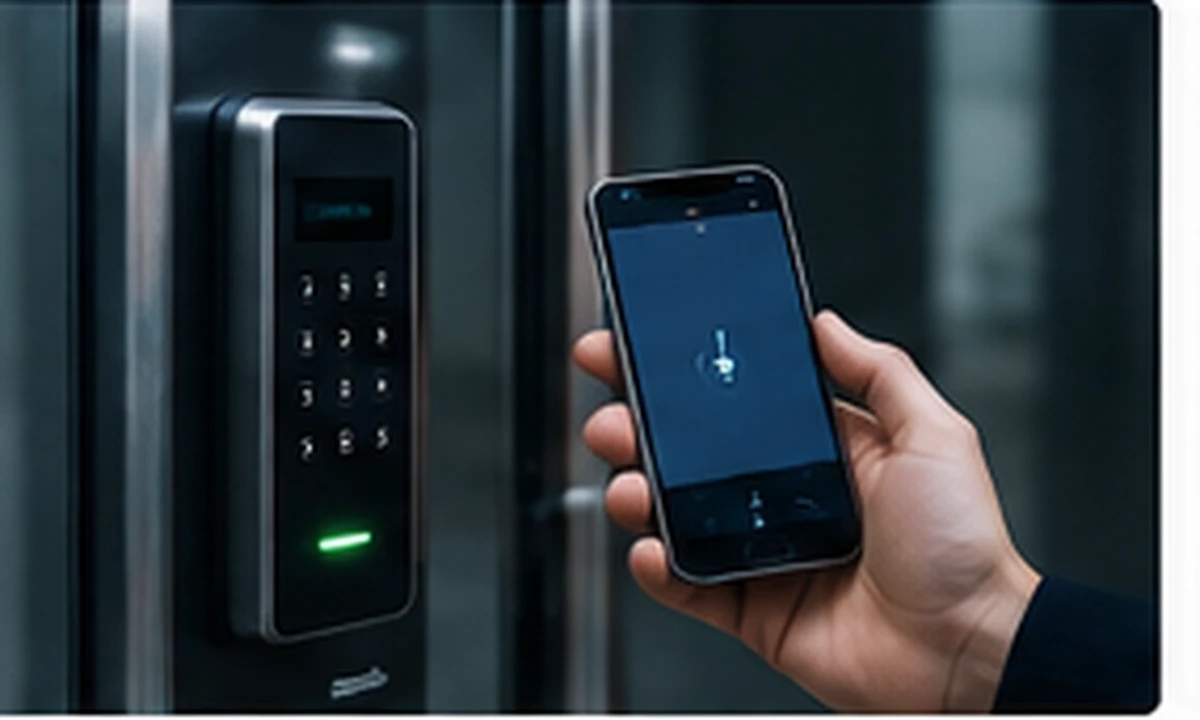
    Video intercom systems sit at the point where access control, video surveillance, and building communication converge. A visitor at a door is simultaneously a video subject, an access-control event, and a two-way audio interaction — and modern IP-based intercoms are designed to treat all three as a single, integrated workflow rather than three separate systems bolted together.

    From Analog Buzzers to Networked Endpoints

    Legacy intercoms were closed, point-to-point systems: a door station wired directly to a handset inside. IP video intercoms instead operate as network endpoints, capable of streaming video to a central VMS, triggering access-control credentials, and routing calls to a receptionist, a mobile app, or a remote guard station depending on time of day or staffing. This shift means an intercom call can be answered from anywhere with network access, not just a fixed panel next to the door it serves.

    Integration With Access Control and Visitor Management

    The strongest deployments tie intercom systems directly into access-control platforms so a single interaction — a visitor pressing a call button — can trigger identity verification, log an event, and grant a temporary credential without separate manual steps. Some platforms extend this further into visitor-management systems, allowing a pre-registered guest to be recognized at the door and granted access automatically, with the intercom serving as a fallback for unregistered visitors.

    Where Video Intercoms Add the Most Value

    Multi-tenant residential buildings, corporate lobbies, loading docks, and remote or unstaffed facility entrances see the clearest return: each is a location where someone needs to grant access without being physically present. Cloud-managed intercom platforms let a single remote operator cover multiple sites, reducing the staffing burden of traditional front-desk security while preserving a human decision point at every entry.

    Deployment Considerations

    Bandwidth and power planning matter more for video intercoms than for traditional access readers, since each unit is effectively a camera, microphone, speaker, and access-control endpoint drawing continuous power over Ethernet. Organizations should also plan for redundancy: because intercoms are often the only way a legitimate visitor can request entry, a network outage that takes the intercom offline can inadvertently block access as effectively as a security incident.

  • Mass Notification Systems: Emergency Communication for Complex Sites

    Mass Notification Systems: Emergency Communication for Complex Sites

    Emergency communication is no longer limited to bells, sirens or a single public-address message. Modern mass-notification systems are designed to deliver clear, coordinated instructions across multiple channels and to reach people wherever they are.

    Why communication fails during emergencies In a crisis, occupants may not know what has happened, where the hazard is or whether they should evacuate, shelter in place or avoid a specific route. A simple alarm tone communicates urgency but not context. Voice messages, visual displays, mobile alerts and desktop notifications can provide more actionable information.

    Multiple channels, one message A modern platform may integrate voice alarm, public address, SMS, mobile applications, email, digital signage, desktop pop-ups and radio interfaces. The goal is not to send as many messages as possible; it is to ensure that the same verified instruction reaches the right audience quickly.

    Integration with detection systems Emergency communication becomes more powerful when linked with fire alarms, gas detection, security systems, weather alerts and building management platforms. A confirmed incident can trigger pre-approved message templates while operators retain control over escalation.

    Message intelligibility A loud announcement is not necessarily an understandable announcement. Reverberation, machinery noise, language differences and hearing impairment can all reduce comprehension. Acoustic design, speaker placement and message testing are therefore essential.

    Cybersecurity and resilience Because many notification platforms use IP networks and cloud services, they require strong authentication, role-based permissions and fallback communication paths. Emergency communication must continue even when part of the IT infrastructure is unavailable.

    The best systems combine automation with human judgment. Predefined workflows reduce delay, while trained operators validate the situation and adapt instructions as conditions change. The real performance measure is not how many channels a platform supports, but whether people receive a clear, trusted instruction when seconds matter.