
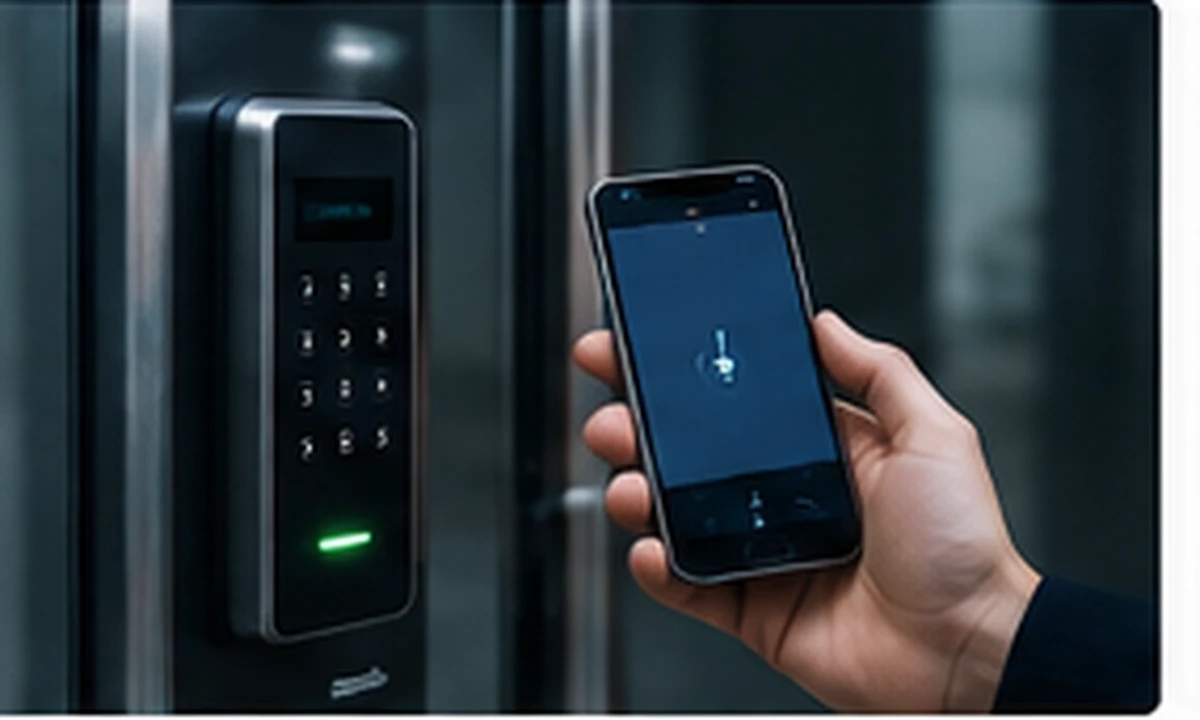
Video intercom systems sit at the point where access control, video surveillance, and building communication converge. A visitor at a door is simultaneously a video subject, an access-control event, and a two-way audio interaction — and modern IP-based intercoms are designed to treat all three as a single, integrated workflow rather than three separate systems bolted together.
From Analog Buzzers to Networked Endpoints
Legacy intercoms were closed, point-to-point systems: a door station wired directly to a handset inside. IP video intercoms instead operate as network endpoints, capable of streaming video to a central VMS, triggering access-control credentials, and routing calls to a receptionist, a mobile app, or a remote guard station depending on time of day or staffing. This shift means an intercom call can be answered from anywhere with network access, not just a fixed panel next to the door it serves.
Integration With Access Control and Visitor Management
The strongest deployments tie intercom systems directly into access-control platforms so a single interaction — a visitor pressing a call button — can trigger identity verification, log an event, and grant a temporary credential without separate manual steps. Some platforms extend this further into visitor-management systems, allowing a pre-registered guest to be recognized at the door and granted access automatically, with the intercom serving as a fallback for unregistered visitors.
Where Video Intercoms Add the Most Value
Multi-tenant residential buildings, corporate lobbies, loading docks, and remote or unstaffed facility entrances see the clearest return: each is a location where someone needs to grant access without being physically present. Cloud-managed intercom platforms let a single remote operator cover multiple sites, reducing the staffing burden of traditional front-desk security while preserving a human decision point at every entry.
Deployment Considerations
Bandwidth and power planning matter more for video intercoms than for traditional access readers, since each unit is effectively a camera, microphone, speaker, and access-control endpoint drawing continuous power over Ethernet. Organizations should also plan for redundancy: because intercoms are often the only way a legitimate visitor can request entry, a network outage that takes the intercom offline can inadvertently block access as effectively as a security incident.
Leave a Reply