Category: Residential & Commercial Security

  • NAPCO Releases Prima v8 App With New Security Controls

    NAPCO Releases Prima v8 App With New Security Controls

    September 4, 2026 — NAPCO Security Technologies has released Prima v8, a redesigned mobile app for its Prima self-contained smart security systems. The update adds revised security controls, biometric authentication, expanded notification settings and an Apple Watch companion app.

    What Changed in Prima v8

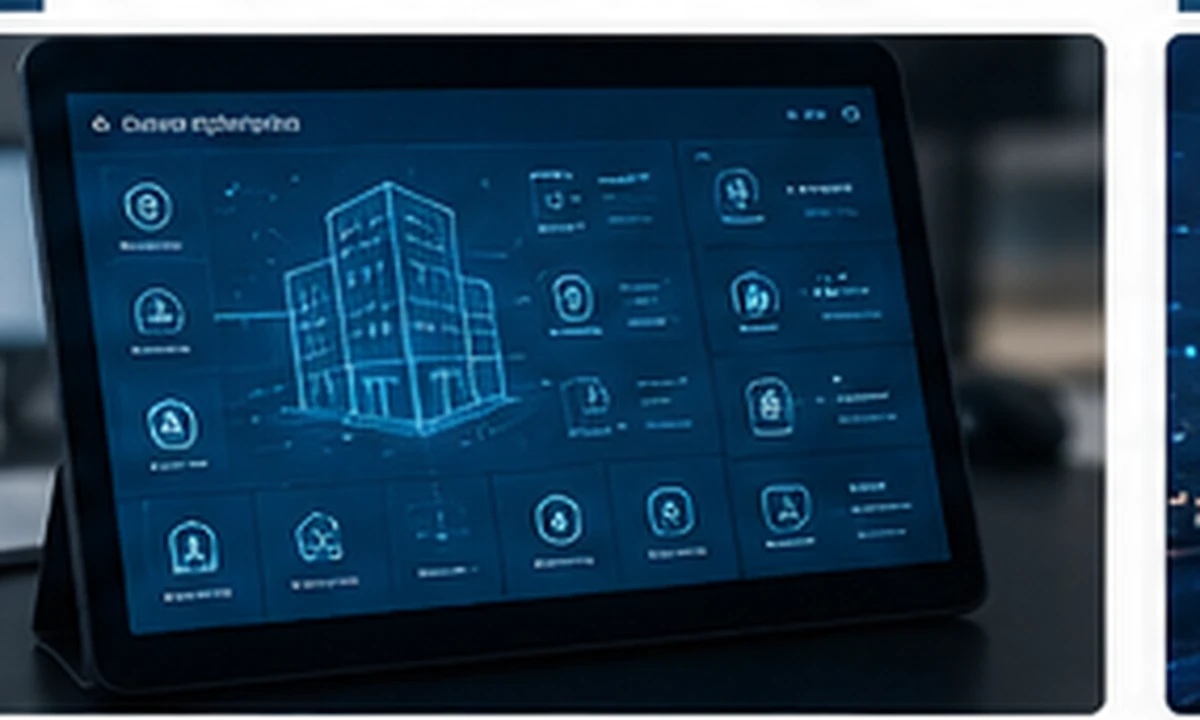
    The new version reorganizes navigation and rebuilds core workflows for arming, device control and account management. Security screens provide clearer entry and exit countdowns, alarm details and sensor status information. Users can also manage connected lights, locks, garage doors, water valves and thermostats from the app.

    NAPCO says existing users can install the update without creating a new account or re-pairing their system devices. Credentials, configurations and device pairings are intended to carry over. The Apple Watch companion app supports arming and disarming from the watch, while revised settings give users more control over push, email and SMS notifications.

    Why It Matters

    Residential and small-commercial security platforms increasingly combine alarm status, connected-device control and account administration in one mobile interface. A clearer workflow can reduce routine friction for users and installers, but app convenience does not replace professional system design, reliable communications or an appropriate alarm-response plan.

    The release follows the wider shift toward software-led management of intrusion and connected-building systems. For background on the underlying sensors and control architecture, see SectechMedia’s guide to intrusion detection and alarm systems.

    Sources

  • Ring Rolls Out TAKE Encryption to Limit Who Can Access Home Security Camera Footage

    Ring Rolls Out TAKE Encryption to Limit Who Can Access Home Security Camera Footage

    Amazon’s Ring announced a new default encryption system for its security cameras and video doorbells on August 26, 2026, called TAKE — short for Throw Away the Key Encryption — designed to limit ongoing access to customer video, including by Ring itself and by law enforcement without a user’s consent, according to the company’s announcement and reporting from The Verge and CEPRO.

    How TAKE Works

    Under the new system, each camera encrypts its video using unique keys that rotate roughly every five minutes. A temporary copy of each key is held in what Ring calls a secure enclave in the cloud, long enough to power features such as smart alerts, video search and AI-generated video descriptions, after which the company says it permanently deletes its copy of that key. Ring has framed the approach as a middle ground between full end-to-end encryption, which would block many of its AI-driven features outright, and its previous architecture, which gave Ring’s cloud infrastructure more persistent access to footage.

    Rollout Timeline

    TAKE is scheduled to become the default encryption setting for all Ring customers worldwide in phases starting in September 2026, according to the company’s announcement.

    Why the Framing Matters

    The change follows years of scrutiny over Ring’s video-sharing practices, including a 2023 FTC settlement over unauthorized employee and law-enforcement access to customer footage, and comes as its former data-sharing partner Flock Safety faces its own wave of municipal contract cancellations over surveillance and privacy concerns. Privacy researchers note that because Ring — not an independent, published standard — designed the key-deletion process itself, customers still have to trust Amazon’s implementation rather than verify it independently, a caveat also raised by outlets covering the announcement.

  • Parking Facility and Garage Security Technology

    Parking Facility and Garage Security Technology

    Parking facilities present a security profile shaped by the tension between convenience and control: operators need to move large volumes of vehicles in and out efficiently while protecting parked vehicles, deterring crime in low-visibility areas, and managing liability in spaces that are frequently unstaffed for long stretches of the day.

    Automated Access Control and License Plate Recognition

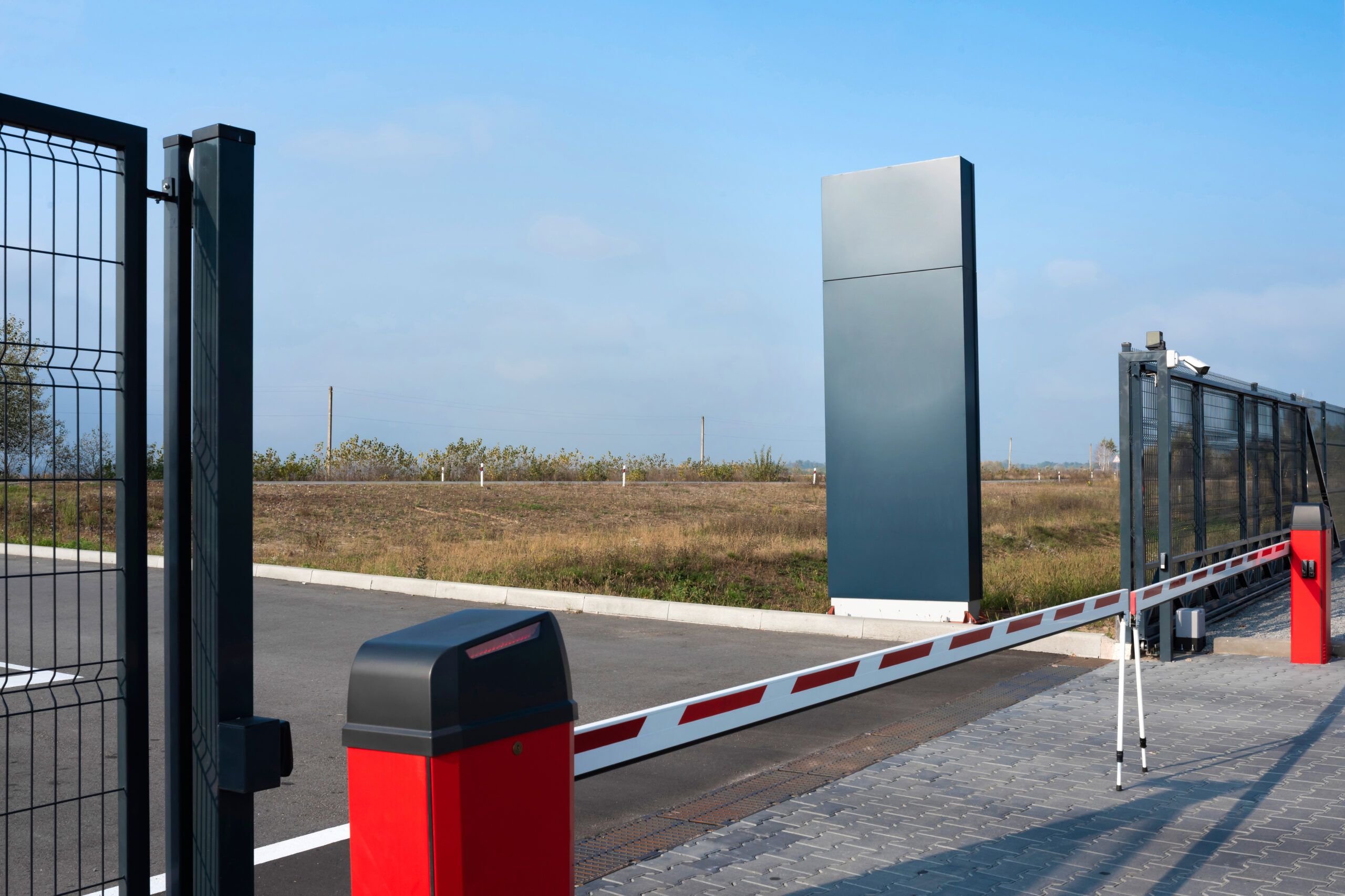
    Modern parking access control has largely moved away from ticket-based entry toward license plate recognition systems that identify vehicles automatically at entry and exit, matching them against reservations, permits or payment records without requiring drivers to stop and interact with a gate or attendant. Automatic barrier gates paired with vehicle detection loops and LPR cameras allow facilities to enforce access restrictions and capacity limits with minimal staffing, while maintaining an auditable record of every vehicle movement through the facility.

    Video Surveillance in Low-Visibility Environments

    Parking structures present persistent lighting and sightline challenges, particularly in multi-level garages with support columns, stairwells and dimly lit corners that create natural blind spots. Camera placement strategy in garages typically prioritizes chokepoints — entry and exit lanes, elevator lobbies, stairwell doors and pedestrian walkways — supplemented by wide-area coverage of parking bays, with increasing use of AI-based analytics to detect loitering, unusual dwell time near parked vehicles, or people entering restricted areas after hours.

    Emergency Communication and Panic Infrastructure

    Because parking facilities are frequently used at hours when few other people are present, blue-light emergency phone towers and intercom call points remain a standard feature in many garages, giving pedestrians a direct, monitored line to security or law enforcement without needing a mobile device. Newer deployments increasingly pair these fixed call points with mobile safety apps that let users share their location and request an escort or check-in while walking to their vehicle.

    Vehicle and Asset Theft Prevention

    Beyond general surveillance, parking security technology addresses vehicle-specific theft risks, including catalytic converter theft and break-ins, through a combination of visible camera coverage, motion-activated lighting, and in some deployments, license-plate-linked alerting that flags when a vehicle associated with a prior incident re-enters the facility.

    Integration With Broader Building Security

    In commercial and residential developments, parking facility access control is frequently integrated with the building’s broader access control and video management systems, allowing a single credential to grant access to both the garage and the building above it, and giving security operations a unified view of a person’s movement from vehicle to building entry rather than treating the parking facility as a separate, disconnected system.

  • Office and Commercial Real Estate Security Technology

    Office and Commercial Real Estate Security Technology

    Office and commercial real estate security has changed shape alongside how buildings are actually used: hybrid work patterns mean occupancy is less predictable than it once was, multi-tenant buildings must balance individual tenant security needs against shared building infrastructure, and property owners increasingly treat security technology as a leasing amenity rather than a cost center.

    Layered Access From Street to Suite

    Modern commercial buildings typically implement access control in tiers: perimeter and lobby access managed by building ownership, elevator or floor-level access restricted to authorized tenants, and suite-level access managed independently by each tenant organization. Mobile credentials and turnstile integration allow this tiered model to function without requiring visitors or employees to carry multiple physical badges for different access levels within the same building.

    Visitor Management at Scale

    Multi-tenant buildings receive a high volume of visitors intended for different companies on different floors, making visitor management more complex than in a single-occupant facility. Building-wide visitor-management systems that let individual tenants pre-register guests, while giving the building’s front desk a single interface to verify and direct all visitors, have become standard in class-A office properties.

    Video Surveillance and Common-Area Monitoring

    Camera coverage in commercial real estate typically concentrates on common areas — lobbies, parking structures, loading docks, and elevator banks — that fall under building ownership’s responsibility, while tenant suites are covered separately at each tenant’s discretion. Parking structures, in particular, receive disproportionate security attention given their historical association with opportunistic crime and their role as a building’s most exposed access point.

    Reduced Occupancy and Hybrid-Work Security Implications

    Lower and less predictable daily occupancy, driven by hybrid work schedules, has pushed some buildings toward occupancy-aware security postures — adjusting patrol schedules, lighting, and monitoring intensity based on real-time occupancy data rather than fixed daytime and after-hours modes. This same occupancy data increasingly feeds into building operations more broadly, informing HVAC and space-utilization decisions alongside security posture.

    Security as a Leasing Consideration

    Property owners increasingly market building security technology — touchless access, integrated visitor management, and modern camera systems — directly to prospective tenants as a differentiator, reflecting a shift where security infrastructure is evaluated by tenants during lease negotiations rather than treated purely as building-management overhead.

  • Alarm.com Expands Into Commercial Fire With New Fire Communicator

    Alarm.com Expands Into Commercial Fire With New Fire Communicator

    Alarm.com has launched the Fire Communicator (ADC-FC100), extending its commercial security platform into fire alarm monitoring for the first time, the company announced.

    What’s New

    The UL-listed, NFPA 72-compliant communicator lets service providers add fire monitoring alongside the intrusion, access control and video categories already available through Alarm.com for Business, standardizing commercial customers on a single platform across all four major categories of commercial security. “The Fire Communicator has the same Alarm.com benefits that helped us grow in other categories like intrusion and access control,” said Scott Davis of DDA Systems, an Alarm.com dealer. “What makes it so valuable is how simple it is to use.”

    Why It Matters

    Fire alarm monitoring has traditionally required a separate communicator and, often, a separate service relationship from intrusion and access control systems. By folding fire into its existing commercial platform, Alarm.com is betting that dealers who already sell and service its intrusion, access and video products will find it easier to add fire monitoring than to manage a fourth, disconnected system — a consolidation trend also visible in other access-control and video vendors’ recent moves to unify previously separate security categories.