Category: Video Surveillance & Imaging

Cameras, video management software (VMS), AI video analytics and imaging technologies used to monitor and secure physical spaces.

  • Natural-Language Video Search: The Next Generation of Investigations

    Natural-Language Video Search: The Next Generation of Investigations

    Natural-language video search allows investigators to describe an event in ordinary language instead of relying only on rigid filters or manual review of recorded footage.

    How the technology works

    A query is converted into semantic features and compared with indexed video metadata or embeddings. Operators can then refine candidates using time, camera, color, object type or movement filters.

    Why indexing matters

    Most systems process video in advance rather than reviewing every frame at query time. Searchable representations make large archives faster to explore.

    Limitations and verification

    Lighting can alter color, small objects may be invisible and ambiguous language can produce false matches. Every candidate result needs human verification against original video.

    Architecture and privacy

    Cloud models may update rapidly, while on-premise deployments may suit sensitive environments. Hybrid designs can retain original video locally and centralize selected metadata or embeddings.

    Evidence and operational impact

    Results should link to original video, timestamp, camera identity and export controls. Semantic search accelerates discovery but does not replace evidentiary discipline.

    Conclusion

    Natural-language search is likely to become a standard VMS capability, differentiated by search quality, privacy, indexing speed and integration.

  • Thermal Imaging in Security: Applications, Advantages and Limitations

    Thermal Imaging in Security: Applications, Advantages and Limitations

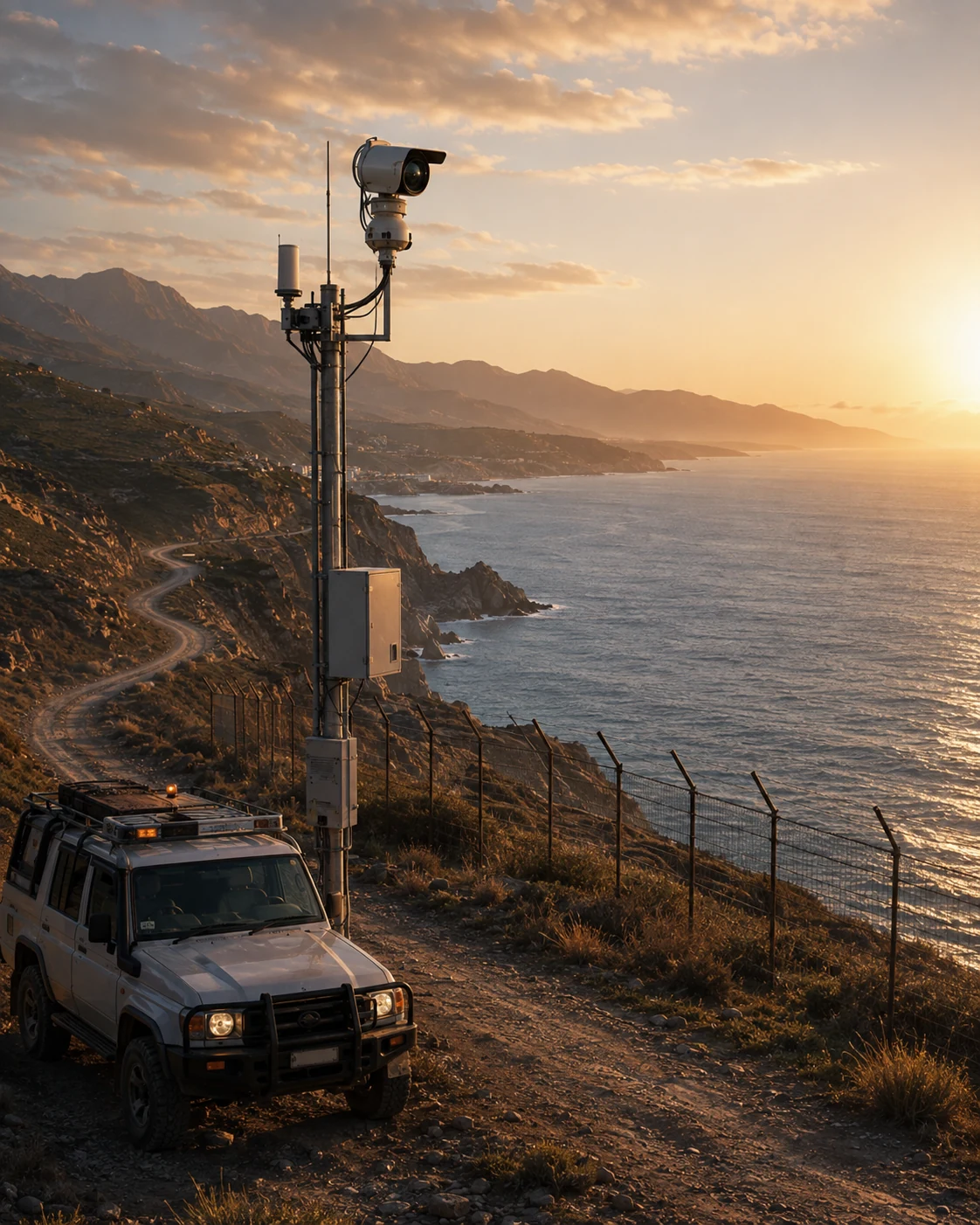
    Thermal cameras detect infrared radiation emitted by objects. Because they do not rely on visible illumination, they can detect people, vehicles and equipment in darkness and many difficult lighting conditions. Their strongest role is as part of a layered detection and verification architecture.

    Perimeter security

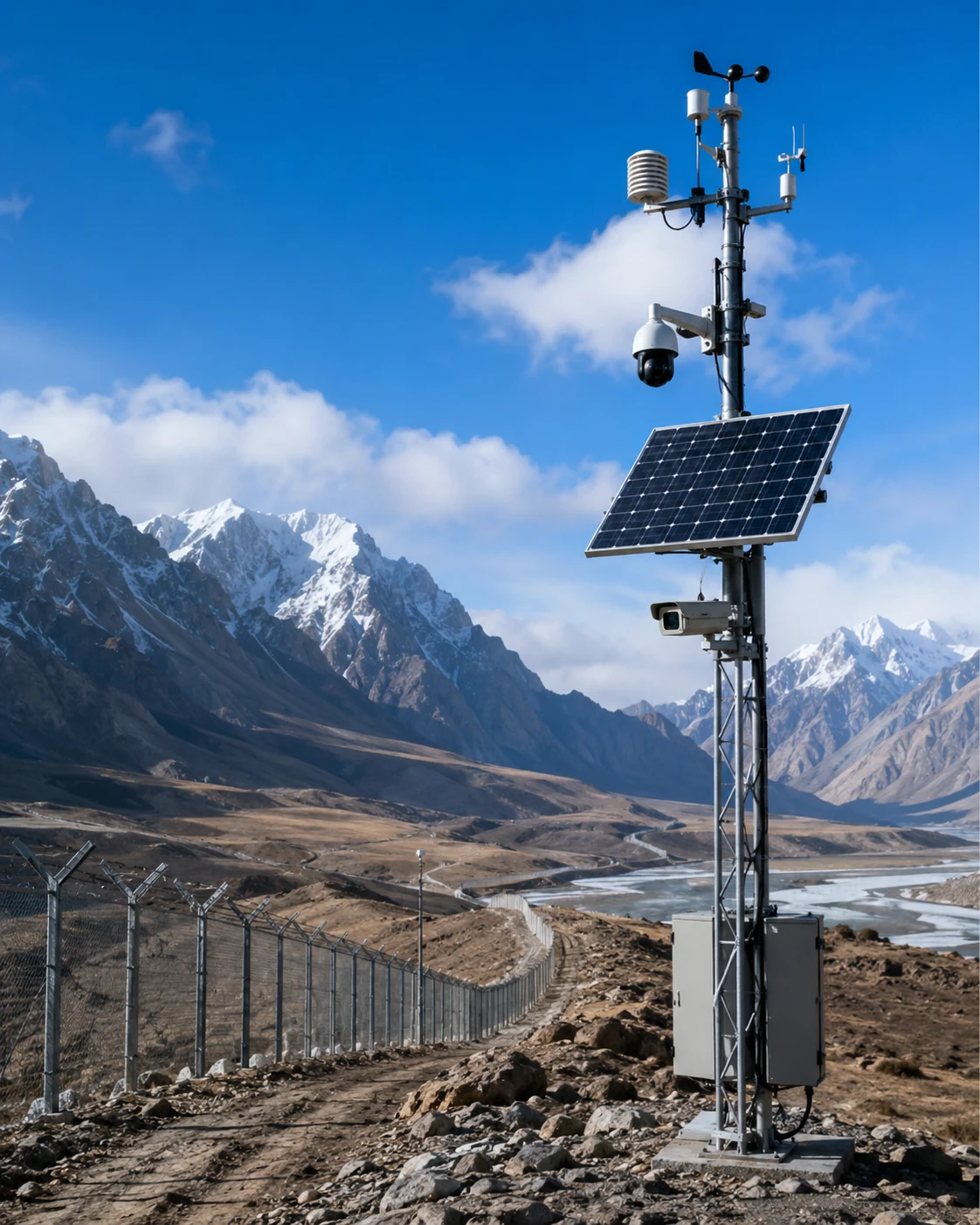
    Thermal imaging is especially valuable for perimeter detection. A person may appear as a clear heat contrast when a conventional camera sees only darkness. When paired with properly configured analytics, thermal cameras can classify targets and generate alarms for operator verification.

    Industrial monitoring

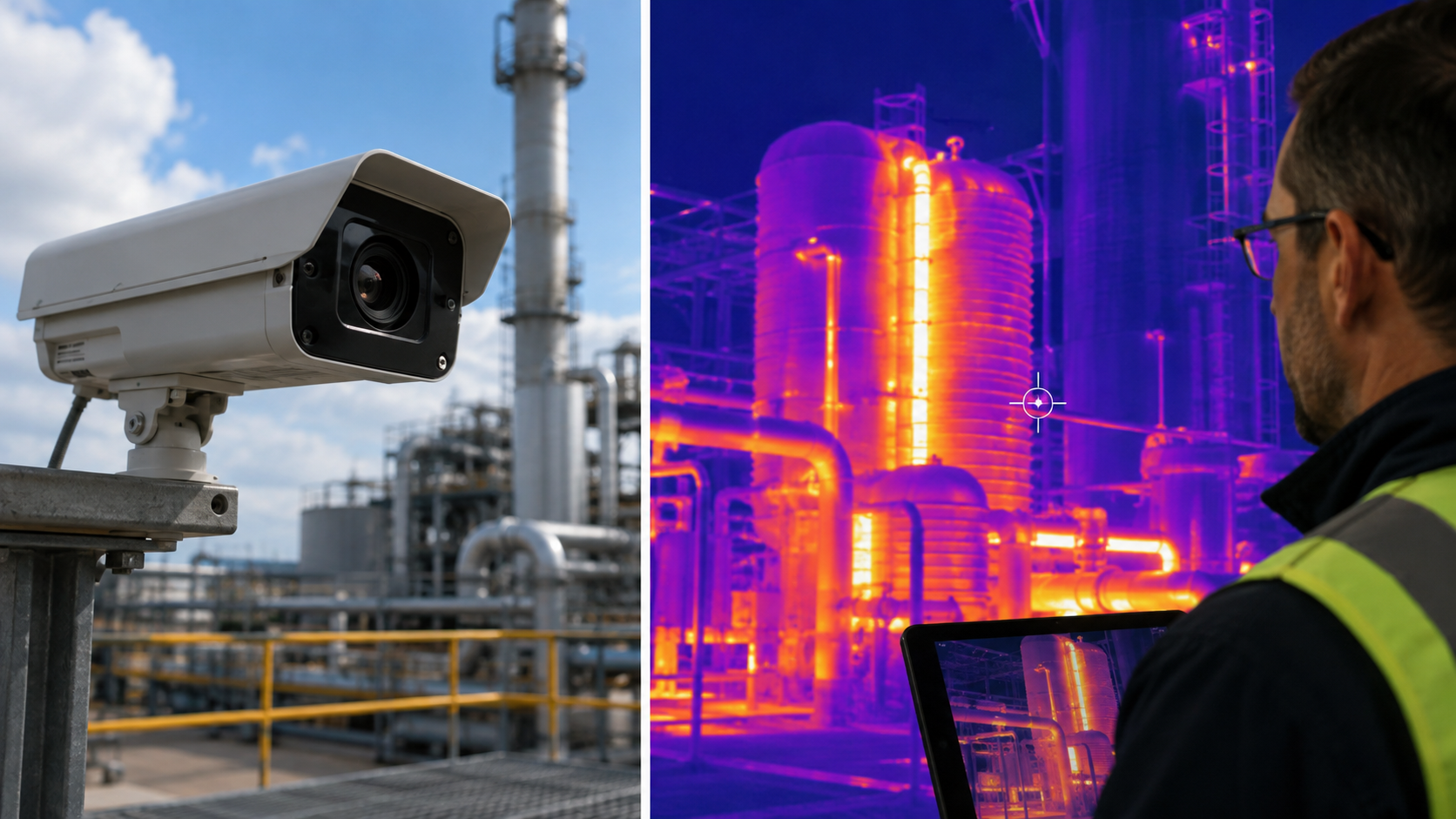
    Thermal cameras are also used to monitor electrical equipment, batteries, process machinery and storage areas for abnormal heat. In these applications, the same sensing platform can contribute to both safety and security operations. Temperature-related conclusions require equipment designed and configured for measurement, not merely thermal video.

    Performance in smoke, haze and low contrast

    Thermal imaging can sometimes provide useful visibility through light smoke, haze or difficult backlighting where visible cameras struggle. Performance still depends on atmospheric conditions, target contrast, wavelength and the characteristics of the scene.

    Advantages of thermal imaging

    • Operation without visible illumination
    • Strong contrast for many warm targets
    • Useful detection capability across large or remote areas
    • Potential privacy advantages where facial detail is unnecessary

    Important limitations

    Thermal cameras do not see through walls and cannot always identify a person. Glass may reflect or block thermal radiation depending on wavelength. Heavy rain, high humidity and extreme ambient temperatures can reduce effective detection performance. Thermal imagery also requires different interpretation from visible video.

    Radiometric and non-radiometric systems

    Some thermal cameras estimate temperature values, while others are intended only for imaging and detection. Temperature-measurement applications require suitable radiometric equipment, calibration, emissivity settings and environmental compensation. A non-radiometric security camera should not be treated as a precision temperature instrument.

    Analytics and seasonal testing

    Analytics can detect people or vehicles in thermal scenes, but training data and scene configuration matter. A system should be tested under representative seasonal and weather conditions because temperature contrast changes throughout the year.

    Integration with other sensors

    A common architecture uses thermal cameras for detection and visible PTZ cameras for verification. Radar can add tracking and range information. Combining complementary sensors can provide stronger situational awareness than relying on any single technology.

    Choosing a thermal camera

    Selection should begin with the required detection task, field of view, target distance, environmental conditions and integration workflow. Resolution, lens focal length, thermal sensitivity and environmental rating matter, but no single specification determines real-world performance.

    Conclusion

    Thermal imaging is a powerful specialized tool for physical security and industrial monitoring, but it is not a universal replacement for visible cameras. The best results come from risk-based design, realistic acceptance testing and integration with verification and response procedures.

  • Video Surveillance Systems Explained: Cameras, VMS, AI and Storage

    Video Surveillance Systems Explained: Cameras, VMS, AI and Storage

    A practical guide to modern video surveillance systems, covering IP cameras, PTZ, thermal imaging, VMS, storage, analytics, interoperability and system design.

    What is a video surveillance system?

    A video surveillance system captures visual information from a protected environment and makes that information available for live monitoring, recording, search, investigation and increasingly automated analysis. Traditional analog CCTV systems carried video over dedicated coaxial infrastructure. IP-based systems encode video digitally and transmit it across networks, which makes integration, remote access and distributed architectures much easier.

    The main components are cameras, network infrastructure, recording or cloud storage, a video management system, operator interfaces and optional analytics. In larger installations, identity systems, intercoms, intrusion sensors and command-and-control platforms may also exchange events with the video system.

    Camera types and where they fit

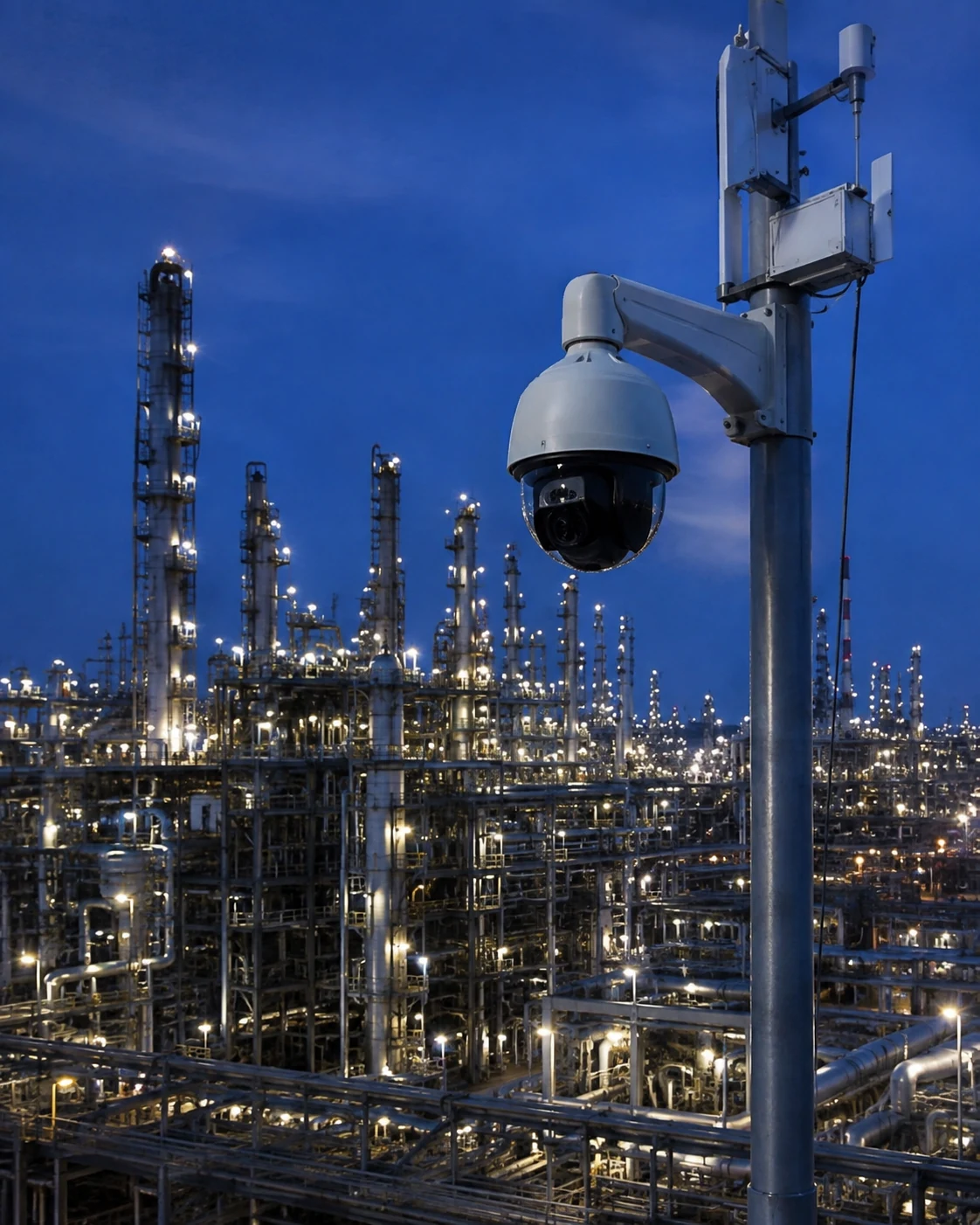
    Fixed network cameras are suited to entrances, corridors and areas where the required field of view is known. PTZ cameras can pan, tilt and zoom, making them useful for active tracking and wide-area verification. Multi-sensor and panoramic cameras reduce blind spots by covering several directions from one mounting point. Thermal cameras detect infrared radiation rather than visible light, so they can be useful for detection in darkness, haze or visually complex perimeter environments. They are not a universal replacement for visible cameras because identification and forensic detail may still require conventional imaging.

    Resolution is only one part of image quality. Lens selection, field of view, lighting, shutter settings, dynamic range, compression and mounting position can matter as much as pixel count.

    VMS: the operating layer

    Video Management Software, or VMS, is the layer that brings camera streams, recordings, alarms, maps, user permissions and investigations together. It controls who can see what, how video is recorded and retained, how operators receive alarms and how recorded material is searched or exported.

    Interoperability is important in multi-vendor systems. ONVIF describes itself as an open industry forum for standardized interfaces for IP-based physical security, covering advanced video streaming, edge storage and metadata/events for analytics applications. Conformance should be checked against the official ONVIF conformant-products database rather than assumed from a marketing claim.

    Storage and bandwidth

    Storage requirements depend on resolution, frame rate, compression, scene complexity, recording mode and retention period. H.265 can reduce bandwidth and storage compared with older encoding approaches under suitable conditions, but real-world savings vary. Motion-based recording can reduce storage in low-activity scenes, while high-activity environments may record almost continuously.

    For critical systems, storage design should also consider redundancy, evidence integrity, cybersecurity and what happens when network connectivity is lost.

    Where AI analytics fit

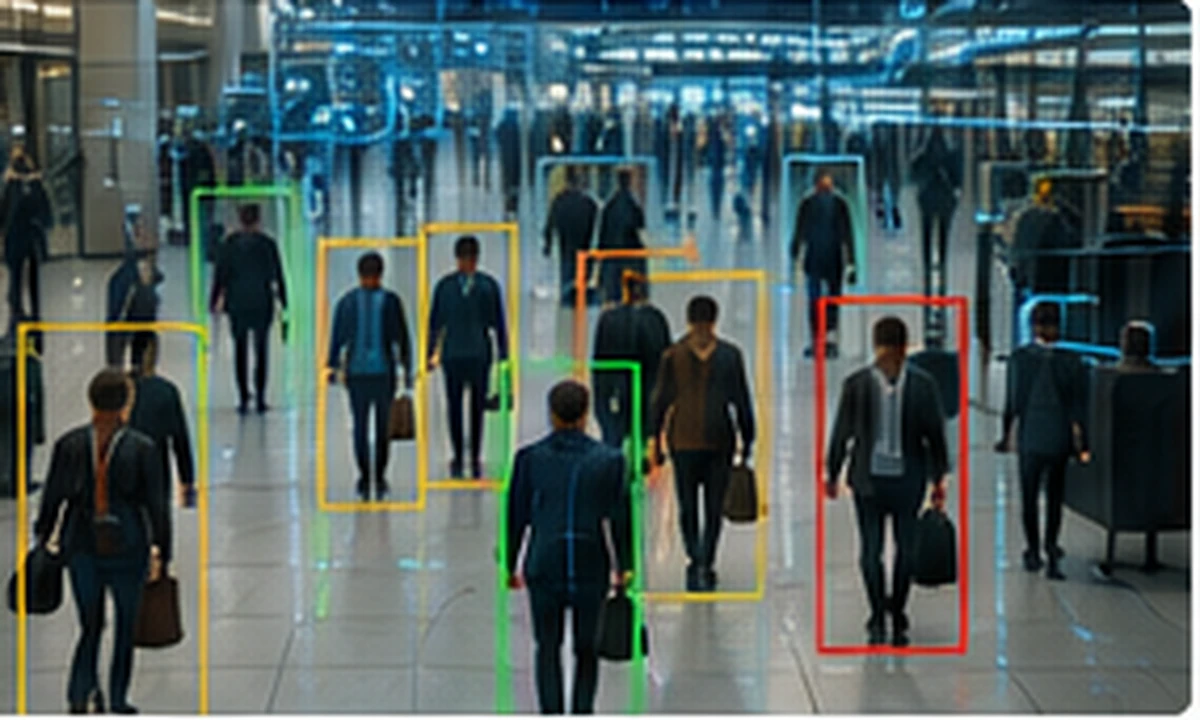
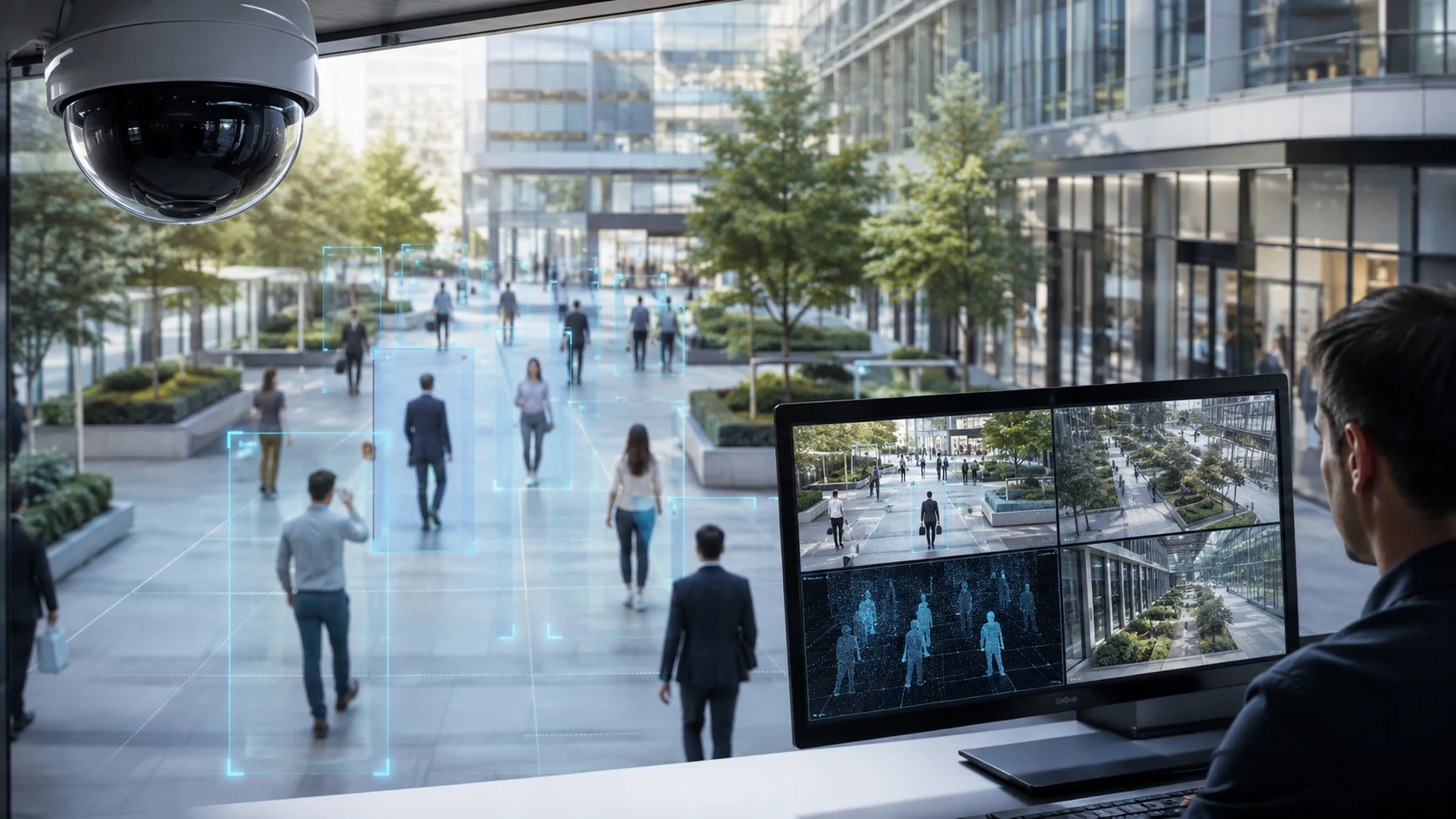
    Video analytics can detect or classify events such as people, vehicles, line crossing, loitering or objects entering a restricted area. The useful question is not whether a camera has “AI,” but how accurately the analytic performs in the actual scene and how false alarms are handled. Analytics should be treated as decision support, since lighting, weather, camera angle and occlusion can all affect performance.

    How to specify a system

    Start with threats and operational goals. Define what must be detected, what level of identification is needed, how quickly an alarm must be verified, which areas are most critical and how long video must be retained. Then design fields of view, pixel density, lighting, network capacity, storage, resilience and operator workflow around those requirements.

    FAQ

    Is IP video always better than analog CCTV? IP architectures offer major advantages in integration, scalability and analytics, but migration decisions should consider existing infrastructure, cybersecurity, cost and operational need.

    What does ONVIF compliance mean? It means a product conforms to a defined ONVIF profile. Compatibility should be verified for the specific profiles and functions required by the project.

    Do AI cameras eliminate human monitoring? No. They can reduce search and alarm workload, but human verification remains important, especially in high-consequence environments.

    Verification note: Avoid presenting a vendor’s claimed AI accuracy as a universal performance figure. Test results are scene- and configuration-dependent.


  • March Networks Ships 2026 Mid-Year Release With Expanded AI Search and C•CURE Integration

    March Networks Ships 2026 Mid-Year Release With Expanded AI Search and C•CURE Integration

    March Networks, a video surveillance and business intelligence provider now combined with VIVOTEK, has released its 2026 mid-year software update, adding expanded AI-powered search, new cloud video intelligence tools, broader VIVOTEK camera support and integration with C•CURE access control, the company announced.

    What’s New

    The release connects C•CURE access control events with March Networks’ Command Enterprise Software, letting operators review access activity alongside related video from a single workflow to investigate incidents and verify events. The update also expands the AI-powered natural-language video search capabilities March Networks has been building into its platform.

    Why It Matters

    “Customers do not need more disconnected systems or more data. They need the intelligence that comes when video, data and AI work together,” said Peter Strom, President and CEO of the combined March Networks and VIVOTEK organization. The release follows March Networks and VIVOTEK’s joint showcase of connected-intelligence tools at the 2026 Security Exhibition & Conference in Australia, part of a broader push by video management vendors to unify video, access control and business-system data into a single investigative interface.

  • 2026 FIFA World Cup Becomes Largest Civilian AI Surveillance Deployment on Record

    2026 FIFA World Cup Becomes Largest Civilian AI Surveillance Deployment on Record

    June 11, 2026 — As the 2026 FIFA World Cup opened across the United States, Mexico and Canada, coverage of the tournament’s security operation described it as the largest civilian AI surveillance deployment in sporting history.

    What happened

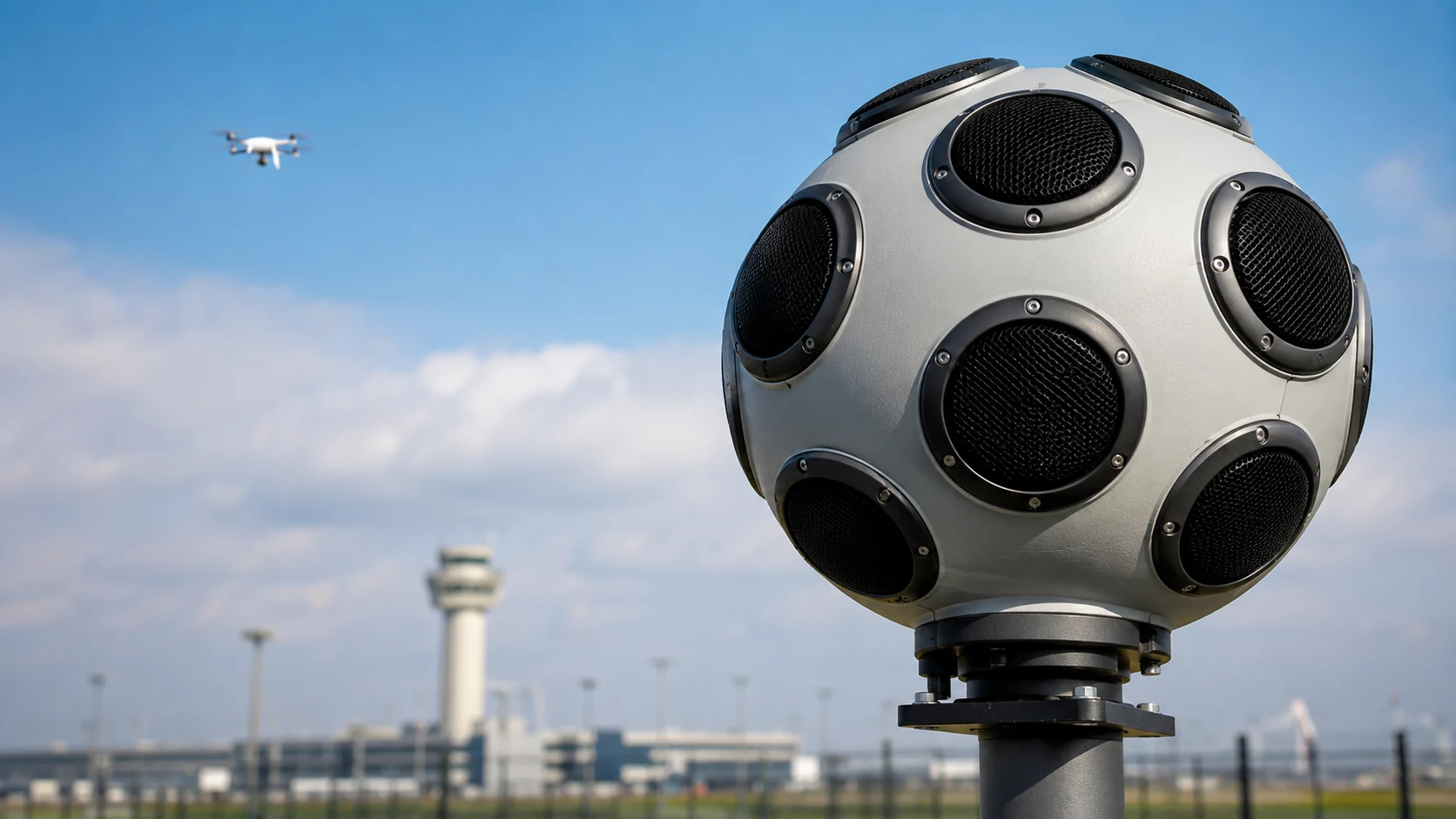
    US host venues including Gillette Stadium in Boston, Hard Rock Stadium in Miami and Mercedes-Benz Stadium in Atlanta deployed AI-powered facial recognition for entry and payments, autonomous robotic patrol units in restricted areas and perimeters, counter-drone systems, and real-time AI video analytics feeding stadium security operations centers. US federal agencies reported committing $365 million specifically to security technology for the event.

    Why it matters

    A tournament spanning 16 stadiums and more than 6 million attendees provided one of the largest real-world stress tests yet for integrated AI video analytics, biometric access control and counter-drone systems operating together at scale under sustained public scrutiny.

    Security and infrastructure impact

    How these systems perform — and how incidents, false positives or privacy complaints are handled — will likely shape procurement and regulatory debates around AI-based stadium and major-event security well beyond the tournament itself.

    Sources

    ← Back to Technology News

  • CLEAR and TSA Expand Biometric eGates to Oakland Airport

    CLEAR and TSA Expand Biometric eGates to Oakland Airport

    January 13, 2026 — CLEAR launched biometric eGates and on-site TSA PreCheck enrollment at Oakland San Francisco Bay Airport, extending a rollout that began at select airports in 2025.

    What happened

    The new eGates and enrollment services opened in Oakland’s Terminal 2, allowing CLEAR+ members to verify identity via facial biometrics and move through security screening faster while TSA continued to run identity vetting digitally in the background.

    Why it matters

    Coupling biometric eGate deployment with on-site PreCheck enrollment reflects a broader industry strategy of bundling convenience features to drive biometric program enrollment, rather than deploying the technology as a standalone security upgrade.

    Security and infrastructure impact

    As more airports combine biometric screening with enrollment services, airport operators and privacy regulators are likely to face continued questions about consent, opt-out options and data retention for travelers who are not CLEAR members but pass through shared checkpoint infrastructure.

    Sources

    ← Back to Technology News

  • AI and Video Analytics Move Deeper Into Physical Security Operations

    AI and Video Analytics Move Deeper Into Physical Security Operations

    2025–2026 — Industry research shows strong interest in AI, analytics and actionable insights, while buyers continue to prioritize cybersecurity, risk and privacy.

    What happened

    Axis Communications reported that 62 percent of surveyed partners identified AI and generative AI as a major industry trend, while end customers placed cybersecurity, risk and privacy ahead of AI. The research also points to hybrid edge-and-cloud architectures and the integration of video with other sensor data. These survey findings indicate priorities, not universal deployment or proven accuracy.

    Why it matters

    AI video functions are moving from isolated detection rules toward natural-language search, event triage and multi-sensor workflows. Their value depends on camera placement, training data, thresholds, operator procedures and measured performance in the actual environment.

    Security and infrastructure impact

    Security leaders should require documented use cases, privacy controls, auditability and false-alarm testing. AI should help operators reach better decisions; it should not turn uncertain classifications into automatic high-impact actions without appropriate review.

    Sources

    ← Back to Technology News

  • Axis Communications Unveils Next-Generation Security Products at Intersec Dubai 2026

    Axis Communications Unveils Next-Generation Security Products at Intersec Dubai 2026

    January 12, 2026 — Axis Communications introduced its next generation of intelligent security products, built around its ARTPEC-9 system-on-chip, at Intersec Dubai 2026.

    What happened

    The ARTPEC-9 chip underpins improved AI-powered analytics, sharper detection of smaller objects, stronger on-device cybersecurity and support for the AV1 video-encoding standard, which reduces bandwidth and storage requirements compared with earlier codecs. Axis said additional ARTPEC-9-based cameras, including bispectral and thermal models, would reach distribution through 2026.

    Why it matters

    Moving more AI analytics processing onto the camera chip itself, rather than a central server, reduces bandwidth needs and can improve response latency for detection-based alerts, a design direction most major video-surveillance manufacturers are now pursuing in parallel.

    Security and infrastructure impact

    As edge-AI camera chips become standard across major manufacturers, buyers evaluating video-surveillance systems should weigh on-device analytics accuracy and cybersecurity hardening as core purchasing criteria rather than treating them as premium add-ons.

    Sources

    ← Back to Technology News

  • CBP’s Nationwide Biometric Entry/Exit Rule Takes Effect

    CBP’s Nationwide Biometric Entry/Exit Rule Takes Effect

    December 26, 2025 — A DHS final rule expanding US Customs and Border Protection’s facial-biometric entry/exit program to all foreign travelers took effect at every US airport, seaport and land crossing.

    What happened

    The rule authorizes CBP to collect facial biometrics from non-citizens on both entry and exit, extending collection to new departure modes including sea exit, private aircraft, vehicle crossings and pedestrian exit. It also removed prior exemptions for children under 14, adults over 79, and most Canadian and diplomatic travelers. CBP said full implementation across all commercial airports and seaports would take an additional three to five years, while separately piloting opt-in biometric e-gates for US citizens.

    Why it matters

    This is one of the largest expansions of mandatory biometric data collection at US borders to date, meaningfully broadening the population and travel scenarios subject to facial-recognition screening compared with the program’s earlier, narrower entry-focused scope.

    Security and infrastructure impact

    Airports, seaports and land-border facilities implementing the expanded program need updated e-gate hardware, network capacity and data-handling procedures, while the removal of prior age-based exemptions raises fresh questions about biometric data collection from populations previously excluded.

    Sources

    ← Back to Technology News

  • CLEAR Launches Biometric eGate Pilot Ahead of the 2026 FIFA World Cup

    CLEAR Launches Biometric eGate Pilot Ahead of the 2026 FIFA World Cup

    August 19, 2025 — CLEAR announced the launch of biometric “eGates” at select US airports, part of a broader push to modernize airport security screening ahead of the 2026 FIFA World Cup.

    What happened

    Hartsfield-Jackson Atlanta, Ronald Reagan Washington National and Seattle-Tacoma were the first airports to deploy CLEAR’s eGates, allowing enrolled members to verify their identity through facial biometrics in under five seconds while TSA retained operational control of the underlying security process.

    Why it matters

    Framing the rollout explicitly around a named global event gave the deployment a hard deadline, illustrating how large sporting events increasingly function as forcing functions for accelerating adoption of biometric security infrastructure at national scale.

    Security and infrastructure impact

    The pilot set the template for a wider wave of biometric eGate rollouts across major US airports over the following year, a trend SectechMedia has tracked as it expanded through early 2026.

    Sources

    ← Back to Technology News