Category: Video Surveillance & Imaging

Cameras, video management software (VMS), AI video analytics and imaging technologies used to monitor and secure physical spaces.

  • IQSIGHT Names Michael Schulte Chief Executive Officer

    IQSIGHT Names Michael Schulte Chief Executive Officer

    IQSIGHT, the video security business formerly known as Bosch Video Systems, has appointed Michael J. Schulte as chief executive officer, effective Sept. 1, 2026. Schulte will lead the company’s global operations and report to Chairman Steve Shine.

    A Veteran Operator Takes the Helm

    Schulte brings more than 30 years of leadership experience across technology, industrial and private-equity-backed businesses, including senior roles at Safe Fleet, Atkore International, Danaher Corporation and Boston Consulting Group. He holds an MBA from Harvard Business School.

    “IQSIGHT has a strong heritage, outstanding people and a compelling strategy,” Schulte said. “I am excited to join the team and build on the excellent work already underway. Together, we will focus on execution, innovation and creating even greater value for our customers, partners and employees.”

    Positioning for the Next Growth Phase

    Shine, who remains chairman and will work with Schulte on strategic direction, said the appointment follows months of work with the leadership team to define IQSIGHT’s direction following its transition from Bosch Video Systems.

    “Over the past months, we have worked closely with the leadership team to define a clear strategic direction for IQSIGHT and position the business for its next phase of growth,” Shine said. “With that foundation in place, this is the right time for Michael to take the helm.”

    The leadership change comes as IQSIGHT continues to build a standalone identity in the video security market, aiming to maintain continuity for existing customers and channel partners while pursuing global expansion.

  • Geutebrück Enters New Ownership Phase With IBEX and Merantix Momentum Investment

    Geutebrück Enters New Ownership Phase With IBEX and Merantix Momentum Investment

    German video security specialist Geutebrück is entering a new corporate phase after receiving a majority investment from IBEX Wachstumspartner, alongside European AI group Merantix Momentum, according to Security Info Watch and confirmed by law firm Schmitz Knoth, which advised Geutebrück’s shareholders on the transaction. The deal closed on August 31, 2026.

    New Leadership and International Ambitions

    As part of the transition, Tobias Huemmerich will take over management of the company, with plans to further internationalize the business and expand its customer offering, according to Security Middle East. Geutebrück has operated in the video security market for more than 55 years and has built a reputation as a provider of video management software and hardware for public-sector and highly critical infrastructure clients.

    Merantix Momentum Brings AI Expertise

    Merantix Momentum, described as Europe’s leading AI group, is joining the investment specifically to help Geutebrück develop new AI-based applications, according to the companies. Geutebrück has said it sees opportunities to extend its video management platform beyond traditional security use cases, including the potential use of anonymized video data to identify workflow efficiencies and improve occupational safety.

    Part of a Broader Consolidation Trend

    The investment adds to a string of ownership changes across the video surveillance sector as manufacturers seek capital and AI expertise to keep pace with larger competitors. IBEX Wachstumspartner, an owner-managed investment firm focused on succession situations at German medium-sized businesses, said the deal reflects its strategy of pairing growth capital with digitalization expertise for established technology companies entering a generational transition.

  • Ring Rolls Out TAKE Encryption to Limit Who Can Access Home Security Camera Footage

    Ring Rolls Out TAKE Encryption to Limit Who Can Access Home Security Camera Footage

    Amazon’s Ring announced a new default encryption system for its security cameras and video doorbells on August 26, 2026, called TAKE — short for Throw Away the Key Encryption — designed to limit ongoing access to customer video, including by Ring itself and by law enforcement without a user’s consent, according to the company’s announcement and reporting from The Verge and CEPRO.

    How TAKE Works

    Under the new system, each camera encrypts its video using unique keys that rotate roughly every five minutes. A temporary copy of each key is held in what Ring calls a secure enclave in the cloud, long enough to power features such as smart alerts, video search and AI-generated video descriptions, after which the company says it permanently deletes its copy of that key. Ring has framed the approach as a middle ground between full end-to-end encryption, which would block many of its AI-driven features outright, and its previous architecture, which gave Ring’s cloud infrastructure more persistent access to footage.

    Rollout Timeline

    TAKE is scheduled to become the default encryption setting for all Ring customers worldwide in phases starting in September 2026, according to the company’s announcement.

    Why the Framing Matters

    The change follows years of scrutiny over Ring’s video-sharing practices, including a 2023 FTC settlement over unauthorized employee and law-enforcement access to customer footage, and comes as its former data-sharing partner Flock Safety faces its own wave of municipal contract cancellations over surveillance and privacy concerns. Privacy researchers note that because Ring — not an independent, published standard — designed the key-deletion process itself, customers still have to trust Amazon’s implementation rather than verify it independently, a caveat also raised by outlets covering the announcement.

  • Ambient.ai Adds Agentic Video Monitoring and Case Management Tools Ahead of GSX 2026

    Ambient.ai Adds Agentic Video Monitoring and Case Management Tools Ahead of GSX 2026

    Ambient.ai, a physical security AI vendor, announced new agentic capabilities across its platform on August 26, 2026, adding AI agents that continuously monitor camera feeds and automated case-management tools that assemble scattered video clips into a single incident timeline, according to the company’s announcement carried via PR Newswire and confirmed by Security Systems News.

    What’s New

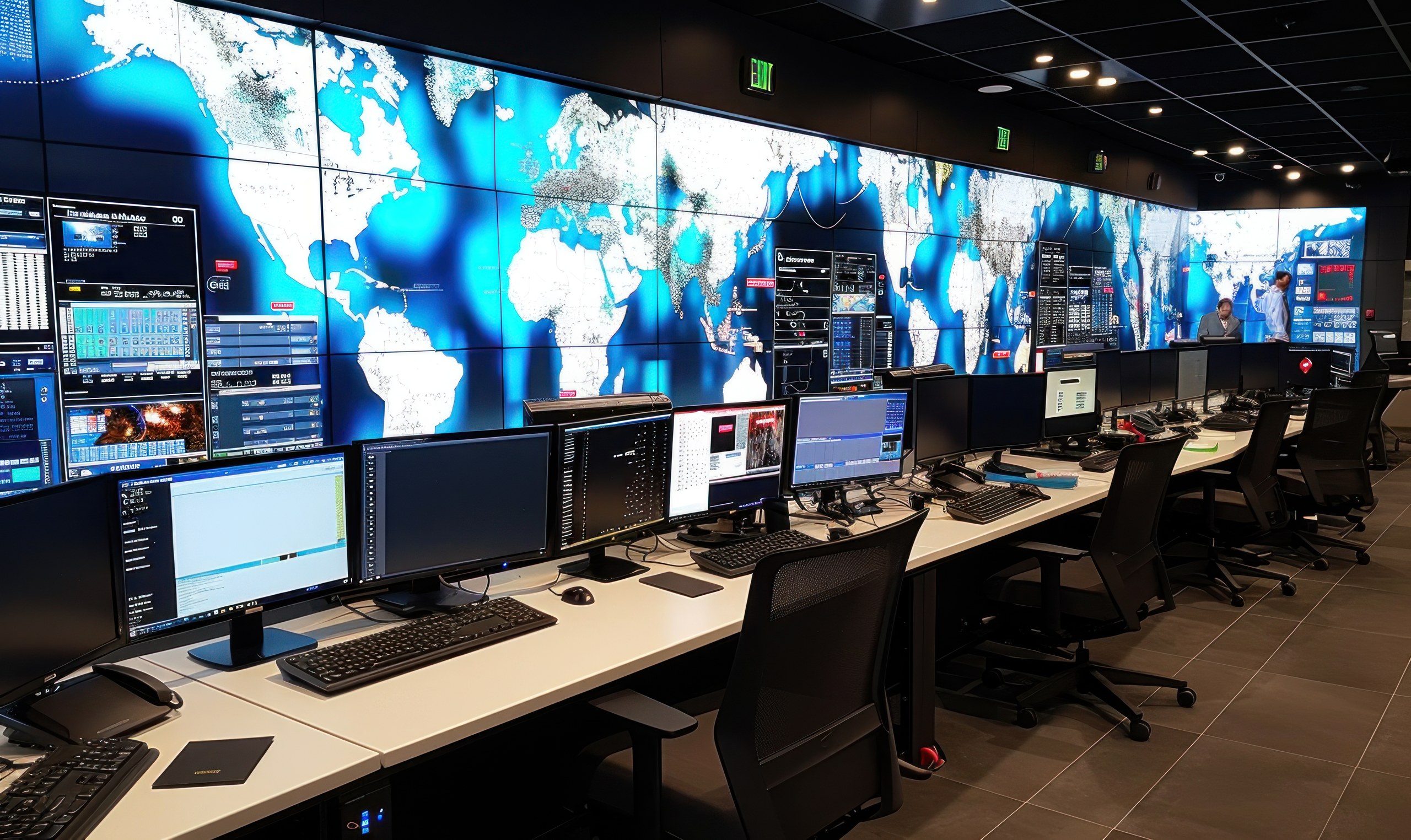
    The centerpiece of the release is an AI agent Ambient.ai describes as continuously monitoring every connected camera and surfacing the events operators are most likely to need to see, rather than requiring security teams to actively watch banks of live video feeds. Alongside it, the company introduced a new case-management workflow intended to turn clips from multiple cameras and time windows into a single connected incident narrative, cutting down the manual work of stitching together footage during investigations. Ambient.ai also said it made infrastructure upgrades to support the new features at scale.

    Timed to GSX 2026

    The company plans to demonstrate the new Agentic Video Wall and case-management tools live at its booth (#3923) during GSX 2026 in Atlanta, positioning the release as part of a broader wave of “agentic” AI marketing across the physical security industry this year, as vendors compete to move video analytics from passive alerting toward autonomous monitoring and response.

    Why It Matters

    The announcement reflects a broader industry shift already visible in the growing adoption of AI-assisted video management platforms, where vendors are racing to differentiate on how much investigative and monitoring work their software can take on autonomously rather than leaving it to human operators watching screens.

  • Parking Facility and Garage Security Technology

    Parking Facility and Garage Security Technology

    Parking facilities present a security profile shaped by the tension between convenience and control: operators need to move large volumes of vehicles in and out efficiently while protecting parked vehicles, deterring crime in low-visibility areas, and managing liability in spaces that are frequently unstaffed for long stretches of the day.

    Automated Access Control and License Plate Recognition

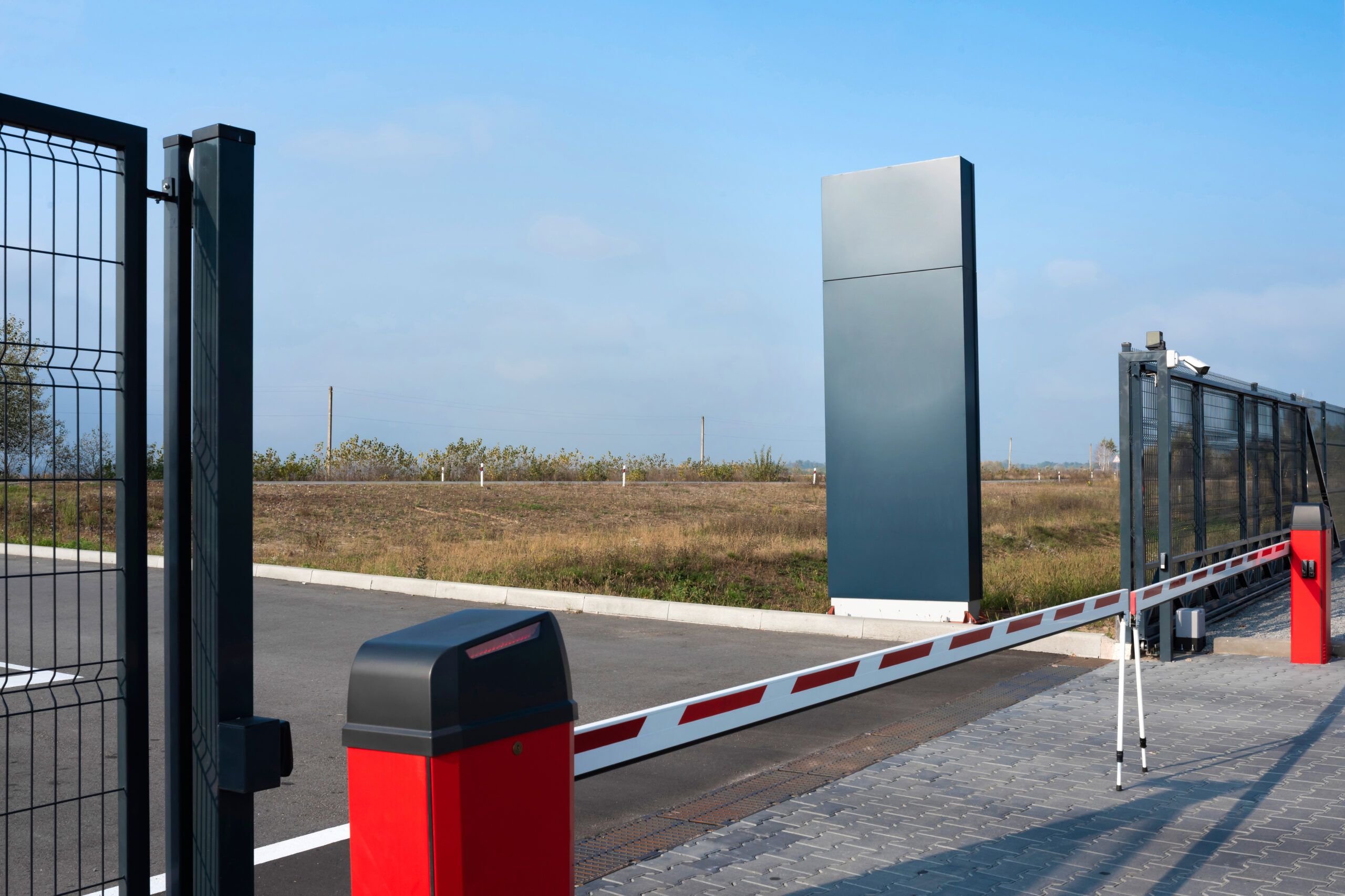
    Modern parking access control has largely moved away from ticket-based entry toward license plate recognition systems that identify vehicles automatically at entry and exit, matching them against reservations, permits or payment records without requiring drivers to stop and interact with a gate or attendant. Automatic barrier gates paired with vehicle detection loops and LPR cameras allow facilities to enforce access restrictions and capacity limits with minimal staffing, while maintaining an auditable record of every vehicle movement through the facility.

    Video Surveillance in Low-Visibility Environments

    Parking structures present persistent lighting and sightline challenges, particularly in multi-level garages with support columns, stairwells and dimly lit corners that create natural blind spots. Camera placement strategy in garages typically prioritizes chokepoints — entry and exit lanes, elevator lobbies, stairwell doors and pedestrian walkways — supplemented by wide-area coverage of parking bays, with increasing use of AI-based analytics to detect loitering, unusual dwell time near parked vehicles, or people entering restricted areas after hours.

    Emergency Communication and Panic Infrastructure

    Because parking facilities are frequently used at hours when few other people are present, blue-light emergency phone towers and intercom call points remain a standard feature in many garages, giving pedestrians a direct, monitored line to security or law enforcement without needing a mobile device. Newer deployments increasingly pair these fixed call points with mobile safety apps that let users share their location and request an escort or check-in while walking to their vehicle.

    Vehicle and Asset Theft Prevention

    Beyond general surveillance, parking security technology addresses vehicle-specific theft risks, including catalytic converter theft and break-ins, through a combination of visible camera coverage, motion-activated lighting, and in some deployments, license-plate-linked alerting that flags when a vehicle associated with a prior incident re-enters the facility.

    Integration With Broader Building Security

    In commercial and residential developments, parking facility access control is frequently integrated with the building’s broader access control and video management systems, allowing a single credential to grant access to both the garage and the building above it, and giving security operations a unified view of a person’s movement from vehicle to building entry rather than treating the parking facility as a separate, disconnected system.

  • Axis Survey Finds Growing Public Comfort With Video Surveillance, But Privacy Expectations Remain High

    Axis Survey Finds Growing Public Comfort With Video Surveillance, But Privacy Expectations Remain High

    A new survey commissioned by Axis Communications finds that nearly six in ten U.S. adults are more comfortable with video surveillance today than they were five years ago, even as respondents continue to expect transparency, privacy safeguards and responsible use of AI in how that surveillance is deployed, according to reporting from SecurityInfoWatch.

    The Numbers

    The survey found that 58% of U.S. respondents said they are more comfortable with video surveillance in both public and private spaces than they were five years ago. Within that figure, 20% described themselves as significantly more comfortable, while a further 23% reported being somewhat more comfortable. Comfort levels varied depending on where surveillance is deployed, with respondents generally more accepting of cameras in transportation hubs, retail environments and workplaces than in more private or ambiguous settings.

    Comfort Is Conditional, Not Unconditional

    Despite the overall upward trend in acceptance, the research makes clear that public tolerance for video surveillance is not unconditional. Respondents continued to cite transparency about how footage is used and stored, clear privacy policies, and confidence that AI-driven video analytics are applied responsibly as prerequisites for their comfort. That combination — rising baseline acceptance paired with persistent conditions attached to it — mirrors a pattern security researchers have observed across other public-facing surveillance and biometric technologies as AI-powered analytics become standard in commercial video management platforms.

    Why It Matters for Operators

    For security integrators and end users, the findings suggest that expanding camera coverage or adding AI analytics capabilities is unlikely to trigger the public backlash it might have several years ago, provided organizations pair those deployments with clear signage, published data-retention policies and visible governance over how video and derived analytics are used. The survey adds to a growing body of industry research suggesting that public perception of video surveillance is shifting from a binary privacy-versus-security debate toward a more nuanced expectation of accountable deployment.

  • Independent Analysts Rank Genetec the Global Leader in Video Management Software for Another Year

    Independent Analysts Rank Genetec the Global Leader in Video Management Software for Another Year

    Genetec has once again been named the world’s leading vendor of video management software, according to separate market analyses published this week by Omdia and Novaira Insights. Both research firms found that the Montreal-based physical security software company grew its market share in 2025, extending a leadership position it has held for several years running.

    Two Independent Rankings, One Conclusion

    Omdia’s Video Surveillance and Analytics Spotlight Service and Novaira Insights’ 2026 World Market for Video Surveillance Hardware and Software both placed Genetec first globally in VMS revenue. Novaira Insights additionally ranked the company number one worldwide in total video surveillance software and service agreements, excluding China, and credited it with the number one spot in the Americas for the fifteenth consecutive year. The research also found Genetec posted the largest share growth among the top ten vendors in EMEA and holds a top-three position in Asia Pacific outside China.

    “Growth in this market is not evenly distributed,” said Paul Bremner, practice leader for physical security at Omdia, in comments accompanying the report. “Buyers are consolidating around vendors that can deliver cloud, on-premises, and hybrid from a single open platform, and those vendors are taking share from ones that cannot.”

    Why the Category Keeps Consolidating

    Both analyst firms point to the same underlying dynamic reshaping the video management software market: enterprise and public-sector buyers are increasingly unwilling to run separate systems for cloud-hosted and on-premises cameras, and are instead favoring vendors whose platforms can span both deployment models without forcing a migration. Genetec has positioned its Security Center platform around that hybrid architecture for several release cycles, and the new rankings suggest the strategy is translating into measurable share gains rather than just marketing positioning.

    The video surveillance software and hardware market remains one of the larger and more competitive segments within physical security, spanning everything from small retail deployments to citywide public-safety camera networks. Independent share data from firms like Omdia and Novaira Insights is closely watched by integrators and end users evaluating long-term platform commitments, since VMS selection typically locks organizations into a vendor relationship spanning camera hardware, storage infrastructure and access control integrations for years.

    Neither report disclosed specific revenue figures for individual competitors, and Genetec did not release exact dollar-share numbers in its announcement of the findings.

  • Asheville City Council Votes to End Flock Safety Camera Contract, Remove All 11 License-Plate Readers

    Asheville City Council Votes to End Flock Safety Camera Contract, Remove All 11 License-Plate Readers

    The Asheville, North Carolina City Council voted on Tuesday, August 25, 2026, to terminate the city’s contract with license-plate reader vendor Flock Safety and remove all 11 of its cameras from city streets, according to local reporting from WLOS.

    Mayor Esther Manheimer said the decision reflected growing concerns about how Flock manages the data its cameras collect and who can access it, framing the vote as an attempt to balance public-safety utility against privacy risk. Rondell Lance, president of the local Fraternal Order of Police chapter, opposed the removal, arguing the system had given investigators an efficient way to narrow suspect vehicles by characteristics rather than manually checking every potential match.

    Part of a Wider Pattern of Contract Reviews

    Asheville’s vote follows a period of intensifying scrutiny of automated license-plate reader networks nationally, after Flock Safety itself cut its default data-retention window to seven days earlier this month in response to similar pressure. Other jurisdictions, including communities in the Chicago suburbs, have faced comparable public fights over whether to keep, expand, or cancel Flock deployments amid concerns that plate-reader data could be accessed for purposes such as immigration enforcement or unauthorized personal tracking by officers.

    Asheville’s existing contract with rival vendor Axon includes provisions for stationary license-plate readers, though none are currently installed; city officials said any future deployment would require new privacy policies to be established first.

  • Securing the Video Surveillance Network: Camera and VMS Cybersecurity Hardening

    Securing the Video Surveillance Network: Camera and VMS Cybersecurity Hardening

    A video surveillance deployment is, from a network architecture standpoint, a fleet of embedded computers with microphones and lenses attached. Every IP camera runs firmware, exposes management interfaces, and communicates over the network with a video management system (VMS) that itself typically runs on general-purpose server infrastructure. That reality has made surveillance infrastructure an increasingly attractive target: camera botnets, credential-stuffing campaigns against exposed device management ports, and compromises of large fleets of network video recorders have all been documented by security researchers in recent years, with campaigns targeting tens of thousands of devices at a time through weak default credentials, unpatched authentication bypasses, and exposed peer-to-peer discovery services.

    Where the Attack Surface Actually Lives

    Camera and VMS security incidents tend to cluster around a small number of recurring weaknesses:

    • Default and weak credentials. Cameras and NVRs shipped with default administrative passwords, or deployed without forcing a credential change during commissioning, remain one of the most common initial-access vectors documented in mass-compromise campaigns.
    • Exposed management interfaces. Web-based camera configuration portals and VMS admin consoles left reachable from the public internet — whether through direct exposure or through port-forwarding and peer-to-peer relay services intended to simplify remote viewing — substantially expand the attack surface beyond what a properly segmented deployment would allow.
    • Unpatched firmware and software. Camera firmware and VMS platforms both accumulate disclosed vulnerabilities over their service life; devices that are difficult to patch at scale, or that are past vendor support, accumulate risk the longer they remain in service.
    • Flat network architecture. Surveillance devices placed on the same network segment as general IT infrastructure, without VLAN segmentation or firewall rules restricting camera-to-camera and camera-to-internet traffic, allow a single compromised device to become a pivot point into the broader network.

    Baseline Hardening Practices

    Network Segmentation

    Placing surveillance devices on a dedicated VLAN, with firewall rules limiting traffic to only the VMS server and required management systems, is widely regarded as the single highest-value control. Properly segmented deployments prevent a compromised camera from being used as a stepping stone to reach payroll systems, building automation, or other unrelated infrastructure.

    Credential and Access Management

    Forcing unique, strong credentials at commissioning, disabling unused default accounts, and integrating camera and VMS authentication with centralized identity management where supported all reduce the practical value of credential-based attacks. Multi-factor authentication on VMS administrative accounts is increasingly treated as a baseline expectation rather than an optional enhancement.

    Patch and Lifecycle Management

    Maintaining an inventory of camera models, firmware versions and support end-dates allows security teams to prioritize patching and plan replacement of end-of-life devices before they become the weakest link in the deployment. Vendor security advisories should be monitored on an ongoing basis, not just at initial deployment.

    Disabling Unnecessary Services

    Many cameras ship with peer-to-peer discovery, UPnP, and remote-access features enabled by default to simplify consumer setup. In enterprise deployments, these services are frequently unnecessary and expand the attack surface without a corresponding operational benefit; disabling them where not explicitly required is standard hardening guidance.

    FAQ

    Are IP cameras less secure than older analog systems?

    Not inherently — but IP cameras carry cybersecurity risks that analog systems did not, because they are addressable network devices. The security question is less about IP versus analog and more about whether the network deployment follows segmentation, credential and patch-management practices appropriate to a networked device fleet.

    Who is responsible for camera cybersecurity in most organizations?

    This varies significantly. In organizations where physical security and IT/cybersecurity functions remain siloed, camera and VMS hardening can fall into a gap between the two teams. Organizations further along in cyber-physical convergence typically assign shared or explicit ownership of surveillance-network security to avoid this gap.

    Conclusion

    Video surveillance infrastructure has moved from being a passive physical-security tool to being an active part of the enterprise attack surface. Treating cameras and VMS platforms with the same network segmentation, credential hygiene and patch discipline applied to other networked IT assets — rather than as a separate, lower-scrutiny category — is now a baseline expectation for any organization operating surveillance infrastructure at scale.


  • CISA Warns of Hardcoded Credentials in Johnson Controls TL280 Security Cameras

    CISA Warns of Hardcoded Credentials in Johnson Controls TL280 Security Cameras

    CISA published an Industrial Control Systems advisory on August 6, 2026 (ICSA-26-218-02) warning that Johnson Controls TL280 cameras running firmware versions prior to 5.63 contain hardcoded credentials that could allow an attacker to access sensitive information on the device.

    The vulnerability, tracked as CVE-2026-27871 and rated 4.1 on the CVSS v3 scale, stems from the use of a broken or risky cryptographic algorithm tied to authentication values embedded directly in the device firmware. Because the credentials are fixed at the firmware level rather than generated per device, an attacker who recovers them from one unit could potentially reuse them across other TL280 deployments running the same vulnerable firmware version.

    Johnson Controls, headquartered in Ireland, reports that TL280 units are deployed worldwide across Critical Manufacturing, Commercial Facilities, Government Services and Facilities, Transportation Systems, and Energy sectors — reflecting how widely IP camera platforms from major building-security vendors have been integrated into critical infrastructure environments. As of the advisory’s publication, CISA said it was not aware of public exploitation specifically targeting this vulnerability.

    Recommended Mitigations

    Johnson Controls’ primary recommended fix is to apply firmware update 5.63, which addresses the hardcoded credential weakness directly. CISA and the vendor also recommend layered compensating controls for cameras that cannot be updated immediately:

    • Restrict network access to affected cameras to trusted management VLANs only, and avoid exposing devices directly to the internet or untrusted network segments
    • Monitor device access logs for anomalous authentication activity
    • Rotate any shared or downstream credentials that may have been derived from or associated with the hardcoded values
    • Segment ICS/SCADA and physical-security device networks behind firewalls, isolated from general business networks
    • Use up-to-date VPNs for any required remote access rather than direct internet exposure

    The advisory is a reminder that video surveillance hardware sits at the intersection of physical and cyber risk: a credential weakness in a camera is not just a data-exposure issue but a potential foothold into the broader network segment the camera is connected to, particularly in environments where security devices are deployed on flat, unsegmented networks.