
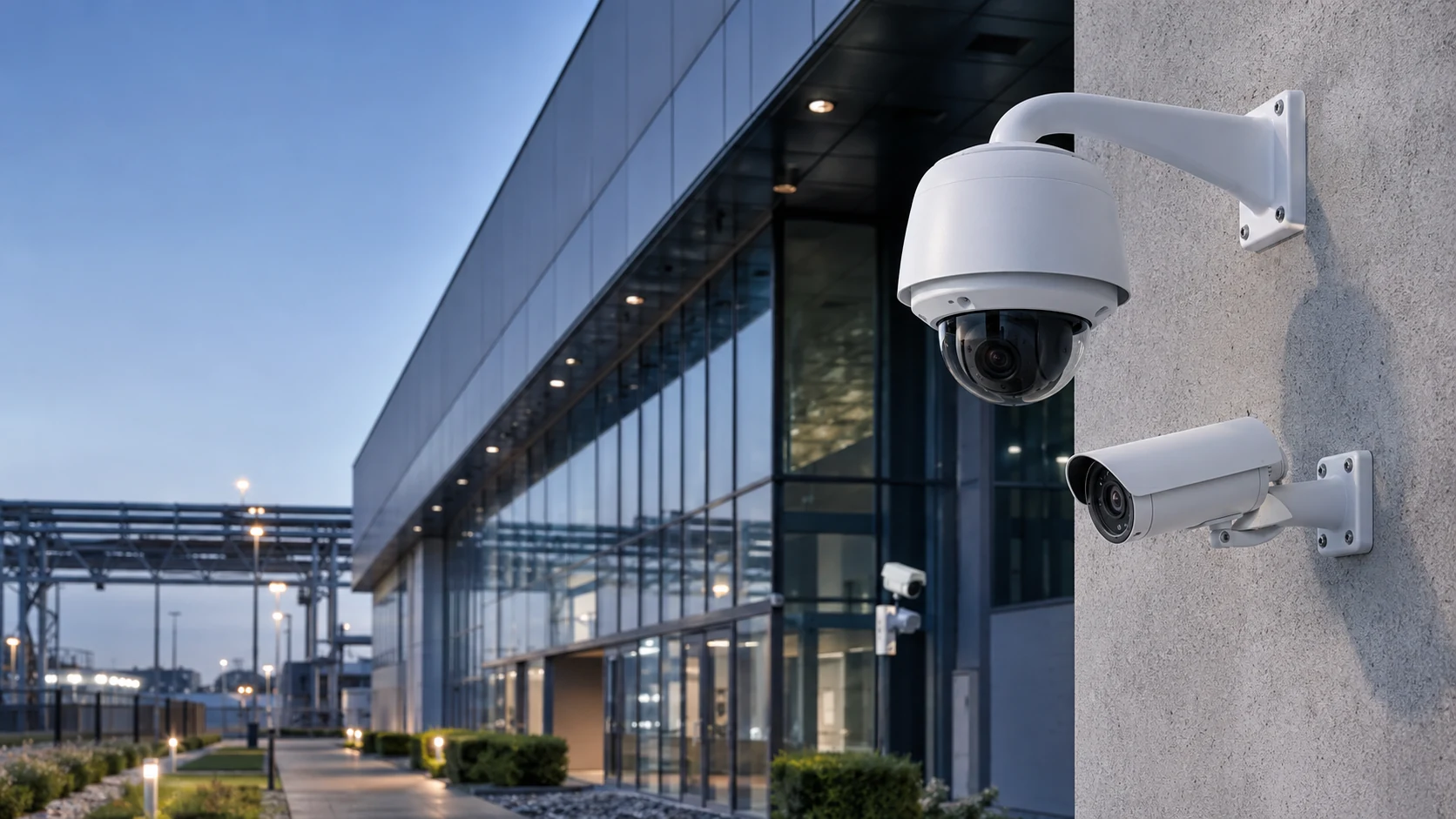
Perimeter radar can detect and track movement beyond a camera’s fixed view, while a PTZ camera supplies visual verification. The integration is useful only when the camera receives the correct track, arrives quickly enough and keeps the target in view. Acceptance testing should measure the entire handover from detection to operator presentation.
Define the latency budget
Break the workflow into radar detection, track confirmation, network delivery, integration processing, PTZ movement, focus and video display. Measuring only the camera’s preset time hides delays elsewhere. Record timestamps from each component using synchronized clocks.
The acceptable total depends on target speed, range and response purpose. A delay that is acceptable for a walking person may lose a fast vehicle before useful video appears.
Test geometry and calibration
Verify radar coordinates, camera location, height, orientation and field of view. Small calibration errors become larger at distance. Test targets at the center and edges of coverage, near zone boundaries and at elevations that differ from the calibration path.
Confirm how the system chooses between cameras and how it handles overlapping coverage. The nearest camera may not provide the clearest view if structures, vegetation or lighting obstruct the line of sight.
Exercise track handover
Use representative people and vehicles moving toward, across and away from the perimeter. Record whether the PTZ reaches the target, how long it maintains the track and what happens when two targets are present. Check transitions between radar sectors or camera responsibility zones.
Operator displays should preserve track identity when the camera changes. If identifiers are reassigned or merged, responders may follow the wrong target. Video bookmarks and alarm records should retain enough metadata to reconstruct the sequence.
Validate degraded operation
Remove a camera, delay metadata or interrupt the radar connection using an approved test. Confirm that the platform reports the degraded state and uses a defined fallback instead of silently showing an unrelated preset. Manual operator control should remain available where the response plan requires it.
Store accepted latency, calibration data, routes and environmental conditions as a baseline. Repeat after firmware, network, mast or landscape changes. Radar-camera handover belongs within Physical Security assurance because detection, visualization and response must function as one chain.
Monitor performance after acceptance
Trend cueing latency, lost tracks, manual overrides and camera-unavailable events. A rising delay can indicate network congestion, integration processing load or mechanical PTZ wear. Establish thresholds that trigger investigation before operators stop trusting automatic handover.
Preserve representative test routes and target speeds for periodic checks. Seasonal vegetation, new structures and lighting changes can alter visibility even when radar coverage is unchanged. A repeatable route allows the team to distinguish environmental change from software or calibration drift.
Review representative recorded incidents with operators. Their observations can expose framing or handover problems that automated health monitoring cannot identify.
Leave a Reply