Tag: Sensor Fusion

  • DAS for Border and Long-Perimeter Monitoring

    DAS for Border and Long-Perimeter Monitoring

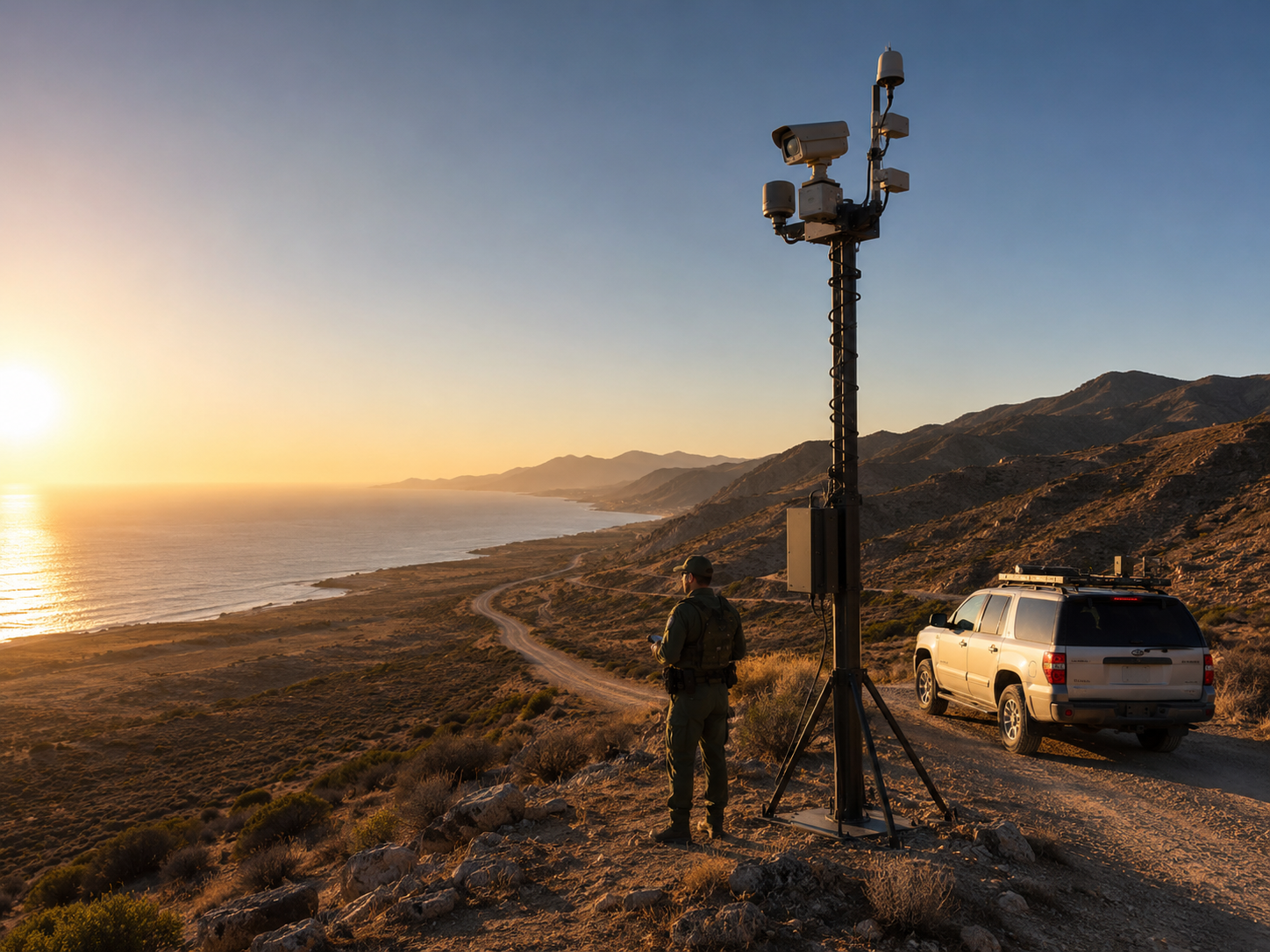
    Long boundaries are difficult to secure with point sensors alone. Distributed Acoustic Sensing can turn fiber installed along a route into a continuous detection layer, providing location-aware vibration and acoustic information over many kilometres.

    Why DAS fits long perimeters

    A single interrogator can monitor a long fiber path, reducing the need for powered electronics at every detection point. This is attractive for remote fences, pipelines, rail corridors and large critical-infrastructure boundaries.

    Event classification

    The main challenge is not detecting vibration but identifying what created it. Machine-learning models can help distinguish footsteps, vehicles, digging, fence interaction, weather and background activity.

    Sensor fusion

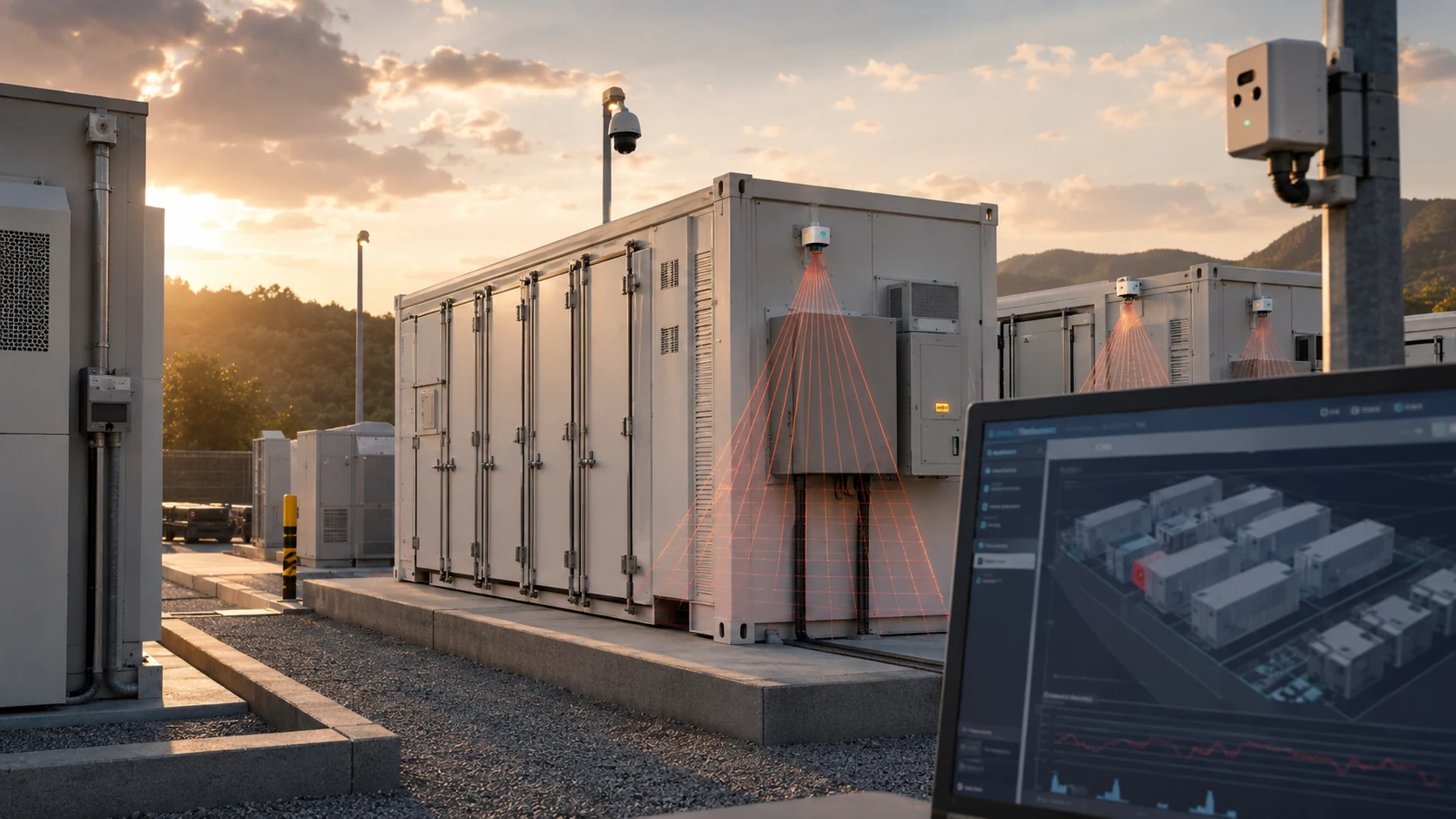
    DAS becomes far more useful when alarms cue cameras, thermal imagers or radar. Fiber provides location; optical sensors provide visual confirmation.

    Deployment factors

    Cable installation method, soil type, fence coupling, fiber route and local noise strongly affect performance. Calibration must therefore be site-specific.

    Operational value

    The strongest use case is persistent awareness over distance. DAS should be treated as part of a layered system rather than a standalone answer to every perimeter-security problem.

    Conclusion

    DAS for Border and Long-Perimeter Monitoring should be evaluated as part of a broader operational architecture. The strongest deployments combine suitable sensing technology, resilient communications, clear procedures and measurable performance rather than relying on a single device or headline specification.

  • Security Technology Outlook 2027: Ten Technologies to Watch

    Security Technology Outlook 2027: Ten Technologies to Watch

    The next phase of security technology will be defined less by individual devices and more by software intelligence, sensor fusion and infrastructure-scale sensing. Ten areas deserve particular attention heading into 2027.

    1. AI agents for security operations

    AI is moving from simple detection toward workflow assistance: searching video, correlating alarms, preparing incident summaries and guiding operators through procedures.

    2. Natural-language video investigation

    Operators will increasingly search large video archives using ordinary language, reducing the time required to find relevant footage.

    3. Sensor fusion

    Radar, thermal, visible video, access events, acoustic sensing and environmental data will be combined to improve confidence and reduce false alarms.

    4. Edge AI

    More analytics will run in cameras, gateways and sensing interrogators, reducing latency and bandwidth dependence.

    5. Distributed fiber sensing

    DAS and DTS are expanding from specialized industrial tools into broader infrastructure intelligence platforms.

    6. Mobile and wallet credentials

    Physical access is shifting from plastic cards toward secure mobile identity and wallet-based credentials.

    7. Hybrid cloud security platforms

    Enterprises will combine cloud management with local recording and edge resilience instead of choosing a purely cloud or purely on-premise model.

    8. Autonomous inspection

    Drones and ground robots will increasingly handle repetitive patrol and inspection tasks in controlled environments.

    9. Cyber-physical convergence

    Security, OT and IT teams will share more telemetry and incident workflows as building and infrastructure systems become networked.

    10. Privacy-enhancing analytics

    Masking, selective disclosure, metadata-first search and stronger governance will become competitive requirements rather than optional features.

    Conclusion

    Security Technology Outlook 2027: Ten Technologies to Watch should be evaluated as part of a broader operational architecture. The strongest deployments combine suitable sensing technology, resilient communications, clear procedures and measurable performance rather than relying on a single device or headline specification.

  • Smart City Security: Cameras, Sensors and Public-Safety Platforms

    Smart City Security: Cameras, Sensors and Public-Safety Platforms

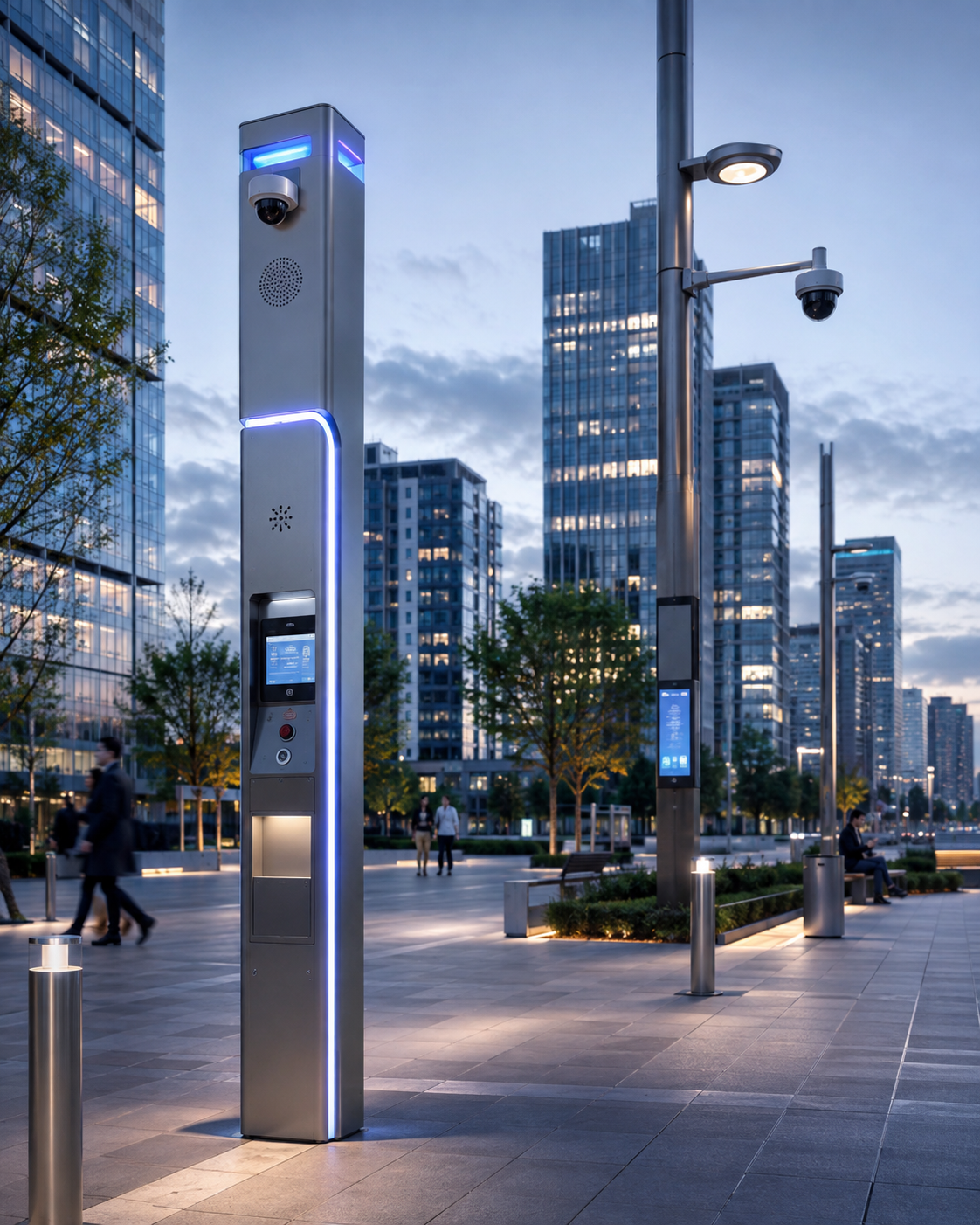
    Smart-city security is moving beyond large camera networks toward integrated situational awareness that combines video, environmental sensors, transport data, emergency communications and analytics.

    From surveillance to situational awareness

    A camera-only model produces large volumes of video but limited context. Modern platforms correlate video with traffic, access, environmental, acoustic and emergency-service information.

    Edge intelligence

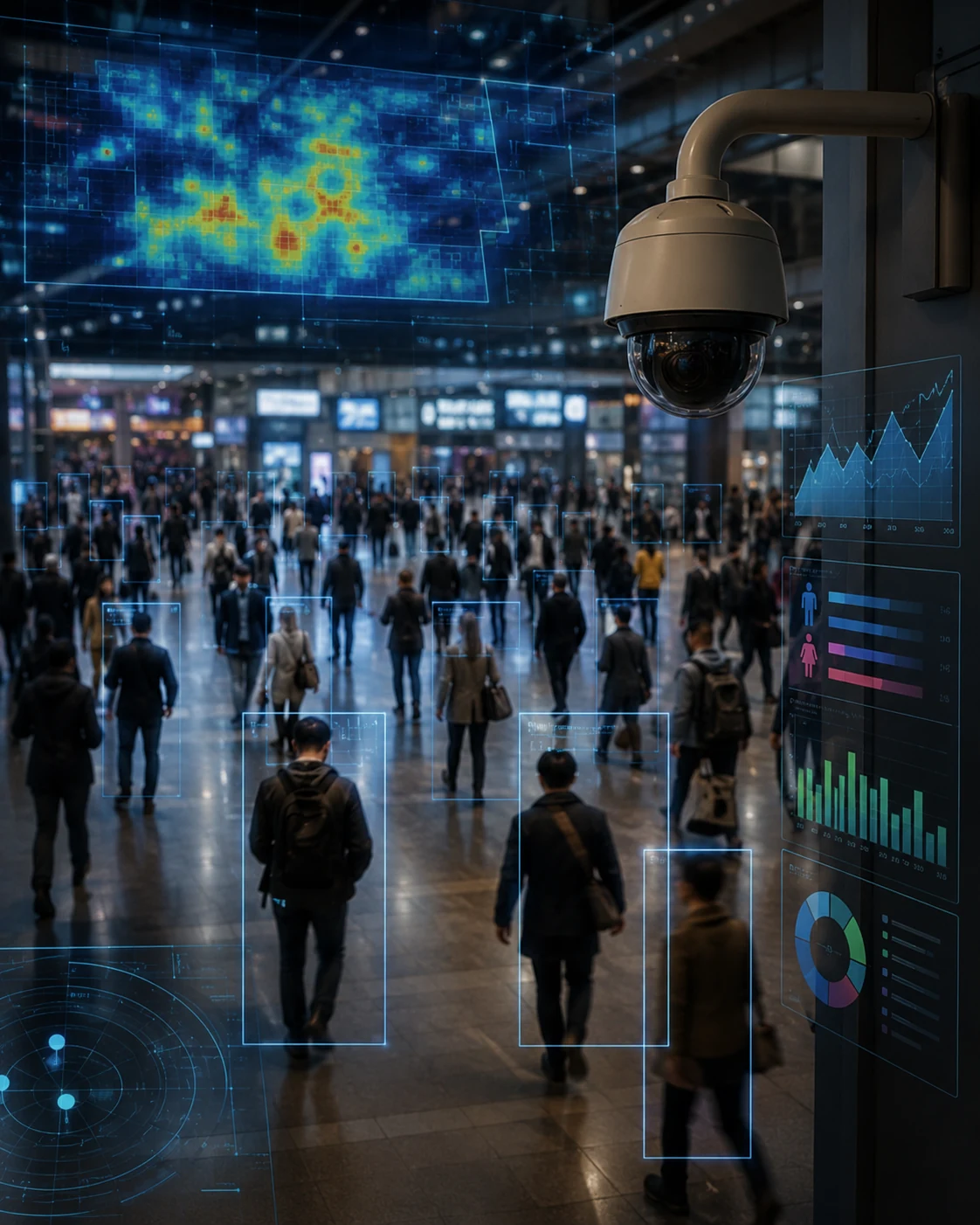
    Running analytics at the edge can reduce bandwidth and provide faster alerts. Typical functions include object detection, crowd density, traffic incidents and unusual behavior, but deployment must be guided by clear public policy.

    Privacy and governance

    Smart-city security can affect millions of people. Data minimization, retention limits, auditability, transparency and role-based access are essential for maintaining public trust.

    Resilient communications

    City platforms depend on fiber, wireless and cloud connectivity. Architecture should assume outages and include local recording, redundant paths and graceful degradation.

    A platform, not a single product

    Successful smart-city deployments are built around interoperability. Open interfaces allow agencies to combine sensors from different vendors while preserving cybersecurity and operational control.

    Conclusion

    Smart City Security: Cameras, Sensors and Public-Safety Platforms should be evaluated as part of a broader operational architecture. The strongest deployments combine suitable sensing technology, resilient communications, clear procedures and measurable performance rather than relying on a single device or headline specification.

  • The Future of Distributed Fiber Optic Sensing

    The Future of Distributed Fiber Optic Sensing

    Distributed fiber-optic sensing is moving beyond isolated alarm applications. DAS, DTS and distributed strain technologies are increasingly being combined with AI, edge computing, digital twins and operational platforms to create continuous infrastructure intelligence.

    From Single-Purpose Sensors to Multi-Parameter Monitoring

    Early deployments often focused on one problem: intrusion detection, temperature monitoring or leak awareness. The emerging model combines multiple sensing modes with asset data. A power cable can be monitored for temperature, vibration and strain; a pipeline corridor can combine DAS events with pressure, flow and video; a railway can integrate fiber sensing with signaling and maintenance data.

    AI Changes the Value of the Data

    The volume of distributed sensing data is too large for manual interpretation. Machine learning is therefore becoming central to event classification, anomaly detection and long-term trend analysis. Edge processing can make immediate decisions near the interrogator, while central systems compare patterns across sites.

    Existing Fiber Becomes Strategic

    Another major trend is the use of telecom and utility fiber already installed in the ground. If compatible fiber can support both communications and sensing, the economics of large-scale monitoring change dramatically. Cities, utilities and transport operators may gain sensing coverage without building a completely separate physical network.

    Integration Will Define the Winners

    Hardware performance remains important, but future value will increasingly depend on software, APIs, visualization, model management and integration with SCADA, VMS, GIS, digital twins and maintenance systems. Operators do not need more isolated alarms; they need prioritized, contextual information.

    Conclusion

    The long-term future of distributed fiber-optic sensing is not simply better interrogators. It is the transformation of optical fiber into a continuous data layer for critical infrastructure. When sensing, AI and operational systems are combined, fiber can evolve from a passive communications medium into a distributed nervous system for the physical world.

  • The Future of Perimeter Security: Sensor Fusion and AI

    The Future of Perimeter Security: Sensor Fusion and AI

    Perimeter security is moving away from single-sensor thinking. Traditional designs often depended on one primary detection technology, such as fence vibration sensors or video motion detection. Modern systems increasingly combine radar, thermal cameras, visible cameras, fiber-optic sensing, access data and AI analytics to create a richer picture of what is happening around a site.

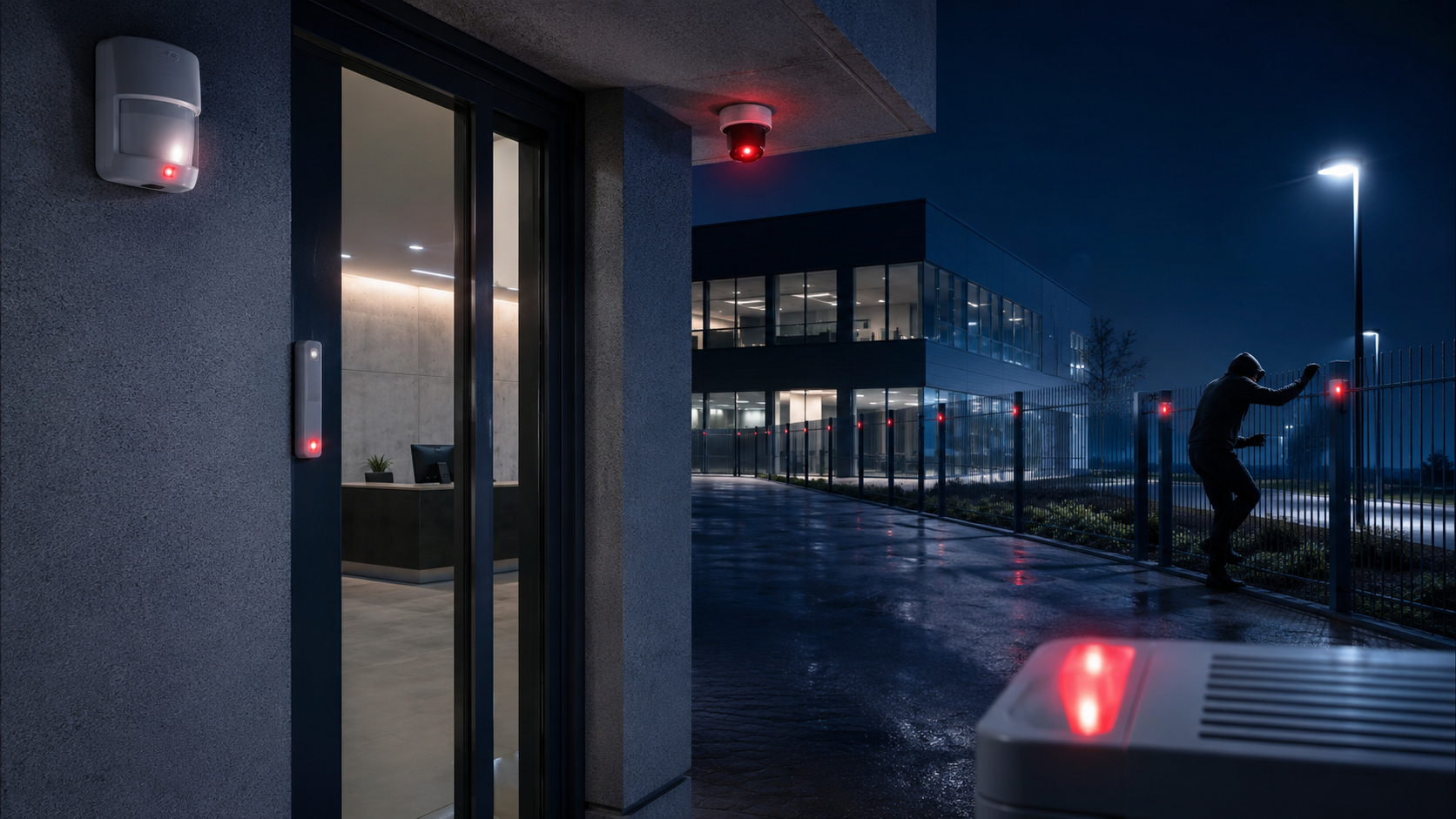
    Sensor fusion is the key change. A fence vibration may indicate an event, but radar can reveal movement beyond the fence, thermal imaging can detect a person at night and a PTZ camera can provide visual confirmation. When these inputs are correlated automatically, the operator receives a higher-confidence incident instead of several unrelated alarms.

    AI is improving classification rather than simply adding more alarms. Models can distinguish people, vehicles and animals, analyze direction and speed, and prioritize activity that violates site rules. The practical benefit is lower operator workload and fewer nuisance events.

    Fiber-optic sensing is also becoming more important, especially across long pipelines, rail corridors, borders and large industrial perimeters. Distributed sensing can turn kilometers of fiber into continuous detection zones and complement point sensors or cameras.

    Edge computing will further change architecture. More classification can occur near the sensor, reducing bandwidth and enabling faster local decisions. Cloud platforms will remain valuable for fleet management, analytics updates and multi-site visibility.

    The future perimeter will therefore behave less like a collection of independent devices and more like a coordinated detection network. The goal is not maximum sensor count. It is confidence: detect early, classify accurately, verify quickly and present operators with the context required to act.

  • Critical Infrastructure Airspace Monitoring

    Critical Infrastructure Airspace Monitoring

    Critical infrastructure security traditionally focused on fences, gates, cameras and ground-based intrusion detection. Drones have added a new dimension: the low-altitude airspace above a facility can now be used for observation, inspection, accidental overflight or unauthorized activity. Power plants, refineries, substations, ports, data centers and water facilities increasingly treat airspace awareness as part of physical security.

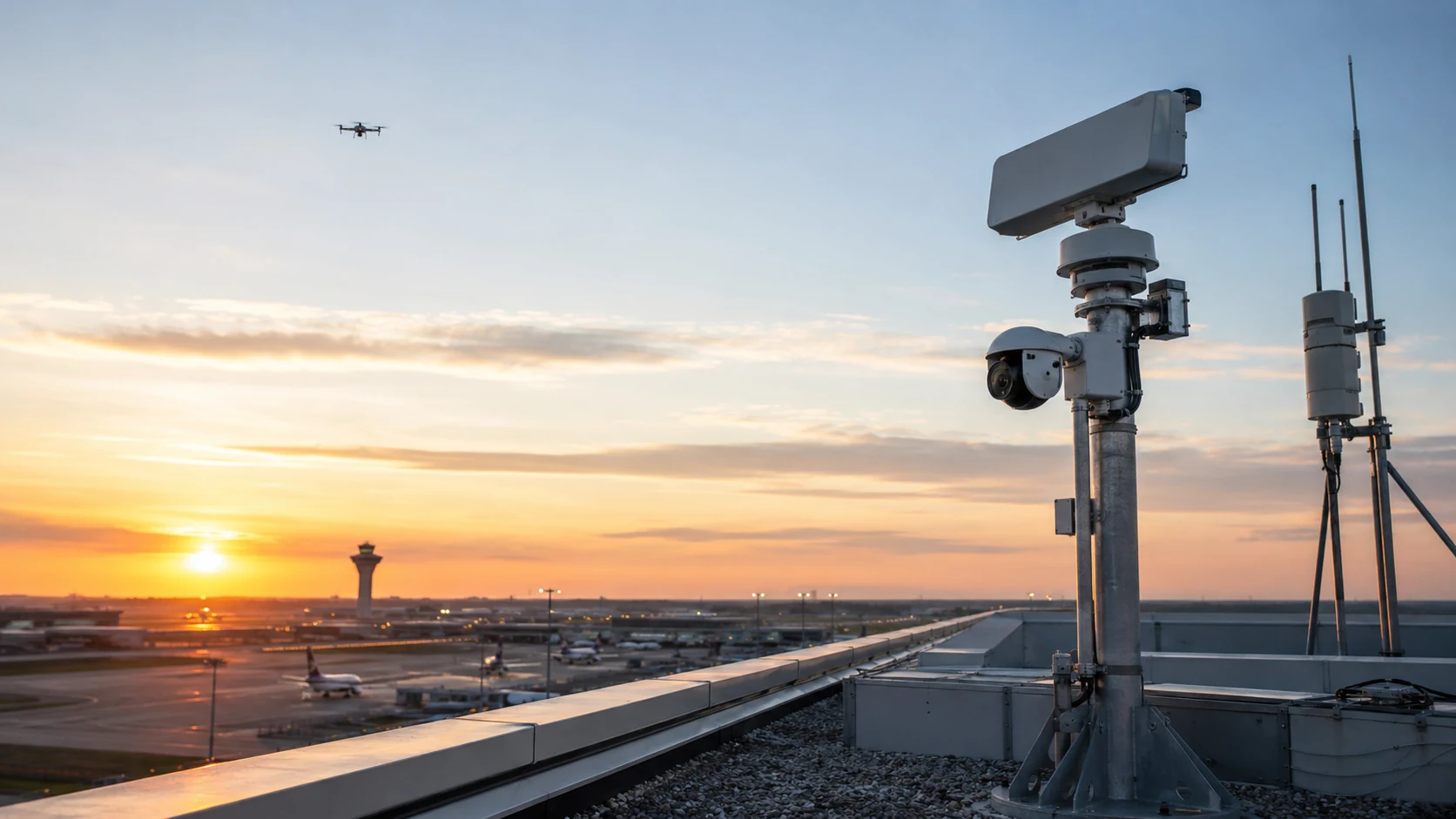
    A typical architecture combines radar, RF sensing, optical or thermal cameras and a command platform. Radar supplies range, direction and track history. RF monitoring can provide protocol-level clues when a drone is actively communicating. Cameras verify the target and create evidence. Sensor fusion then combines these data points into a single operational track.

    Risk is highly site-specific. A drone above a large solar farm presents a different concern from one approaching a high-voltage substation, LNG terminal or nuclear facility. Security teams should therefore define protected zones, alert thresholds and escalation rules around critical assets rather than using one uniform alarm policy.

    Integration with existing systems is essential. When an airspace event is detected, nearby perimeter cameras can be cued automatically, incident-management software can create a case and operators can correlate the drone’s route with ground activity. This is especially valuable when the airspace event is part of a broader security incident.

    Environmental design is also important. Industrial facilities contain steel structures, pipes, cranes, electromagnetic noise and moving machinery. These conditions affect radar, RF and camera performance. Site surveys and real-world testing should therefore be part of procurement.

    The most useful outcome is not a separate drone console, but a unified picture that shows what is happening on the ground and in the air. As critical infrastructure becomes more instrumented, low-altitude airspace monitoring is likely to become another standard layer of integrated physical security.

  • Counter-UAS Detection: How Layered Airspace Awareness Works

    Counter-UAS Detection: How Layered Airspace Awareness Works

    Counter-UAS programs begin with awareness. Before any organization can respond to an unauthorized drone, it must first detect, classify and track the object with enough confidence to support a decision. That is why modern counter-UAS architecture is increasingly built around layered sensing rather than a single device.

    The Detection Layer

    The first layer is discovery. Security radar is frequently used because it can search a wide area continuously and provide position, speed and trajectory. RF sensors can add information about command links or known drone protocols. Acoustic arrays may contribute in short-range environments, while optical and thermal cameras provide visual confirmation.

    Each sensor has weaknesses. Radar can struggle with clutter and small non-drone objects. RF sensors may miss autonomous aircraft. Cameras need line of sight. Acoustic performance changes with wind and background noise. Layering reduces dependence on any one technology.

    Classification and Correlation

    Raw detections are not the same as actionable intelligence. A command platform must correlate data from different sensors and decide whether several observations represent the same target. Modern systems increasingly use machine learning, micro-Doppler analysis and track behavior to distinguish drones from birds, vehicles and other objects.

    The most useful output for an operator is not five separate alarms. It is one track with confidence, location, direction, speed and supporting evidence.

    Visual Verification

    After a radar or RF system detects a target, a pan-tilt camera can be automatically cued toward the coordinates. Daylight or thermal imagery can then help an operator understand what is in the air and whether the object is approaching a protected zone.

    This sensor-to-camera handoff is one of the most important features of an integrated counter-UAS system because it turns machine detection into human-verifiable situational awareness.

    Protected Zones and Rules

    Effective systems use geofenced zones instead of treating every drone equally. A drone several kilometers away may be informational. The same drone entering a runway approach, prison boundary or power-plant exclusion zone may trigger a higher-priority workflow.

    Rules can consider altitude, direction, speed, dwell time and proximity to sensitive assets. This allows operators to focus on behavior rather than simply counting airborne objects.

    Integration with Security Operations

    Counter-UAS should not exist as a separate island. Events can be integrated with VMS, access control, incident management, maps and command-center software. A drone approaching a substation, for example, can automatically bring nearby cameras onto screen and create an incident record.

    This unified workflow is particularly important at airports, critical infrastructure, ports, correctional facilities and large campuses where operators already manage many security systems.

    Detection Is Not Mitigation

    It is important to separate detection from active mitigation. Technologies that interfere with, take control of or physically defeat a drone are subject to significant legal and regulatory restrictions in many jurisdictions. A commercial security organization may be allowed to detect and document activity without being legally authorized to disrupt the aircraft.

    For that reason, system design should start with legal authority, response procedures and evidence requirements, not only hardware specifications.

    The Future of Airspace Awareness

    Counter-UAS detection is evolving into low-altitude airspace intelligence. Sensor fusion, edge AI, improved radar classification and automatic camera cueing are reducing false alarms and improving operator confidence. As drones become more autonomous, systems will increasingly need to detect physical behavior even when no conventional RF link is present.

    The strongest counter-UAS architecture therefore follows a layered principle: discover with multiple sensors, correlate the evidence, verify visually, prioritize by risk and integrate the result into the wider security operation.

  • AI-Based Perimeter Analytics: How to Reduce False Alarms

    AI-Based Perimeter Analytics: How to Reduce False Alarms

    Perimeter systems are often judged by detection range, but alarm quality is just as important. A sensor that detects everything can overwhelm operators with animals, vegetation, weather effects and routine activity. AI-based analytics are increasingly used to separate relevant events from background noise.

    Why false alarms happen

    Outdoor environments change constantly. Shadows move, rain crosses the scene, trees sway, insects pass near cameras and wildlife enters protected zones. Traditional motion detection can interpret many of these changes as security events.

    Object classification

    Modern analytics can distinguish people, vehicles and other object classes. Instead of alarming whenever pixels change, the system can apply rules only when a relevant object enters a defined zone, crosses a virtual line or remains in an area for a specified time.

    Context matters

    Classification alone is not enough. A person walking on a public path may be normal while the same person inside a restricted substation is significant. Good perimeter analytics combine object type with location, direction, speed, dwell time and schedule.

    Sensor fusion

    AI becomes more useful when it receives data from several sensors. Radar may establish that a target is moving toward the perimeter, a thermal camera may detect a warm object and video analytics may classify it as a person. Combining these signals can increase confidence and reduce single-sensor nuisance alarms.

    Training and tuning

    Analytics should be commissioned for the actual site. Camera angle, target size, vegetation, weather and seasonal changes affect performance. Thresholds that work during installation may need refinement after weeks of real operation.

    Human verification remains important

    AI should prioritize and enrich alarms rather than automatically treating every classification as fact. Operators need access to live and recorded video, sensor history and clear alarm context.

    Conclusion

    The goal of AI perimeter analytics is not to eliminate every false alarm. It is to improve the signal-to-noise ratio so that operators can focus on events that deserve attention. Strong results come from good sensor placement, site-specific tuning, multiple sources of evidence and disciplined alarm workflows.

  • Perimeter Intrusion Detection Systems: Complete Technology Comparison

    Perimeter Intrusion Detection Systems: Complete Technology Comparison

    Perimeter intrusion detection systems are designed to identify activity before an intruder reaches a protected building or critical asset. The technology landscape includes fence-mounted sensors, buried sensors, radar, thermal cameras, video analytics, fiber-optic sensing and combinations of several sensor types.

    Fence-mounted sensors

    Accelerometer, vibration and fiber-based fence sensors detect cutting, climbing or disturbance. They can protect long fence lines at relatively low cost per meter, but performance depends on fence quality, installation and environmental tuning.

    Buried sensors

    Seismic, pressure and magnetic technologies can create an invisible detection zone. They are useful where visible infrastructure is undesirable, but soil conditions, drainage, nearby traffic and maintenance access can affect performance.

    Radar

    Security radar continuously measures movement over open ground. It can detect and track people or vehicles in darkness, fog or poor contrast and can direct cameras toward targets. Radar is particularly effective for large open sites, but terrain and obstructions must be considered.

    Thermal and visible video analytics

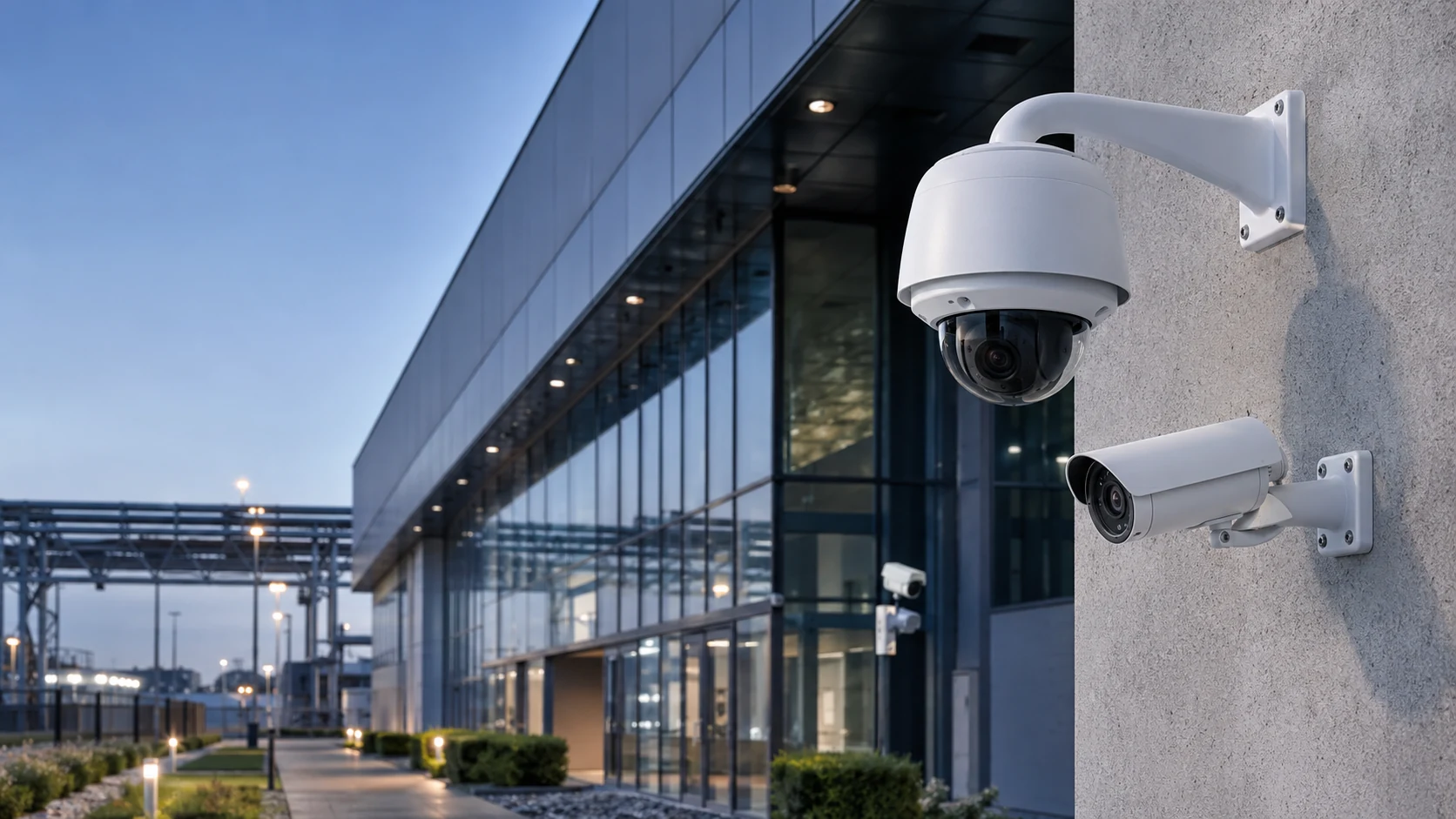
    Thermal cameras can detect heat contrast at night and in difficult lighting, while visible cameras provide richer identification detail. Analytics can classify people and vehicles, but image quality, weather and scene design influence accuracy.

    Fiber-optic sensing

    Distributed or zone-based fiber sensing can monitor long boundaries without powered electronics along the entire protected line. It is attractive for critical infrastructure, pipelines, borders and large industrial sites. Event classification and installation design are essential for controlling nuisance alarms.

    Layered systems perform best

    No sensor is perfect in every environment. A strong perimeter design may use one technology for early detection, another for classification and a camera for visual verification. Sensor fusion can combine confidence levels and reduce unnecessary operator workload.

    How to choose

    Selection should consider terrain, fence condition, climate, detection distance, target type, acceptable false-alarm rate, maintenance resources, communications and integration with the command center.

    Conclusion

    Perimeter security is not a competition to find one universal sensor. The best system is the one whose detection physics match the site. Layered designs combining complementary technologies usually provide the strongest balance of coverage, verification and resilience.

  • Sensor Fusion: Why Cameras Alone Are No Longer Enough

    Sensor Fusion: Why Cameras Alone Are No Longer Enough

    No single sensor sees everything. Cameras provide rich visual information, radar tracks movement, thermal cameras detect heat and fiber-optic sensing covers long distances. Sensor fusion combines these complementary strengths.

    Detection, tracking and verification

    A useful layered model separates three functions. One sensor detects an event, another tracks the target, and a third verifies what it is. Access-control data can add authorization context.

    Reducing nuisance alarms

    Requiring agreement between independent sensors can improve confidence. A fence vibration event, for example, can be checked against thermal or video analytics before escalation.

    Data correlation

    Fusion is more than displaying systems on one screen. A platform must correlate time, location and identity so operators receive a coherent incident rather than unrelated alarms.

    Perimeter and critical infrastructure

    Radar, thermal, visible cameras and fiber sensors can provide overlapping coverage. Pipelines, railways and power networks may also combine sensing with weather, drone or operational data.

    Engineering challenges

    Different clocks, coordinate systems and event formats complicate integration. Time synchronization, data normalization and complementary failure modes are essential.

    Conclusion

    Security is moving from device-centric systems toward context-centric operations. Sensor fusion is the architecture that enables that transition.