
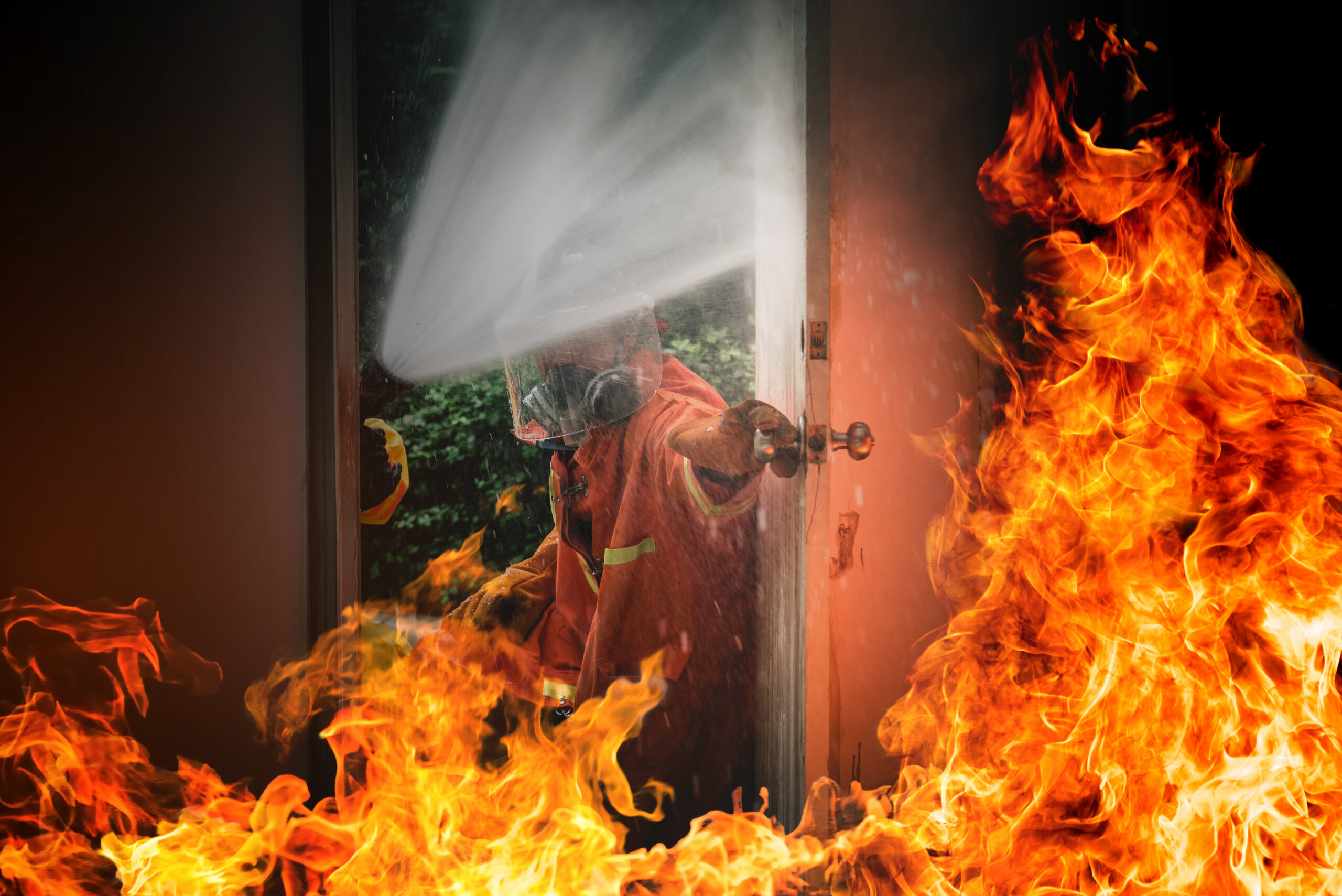
Fire suppression systems put out or contain a fire automatically, and the right choice depends heavily on what a space is protecting, since water, chemical and gas-based suppression methods each bring different trade-offs for occupant safety, equipment damage and environmental impact.
Wet and Dry Pipe Sprinkler Systems
Wet pipe sprinkler systems, the most common type in commercial and residential buildings, keep water constantly present in the piping so it discharges immediately when a sprinkler head activates from heat. Dry pipe systems instead hold the piping full of pressurized air, releasing water only after a valve opens, which makes them suitable for unheated spaces such as parking structures or freezer warehouses where standing water in pipes would freeze, at the cost of a short delay between activation and water reaching the fire compared with a wet system.
Clean Agent Systems for Sensitive Equipment
Data centers, server rooms, museums, archives and other spaces containing valuable or sensitive electronic equipment often use clean agent suppression instead of water, since gaseous agents extinguish a fire without leaving residue or causing water damage to equipment. These systems typically work by displacing oxygen below the level needed to sustain combustion or by chemically interrupting the fire’s combustion reaction, and they are designed to be used in occupied spaces at concentrations considered safe for brief human exposure, though occupants are still expected to evacuate immediately upon activation.
Water Mist as a Middle Ground
Water mist systems use much finer water droplets than conventional sprinklers, discharged at higher pressure, which absorb heat more efficiently and displace oxygen locally around the fire while using a fraction of the water volume of a traditional sprinkler system. This makes water mist attractive in spaces where minimizing water damage matters but a fully gaseous clean agent system is not practical or affordable, such as certain industrial machinery enclosures, heritage buildings, or marine engine rooms.
Matching the System to the Risk
Fire protection engineers select a suppression approach based on the specific fuel and hazard present, the value and sensitivity of what is being protected, whether the space is normally occupied, and applicable code requirements, rather than defaulting to a single technology across every building type. A single facility often uses several suppression technologies in different areas, pairing conventional sprinklers in general office space with clean agent protection in an adjoining server room, for example.
FAQ
Why don’t all buildings use clean agent suppression instead of water sprinklers? Clean agent systems are considerably more expensive to install and maintain than sprinklers and are typically reserved for spaces with high-value or sensitive equipment where water damage would be especially costly.
Is water mist as effective as traditional sprinklers? Water mist can be highly effective for the specific hazards and enclosure types it is designed and tested for, but it is not a universal substitute for conventional sprinklers across all occupancy types and fire hazards.
Are dry pipe systems slower to respond than wet pipe systems? Yes, dry pipe systems have an inherent delay because air must be released from the piping before water arrives, which is why they are used primarily where freezing risk rules out a wet pipe system rather than as a general-purpose choice.
Leave a Reply