
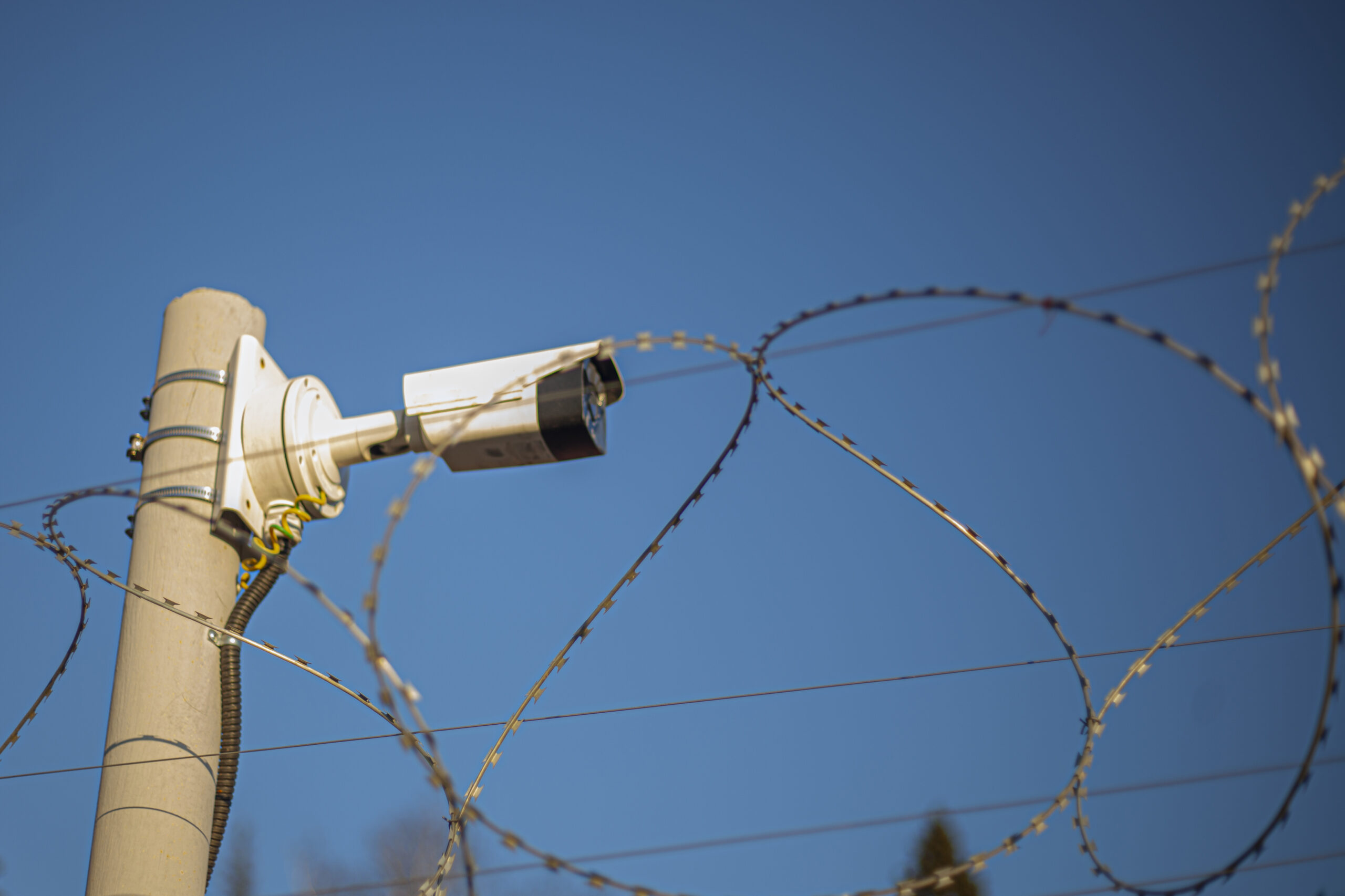
Fence-mounted sensors respond to mechanical energy, and the fence changes with temperature, wind, vegetation, rain, ice and maintenance activity. Seasonal tuning should reduce nuisance alarms without making climbing, cutting or lifting attacks harder to detect.
Preserve an accepted baseline
Record zone length, fence type, sensor configuration, processor settings and accepted test results. Keep representative alarm traces where the system supports them. A baseline allows engineers to compare seasonal behavior without guessing which setting changed.
Divide the perimeter into zones with similar construction and exposure. A sheltered rigid fence should not automatically share thresholds with a long flexible section facing prevailing wind.
Collect environmental evidence
Correlate alarms with wind speed, precipitation, temperature, vegetation contact and nearby operations. Look for repeated activity at the same time or location. A rising nuisance rate can indicate loose fabric, damaged ties, moving signs or branches rather than a processor problem.
Inspect the physical barrier before changing sensitivity. Tighten or repair the fence, remove unmanaged vegetation and verify sensor attachment. Software compensation should not conceal a mechanical defect that reduces security.
Retune with controlled intrusion tests
Change one parameter at a time and repeat approved climb, cut or lift simulations at several points in the zone. Test near the processor, in the middle and at the far boundary. Include boundary handover so an event cannot fall between adjacent zones.
If adaptive weather compensation is used, verify its limits. The system should not suppress a real intrusion simply because wind is high. Supervisors need visibility when compensation is active and when the processor reaches its maximum adjustment.
Monitor after the change
Review alarm rates and confirmed test detections for a defined observation period. Record the reason, old value, new value, authorizer and rollback setting. A successful change should improve nuisance performance while preserving the agreed probability of detection.
Seasonal tuning belongs within a broader Intrusion & Perimeter Security maintenance program. Repeat it after fence repair, construction, vegetation changes or sensor firmware updates, and retain evidence across seasons.
Govern threshold changes
Maintain a change log for every zone, including environmental evidence, approved test method, previous threshold and rollback value. Restrict tuning privileges and require a second reviewer for large sensitivity reductions. Temporary storm settings should expire automatically or generate a supervisor reminder.
Combine alarm statistics with inspection findings and confirmed intrusion tests. A lower nuisance count is not a success if the system no longer detects the approved attack simulation. Seasonal reports should state both outcomes and identify zones that need mechanical repair or redesign.
Brief control-room operators before and after tuning so they understand changed alarm behavior. Compare daytime and overnight performance, then review the next severe-weather event. If compensation repeatedly reaches its limit, escalate the zone for barrier repair, sensor relocation or engineering redesign.
Leave a Reply