Category: Emerging Technologies

  • The Future of Distributed Fiber Optic Sensing

    The Future of Distributed Fiber Optic Sensing

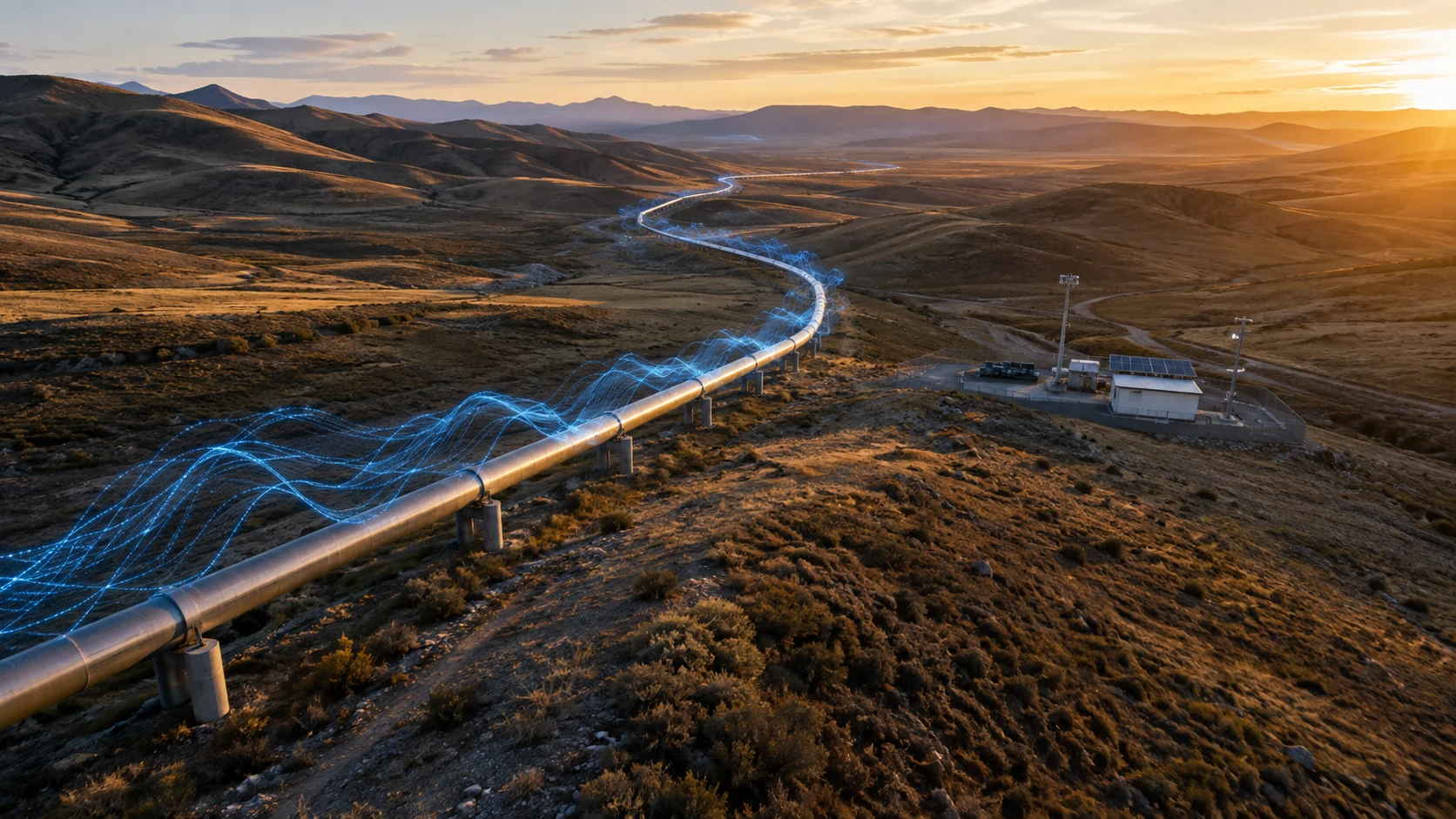
    Distributed fiber-optic sensing is moving beyond isolated alarm applications. DAS, DTS and distributed strain technologies are increasingly being combined with AI, edge computing, digital twins and operational platforms to create continuous infrastructure intelligence.

    From Single-Purpose Sensors to Multi-Parameter Monitoring

    Early deployments often focused on one problem: intrusion detection, temperature monitoring or leak awareness. The emerging model combines multiple sensing modes with asset data. A power cable can be monitored for temperature, vibration and strain; a pipeline corridor can combine DAS events with pressure, flow and video; a railway can integrate fiber sensing with signaling and maintenance data.

    AI Changes the Value of the Data

    The volume of distributed sensing data is too large for manual interpretation. Machine learning is therefore becoming central to event classification, anomaly detection and long-term trend analysis. Edge processing can make immediate decisions near the interrogator, while central systems compare patterns across sites.

    Existing Fiber Becomes Strategic

    Another major trend is the use of telecom and utility fiber already installed in the ground. If compatible fiber can support both communications and sensing, the economics of large-scale monitoring change dramatically. Cities, utilities and transport operators may gain sensing coverage without building a completely separate physical network.

    Integration Will Define the Winners

    Hardware performance remains important, but future value will increasingly depend on software, APIs, visualization, model management and integration with SCADA, VMS, GIS, digital twins and maintenance systems. Operators do not need more isolated alarms; they need prioritized, contextual information.

    Conclusion

    The long-term future of distributed fiber-optic sensing is not simply better interrogators. It is the transformation of optical fiber into a continuous data layer for critical infrastructure. When sensing, AI and operational systems are combined, fiber can evolve from a passive communications medium into a distributed nervous system for the physical world.
  • DAS for Earthquake and Natural-Hazard Monitoring

    DAS for Earthquake and Natural-Hazard Monitoring

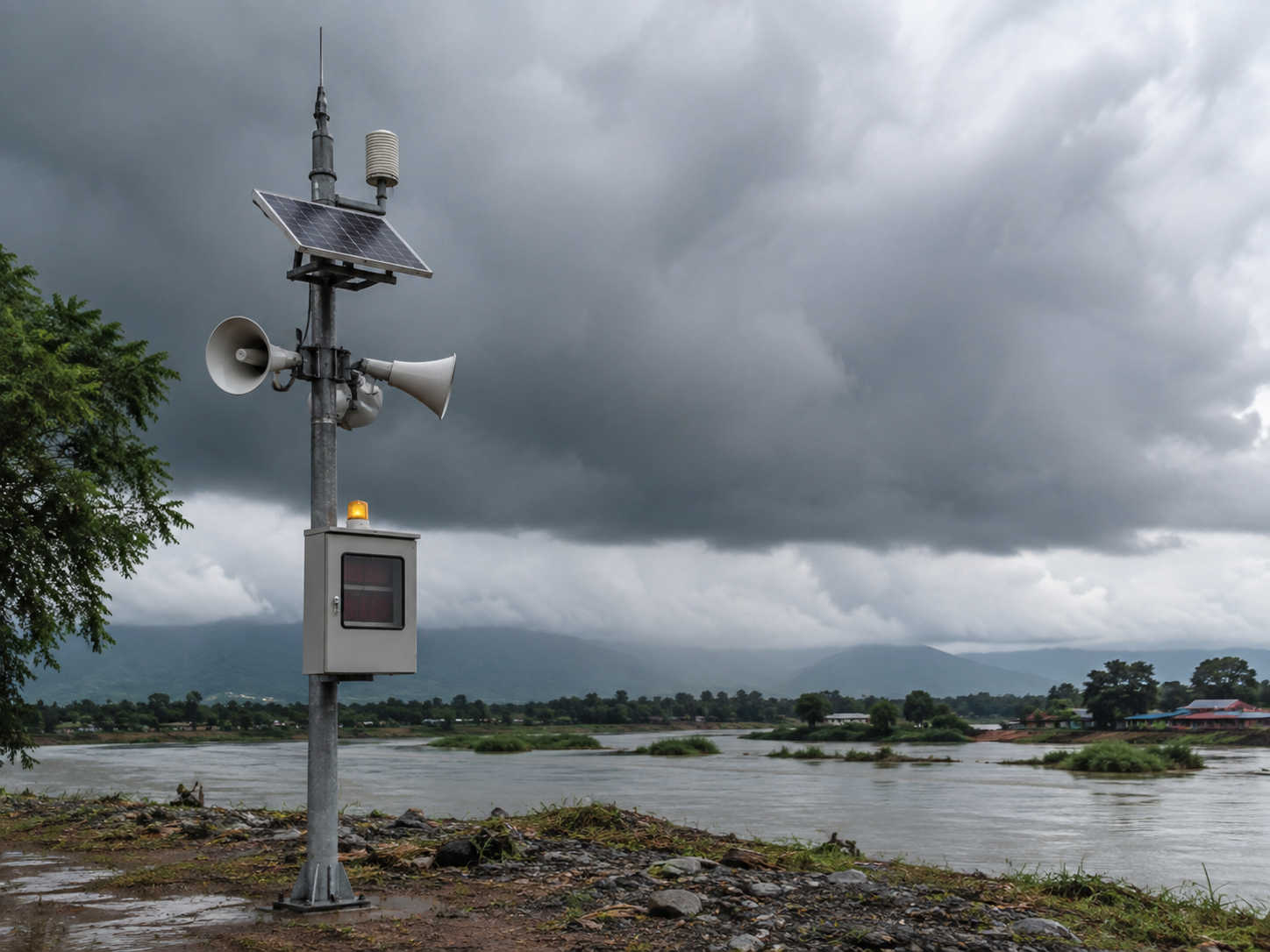
    Distributed Acoustic Sensing is increasingly used beyond security. Because optical fiber can detect tiny strain changes over long distances, DAS can act as a dense array of virtual seismic sensors for earthquakes, landslides and other geophysical events.

    From Fiber Cable to Seismic Array

    Traditional seismic networks use individual instruments installed at selected locations. DAS measures strain changes at many closely spaced points along a fiber route. Existing telecom or infrastructure fiber may therefore provide dense spatial coverage without installing thousands of separate sensors.

    For earthquake monitoring, the system can record seismic waves traveling along and across the fiber route. Researchers can use this information to study wave propagation, local ground response and event location. In some environments, DAS can also support monitoring of landslides, rockfall, volcanic activity and structural response.

    Why Existing Fiber Is Valuable

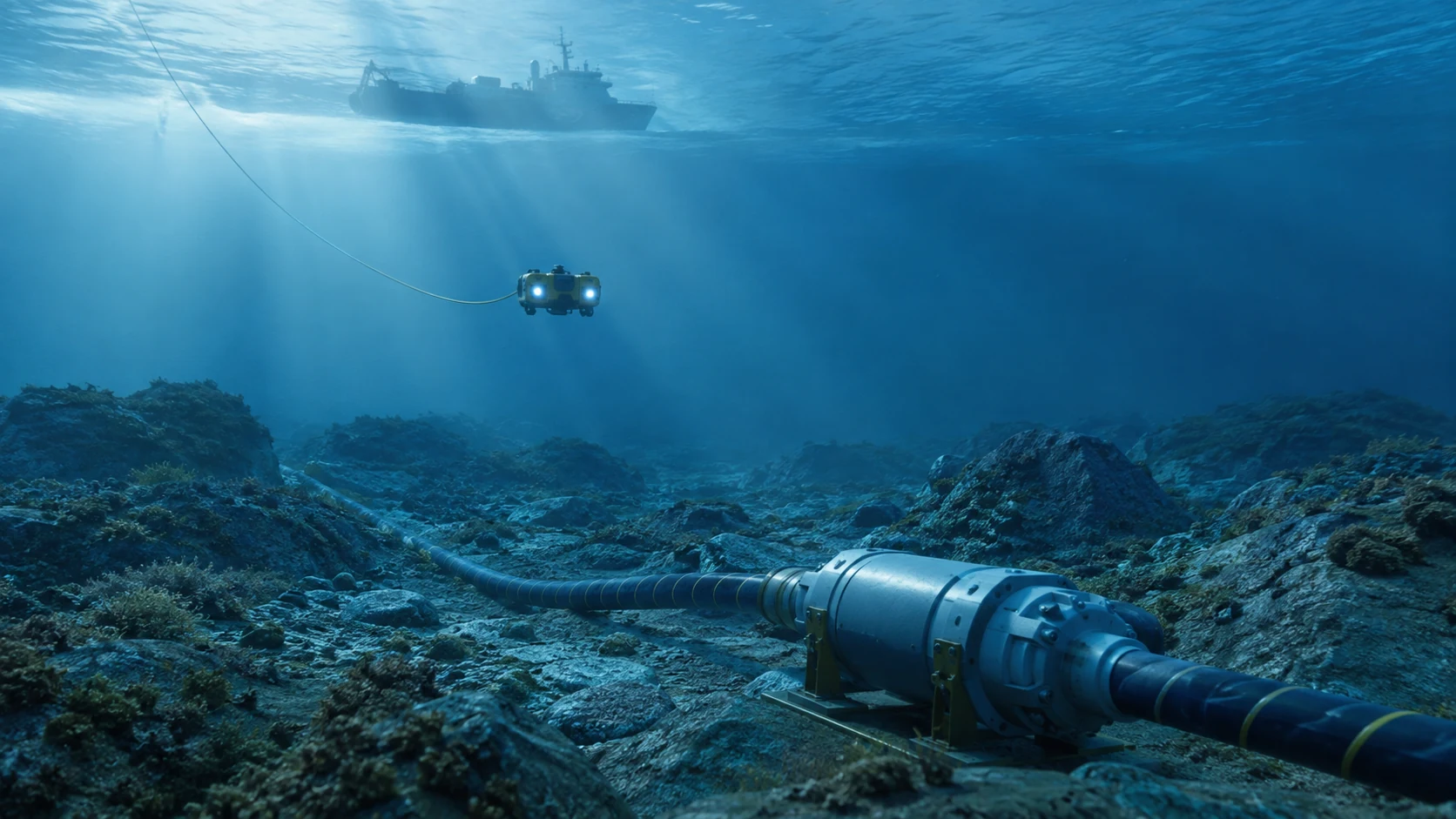
    Urban and long-distance fiber networks already cross regions where conventional sensor coverage may be limited. Using selected dark fibers or compatible network architectures could expand observational coverage rapidly. The same principle is relevant to tunnels, pipelines, railways and subsea cables located in geologically active regions.

    Limitations

    Fiber was rarely installed with seismic sensing in mind. Cable coupling, route geometry, burial depth and installation method strongly affect sensitivity. DAS measures strain along the direction of the fiber, so orientation matters. Data volumes are also substantial and require efficient processing.

    Security and Resilience Connection

    Natural-hazard sensing matters to critical infrastructure security because earthquakes and ground movement can damage pipelines, power cables, railways and communications routes. Combining DAS hazard detection with asset-monitoring systems can help operators understand both the external event and its possible effect on infrastructure.

    Conclusion

    DAS will not replace every seismometer, but it can add extremely dense spatial information using fiber that may already exist. This makes distributed sensing an important bridge between telecommunications, geophysics and infrastructure resilience.

  • Edge AI in Distributed Fiber Optic Sensing: Faster Decisions at the Sensor

    Edge AI in Distributed Fiber Optic Sensing: Faster Decisions at the Sensor

    Distributed fiber-optic sensing systems can generate very large data streams. Sending every raw waveform to a distant data center is often inefficient, especially when operators need immediate alarms. Edge AI moves part of the analytics close to the interrogator so events can be filtered, classified and prioritized in real time.

    Why Edge Processing Matters

    A long DAS route may contain thousands of virtual sensing channels. Local processing can reduce bandwidth by converting raw data into event metadata such as location, type, confidence and severity. It also improves resilience because basic detection can continue even when a cloud or wide-area connection is unavailable.

    Typical edge functions include noise filtering, feature extraction, event classification, moving-object tracking and alarm correlation. More complex model training and fleet-wide analysis can still be performed centrally.

    The Best Architecture Is Usually Hybrid

    Edge AI should not be treated as a replacement for centralized analytics. Local systems are ideal for low-latency response, while centralized platforms are better for long-term trend analysis, model management and cross-site comparison. A hybrid model allows both.

    Operational Considerations

    Edge devices must be sized for the required channel count and model complexity. Cybersecurity, software updates, model version control and auditability are also important. In critical infrastructure, operators need to know which model generated an alarm and whether its configuration changed.

    Conclusion

    Edge AI makes distributed sensing more operationally practical by reducing data volume and shortening the path from physical event to security decision. As DAS and DTS deployments grow, intelligent processing at the sensing edge will become an increasingly important part of system architecture.

  • AI and Machine Learning for DAS Event Classification

    AI and Machine Learning for DAS Event Classification

    Distributed Acoustic Sensing produces enormous amounts of vibration data. The central operational challenge is not detecting that something happened, but deciding what happened. Was the signal caused by a person, vehicle, excavation machine, train, leak-related noise, environmental activity or harmless background vibration?

    This is where machine learning becomes important. Instead of relying only on fixed amplitude thresholds, modern DAS platforms can analyze temporal patterns, frequency content, event duration, spatial movement and correlations across neighboring sensing channels.

    Training Data Determines Performance

    A classification model is only as useful as the data used to train and validate it. Pipeline, railway, perimeter and subsea environments produce very different signal signatures. Models therefore need representative data from the real installation environment rather than generic laboratory recordings.

    False alarms are a major reason to use AI, but aggressive filtering creates another risk: missing weak or unusual events. Good systems balance sensitivity and confidence rather than treating classification as a simple yes-or-no decision.

    Edge and Centralized Analytics

    Some classification can run close to the interrogator for low-latency alarms, while more computationally intensive analytics can run on centralized servers or cloud infrastructure. Hybrid architectures are increasingly attractive because they combine fast local response with fleet-wide model improvement.

    Human operators remain important. AI should prioritize events, attach confidence scores and provide context, while critical decisions remain auditable.

    Conclusion

    Machine learning is turning DAS from a high-volume signal generator into an operational intelligence platform. The competitive advantage will increasingly come not only from interrogator hardware, but from high-quality training data, reliable classification models and integration with real security and infrastructure workflows.

  • AI-Assisted Evacuation Planning: Dynamic Routes and Safer Decisions

    AI-Assisted Evacuation Planning: Dynamic Routes and Safer Decisions

    Conventional evacuation plans are usually static. They assume designated exits, predefined routes and a limited number of emergency scenarios. Real incidents are dynamic: a corridor may fill with smoke, an escalator may stop, a crowd may block an exit or a secondary hazard may make the shortest route unsafe.

    What AI can add AI-assisted evacuation systems can combine data from fire alarms, smoke control, cameras, access control, occupancy sensors and building management systems. The objective is to estimate which areas are becoming unsafe and which routes remain available.

    Dynamic routing A digital building model can represent doors, stairs, refuge areas and travel distances. When live sensor data is added, software can recalculate recommended routes. Digital signage, mobile applications or voice systems can then direct different groups toward different exits.

    Crowd awareness Video analytics and occupancy sensors can estimate congestion. A route that is physically open may still be a poor choice if too many people are moving toward it. Dynamic planning can balance flow and reduce bottlenecks.

    Human factors Automation must not create confusing or contradictory instructions. People under stress tend to follow familiar routes and other people. Messages therefore need to be simple, consistent and supported by visible cues.

    Limits of AI Evacuation software cannot know every physical condition with certainty. Sensor failure, network loss or incorrect occupancy data can affect recommendations. For this reason, dynamic routing should supplement—not replace—code-compliant exits, passive fire protection and trained emergency procedures.

    The most promising use of AI is decision support. By combining real-time information with a verified building model, operators can understand changing conditions faster and communicate safer options. The goal is not autonomous evacuation; it is better situational awareness during the minutes when conditions are changing fastest.

  • Predictive Maintenance for Fire Alarm Systems: From Faults to Early Warning

    Predictive Maintenance for Fire Alarm Systems: From Faults to Early Warning

    Fire alarm maintenance has traditionally been calendar-based: inspect devices, test circuits, replace components and respond to faults after they appear. Connected fire systems are changing that model by making condition data available continuously.

    What predictive maintenance means Predictive maintenance uses trends, diagnostics and operating history to estimate when a component may drift out of tolerance or fail. Instead of treating every detector, loop and power supply as identical, the system can highlight devices that show unusual contamination, communication errors, battery degradation or repeated intermittent faults.

    Useful data sources Modern panels and addressable devices can expose sensitivity levels, contamination values, loop quality, voltage conditions, communication statistics and event history. Environmental data can add context. A detector in a dusty production area will age differently from a detector in a clean office.

    AI is not the starting point Good predictive maintenance begins with clean data, accurate asset records and meaningful thresholds. Machine learning may help identify patterns across large estates, but it cannot compensate for poor commissioning or missing maintenance records.

    Benefits for multi-site operators For campuses, hospitals, data centers, retail chains and industrial estates, remote diagnostics can help prioritize technician visits. A maintenance team can arrive with the correct replacement parts and focus on the devices most likely to cause nuisance alarms or service disruption.

    Cybersecurity and governance Connected fire systems should not expose life-safety infrastructure unnecessarily. Remote access, cloud analytics and integration platforms require network segmentation, authentication, logging and clear responsibility between fire, IT and facilities teams.

    Predictive maintenance does not replace statutory inspection and testing. It adds another layer of intelligence. The long-term value is a shift from reacting to faults toward understanding system health continuously, reducing nuisance alarms, improving availability and making maintenance resources more efficient.

  • The Future of Perimeter Security: Sensor Fusion and AI

    The Future of Perimeter Security: Sensor Fusion and AI

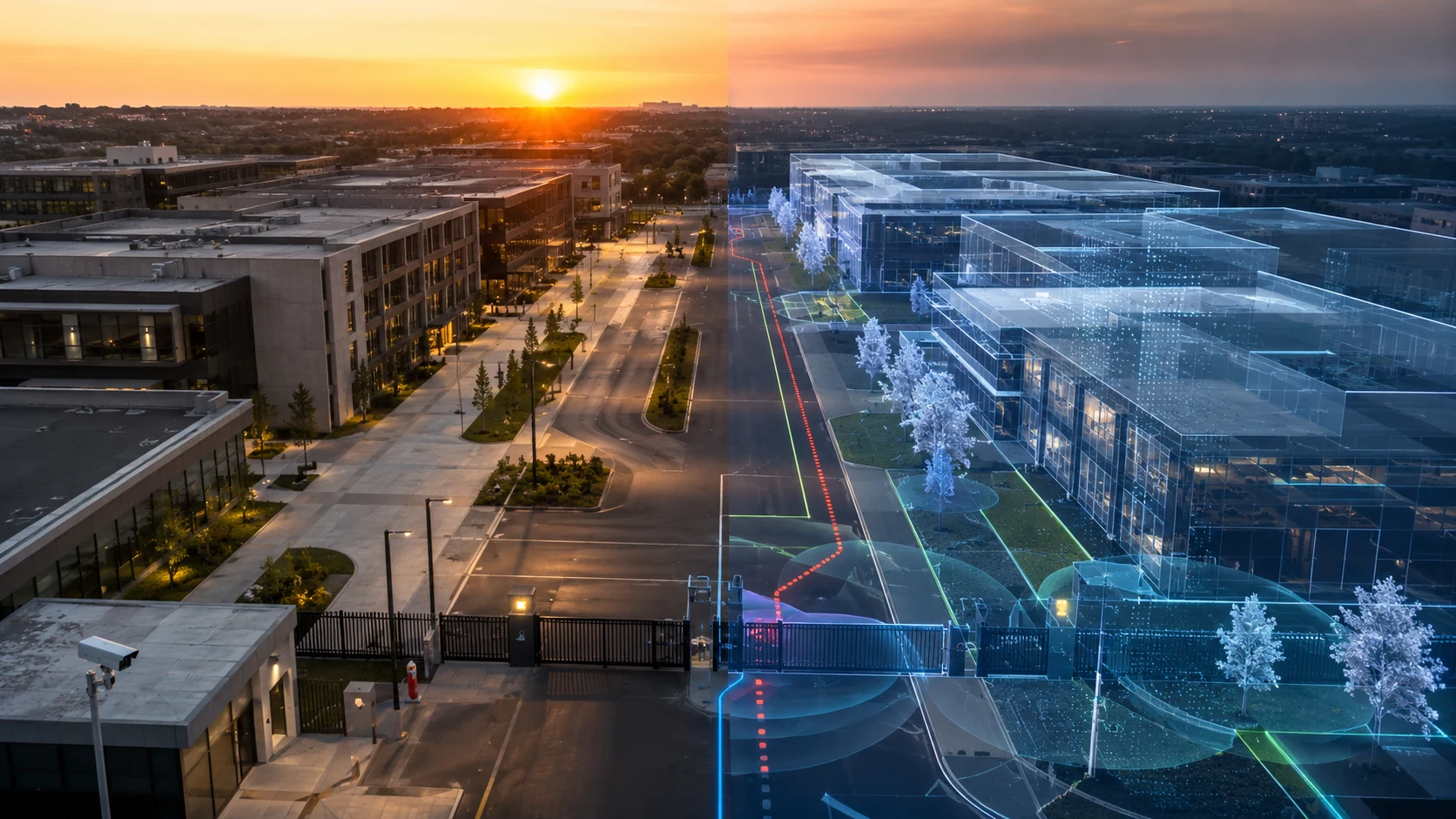
    Perimeter security is moving away from single-sensor thinking. Traditional designs often depended on one primary detection technology, such as fence vibration sensors or video motion detection. Modern systems increasingly combine radar, thermal cameras, visible cameras, fiber-optic sensing, access data and AI analytics to create a richer picture of what is happening around a site.

    Sensor fusion is the key change. A fence vibration may indicate an event, but radar can reveal movement beyond the fence, thermal imaging can detect a person at night and a PTZ camera can provide visual confirmation. When these inputs are correlated automatically, the operator receives a higher-confidence incident instead of several unrelated alarms.

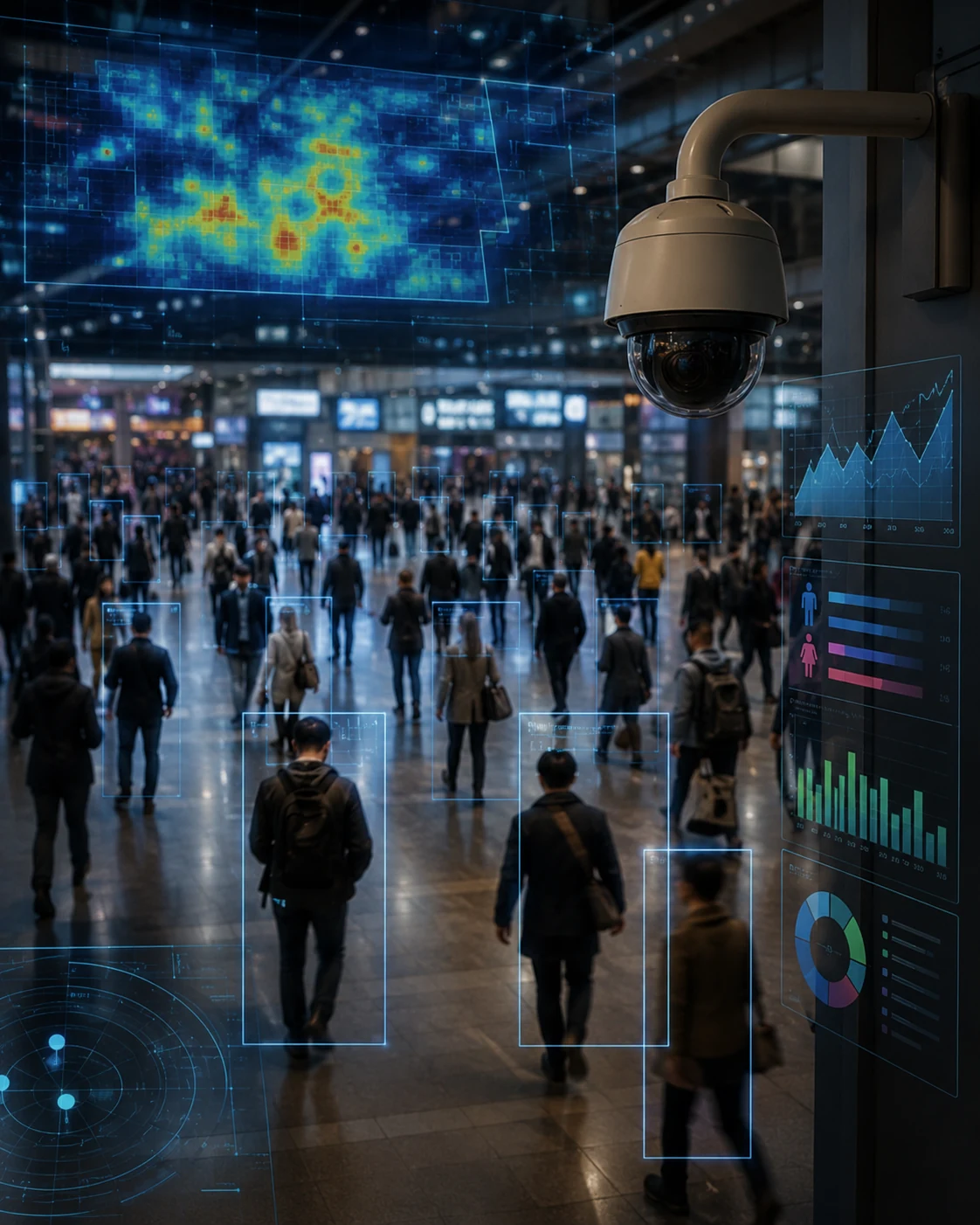
    AI is improving classification rather than simply adding more alarms. Models can distinguish people, vehicles and animals, analyze direction and speed, and prioritize activity that violates site rules. The practical benefit is lower operator workload and fewer nuisance events.

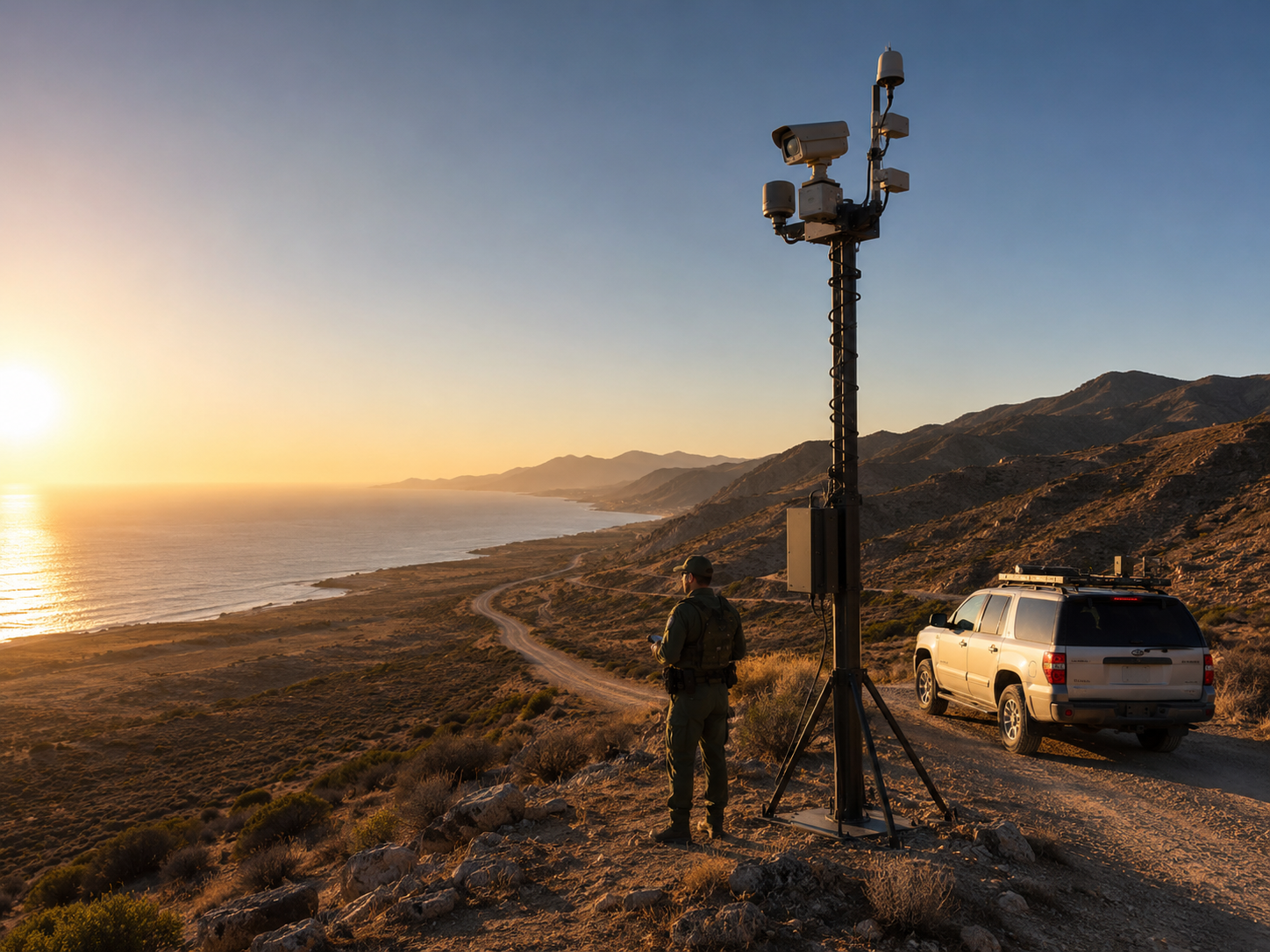
    Fiber-optic sensing is also becoming more important, especially across long pipelines, rail corridors, borders and large industrial perimeters. Distributed sensing can turn kilometers of fiber into continuous detection zones and complement point sensors or cameras.

    Edge computing will further change architecture. More classification can occur near the sensor, reducing bandwidth and enabling faster local decisions. Cloud platforms will remain valuable for fleet management, analytics updates and multi-site visibility.

    The future perimeter will therefore behave less like a collection of independent devices and more like a coordinated detection network. The goal is not maximum sensor count. It is confidence: detect early, classify accurately, verify quickly and present operators with the context required to act.

  • Security Robots: Where Autonomous Patrol Actually Makes Sense

    Security Robots: Where Autonomous Patrol Actually Makes Sense

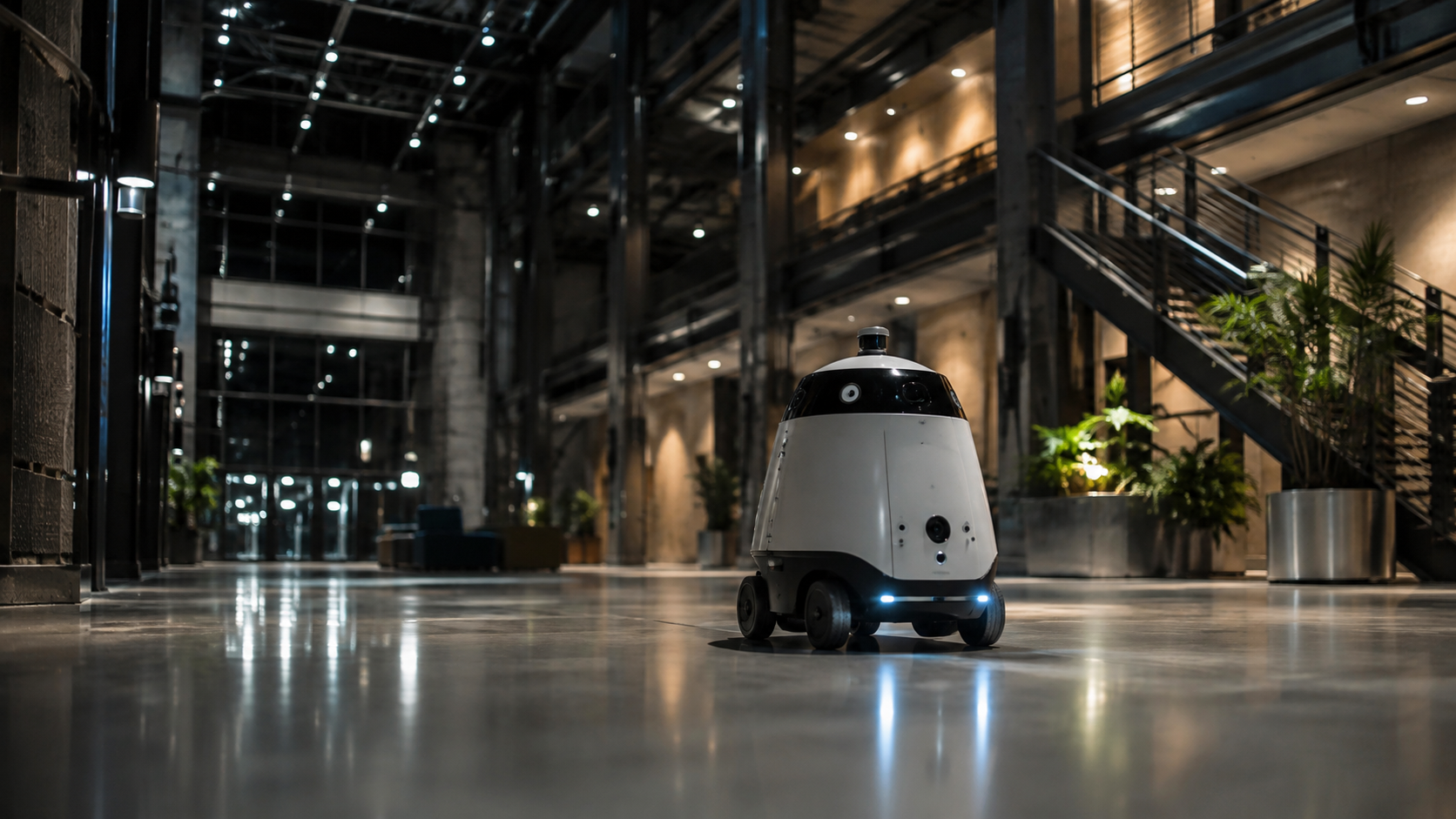
    Autonomous security robots attract attention because they make physical security visible, but their real value depends on operational fit. A robot is not automatically useful simply because it can patrol. The strongest deployments are those in which mobility solves a specific coverage, inspection or staffing problem.

    Robots can carry visible-light cameras, thermal imaging, microphones, environmental sensors, LiDAR and two-way communications. They can follow scheduled patrol routes, stop at checkpoints, record evidence and alert operators when analytics detect an anomaly.

    Large warehouses, data-center campuses, parking facilities, industrial plants and logistics yards are among the environments where robotic patrol can make sense. These sites often have long repetitive routes, predictable surfaces and many assets that benefit from frequent inspection.

    The technology is less convincing in cluttered public environments, complex stairways, heavy pedestrian traffic or areas with constantly changing obstacles. Weather, ramps, curbs, doors and elevators can also limit mobility.

    Robots should not be evaluated primarily by appearance. Buyers should examine uptime, docking reliability, navigation accuracy, battery endurance, sensor quality, cyber security, remote takeover, API integration and how frequently a human must intervene.

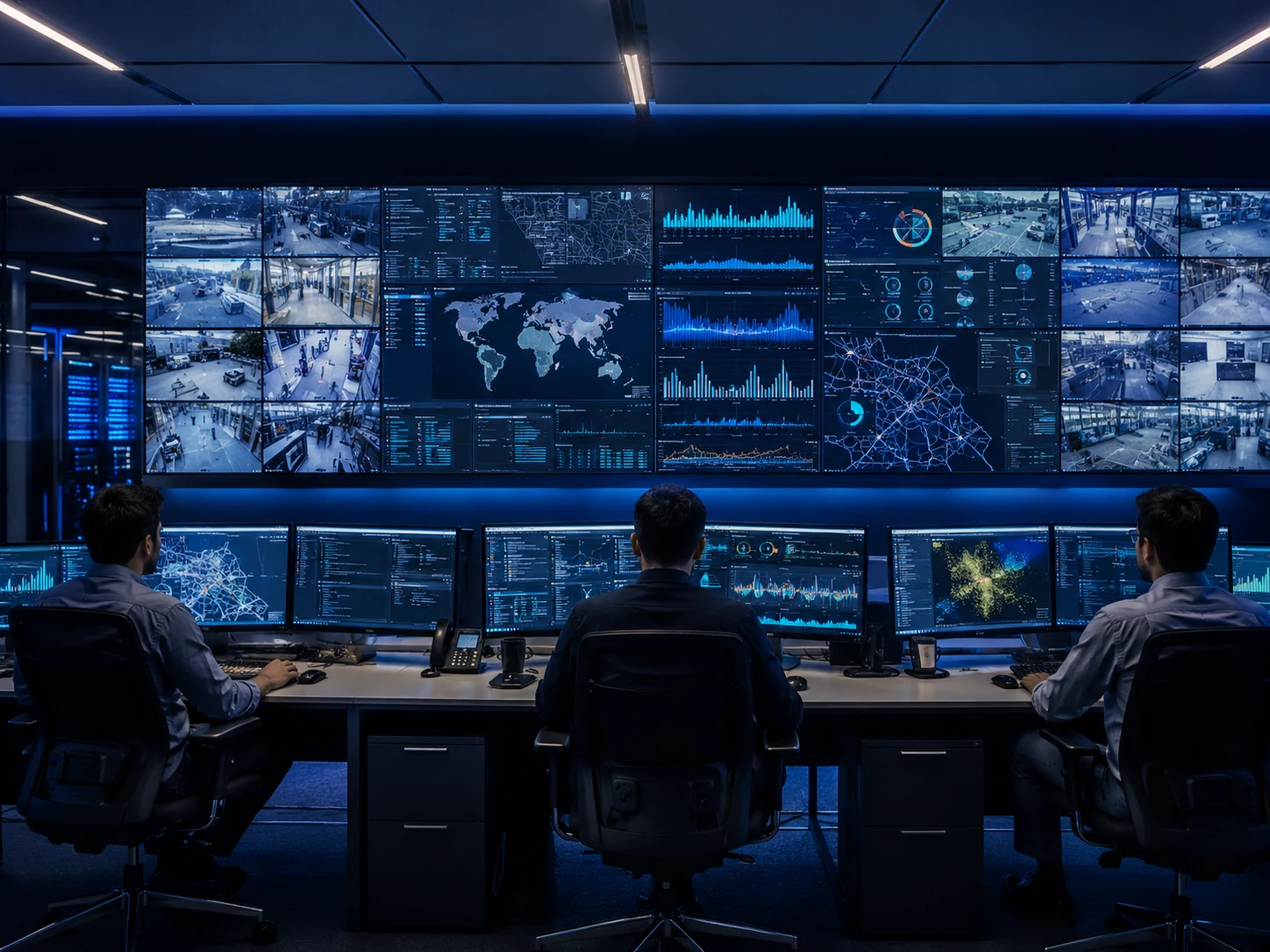
    The best architecture connects robotic patrol with existing security systems. A robot can be dispatched to a door alarm, thermal anomaly or perimeter event, then stream video into the command center. This turns the robot into a mobile verification platform rather than a standalone novelty.

    Autonomous robots are unlikely to replace security personnel broadly. They can, however, take over repetitive observation tasks, extend sensor coverage and give operators a mobile viewpoint when deployed in environments that match their capabilities.

  • Autonomous Drones for Perimeter Patrol

    Autonomous Drones for Perimeter Patrol

    Autonomous drones are moving from experimental security projects toward practical perimeter-monitoring tools. Instead of being manually flown for every mission, an autonomous system can launch from a docking station, follow a predefined route, inspect points of interest and return for charging with limited operator involvement.

    The value is not that drones replace fixed cameras or guards. Their value is mobility. A drone can investigate an alarm, inspect a remote fence section, view the far side of a building or patrol terrain that would require many fixed camera positions.

    Modern systems combine navigation, obstacle avoidance, geofencing, video analytics and fleet-management software. Thermal payloads can improve night operations, while high-resolution visible cameras provide identification and documentation.

    Autonomy introduces new design requirements. The drone must operate safely around structures, power lines, people and changing weather. Communications loss, GPS degradation, emergency landing and cyber security must all be addressed. Docking stations also become critical infrastructure because they provide charging, data transfer and environmental protection.

    Security workflows are most effective when drone missions are triggered by other sensors. A fence alarm, radar track or fiber-optic detection event can automatically create a task for a drone to inspect the location. The resulting video can then be displayed in the same command platform used for fixed cameras.

    Regulation remains a major factor. Beyond-visual-line-of-sight operations, autonomous missions and flights near populated or restricted areas may require specific approvals. Organizations should treat aviation compliance as part of system design from the beginning.

    Autonomous drones are best understood as mobile sensors within a layered perimeter system. Their strongest role is verification, inspection and rapid situational awareness across large or difficult sites.

  • Tethered Drones for Industrial Site Monitoring

    Tethered Drones for Industrial Site Monitoring

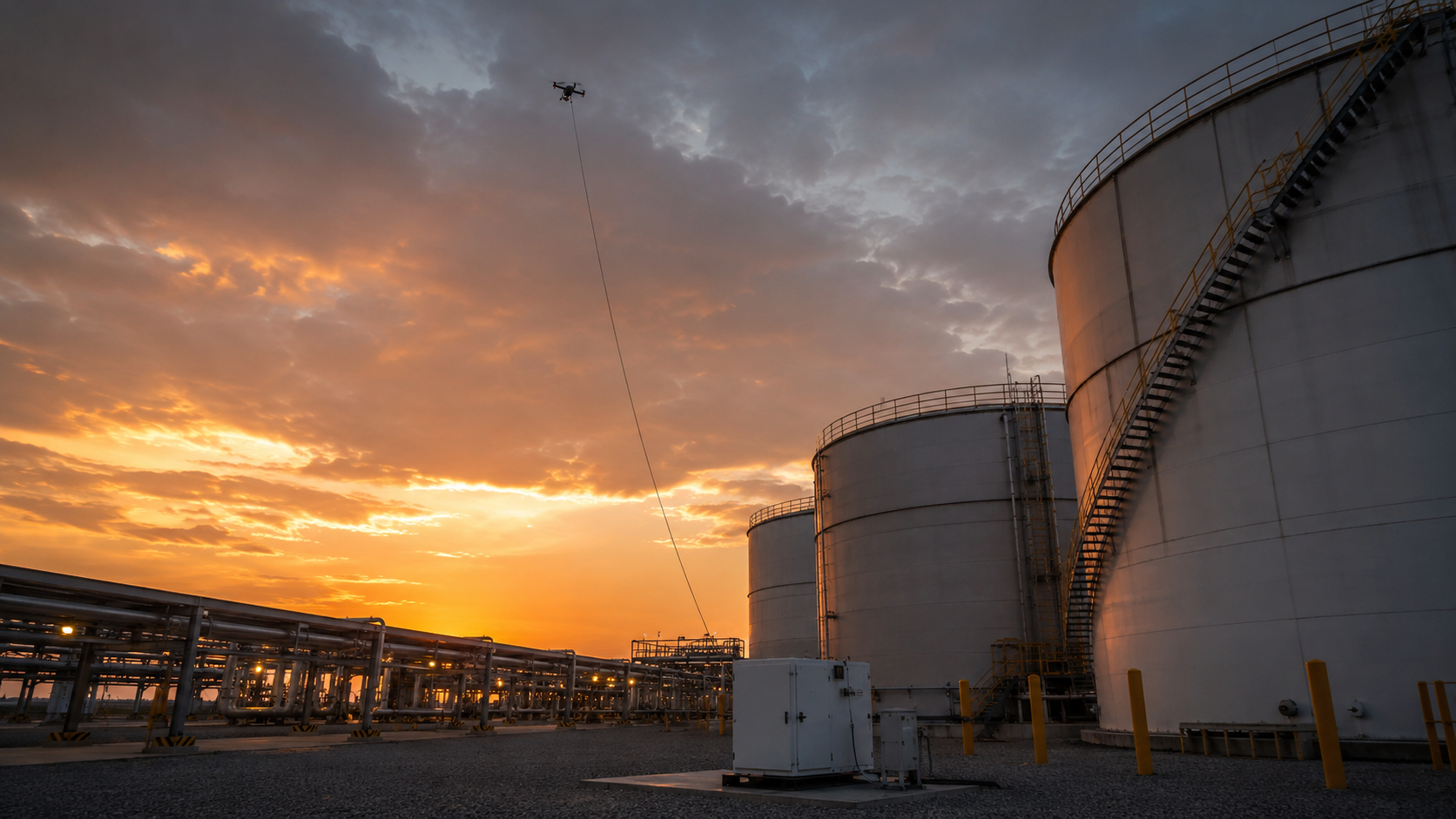
    Tethered drones occupy an unusual position between fixed surveillance towers and free-flying unmanned aircraft. Connected to the ground by a cable that can provide power and communications, a tethered drone can remain airborne for extended periods while carrying cameras, thermal sensors, communications equipment or other payloads.

    For industrial security, the main advantage is persistent elevated observation. A drone positioned tens of meters above a refinery, port, mine, pipeline construction zone or temporary event can see over fences, buildings and terrain that would block ground cameras. Because power is supplied from the ground, endurance can be measured in hours or days rather than the battery life of a conventional drone.

    The tether can also provide a secure high-bandwidth data path, reducing dependence on wireless links. This is useful where video quality, cyber security or RF congestion is a concern.

    Tethered systems still have operational limits. Wind, lightning, aviation restrictions, tether management and safe operating areas must be considered. They are not suitable everywhere, and the aircraft remains a visible physical asset that requires maintenance and procedures.

    Their strongest use case is usually temporary or semi-permanent overwatch: construction projects, incident response, large industrial shutdowns, border posts, temporary perimeter expansion or remote facilities where installing a tower would take longer.

    Tethered drones should be integrated with the wider security system rather than treated as standalone cameras in the sky. Video can feed the VMS, analytics can monitor defined zones and command-center operators can correlate aerial views with ground sensors.

    As industrial sites seek flexible surveillance coverage, tethered drones provide a middle ground between permanent infrastructure and mobile airborne patrol.