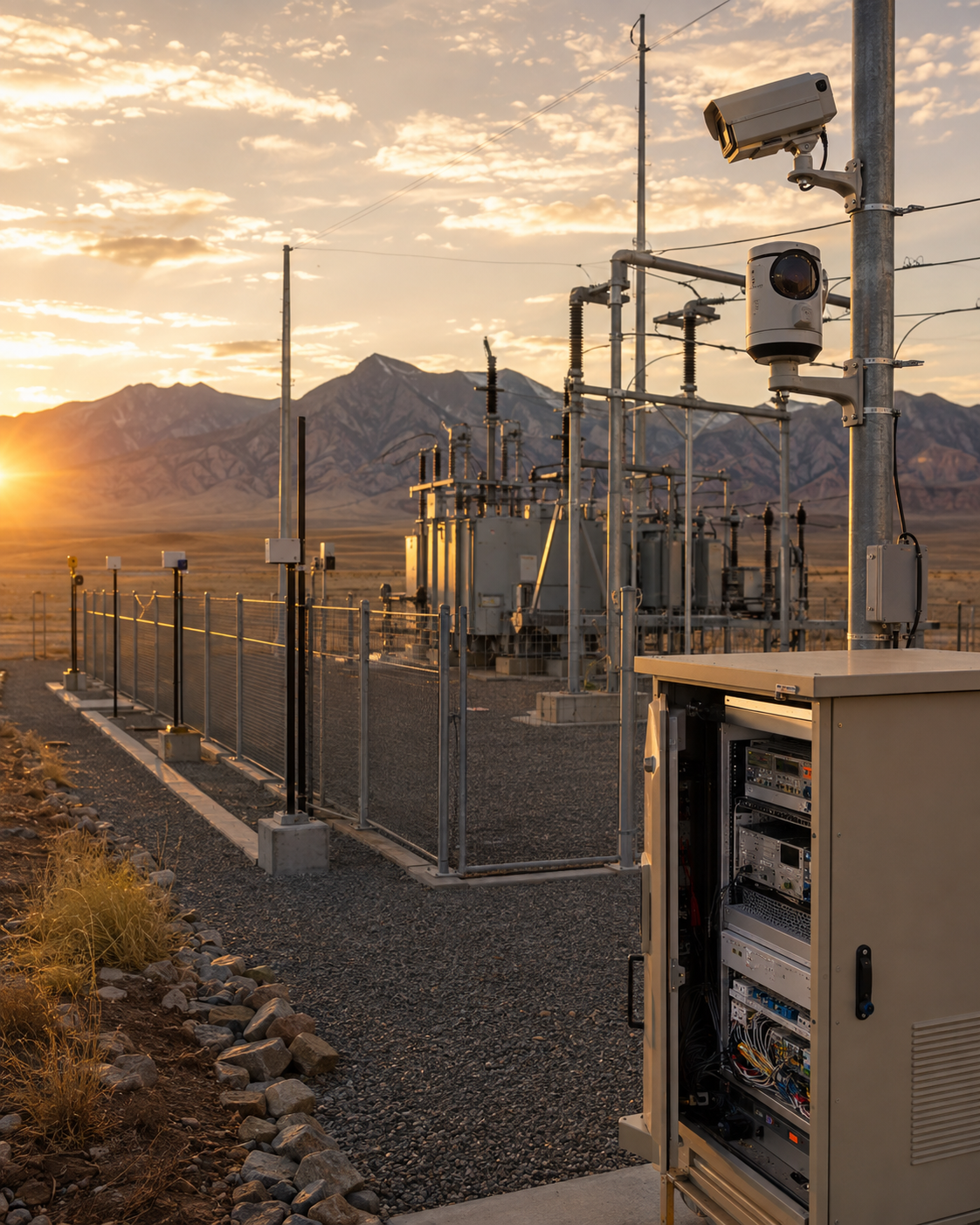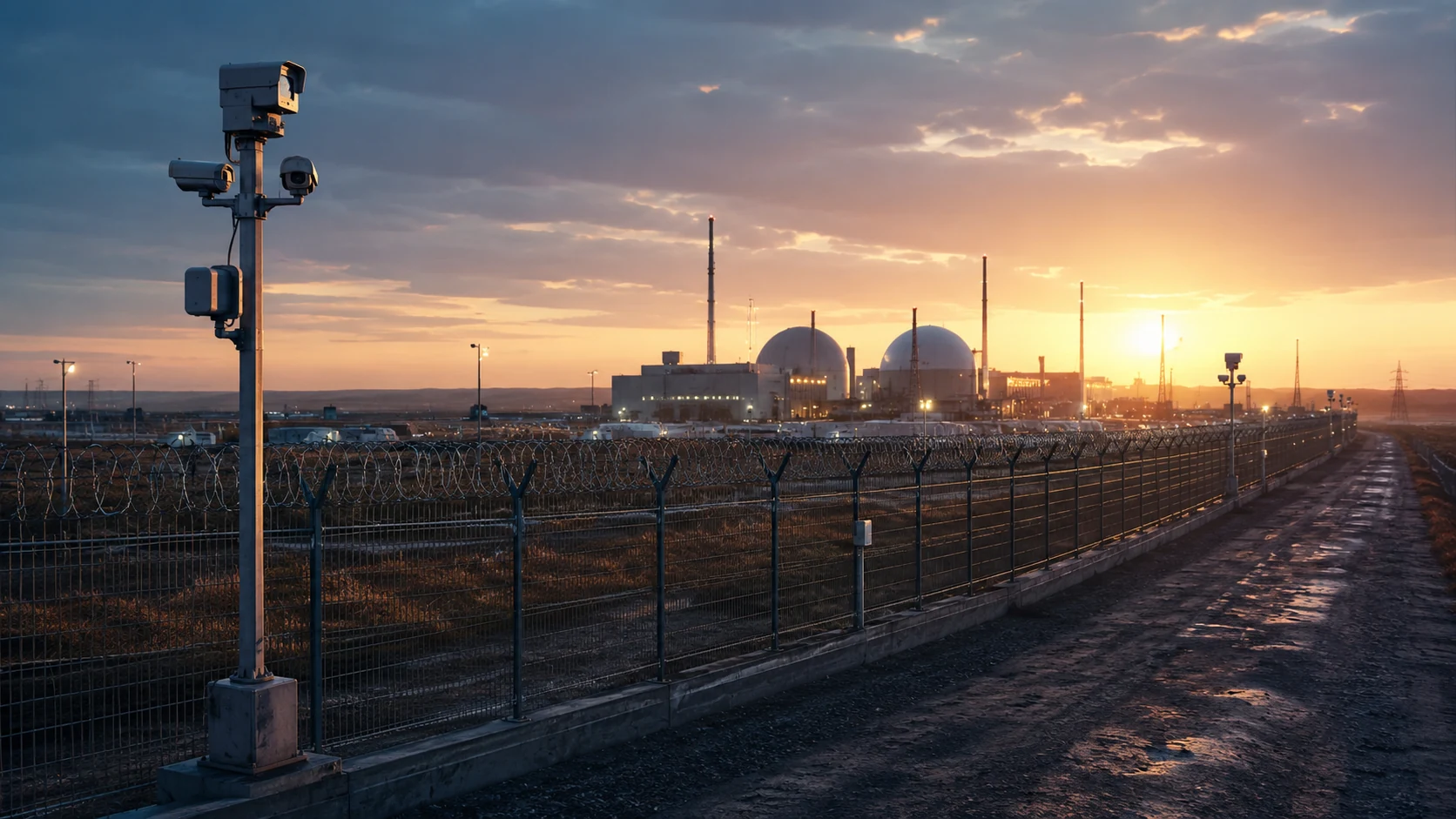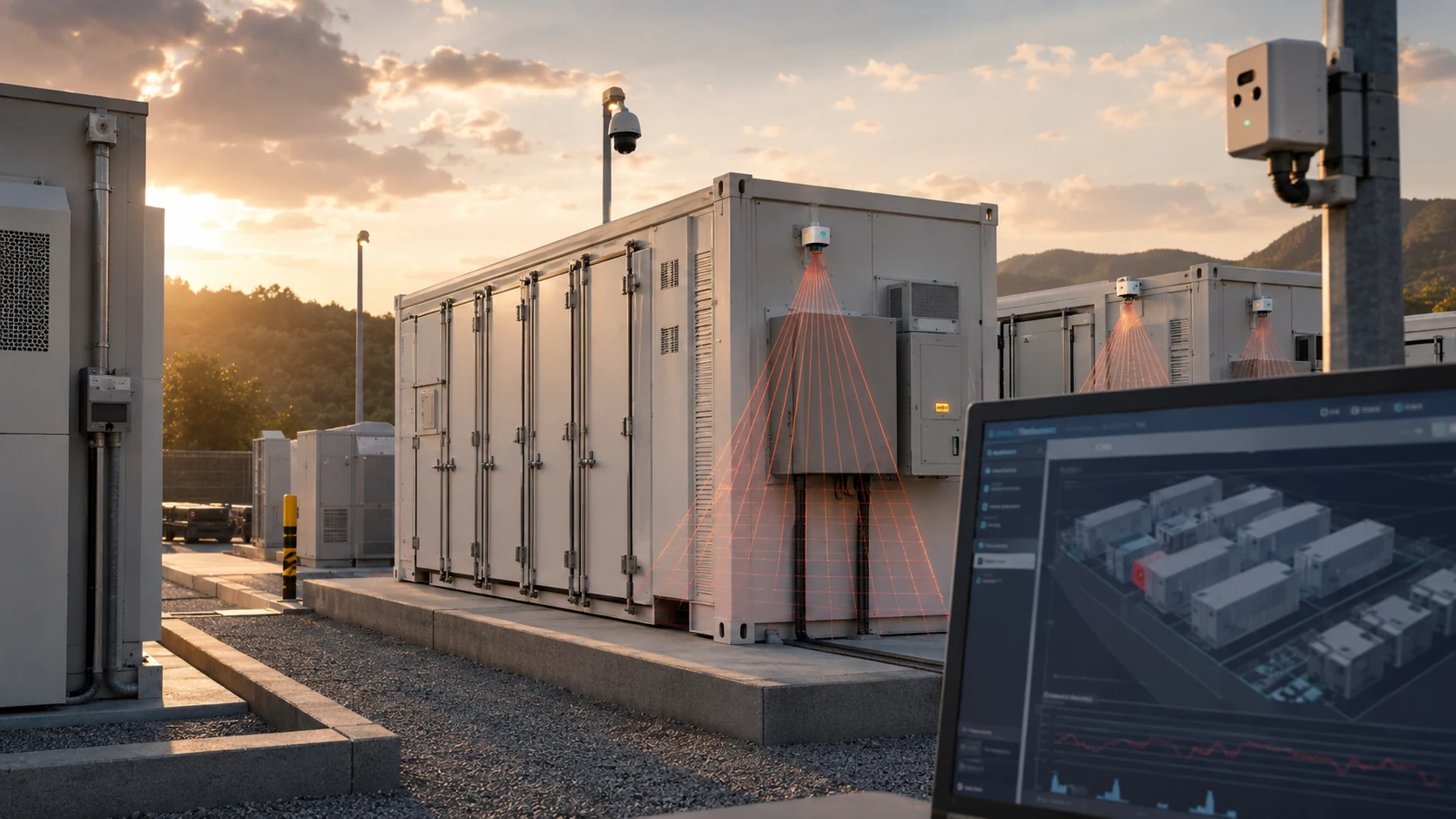
Category: Intrusion & Perimeter Security

Sensors, alarms, fencing, radar, thermal imaging and fiber optic systems used to detect and prevent unauthorized entry into secured areas.

  • Autonomous Drones for Perimeter Patrol

    Autonomous Drones for Perimeter Patrol

    Autonomous drones are moving from experimental security projects toward practical perimeter-monitoring tools. Instead of being manually flown for every mission, an autonomous system can launch from a docking station, follow a predefined route, inspect points of interest and return for charging with limited operator involvement.

    The value is not that drones replace fixed cameras or guards. Their value is mobility. A drone can investigate an alarm, inspect a remote fence section, view the far side of a building or patrol terrain that would require many fixed camera positions.

    Modern systems combine navigation, obstacle avoidance, geofencing, video analytics and fleet-management software. Thermal payloads can improve night operations, while high-resolution visible cameras provide identification and documentation.

    Autonomy introduces new design requirements. The drone must operate safely around structures, power lines, people and changing weather. Communications loss, GPS degradation, emergency landing and cyber security must all be addressed. Docking stations also become critical infrastructure because they provide charging, data transfer and environmental protection.

    Security workflows are most effective when drone missions are triggered by other sensors. A fence alarm, radar track or fiber-optic detection event can automatically create a task for a drone to inspect the location. The resulting video can then be displayed in the same command platform used for fixed cameras.

    Regulation remains a major factor. Beyond-visual-line-of-sight operations, autonomous missions and flights near populated or restricted areas may require specific approvals. Organizations should treat aviation compliance as part of system design from the beginning.

    Autonomous drones are best understood as mobile sensors within a layered perimeter system. Their strongest role is verification, inspection and rapid situational awareness across large or difficult sites.
  • Fiber Optic Perimeter Detection vs Traditional Fence Sensors

    Fiber Optic Perimeter Detection vs Traditional Fence Sensors

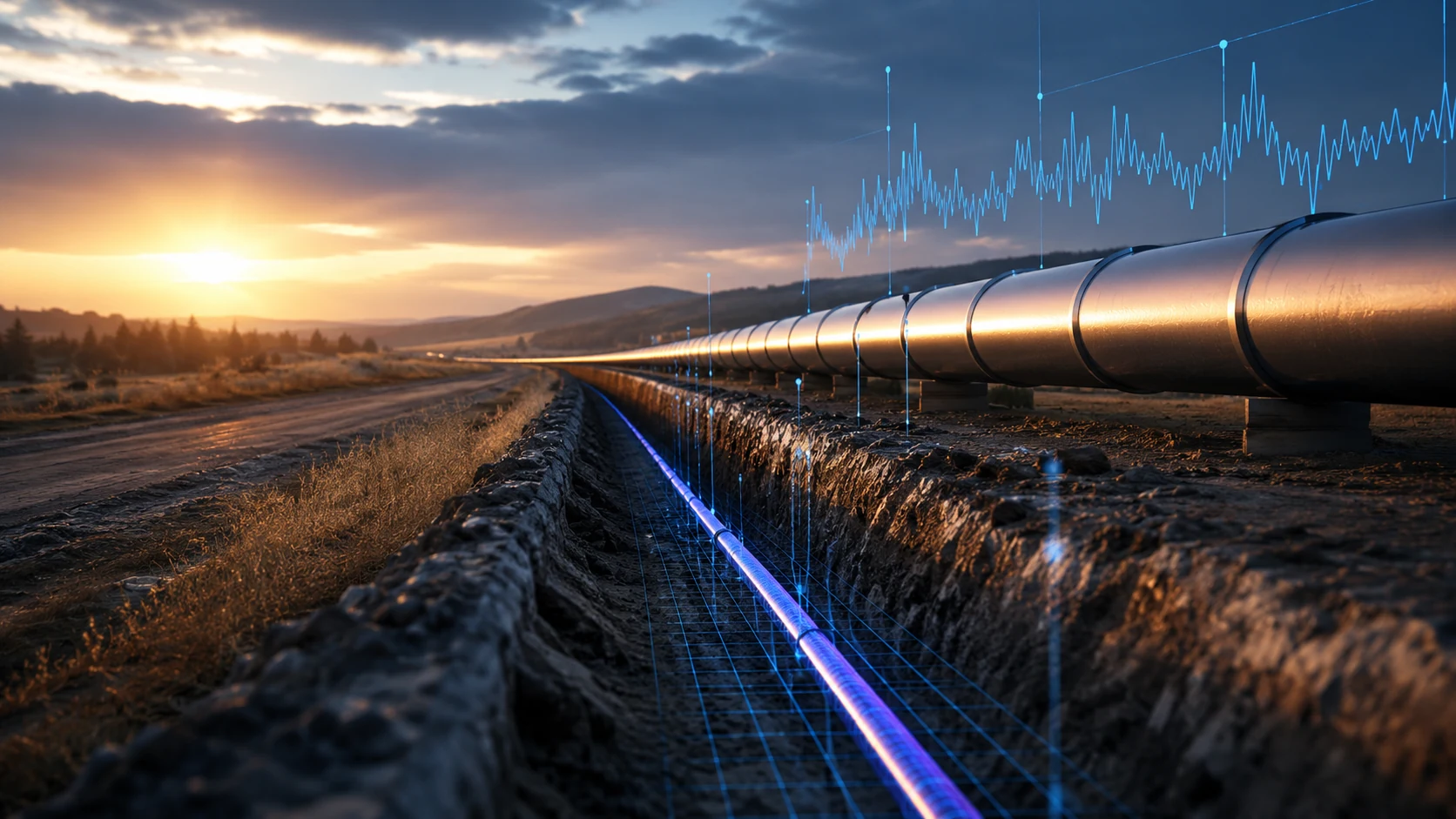
    Fiber-optic sensing is increasingly used to protect long fences, pipelines, borders and critical infrastructure. Traditional fence sensors remain effective in many environments, but fiber introduces a different architecture: the sensing cable itself becomes part of the detection system.

    Traditional fence sensors

    Conventional systems may use accelerometers, vibration detectors, microphonic cable or point sensors mounted at intervals. They can identify climbing, cutting and strong mechanical disturbance. Their strengths include mature technology, straightforward zoning and relatively simple maintenance on short or medium perimeters.

    Fiber-optic detection

    Fiber systems monitor changes in light traveling through an optical cable. Depending on the design, the system may use discrete zones or distributed sensing that analyzes activity continuously along many kilometers of fiber. The field cable is passive, which means powered electronics can remain in protected equipment locations.

    Advantages of fiber

    Fiber is immune to electromagnetic interference, does not conduct electricity and can cover long distances. Distributed sensing can provide detailed location information and, with suitable signal processing, classify patterns associated with climbing, cutting, digging, footsteps or vehicle activity.

    Where traditional sensors still make sense

    For a small compound with a few hundred meters of good-quality fence, a conventional sensor system may be simpler and more economical. Existing infrastructure, technician familiarity and integration requirements can make traditional systems the practical choice.

    Where fiber becomes attractive

    Large industrial sites, solar farms, railways, pipelines, borders, airports and remote critical infrastructure benefit from long sensing distance and reduced field electronics. Fiber can also support architectures in which one cable protects multiple zones or extends beyond the physical fence.

    False alarms and classification

    Neither technology is automatically immune to nuisance alarms. Wind, vegetation, loose fence material and maintenance activity can affect any vibration-based system. Fiber platforms increasingly use advanced signal processing and machine learning to distinguish event patterns, but commissioning and site-specific tuning remain essential.

    Lifecycle considerations

    Designers should compare not only equipment price but also power distribution, communications, spare parts, repair procedures, expansion capability and maintenance over the life of the system. A higher initial cost may be justified when a technology reduces remote electronics or simplifies very long-distance coverage.

    Conclusion

    Fiber-optic perimeter detection is not universally better than traditional fence sensing, but it changes the economics and capabilities of large perimeters. Conventional sensors remain strong for many compact sites; fiber becomes especially compelling when distance, electromagnetic immunity, passive field infrastructure and precise event localization are priorities.

  • AI-Based Perimeter Analytics: How to Reduce False Alarms

    AI-Based Perimeter Analytics: How to Reduce False Alarms

    Perimeter systems are often judged by detection range, but alarm quality is just as important. A sensor that detects everything can overwhelm operators with animals, vegetation, weather effects and routine activity. AI-based analytics are increasingly used to separate relevant events from background noise.

    Why false alarms happen

    Outdoor environments change constantly. Shadows move, rain crosses the scene, trees sway, insects pass near cameras and wildlife enters protected zones. Traditional motion detection can interpret many of these changes as security events.

    Object classification

    Modern analytics can distinguish people, vehicles and other object classes. Instead of alarming whenever pixels change, the system can apply rules only when a relevant object enters a defined zone, crosses a virtual line or remains in an area for a specified time.

    Context matters

    Classification alone is not enough. A person walking on a public path may be normal while the same person inside a restricted substation is significant. Good perimeter analytics combine object type with location, direction, speed, dwell time and schedule.

    Sensor fusion

    AI becomes more useful when it receives data from several sensors. Radar may establish that a target is moving toward the perimeter, a thermal camera may detect a warm object and video analytics may classify it as a person. Combining these signals can increase confidence and reduce single-sensor nuisance alarms.

    Training and tuning

    Analytics should be commissioned for the actual site. Camera angle, target size, vegetation, weather and seasonal changes affect performance. Thresholds that work during installation may need refinement after weeks of real operation.

    Human verification remains important

    AI should prioritize and enrich alarms rather than automatically treating every classification as fact. Operators need access to live and recorded video, sensor history and clear alarm context.

    Conclusion

    The goal of AI perimeter analytics is not to eliminate every false alarm. It is to improve the signal-to-noise ratio so that operators can focus on events that deserve attention. Strong results come from good sensor placement, site-specific tuning, multiple sources of evidence and disciplined alarm workflows.

  • Radar and Thermal Camera Integration for Perimeter Security

    Radar and Thermal Camera Integration for Perimeter Security

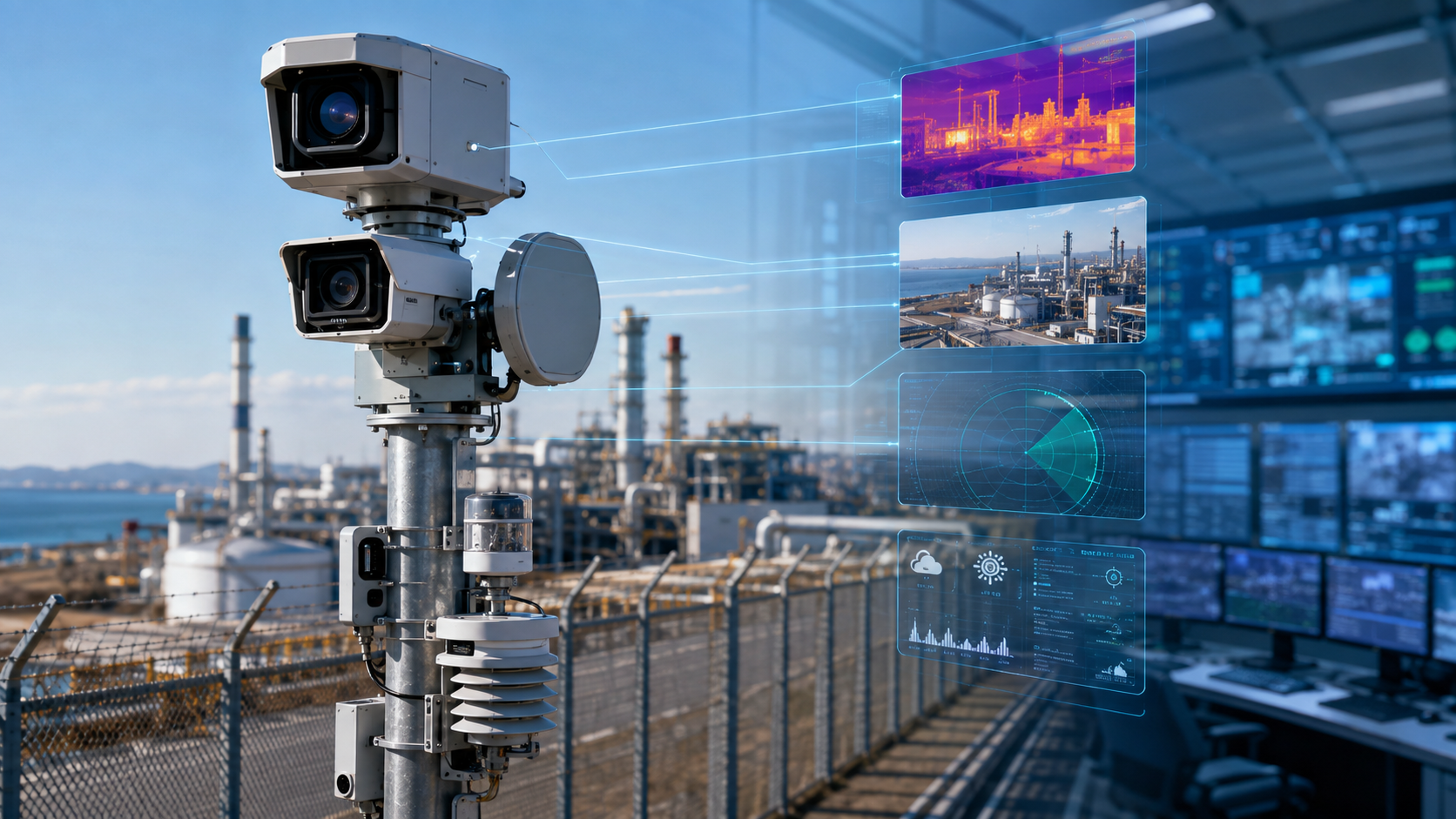
    Radar and thermal cameras are complementary technologies. Radar is strong at detecting and tracking movement over large areas, while thermal cameras provide visual confirmation in darkness and difficult lighting. When integrated correctly, the combination can reduce blind spots and help operators understand alarms faster.

    What radar contributes

    Security radar measures the position and movement of targets. Unlike a visible-light camera, it does not depend on scene illumination and can continue tracking in darkness, glare or low-contrast conditions. A radar can also monitor a wide area and maintain multiple tracks at the same time.

    What thermal imaging contributes

    Thermal cameras detect differences in emitted heat. They can reveal people and vehicles at night and often provide better target contrast than visible cameras in low-light scenes. Thermal imagery also gives the operator a visual object to assess, which radar alone cannot provide.

    Automatic camera cueing

    One of the most valuable integrations is automatic PTZ cueing. When radar detects a moving target, the system calculates its coordinates and points a thermal or dual-sensor camera toward it. This can reduce the time an operator spends searching manually.

    Classification and analytics

    Radar may classify a track based on movement characteristics, while video analytics can add visual classification. Combining these sources increases confidence. A system might require agreement between radar movement and camera classification before escalating an alarm.

    Site-design challenges

    Radar requires a clear understanding of terrain, buildings, vegetation and reflective structures. Thermal cameras need appropriate lens selection and mounting height. Poor calibration between the radar coordinate system and camera field of view can undermine the entire integration.

    Where the combination works well

    Airports, power plants, ports, data centers, borders, solar farms, substations and large industrial sites can benefit from radar-thermal integration, particularly where long-range nighttime detection is important.

    Conclusion

    Radar provides wide-area awareness and precise tracking; thermal imaging provides visual confirmation. Together they create a stronger perimeter layer than either technology can usually deliver alone, especially when the system is calibrated, integrated with analytics and connected to a clear operator workflow.

  • Fence-Mounted vs Buried Perimeter Sensors: Which Is Better?

    Fence-Mounted vs Buried Perimeter Sensors: Which Is Better?

    Fence-mounted and buried sensors solve the same basic problem in different ways: detecting unauthorized movement before a person reaches a protected asset. The right choice depends on site geometry, terrain, aesthetics, maintenance and the type of intrusion that must be detected.

    Fence-mounted sensors

    Fence systems detect vibration, movement or strain caused by climbing, cutting or lifting. Technologies include accelerometers, microphonic cable and fiber-optic sensing. They can provide precise zone information along long boundaries and are relatively easy to inspect because the detection medium follows the visible fence line.

    Their performance, however, is closely tied to fence condition. Loose mesh, vegetation, wind-driven objects or poorly tensioned panels can create nuisance alarms. Good mechanical installation and site-specific tuning are essential.

    Buried sensors

    Buried systems create an invisible detection zone using seismic, pressure, electromagnetic or other sensing methods. They are useful around executive facilities, heritage sites, landscaped areas or locations where a visible sensor system would be undesirable.

    Because the sensing medium is underground, soil type, moisture, drainage, frost, nearby roads and heavy machinery can influence performance. Installation can also be more disruptive, and later maintenance may require excavation.

    Detection behavior

    Fence sensors are naturally associated with a physical barrier and are well suited to detecting climbing or cutting. Buried sensors may detect a person before they reach the fence, providing earlier warning. On the other hand, they can be more sensitive to environmental vibration or non-threatening movement depending on the technology.

    Lifecycle cost

    The cheapest installation is not always the lowest-cost system over ten years. Fence repairs, vegetation management, battery replacement, excavation and calibration should all be considered in lifecycle planning.

    When to combine them

    High-security sites sometimes use buried sensors outside the fence for early detection and fence-mounted sensors as a second layer. Cameras, radar or thermal imaging can then verify the alarm.

    Conclusion

    Fence-mounted sensors are often simpler where a strong fence already exists. Buried sensors are valuable when covert or pre-fence detection is required. The decision should be based on the physical site and operating environment rather than on technology preference alone.

  • Perimeter Intrusion Detection Systems: Complete Technology Comparison

    Perimeter Intrusion Detection Systems: Complete Technology Comparison

    Perimeter intrusion detection systems are designed to identify activity before an intruder reaches a protected building or critical asset. The technology landscape includes fence-mounted sensors, buried sensors, radar, thermal cameras, video analytics, fiber-optic sensing and combinations of several sensor types.

    Fence-mounted sensors

    Accelerometer, vibration and fiber-based fence sensors detect cutting, climbing or disturbance. They can protect long fence lines at relatively low cost per meter, but performance depends on fence quality, installation and environmental tuning.

    Buried sensors

    Seismic, pressure and magnetic technologies can create an invisible detection zone. They are useful where visible infrastructure is undesirable, but soil conditions, drainage, nearby traffic and maintenance access can affect performance.

    Radar

    Security radar continuously measures movement over open ground. It can detect and track people or vehicles in darkness, fog or poor contrast and can direct cameras toward targets. Radar is particularly effective for large open sites, but terrain and obstructions must be considered.

    Thermal and visible video analytics

    Thermal cameras can detect heat contrast at night and in difficult lighting, while visible cameras provide richer identification detail. Analytics can classify people and vehicles, but image quality, weather and scene design influence accuracy.

    Fiber-optic sensing

    Distributed or zone-based fiber sensing can monitor long boundaries without powered electronics along the entire protected line. It is attractive for critical infrastructure, pipelines, borders and large industrial sites. Event classification and installation design are essential for controlling nuisance alarms.

    Layered systems perform best

    No sensor is perfect in every environment. A strong perimeter design may use one technology for early detection, another for classification and a camera for visual verification. Sensor fusion can combine confidence levels and reduce unnecessary operator workload.

    How to choose

    Selection should consider terrain, fence condition, climate, detection distance, target type, acceptable false-alarm rate, maintenance resources, communications and integration with the command center.

    Conclusion

    Perimeter security is not a competition to find one universal sensor. The best system is the one whose detection physics match the site. Layered designs combining complementary technologies usually provide the strongest balance of coverage, verification and resilience.

  • Sensor Fusion: Why Cameras Alone Are No Longer Enough

    Sensor Fusion: Why Cameras Alone Are No Longer Enough

    No single sensor sees everything. Cameras provide rich visual information, radar tracks movement, thermal cameras detect heat and fiber-optic sensing covers long distances. Sensor fusion combines these complementary strengths.

    Detection, tracking and verification

    A useful layered model separates three functions. One sensor detects an event, another tracks the target, and a third verifies what it is. Access-control data can add authorization context.

    Reducing nuisance alarms

    Requiring agreement between independent sensors can improve confidence. A fence vibration event, for example, can be checked against thermal or video analytics before escalation.

    Data correlation

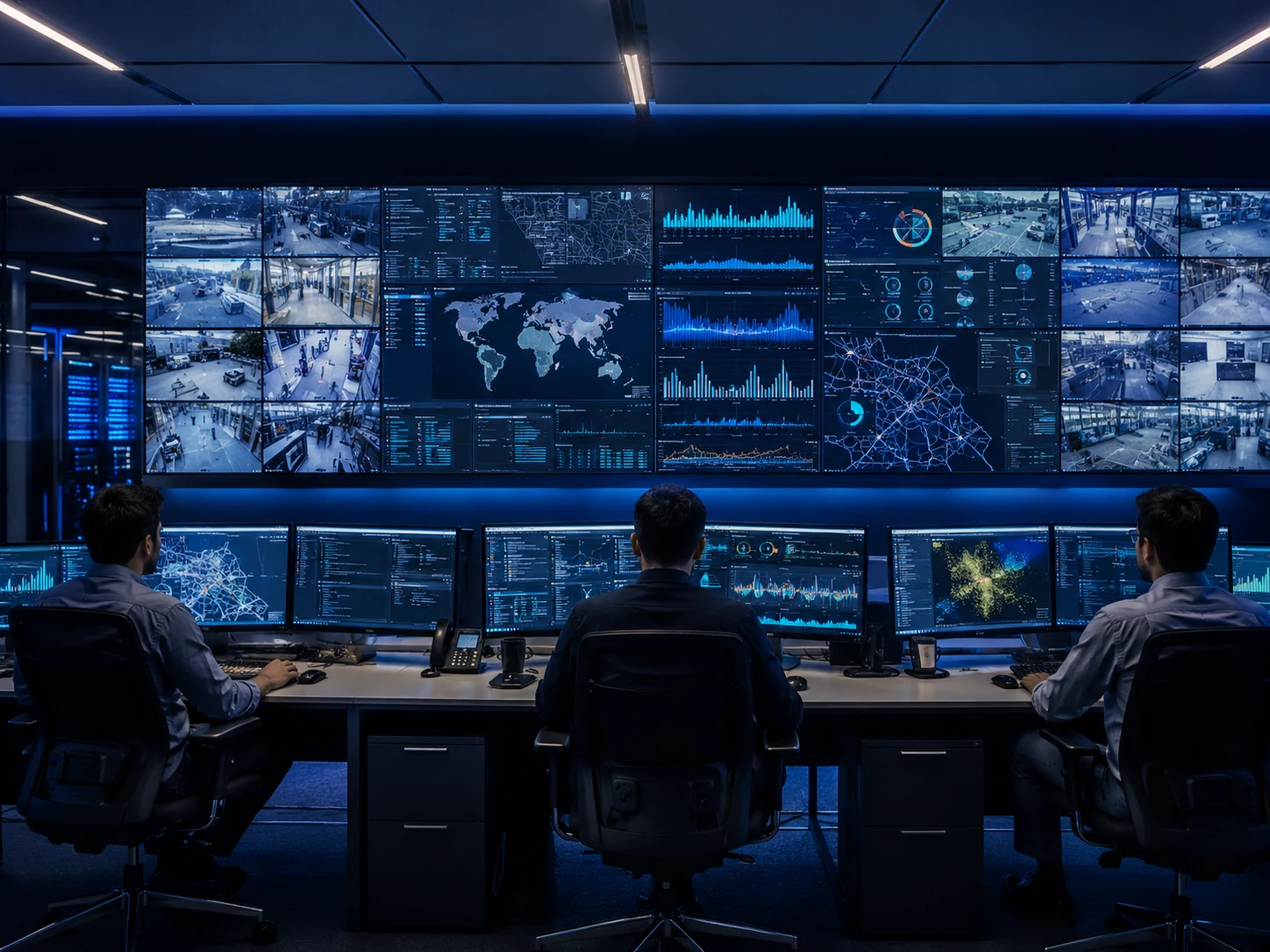
    Fusion is more than displaying systems on one screen. A platform must correlate time, location and identity so operators receive a coherent incident rather than unrelated alarms.

    Perimeter and critical infrastructure

    Radar, thermal, visible cameras and fiber sensors can provide overlapping coverage. Pipelines, railways and power networks may also combine sensing with weather, drone or operational data.

    Engineering challenges

    Different clocks, coordinate systems and event formats complicate integration. Time synchronization, data normalization and complementary failure modes are essential.

    Conclusion

    Security is moving from device-centric systems toward context-centric operations. Sensor fusion is the architecture that enables that transition.

  • Radar in Commercial Security: Where It Works Better Than Cameras

    Radar in Commercial Security: Where It Works Better Than Cameras

    Compact radar has become increasingly practical for commercial security. Modern sensors can detect, locate and track people or vehicles across wide outdoor areas, often in conditions where cameras struggle.

    How security radar works

    Radar transmits radio-frequency energy and analyzes reflections from objects. By measuring distance, angle and Doppler movement, a system can estimate a target’s position, speed and direction.

    Where radar outperforms cameras

    Radar does not depend on visible light and can operate in darkness. It can detect movement over wide open areas without requiring a detailed visual image, making it useful for large yards, airports, solar farms, ports, logistics areas and critical infrastructure.

    Tracking, verification and camera cueing

    Radar excels at tracking but does not provide identity. A visible or thermal PTZ camera can be cued automatically to verify a target and provide richer visual context.

    Coverage and nuisance alarms

    Vegetation, water, machinery, terrain, buildings and metal structures can affect performance or create shadow zones and reflections. Placement requires a site survey and realistic acceptance testing.

    Privacy, cybersecurity and integration

    Radar can support detection where continuous video raises privacy concerns, with video activated for verification. Networked radar also requires secure configuration, firmware management, segmentation and reliable VMS integration.

    Conclusion

    Radar is not a camera replacement. It is a complementary sensor that is often better at answering where a moving target is, how fast it is moving and where it is going.

  • Perimeter Security Technologies: Fences, Sensors, Radar, Thermal and Fiber

    Perimeter Security Technologies: Fences, Sensors, Radar, Thermal and Fiber

    A complete introduction to perimeter security, from fencing and vehicle barriers to radar, thermal cameras, buried sensors and fiber-optic intrusion detection.

    Physical perimeter measures

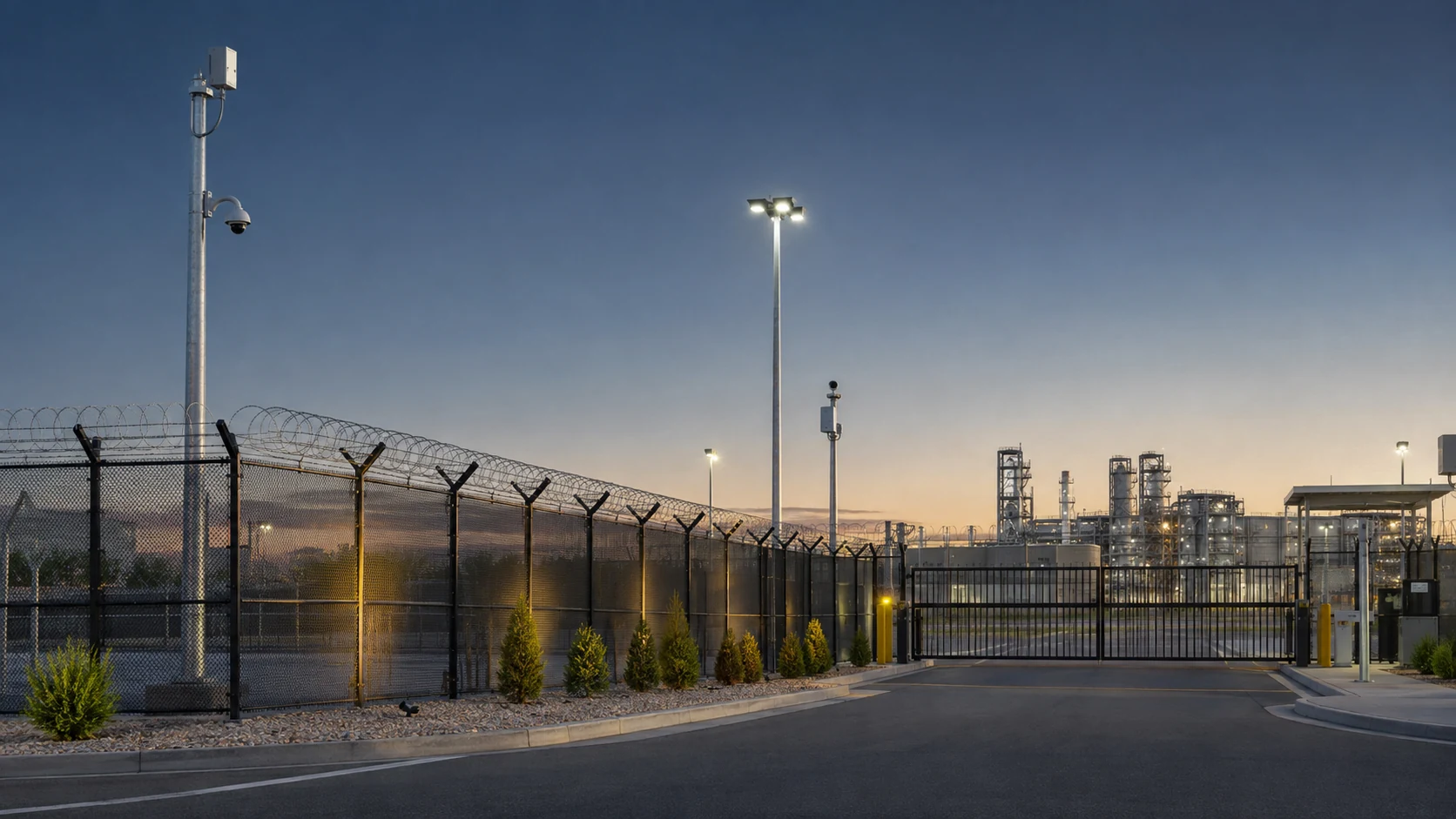
    Fences, walls, gates, security doors and anti-climb features create a visible boundary and add delay. Their value depends on height, construction, terrain, foundations, gate design and what an adversary is expected to attempt. Vehicle threats require separate analysis: bollards, road blockers and other hostile-vehicle-mitigation measures are designed around vehicle mass, speed, approach geometry and stand-off distance. CISA’s Vehicle Incident Prevention and Mitigation Security Guide recommends a Plan–Prevent–Protect framework.

    Perimeter intrusion detection systems (PIDS)

    PIDS is a broad term covering technologies that detect activity at or near a boundary. Fence-mounted sensors measure vibration or movement caused by climbing, cutting or impact. Buried systems can detect footsteps or vehicles. Microwave barriers create an invisible detection field between transmitters and receivers, and infrared beams detect interruption of a defined path. Each technology has environmental trade-offs, and good design starts with the site, not the brochure.

    Radar

    Ground-surveillance radar detects and tracks moving targets across an area, covering open terrain beyond the fence and cueing PTZ or thermal cameras toward a detected target. Radar performance varies with terrain, clutter, target size, speed, mounting and frequency—a maximum-range figure alone says little about reliable detection of the target class that matters to the project.

    Thermal and video analytics

    Thermal cameras are valuable for detection in darkness because they respond to thermal contrast rather than visible illumination. Video analytics can classify people and vehicles or apply rules such as line crossing and loitering. In many perimeter systems the camera’s most important role is assessment: giving the operator visual evidence immediately after another sensor alarms.

    Fiber-optic PIDS and DAS

    Fiber-optic sensing can monitor long boundaries with passive sensing cable in the field, attached to a fence, buried or installed along a linear asset. Distributed Acoustic Sensing uses changes in Rayleigh backscatter to detect strain and vibration along the fiber. The attraction is continuous sensing over long distances with minimal active electronics along the protected line; the engineering challenge is classification—distinguishing digging, climbing or vehicle movement from weather and other background vibration.

    Sensor fusion and response

    The strongest perimeter systems increasingly combine complementary sensors: radar may detect and track a person, a thermal camera verifies the target, a fence sensor confirms interaction with the boundary, and a VMS or PSIM presents the event to the operator. Detection range is meaningless without a response concept—perimeter engineering should combine threat assessment, delay analysis, detection probability, nuisance alarms, camera coverage, lighting and procedures.

    FAQ

    Is a fence enough for perimeter security? A fence is an important physical layer but does not necessarily provide timely detection or assessment.

    Radar or thermal camera: which is better? They do different jobs. Radar is strong for wide-area detection and tracking; thermal imaging is strong for visual assessment and detection based on heat contrast. They are often used together.

    Where does fiber sensing fit? It is particularly relevant to long perimeters and linear assets where continuous distributed detection is valuable.

    Verification note: Never compare perimeter technologies using a single nominal range figure. Target class, terrain and nuisance-alarm performance must be considered.

  • Intrusion Detection and Alarm Systems Explained: Sensors, Panels and Verification

    Intrusion Detection and Alarm Systems Explained: Sensors, Panels and Verification

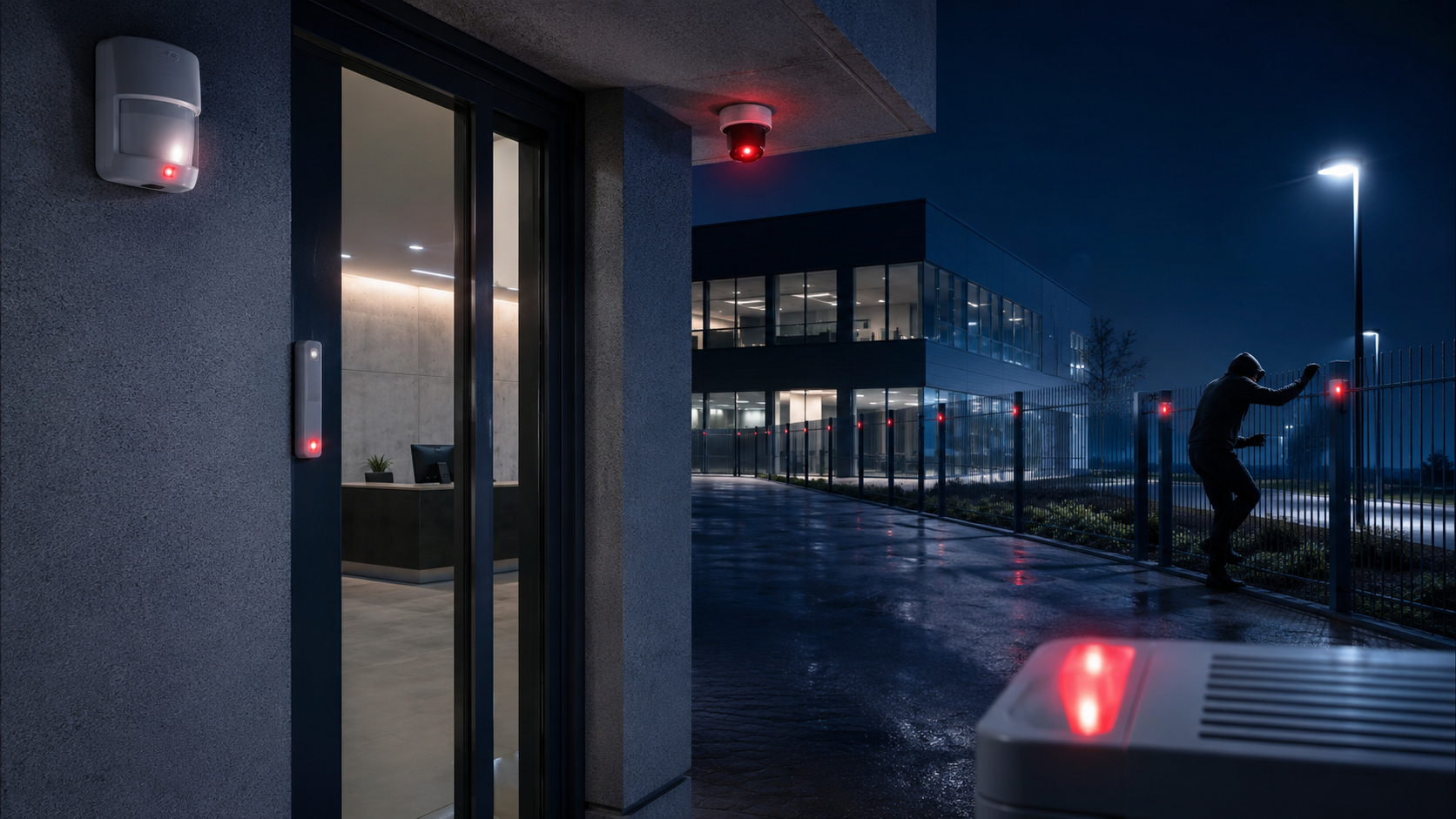
    Learn how intrusion detection systems use PIR, microwave, magnetic contacts, seismic sensors, alarm panels and video verification to identify security events.

    Perimeter and opening sensors

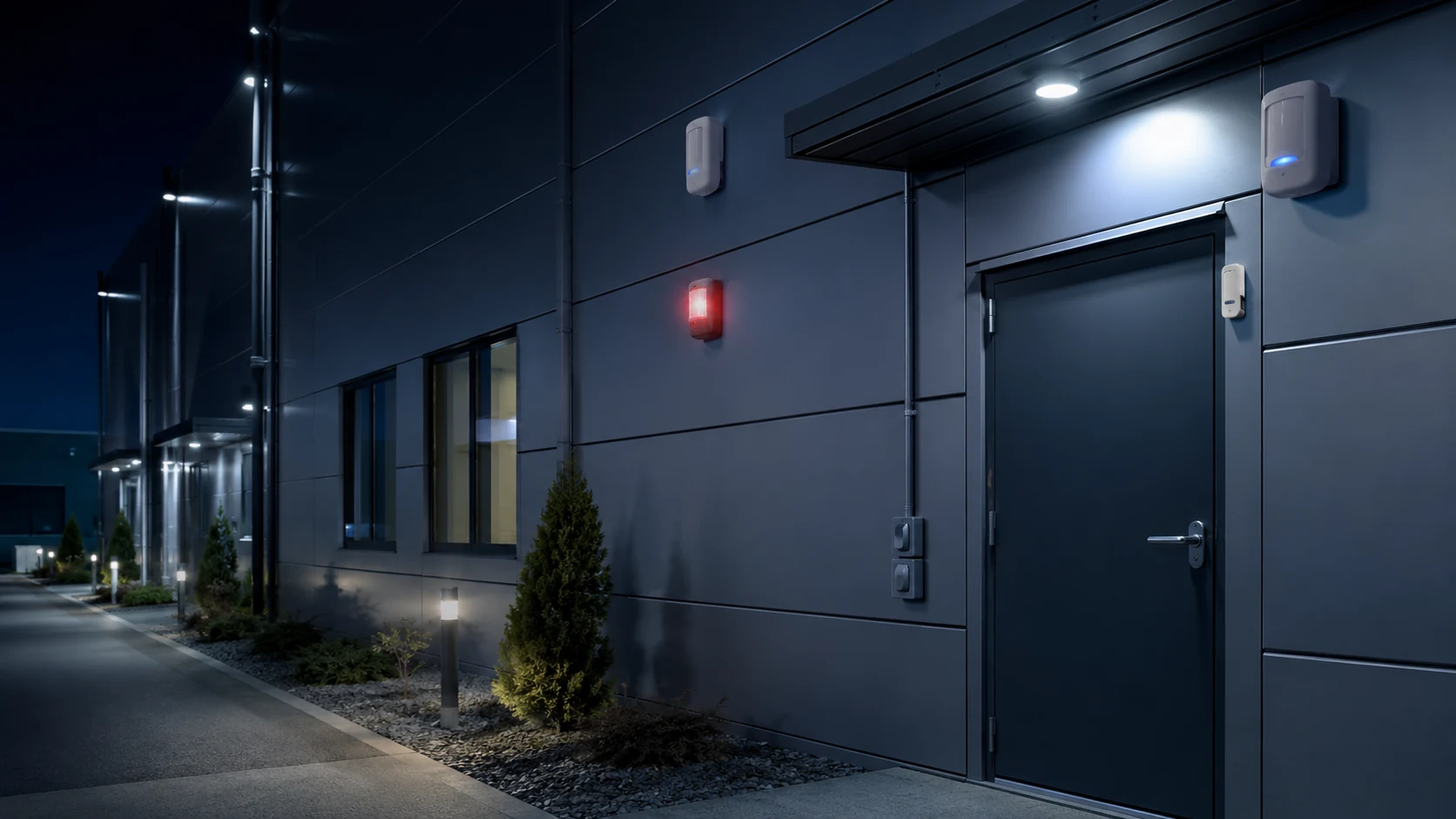
    Magnetic contacts are widely used on doors and windows, indicating a change in the protected opening rather than identifying who caused it. For higher-security applications, balanced magnetic switches and supervised circuits may be used. Glass-break detectors listen for acoustic signatures or sense physical shock associated with breaking glass, while seismic detectors can identify vibration patterns from attacks on walls or safes.

    Volumetric detection

    Passive infrared (PIR) detectors sense changes in infrared energy across zones in their field of view; they do not emit a beam and do not “see” a person like a camera. Microwave motion detectors emit radio-frequency energy and analyze changes in the reflected signal. Dual-technology detectors combine sensing principles—commonly PIR and microwave—to improve confidence and reduce nuisance alarms.

    Outdoor intrusion detection

    Outdoor environments are harder: wind, rain, moving vegetation, animals and temperature swings create nuisance sources. Outdoor PIR, microwave barriers, fence sensors, buried sensors, radar, thermal analytics and fiber-optic systems each address different parts of the problem. The right question is what event must be detected, over what distance, in what terrain, with what acceptable nuisance-alarm rate.

    Alarm control panels and supervision

    The panel receives sensor states, applies logic and communicates alarms or faults. A professional system should also supervise critical wiring, power, communication paths and device health. Modern platforms may combine intrusion events with access control and video, so a door-contact alarm can automatically display the nearest camera.

    Verification changes the value of an alarm

    An alarm tells the operator that a rule has been triggered; it does not automatically explain what happened. Video verification, sequential confirmation from multiple sensors or operator call procedures can help distinguish a genuine intrusion from a nuisance event, avoiding the alarm fatigue that undermines system effectiveness.

    Layered security

    CISA physical-security guidance repeatedly emphasizes layered approaches to protection. Intrusion detection works best as one layer alongside physical delay, lighting, surveillance, access control, procedures and response.

    FAQ

    What is the difference between detection and verification? Detection identifies a condition that meets alarm logic. Verification adds evidence—often video or a second sensor—to help determine whether the alarm represents a real threat.

    Can one sensor type protect an entire facility? Usually not. Different spaces and threats require different sensing methods.

    Why do false alarms happen? Common causes include poor placement, environmental conditions, incorrect sensitivity, movement outside the intended area, maintenance issues and weak commissioning.

    Verification note: Detection ranges and immunity claims should be taken from specific product test data, not generalized across a technology class.