
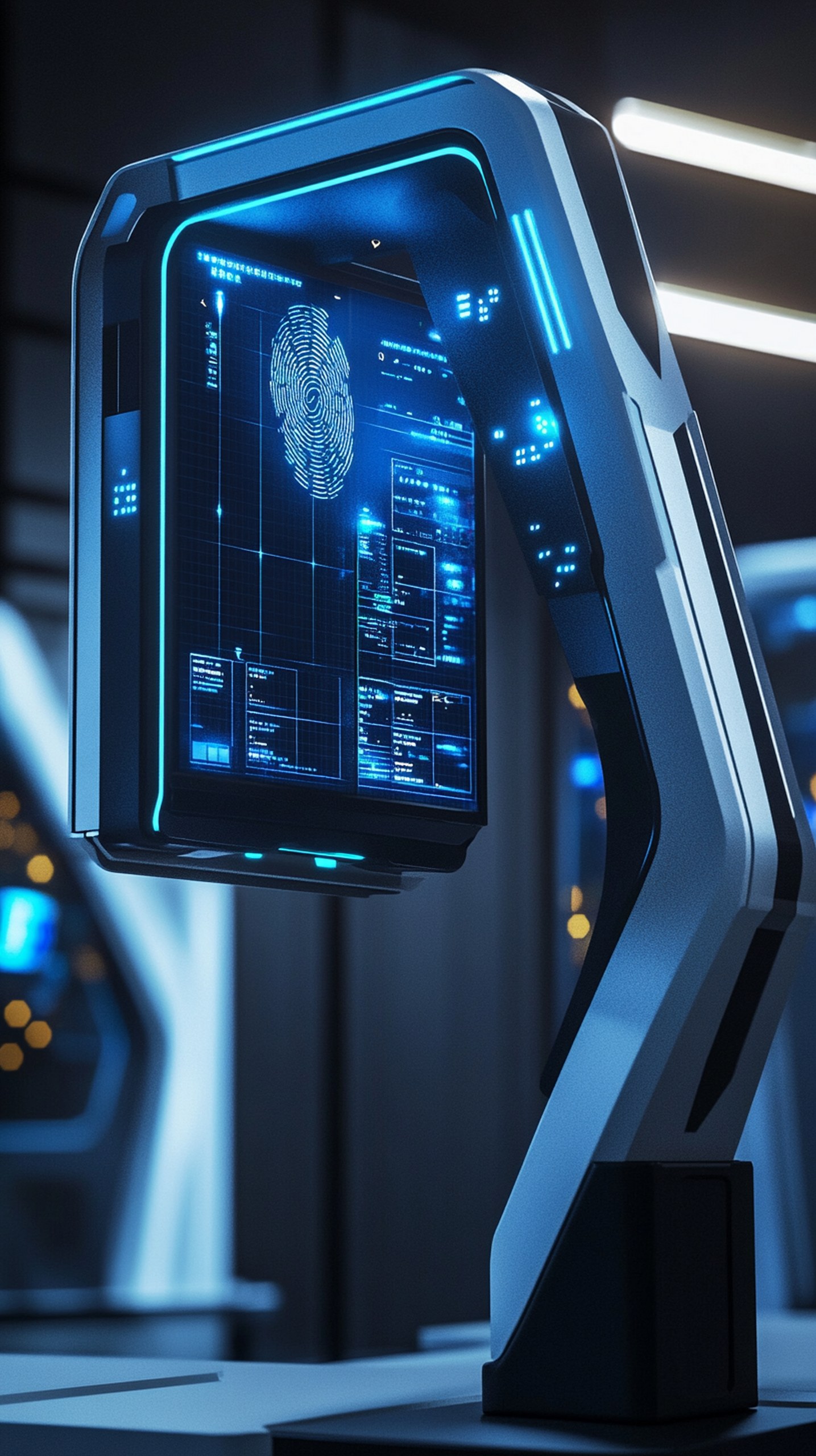
The U.S. Department of Homeland Security is expanding its Remote Identity Validation Rally to test how commercial identity-verification systems respond to AI-generated documents and biometric deepfakes. DHS Science and Technology announced the 2026 program on September 21, adding a dedicated deepfake-detection track alongside broader document-validation and presentation-attack testing.
What the expanded evaluation covers
The program is designed to examine technologies used in remote onboarding, where a person submits an identity document and a selfie or video rather than appearing at a service counter. DHS says the new evaluation will include synthetic or altered documents, face-swap video and other impersonation techniques that can be used during video calls or teleconferencing. Applications for document-validation and selfie-to-document systems are scheduled to open in October, followed by presentation-attack and deepfake-detection submissions in December.
DHS also plans to request real-world deepfake samples and information about attack methods from organizations able to contribute threat data. That material is intended to strengthen the test dataset and make evaluations more representative of current fraud techniques. The agency has not yet published the full technical protocol, so details such as how digital injection attacks will be separated from camera-presented attacks remain open.
Why it matters for identity programs
Government-run comparative testing can help buyers understand where products perform consistently and where results vary by device, document or attack type. Earlier RIVR testing found substantial differences among document-validation and liveness systems. The expanded work also reflects the direction of NIST identity-proofing guidance, which calls for controls against forged media and digital injection. Organizations reviewing remote access and onboarding technology should therefore assess fraud resistance together with usability, privacy and operational fallback processes. SectechMedia tracks related developments in access control and identity technology.
Leave a Reply