
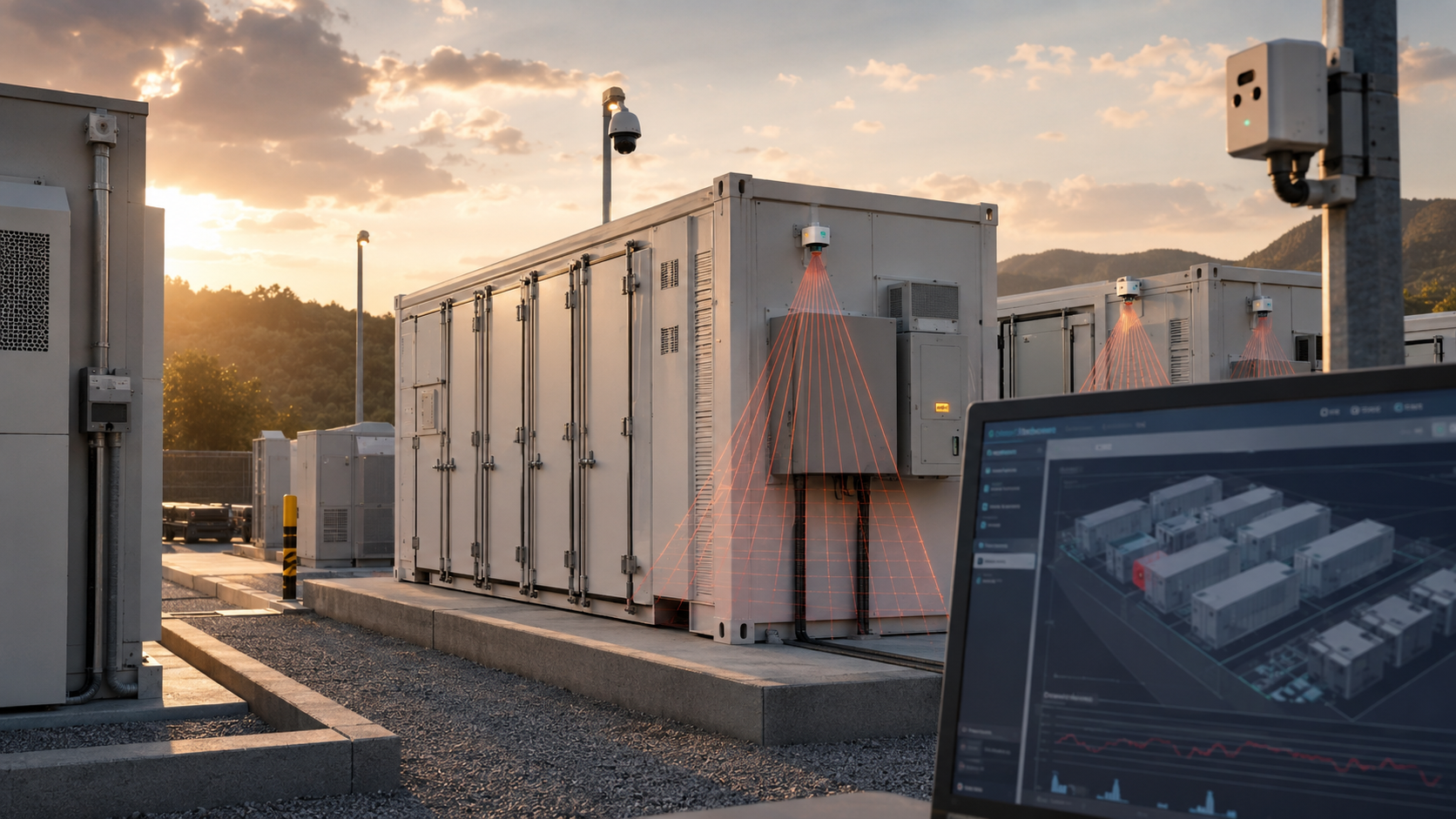
Electronic security systems depend on power at cameras, controllers, locks, servers, network switches, communications links and operator workstations. A central uninterruptible power supply may keep the server running while field devices fail. Power resilience therefore begins with the complete operational path, not a single battery specification.
Define the required security state
The design team should decide what must remain operational during an outage and for how long. The answer may differ by function. Perimeter detection might need continuous coverage, while selected cameras can move to a reduced frame rate. Access-controlled doors may need to follow life-safety release rules while controllers and event logging remain powered.
Document the protected loads, acceptable degradation and recovery priorities. Include supporting equipment such as PoE switches, wireless bridges, time servers and monitoring gateways. A device that has power but no network path may still be operationally unavailable.
Calculate with measured loads and aging
Battery autonomy should be based on realistic load measurements, conversion losses, temperature and expected aging. Nameplate maximums can overstate normal demand, while a snapshot taken during quiet operation can miss heaters, illuminators, charging or peak lock activity. Use a conservative design method and record the assumptions.
Battery chemistry, enclosure ventilation and maintenance requirements affect the installation. Capacity normally declines over time, so a system that barely passes at handover may fail before the next planned replacement. Distributed field supplies also need identification and service access.
Coordinate UPS, generator and network recovery
Where a generator is available, the battery must bridge startup and transfer without dropping critical loads. Test actual transfer behavior, not only the calculated interval. Some devices reboot after a short disturbance even when average voltage appears acceptable. Network equipment and servers may recover in the wrong sequence, leaving cameras or controllers disconnected.
A recovery plan should define how services restart, how configuration is preserved and which alarms indicate degraded power. Remote monitoring of battery and supply health is useful only when thresholds are maintained and someone owns the response.
Test failure modes safely
Acceptance testing should simulate loss of normal power under controlled conditions. Verify runtime, alarms, transfer, reduced-operation modes and restoration. Inspect event timestamps and confirm that evidence is not lost or corrupted. If the full outage cannot be tested, document the limitation and use component tests with a clear engineering justification.
Trend results over successive tests rather than recording only pass or fail. A shortening runtime can reveal battery deterioration, increased load or poor environmental conditions before the system falls below its required autonomy.
Repeat testing after battery replacement, load expansion or major network change. Power resilience is part of industrial safety and monitoring, not a one-time electrical calculation. A reliable design makes the degraded state visible and ensures that restoration does not create a second outage.
Leave a Reply