Category: Emergency & Life Safety

  • Duress Alarms and Panic Buttons: Technology Options Explained

    Duress Alarms and Panic Buttons: Technology Options Explained

    A duress alarm, commonly known as a panic button, exists to let someone silently or quickly signal for help during a threatening situation. The concept is simple, but the technology behind it has diversified considerably as organizations look for options that fit different environments, from fixed retail counters to mobile hospital staff moving between patient rooms.

    Fixed Panic Buttons

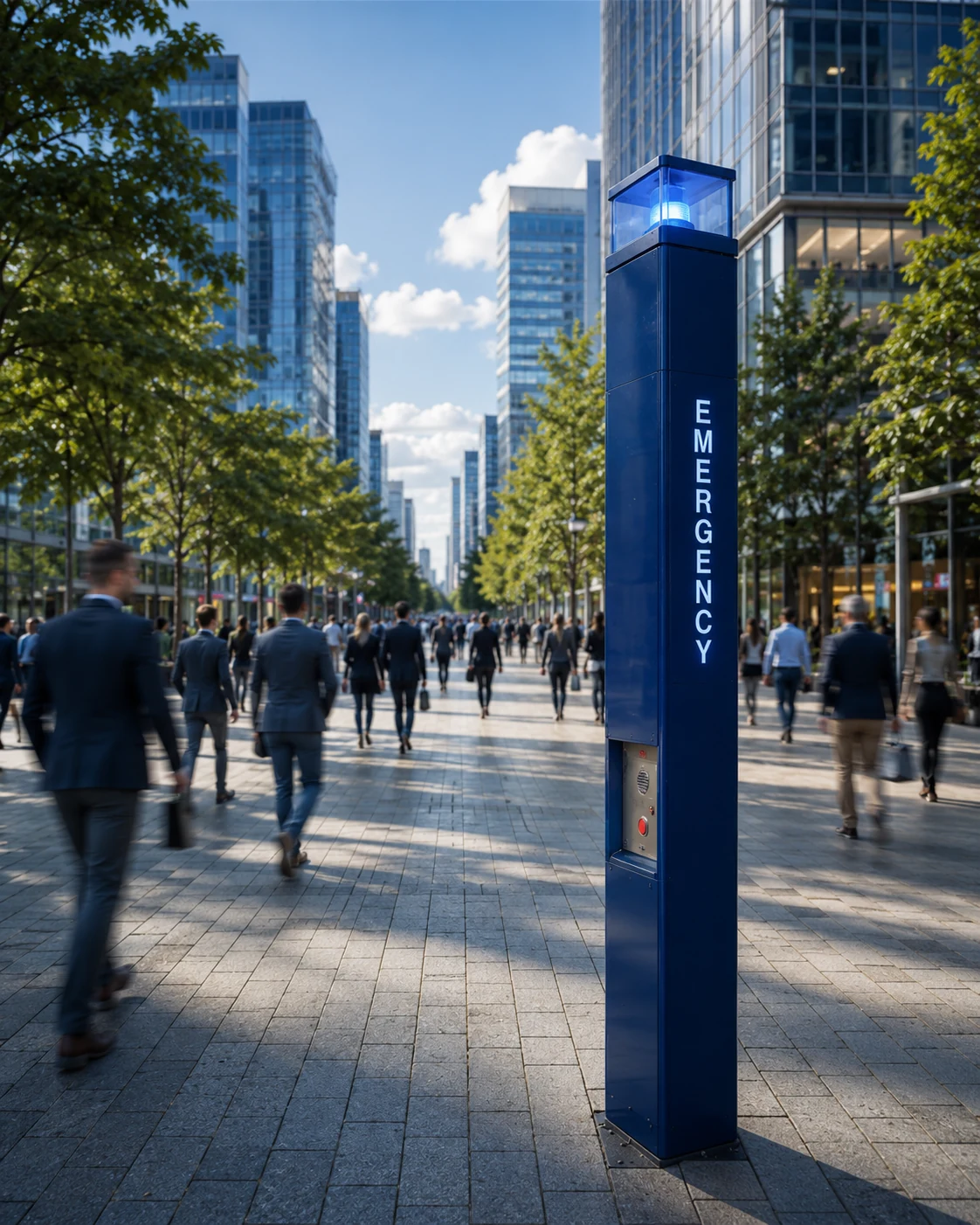
    The most traditional form is a physical button mounted at a specific location, such as under a reception desk, at a bank teller station, or beside a cash register, wired or wirelessly connected to a monitoring system or directly to local law enforcement. Fixed buttons are simple, reliable and require no action beyond pressing them, but they only protect the person standing at that specific location, which limits their usefulness for staff who move throughout a building.

    Wearable Duress Devices

    Wearable panic devices, worn as a badge, pendant or wristband, extend duress alarm coverage to mobile staff. These devices typically communicate over a building’s Wi-Fi network or a dedicated real-time locating system (RTLS), allowing a monitoring center to see not just that an alarm was triggered but roughly where the wearer is located at the time. This location capability has made wearable duress devices particularly common in healthcare settings, where staff may be assisting a patient anywhere in a facility, and in hospitality, where housekeeping staff often work alone in guest rooms.

    Mobile App-Based Alerts

    Smartphone apps have become a lower-cost alternative or complement to dedicated wearable hardware, letting an employee trigger a duress alert directly from a phone they already carry, often using GPS to share location and sometimes activating audio or video recording automatically when triggered. App-based systems are easier and cheaper to deploy at scale than dedicated wearable hardware, though they depend on the user actively carrying and being able to access their phone during an incident, which is not always possible.

    Integration With Broader Security Systems

    Regardless of form factor, modern duress alarm systems increasingly integrate with video management and access control platforms, so that triggering an alert can automatically pull up live or recorded video from cameras nearest the alarm location, lock down access points in the area, and notify both on-site security staff and, where configured, local law enforcement simultaneously. This integration is intended to compress the time between an alert being triggered and a meaningful response being coordinated, which is generally considered the most important performance factor for any duress system.

    FAQ

    Are silent alarms better than audible panic buttons? It depends on the scenario. Silent alarms are generally preferred when the goal is to avoid escalating a confrontation, such as during a robbery, while audible alarms can be more effective for general emergencies where drawing immediate attention is the priority.

    Do wearable duress devices always include location tracking? Not always continuous tracking, but most wearable systems are designed to report location, either continuously or at the moment an alarm is triggered, since responding effectively to a duress alert usually depends on knowing where the person is.

    Can duress alarms be accidentally triggered? False activations do occur, particularly with wearable devices that can be bumped or pressed unintentionally, which is why many systems include a brief cancellation window or require deliberate multi-second presses to confirm an intentional alert.
  • CISA Details Credential Exposure Flaw in Johnson Controls Simplex Incident Manager

    CISA Details Credential Exposure Flaw in Johnson Controls Simplex Incident Manager

    Cleartext Credentials Found in Memory

    The Cybersecurity and Infrastructure Security Agency published ICS advisory ICSA-26-232-01 on August 20, 2026, disclosing a vulnerability in Johnson Controls Simplex Incident Manager, a fire and life-safety incident-management application used across critical manufacturing, commercial facilities, government facilities, transportation systems and energy sites worldwide. Tracked as CVE-2026-27875, the flaw stores user credentials, including passwords and authentication tokens, in an unencrypted form in system memory while the application is running.

    CISA assigned the vulnerability a CVSS v3.1 base score of 5.8 (medium), rating it CWE-316, Cleartext Storage of Sensitive Information in Memory. A local attacker with low privileges, or an insider with memory-dumping tools, could extract the exposed credentials and use them for unauthorized access to the application and connected systems. Exploitation requires local access to the host, and CISA rates the attack complexity as high.

    Patch Available

    Johnson Controls has released version v2.01.01 to address the flaw and published Product Security Advisory JCI-PSA-2026-28 with mitigation guidance. CISA and the vendor recommend upgrading affected Simplex Incident Manager deployments (v2.01 and earlier), restricting local system access to authorized personnel, deploying endpoint monitoring to detect memory-dumping activity, enforcing least-privilege access controls, and using full-disk encryption and secure boot to reduce the risk of offline memory analysis.

    Johnson Controls reported the vulnerability to CISA. No public evidence of active exploitation has been disclosed.

    Sources

  • Civilian Drones Have Grounded Wildfire Aircraft Dozens of Times in 2026, Officials Say

    Civilian Drones Have Grounded Wildfire Aircraft Dozens of Times in 2026, Officials Say

    67 Reported Incursions So Far This Year

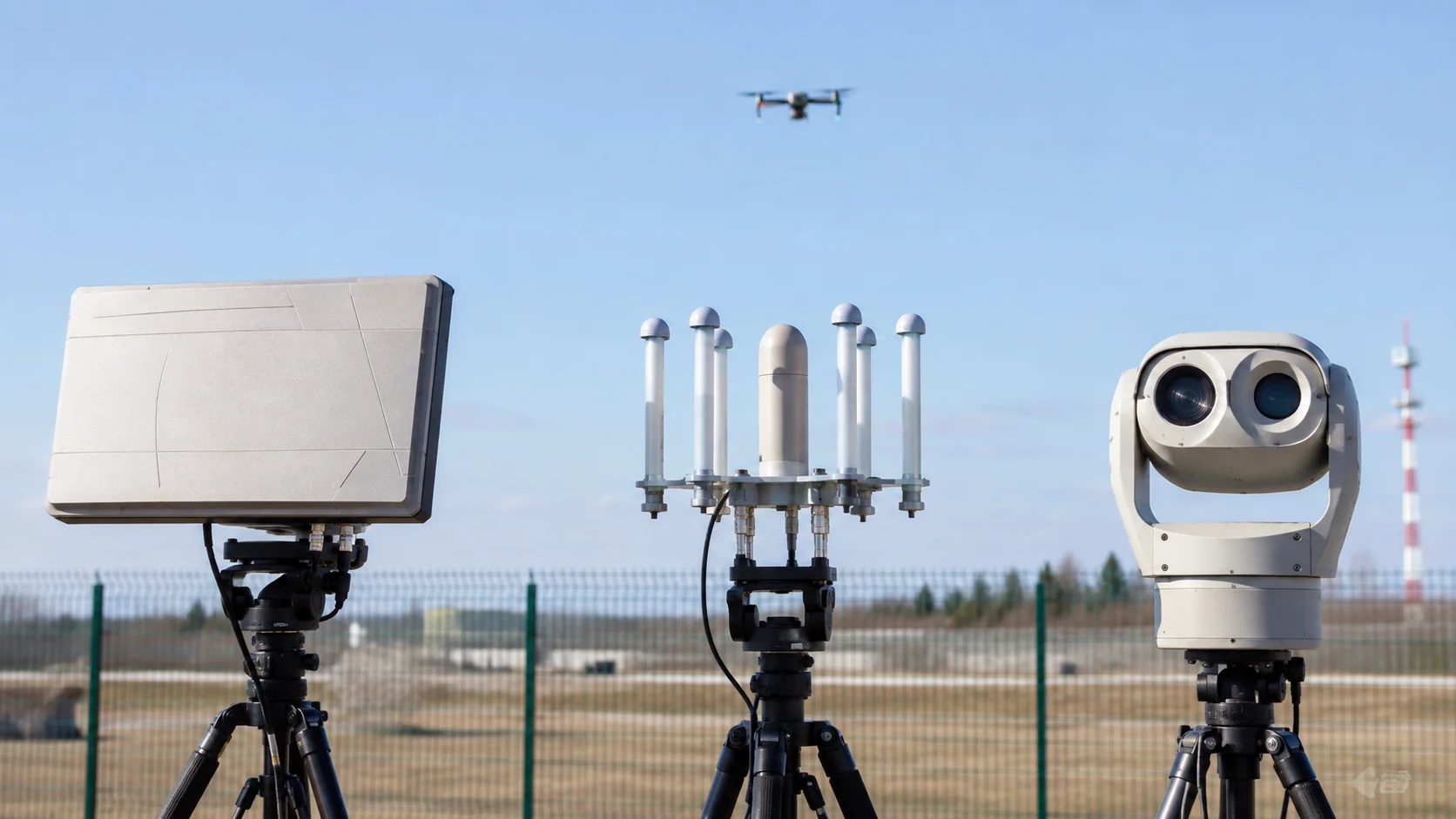
    The U.S. Forest Service says there have been 67 unauthorized drone incursions into wildfire airspace so far in 2026, a pattern officials say repeatedly forces firefighting aircraft out of the sky. In an August 2026 public safety post, the Forest Service and the National Interagency Fire Center said temporary flight restrictions are put in place over active wildfires specifically to protect aerial firefighting crews flying air tankers and helicopters, and that every incursion by an unauthorized drone forces those aircraft to stand down until the airspace is confirmed clear. Thirty-nine of the 67 reported incursions this year occurred in Washington state, according to the agencies. Individuals caught flying drones into these restricted zones can face significant fines and potential prison time.

    Spokane Complex Fires: A Concrete Example of the Risk

    The scale of the disruption was illustrated during the Spokane Complex wildfires in Washington in early August 2026. According to FireRescue1, citing a Spokane County Sheriff’s Office news conference, 26 drone incursions were reported on August 2, four of which flew directly into the path of firefighting aircraft. The following evening, aircraft were grounded for roughly 30 minutes after another unauthorized drone entered the restricted airspace, the outlet reported, citing The Seattle Times; the operator in that case was not located. Spokane County Sheriff John Nowels said his office had identified multiple drone operators from the earlier incidents and referred citations to the Federal Aviation Administration, noting each operator could face penalties up to $100,000.

    Washington Department of Natural Resources spokesperson Ryan Rodruck told FireRescue1 that grounding aircraft even briefly has real operational costs: “We’re utilizing all units at our disposal right now, but we can’t do that effectively if the airspace isn’t clear.” He said the temporary flight restriction over the Spokane fires protected airspace up to 5,000 feet, and that wildland firefighting aircraft often operate at altitudes similar to many civilian drones, raising collision risk for pilots and ground crews alike. Thirty-five aircraft, including assets from DNR and the National Guard, were assigned to the Spokane fires on August 3. “Vital seconds, minutes, are lost” with every grounding, Rodruck said.

    Legal Exposure and Public Messaging

    Interfering with firefighting operations on public lands is a federal crime that can carry up to a year in prison, and flying a drone inside a wildfire-related temporary flight restriction can also trigger a civil penalty of $20,000 or more, according to FireRescue1’s reporting. The Forest Service has run a public-awareness campaign, “If You Fly, We Can’t,” aimed at recreational drone operators, warning that even a very small drone can damage a helicopter’s tail rotor or disable an aircraft engine. Both agencies encourage anyone who spots a drone inside restricted wildfire airspace to call 911 or report it directly to the FAA.

    Sources

  • Emergency Services Show 2026 Preview: Response Technology at NEC Birmingham

    Emergency Services Show 2026 Preview: Response Technology at NEC Birmingham

    The Emergency Services Show will bring police, fire and rescue, ambulance, search-and-rescue and resilience professionals to NEC Birmingham. Its focus is operational: equipment, vehicles, communications, digital systems and training for agencies that must work together under pressure.

    Event details

    • Dates: 16–17 September 2026
    • Venue: NEC Birmingham
    • Location: Birmingham, United Kingdom

    Published themes and technology areas

    • Fire and rescue operations
    • Emergency communications and digital systems
    • Fleet, vehicles, drones and robotics
    • Resilience, interoperability and frontline safety

    Who should follow the event

    Fire and rescue services, ambulance and police teams, emergency planners, communications specialists, fleet managers, procurement teams and public-safety suppliers.

    Why it matters

    Emergency technology is judged by how it supports people and procedures in live operations. The show’s published themes connect equipment and digital tools with resilience, interoperability and workforce safety.

    Registration and visit planning

    The organizer lists free visitor registration on the official website. Attendees should confirm admission conditions, opening hours and the current conference agenda before travel.

    Sources

    Security & Fire Exhibitions

  • SFPE 2026 Annual Conference Preview: Fire Safety Engineering in Atlanta

    SFPE 2026 Annual Conference Preview: Fire Safety Engineering in Atlanta

    The Society of Fire Protection Engineers will hold its 2026 Annual Conference & Expo in Atlanta. The event is centered on engineering practice and research rather than general emergency response, with education and an expo for fire-protection professionals.

    Event details

    • Dates: 6–8 October 2026
    • Venue: Atlanta Marriott Marquis
    • Location: Atlanta, Georgia, USA

    Published themes and technology areas

    • Industrial fire protection and smoke control
    • Performance-based design and fire dynamics
    • Infrastructure, cladding, car parks and structural fire engineering
    • Data centers, emerging technologies, fire-safety systems and human behavior

    Who should follow the event

    Fire-protection engineers, consultants, authorities having jurisdiction, researchers, designers, facility specialists and manufacturers serving engineered fire-safety projects.

    Why it matters

    The conference gives technical teams a venue to compare research, design methods and system applications. Its published themes address both established engineering problems and newer infrastructure risks.

    Registration and visit planning

    Registration is open on the official SFPE conference site. Attendees should consult the organizer for the latest program, registration terms and hotel information.

    Sources

    Security & Fire Exhibitions

  • Tunnel Safety and Security Technology: Detection, Evacuation and Integrated Control

    Tunnel Safety and Security Technology: Detection, Evacuation and Integrated Control

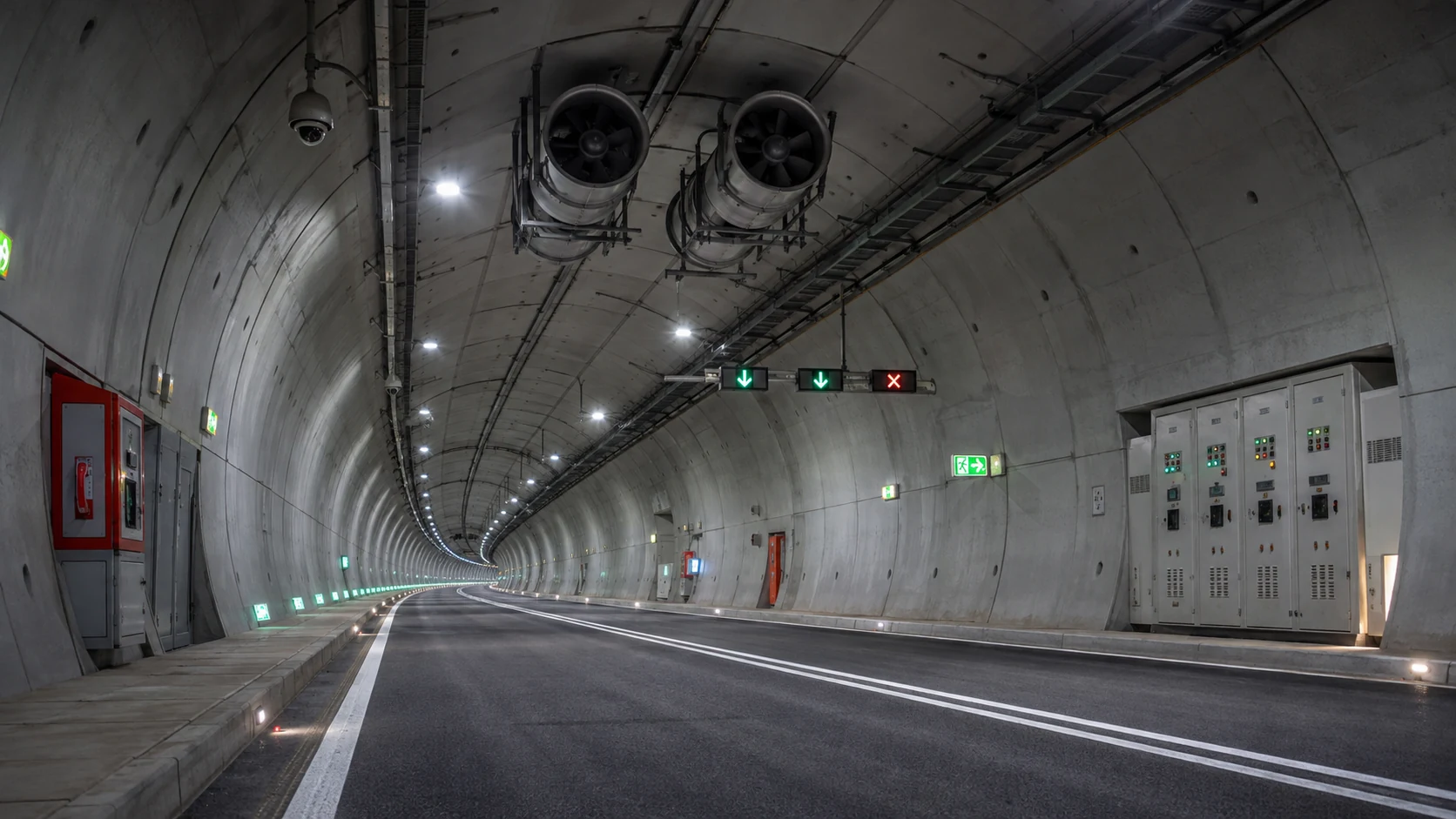
    Modern tunnels combine fire detection, video analytics, access control, ventilation, emergency communications and increasingly distributed fiber sensing. Because incidents develop quickly and escape routes are constrained, tunnel protection depends on coordinated systems rather than isolated devices.

    Why tunnels require a different security model

    Road and rail tunnels create long enclosed spaces with limited visibility, difficult radio propagation and restricted evacuation options. A useful design therefore starts with incident detection, localization and coordinated response rather than simply adding more cameras.

    Core detection layers

    Video surveillance provides situational awareness while thermal cameras can identify overheated equipment or abnormal temperature patterns. Linear heat detection, point detectors, flame detection and air-quality sensors add dedicated life-safety coverage. In long tunnels, DAS can provide continuous acoustic and vibration awareness along many kilometres of fiber.

    Ventilation and evacuation

    Smoke control is often as important as the initial alarm. Variable-message signs, public-address systems, emergency telephones, lighting and cross-passage control must work with ventilation logic so operators can direct people away from the hazard.

    The role of the control room

    A tunnel operations center should correlate alarms, location, video and infrastructure status on one interface. Automation can suggest response actions, but operators still need clear authority and verified procedures.

    Design priorities

    Resilience, redundant communications, maintainability, false-alarm control and realistic drills matter as much as sensor selection. The strongest architecture is layered, testable and designed around credible incident scenarios.

    Conclusion

    Tunnel Safety and Security Technology should be evaluated as part of a broader operational architecture. The strongest deployments combine suitable sensing technology, resilient communications, clear procedures and measurable performance rather than relying on a single device or headline specification.

  • AI-Assisted Evacuation Planning: Dynamic Routes and Safer Decisions

    AI-Assisted Evacuation Planning: Dynamic Routes and Safer Decisions

    Conventional evacuation plans are usually static. They assume designated exits, predefined routes and a limited number of emergency scenarios. Real incidents are dynamic: a corridor may fill with smoke, an escalator may stop, a crowd may block an exit or a secondary hazard may make the shortest route unsafe.

    What AI can add AI-assisted evacuation systems can combine data from fire alarms, smoke control, cameras, access control, occupancy sensors and building management systems. The objective is to estimate which areas are becoming unsafe and which routes remain available.

    Dynamic routing A digital building model can represent doors, stairs, refuge areas and travel distances. When live sensor data is added, software can recalculate recommended routes. Digital signage, mobile applications or voice systems can then direct different groups toward different exits.

    Crowd awareness Video analytics and occupancy sensors can estimate congestion. A route that is physically open may still be a poor choice if too many people are moving toward it. Dynamic planning can balance flow and reduce bottlenecks.

    Human factors Automation must not create confusing or contradictory instructions. People under stress tend to follow familiar routes and other people. Messages therefore need to be simple, consistent and supported by visible cues.

    Limits of AI Evacuation software cannot know every physical condition with certainty. Sensor failure, network loss or incorrect occupancy data can affect recommendations. For this reason, dynamic routing should supplement—not replace—code-compliant exits, passive fire protection and trained emergency procedures.

    The most promising use of AI is decision support. By combining real-time information with a verified building model, operators can understand changing conditions faster and communicate safer options. The goal is not autonomous evacuation; it is better situational awareness during the minutes when conditions are changing fastest.

  • Mass Notification Systems: Emergency Communication for Complex Sites

    Mass Notification Systems: Emergency Communication for Complex Sites

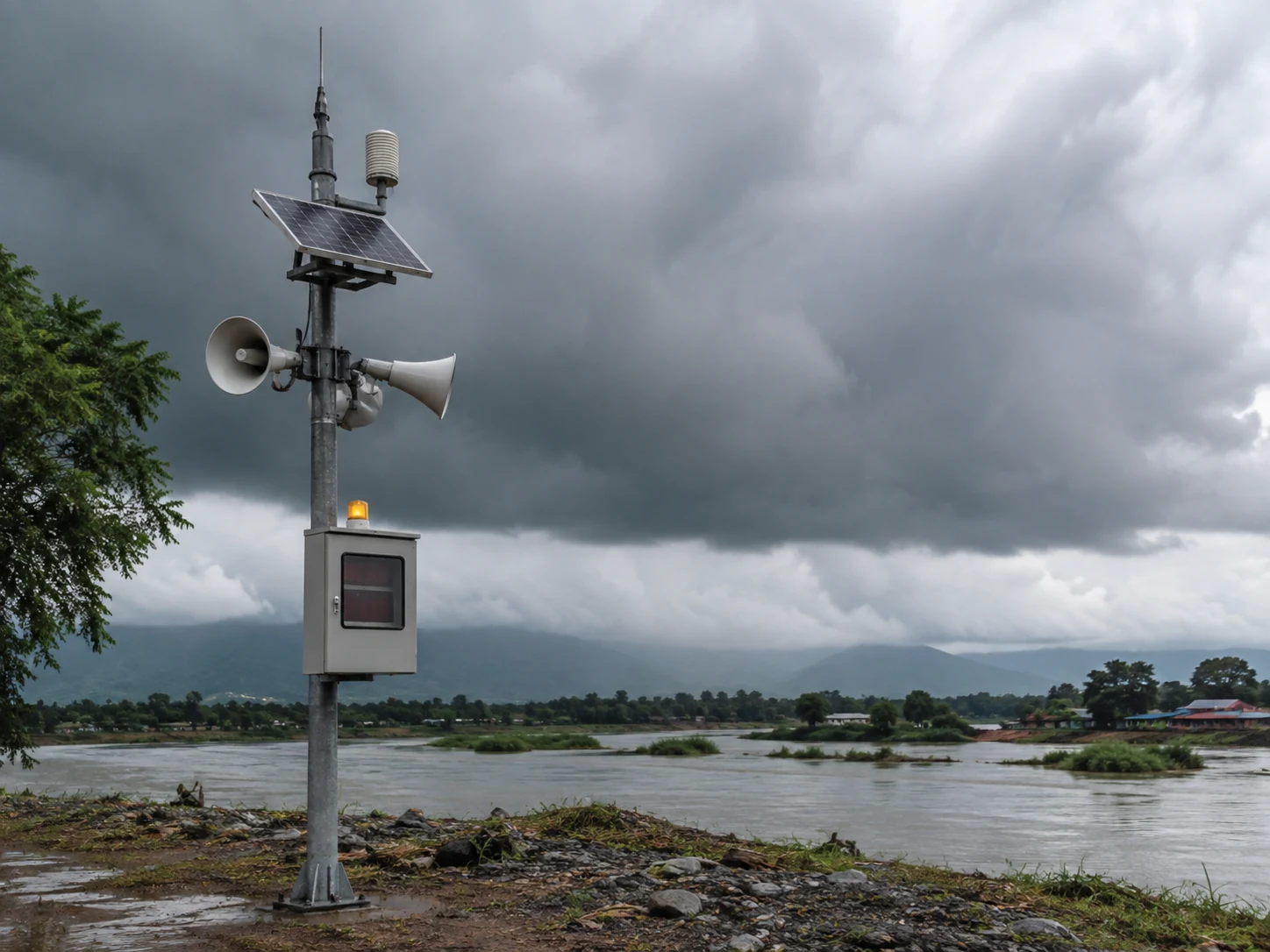
    Emergency communication is no longer limited to bells, sirens or a single public-address message. Modern mass-notification systems are designed to deliver clear, coordinated instructions across multiple channels and to reach people wherever they are.

    Why communication fails during emergencies In a crisis, occupants may not know what has happened, where the hazard is or whether they should evacuate, shelter in place or avoid a specific route. A simple alarm tone communicates urgency but not context. Voice messages, visual displays, mobile alerts and desktop notifications can provide more actionable information.

    Multiple channels, one message A modern platform may integrate voice alarm, public address, SMS, mobile applications, email, digital signage, desktop pop-ups and radio interfaces. The goal is not to send as many messages as possible; it is to ensure that the same verified instruction reaches the right audience quickly.

    Integration with detection systems Emergency communication becomes more powerful when linked with fire alarms, gas detection, security systems, weather alerts and building management platforms. A confirmed incident can trigger pre-approved message templates while operators retain control over escalation.

    Message intelligibility A loud announcement is not necessarily an understandable announcement. Reverberation, machinery noise, language differences and hearing impairment can all reduce comprehension. Acoustic design, speaker placement and message testing are therefore essential.

    Cybersecurity and resilience Because many notification platforms use IP networks and cloud services, they require strong authentication, role-based permissions and fallback communication paths. Emergency communication must continue even when part of the IT infrastructure is unavailable.

    The best systems combine automation with human judgment. Predefined workflows reduce delay, while trained operators validate the situation and adapt instructions as conditions change. The real performance measure is not how many channels a platform supports, but whether people receive a clear, trusted instruction when seconds matter.