
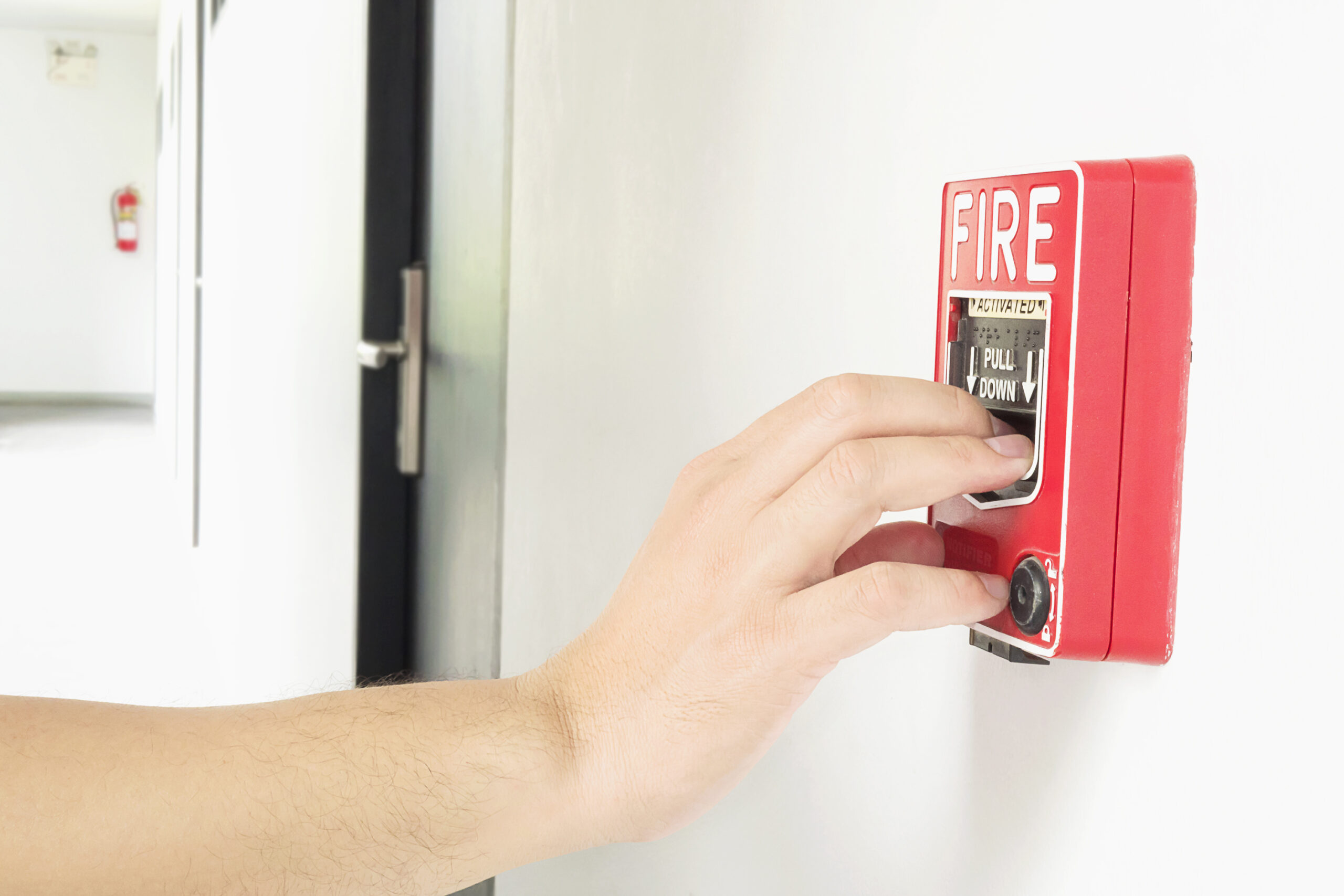
A fire alarm cause-and-effect matrix defines what the building should do when a specific input or combination of inputs occurs. A smoke detector may initiate evacuation signals, release doors, recall elevators, stop air-handling equipment and notify a monitoring center. Testing the detector alone does not prove that this sequence works.
What the matrix should contain
The matrix normally lists initiating events on one axis and required outputs on the other. Inputs may include automatic detectors, manual call points, sprinkler flow, supervisory signals and faults. Outputs can include notification zones, smoke-control commands, fire-door release, elevator interfaces, suppression release logic and messages to external monitoring.
The document must reflect the approved fire strategy and applicable code requirements. It should identify delays, coincidence logic, dependencies and exceptions. Generic text such as “all systems operate” is not testable. Each expected action needs an observable result and a responsible discipline.
Prepare an integrated test
Before testing, confirm that the matrix version matches the installed programming and current building layout. Coordinate fire alarm, mechanical, elevator, door, suppression and monitoring contractors. Notify occupants and authorities as required, establish impairment controls and prevent an unintended emergency response.
Tests should be planned so that inputs and outputs are observed at their real interfaces. A software indication at the fire panel is not proof that a damper moved or a door released. Where testing a physical action is unsafe or impractical, the alternative method and limitation should be documented.
Test sequences, failures and recovery
Verify single inputs, combined inputs and reset behavior. Confirm that priorities are correct when fire and security commands conflict. Door access control, for example, must not prevent the required life-safety release. Check how the system behaves during communication loss, disabled points and power transfer.
Recovery matters as much as activation. After reset, equipment should return to the intended state without leaving doors, fans or interfaces in an unsafe condition. Operators need a clear indication when a field device requires manual restoration.
Include negative tests where they can be performed safely. A supervisory input should not start an evacuation sequence unless the approved design calls for it, and an isolated output should generate a visible impairment rather than failing silently.
Evidence and change control
Record the test input, expected output, observed result, time, witness and defect. Screenshots can support the record but should not replace signed field observations. Defects must be corrected and the affected sequence retested; broad statements that a problem was “resolved” are insufficient.
Any later change to fire logic, access control, elevators or smoke control should trigger matrix review. This discipline connects fire detection and automatic protection with the systems it commands. A tested matrix provides evidence that the building responds as a coordinated life-safety system rather than a collection of individually functional components.
Leave a Reply